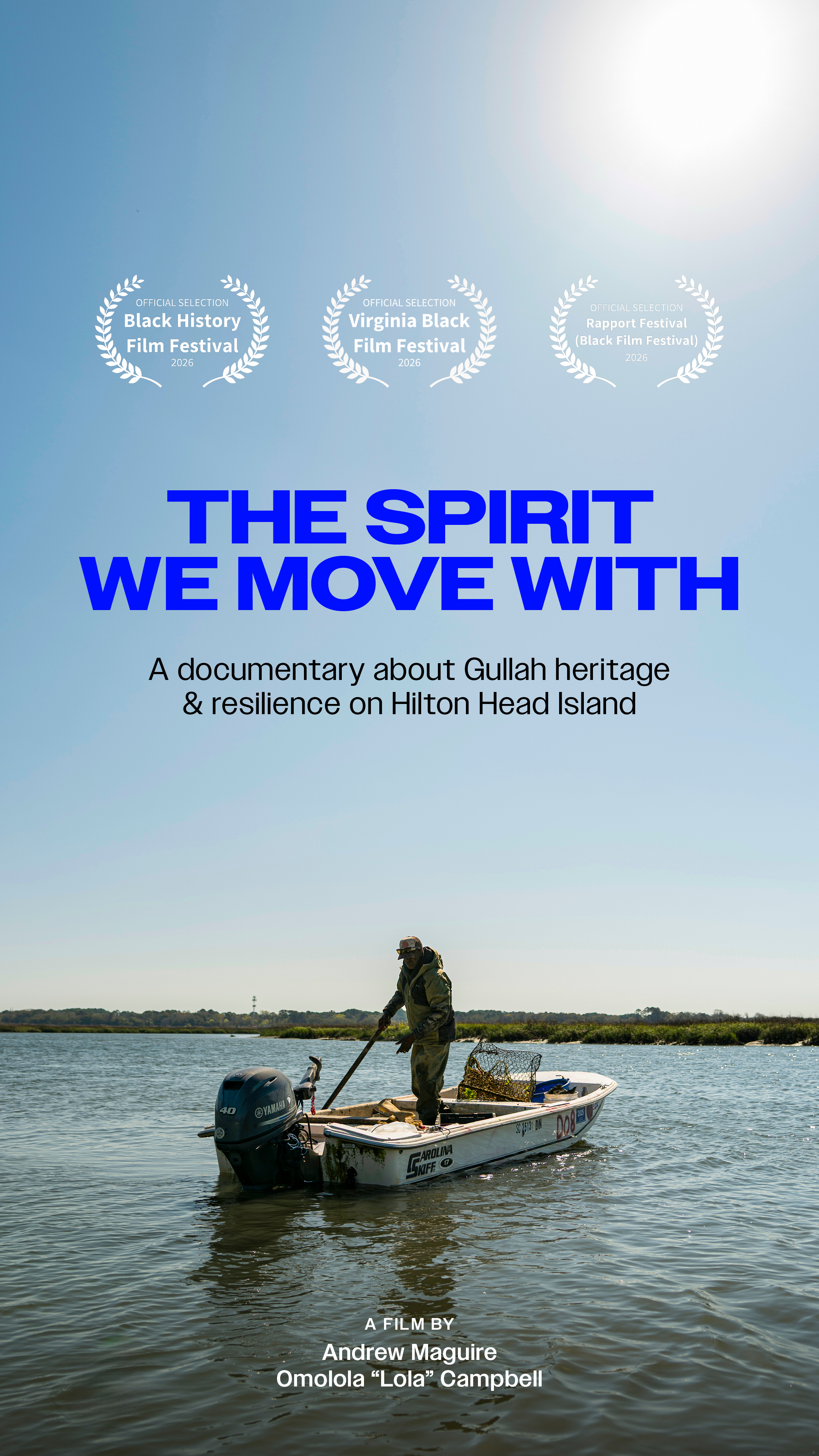
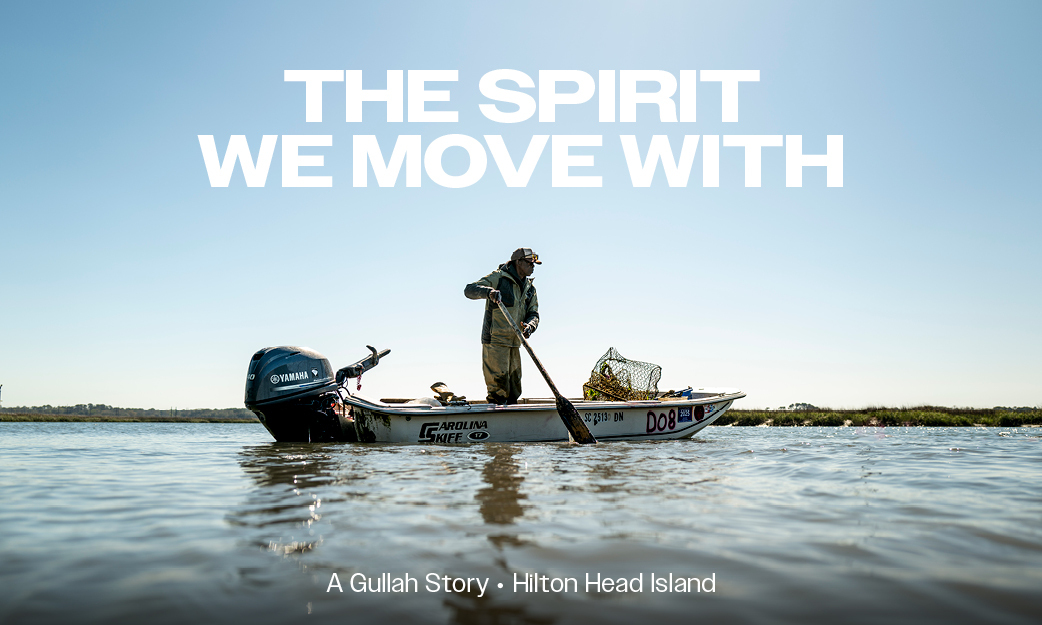
The Spirit We Move With was produced by the Hilton Head Island Chamber of Commerce to honor, preserve, and amplify the living history of the Gullah community on Hilton Head Island—stories that remain largely unknown beyond the Southeast United States.
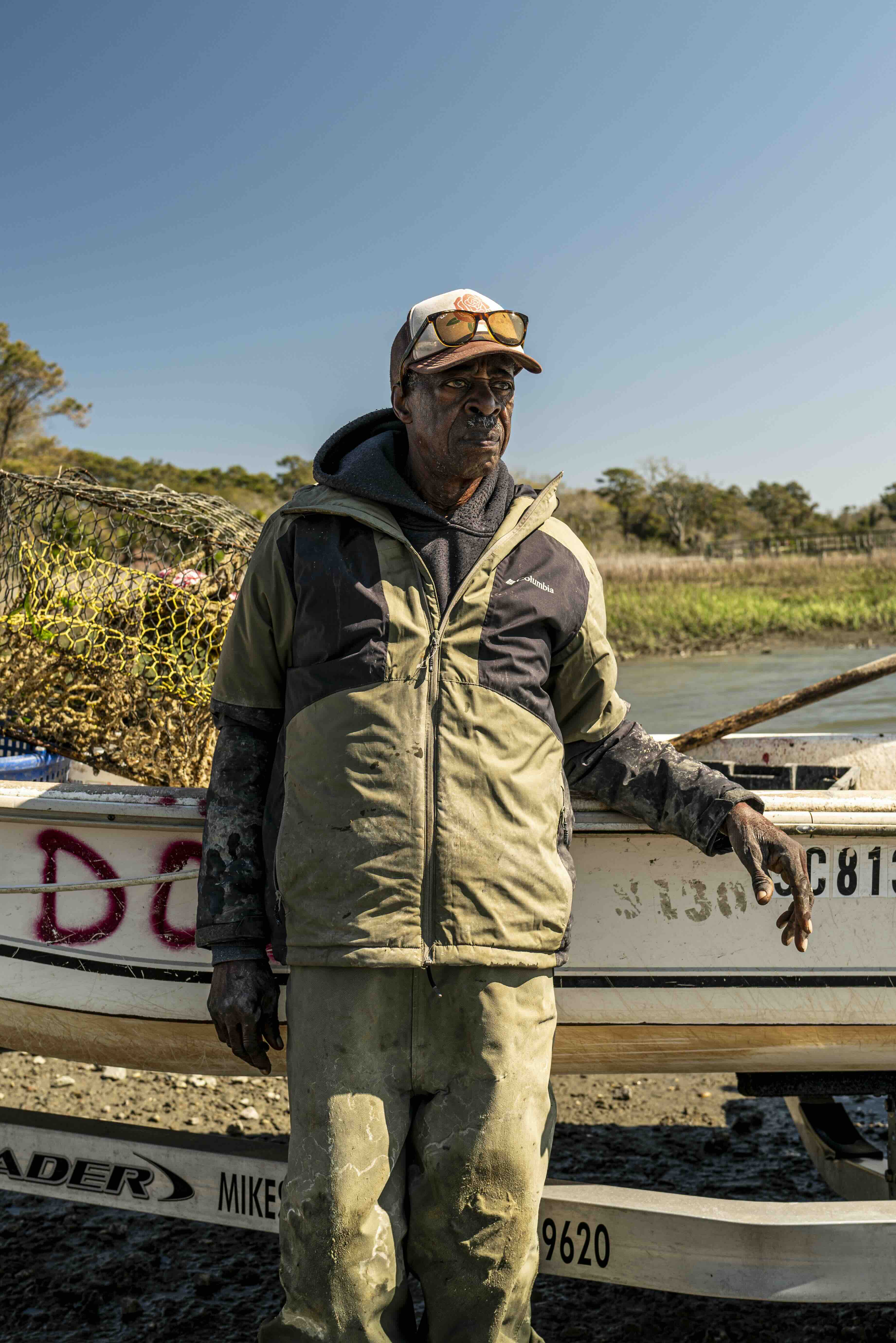
Rooted in a listening-first philosophy, the film was designed to give community members space to share their stories in their own voices and on their own terms. The objective was twofold: to safeguard cultural memory—family histories, language, values, and lived experiences passed down through generations—and to expand national awareness of the island’s true cultural foundation.
Rather than portraying Gullah heritage as historical or static, the film highlights a living, thriving community. Equally important was the commitment to build trust and avoid extractive storytelling, creating a documentary the community could see themselves reflected in with pride.
Achieving these goals required a fundamentally different approach to how Hilton Head Island had traditionally been represented.
For decades, destination marketing for Hilton Head Island has centered on polished, picturesque coastal imagery that highlights its natural beauty and refined lifestyle appeal. While visually compelling, these narratives rarely capture the people, history, and cultural foundation that shaped the island—or create a lasting emotional connection.
The Spirit We Move With was conceived as a reimagining of that narrative. The strategy was grounded in a simple but bold belief: that cultural truth, told with integrity, would foster deeper understanding and more enduring engagement than imagery alone.
The project unfolded over nearly a year of immersion and relationship-building. Listening sessions with elders, leaders, and residents shaped the narrative organically, ensuring the film reflected lived experience rather than outside interpretation. During production, the director maintained a minimal footprint—often working alone—to preserve intimacy and trust.
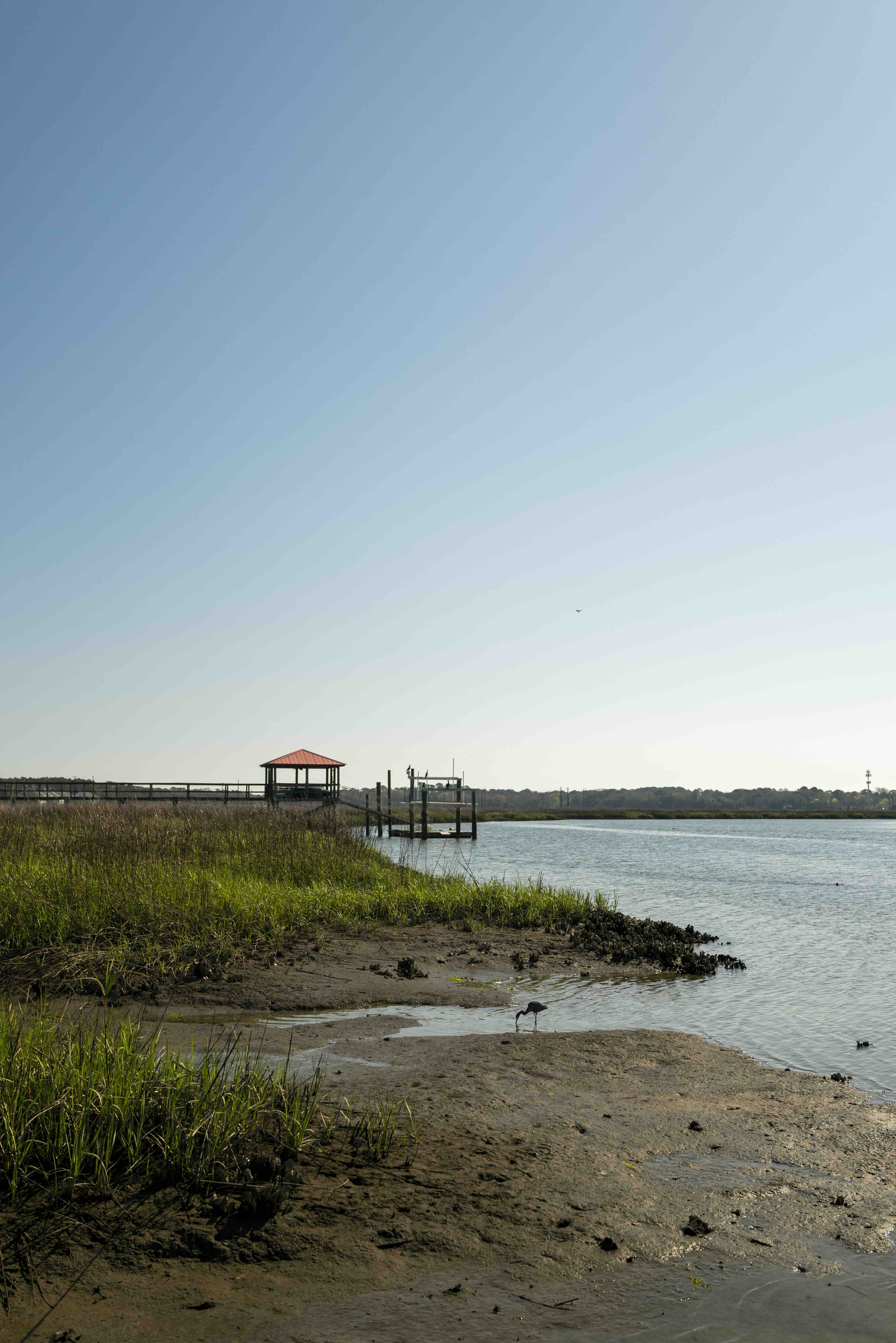
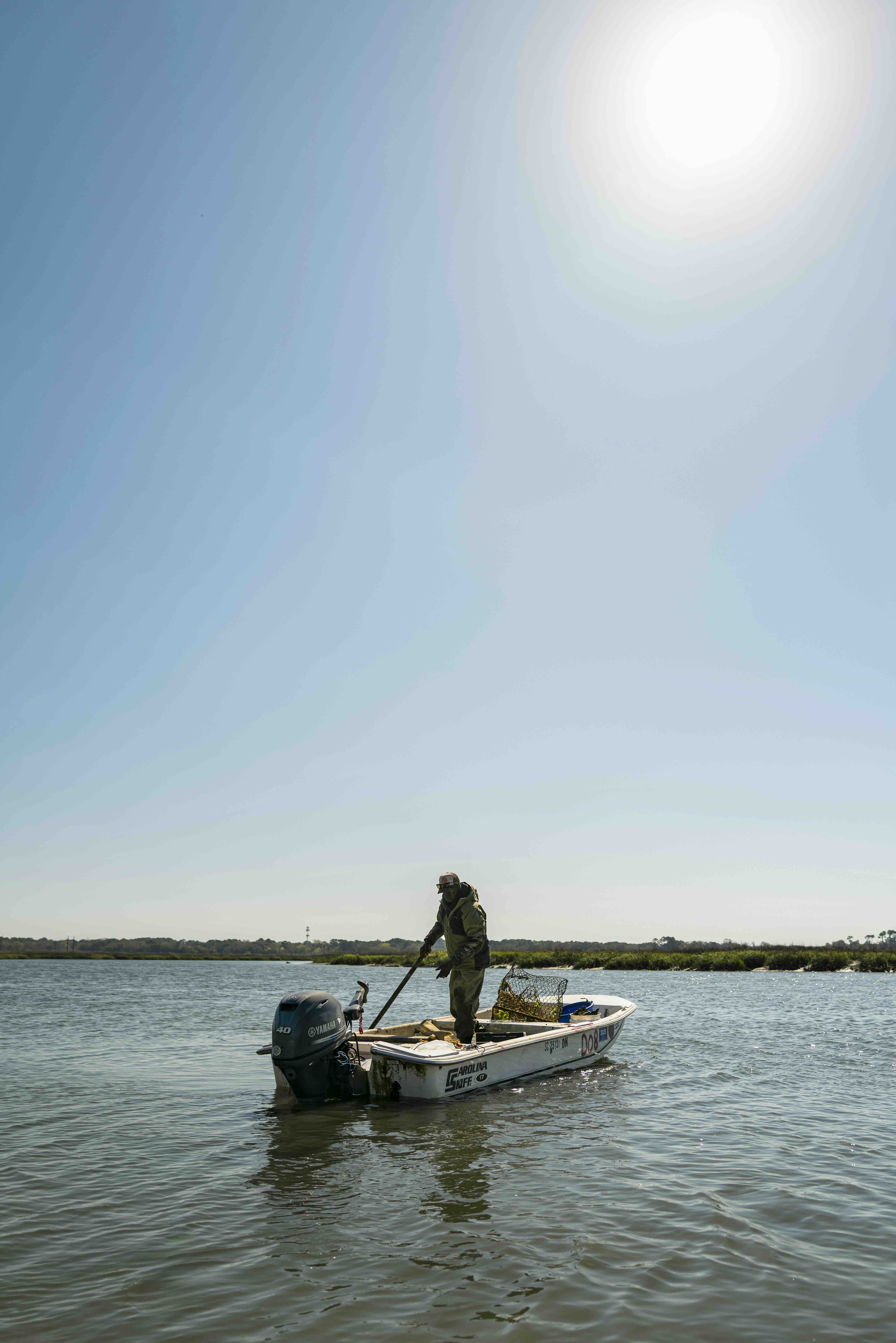
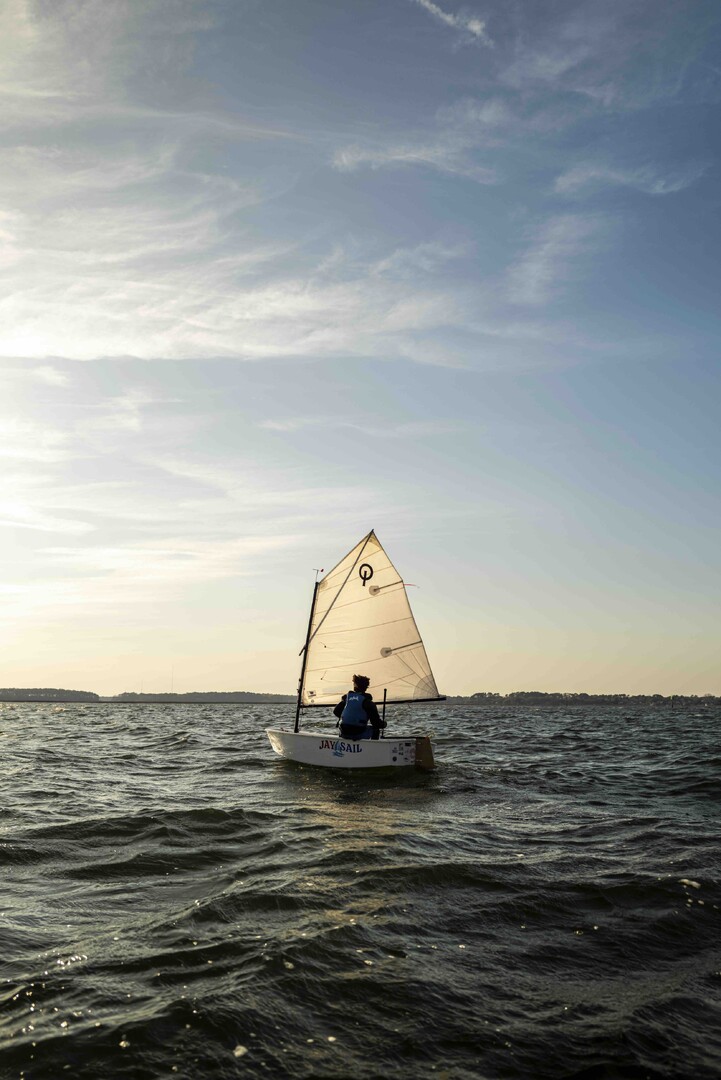
Editorially, the film emphasizes oral history and generational storytelling, allowing themes such as land, labor, faith, and “family ties” to emerge naturally. Visually, the film pairs these narratives with a quiet, observational style, allowing the land of Hilton Head Island to function as a character within the story.
Although externally funded, production and editorial decisions remained independent, with key members of the Gullah community providing final approval. The result reframes destination marketing as cultural stewardship—demonstrating that authenticity and emotional depth are the most powerful forms of engagement.
The response from the Gullah community confirmed that this approach succeeded. The film premiered on Hilton Head Island during Black History Month before an audience of more than 300 members of the Gullah community. The overwhelming turnout and emotional reception affirmed that the story was told with care, authenticity, and respect.
Elders, local leaders, and those featured expressed gratitude for the thoughtful and accurate portrayal of their heritage and lived experiences. The community’s embrace affirmed that the documentary stands as a genuine cultural record—shaped from within rather than interpreted from the outside.
Beyond its local impact, the film has demonstrated that culturally grounded storytelling can also drive broader visibility. Acceptance into seven film festivals across the United States and in London, with submissions pending at more than 25 additional festivals throughout 2026, has expanded awareness of Hilton Head Island’s Gullah heritage far beyond the Southeast.
By prioritizing trust and emotional depth over traditional promotional tactics, the project built credibility locally while elevating awareness globally. It preserved living history, strengthened community relationships, and created a meaningful platform for voices that deserve to be heard.