In 2025, the U.S. immigration system faced an unprecedented moment, as foundational protections like due process were under sustained strain and families across the country lived under increasing fear. Immigration judges were dismissed as court backlogs grew, access to legal representation was weakened, detention expanded, and ICE increasingly conducted enforcement in spaces that people once considered safe. At the same time, misinformation and hate-driven narratives about immigrants spread rapidly online, distorting facts and deepening confusion.
For immigrant families and their allies, the stakes were immediate: uncertainty about rights, prolonged detention without bond, diminished access to counsel, and an increased risk of family separation. Audiences needed more than breaking news—they needed verified information grounded in reporting, data, and real legal analysis, along with clear pathways to solutions.
The Vera Institute of Justice, joined by a growing coalition of advocates, activists, and storytellers, was uniquely positioned to meet this moment. In addition to advancing legislative solutions such as New York’s Access to Representation Act and the federal Fairness to Freedom Act, Vera produced in-depth research and reporting that documented how immigration enforcement actually functions on the ground.
Vera sought to defend due process and dignity by:
How the Campaign Came to Life
This campaign was built on a foundation of original research, analysis, personal stories, and policy expertise.
Vera’s long-form journalism and policy analysis—covering issues such as the denial of bond to prolong detention, record-high detention levels, ICE enforcement tactics in both small towns and major cities, and the role of lawyers fighting deportation on the front lines—served as the source material for the campaign’s social storytelling. This reporting did not live in isolation; it was intentionally translated into short-form video, explainers, carousels, and interactive content that audiences could understand, share, and act on.
To ground storytelling in evidence, Vera drove audiences to ICE Detention Trends, a publicly accessible data platform tracking national detention patterns. By pairing lived experience and reporting with real-time data, the campaign showed audiences not only what was happening, but how widespread and systemic the harm had become.
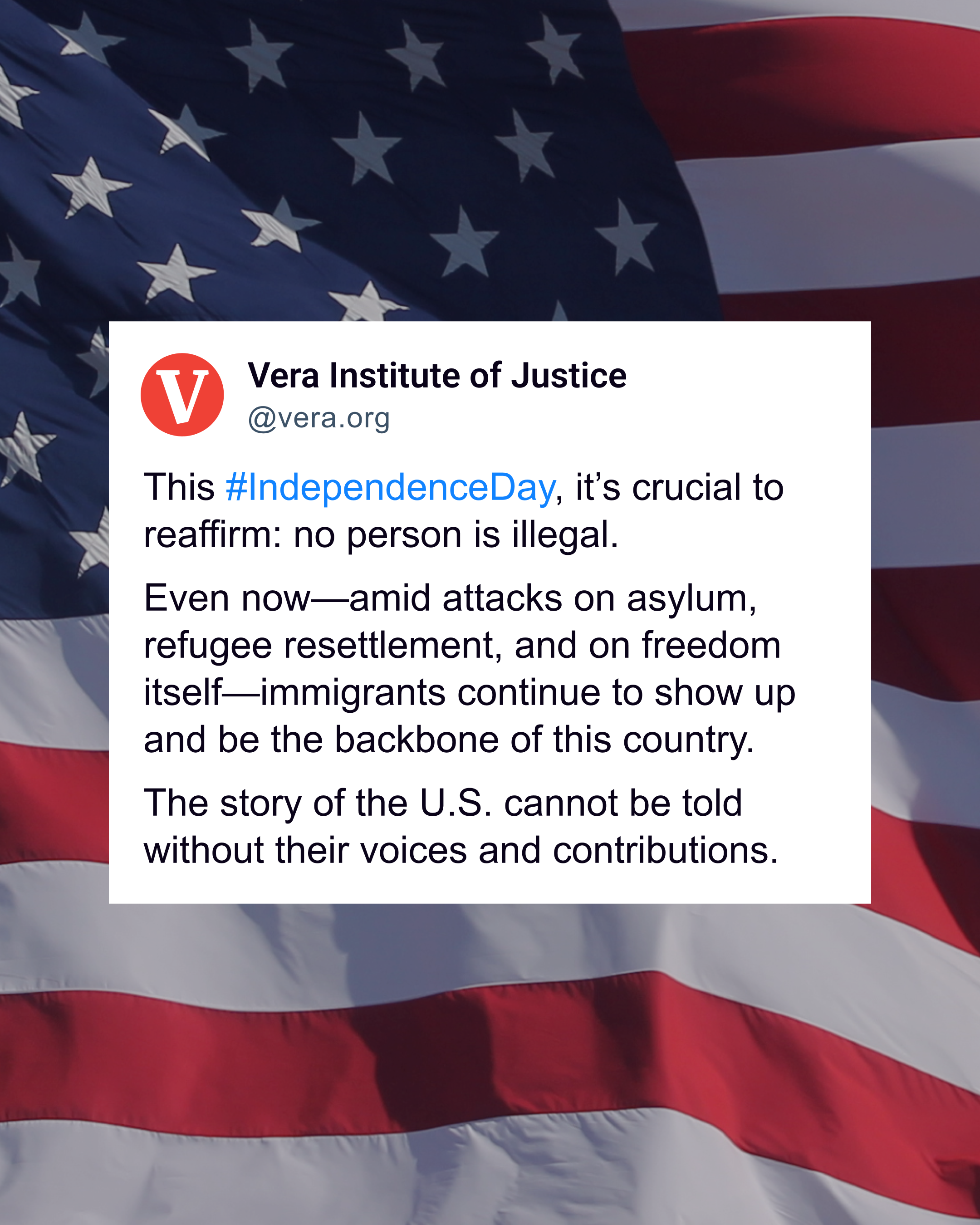
Across platforms—including Instagram, TikTok, LinkedIn, X, Threads, Facebook, and Bluesky—Vera documented expanded detention, enforcement in protected spaces, mounting court delays, and shrinking access to counsel. Each piece of content connected these realities back to a core democratic principle: everyone deserves a fair day in court.
Education was practical and immediate. “Know Your Rights” content addressed ICE encounters directly, while explainers unpacked terms like due process, asylum, and bond in plain language. Creative storytelling led with shared values—fairness, dignity, and family unity—while naming harm clearly and responsibly.
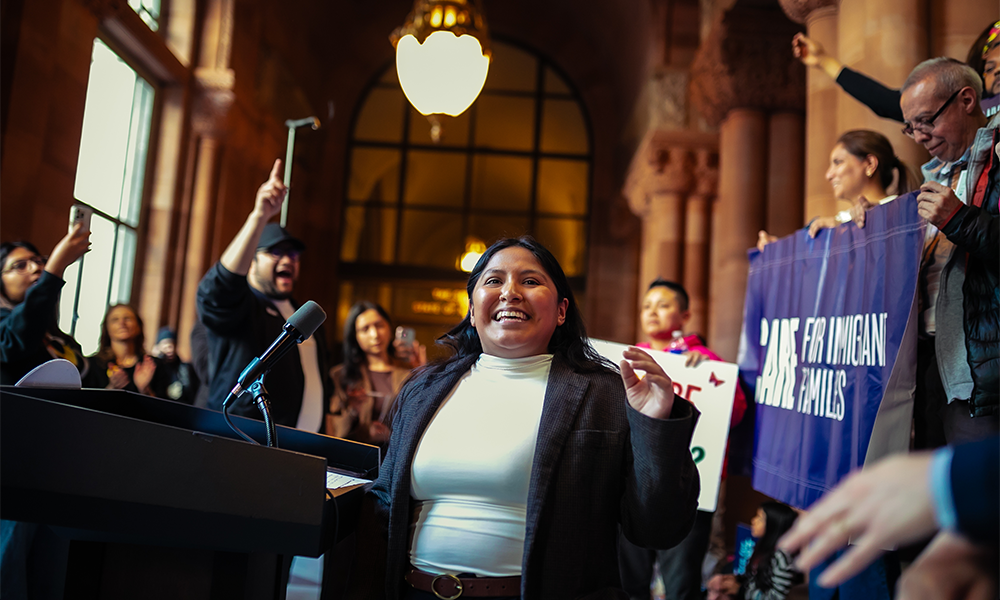
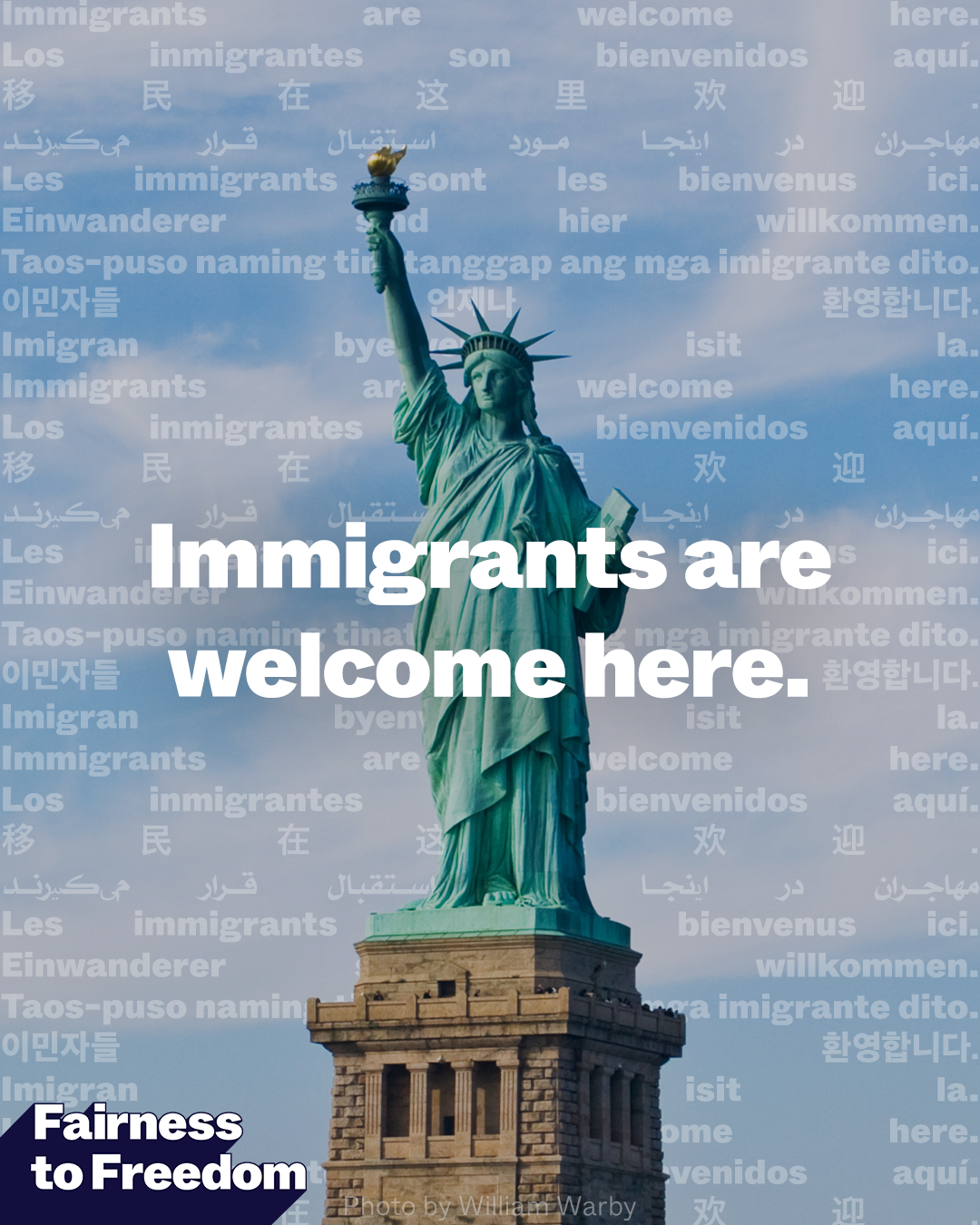
Crucially, education was always paired with solutions. Content highlighted legislative pathways audiences could support, including the Access to Representation Act, which would guarantee legal representation for people facing deportation in New York State, and the Fairness to Freedom Act, which would end unnecessary immigration detention at the federal level. Calls to action invited audiences to advocate, send letters, support legal service providers, and participate in coordinated digital days of action.
Why This Matters
Due process is not abstract—it determines whether families stay together or are separated, whether people have counsel or face detention alone. Vera’s campaign demonstrated that research, storytelling, and legislative action can intersect to defend dignity, inform the public, and mobilize real-world change.
Challenges
The campaign unfolded amid a system in crisis: detention was expanding, court access was shrinking, and families risked separation daily. At the same time, social media accelerated fear, misinformation, and confusion. Vera’s challenge was to translate complex research into clear, compelling stories that cut through the noise, empowered audiences, and provided actionable pathways to protect families and uphold due process.
Grounding social storytelling in reporting, data, and policy pathways produced measurable impact for immigrant families and the people supporting them.
In a moment when fear and misinformation spread quickly, this campaign proved that rigorous reporting paired with accessible, values-driven storytelling can mobilize people, defend due process, and help keep families together.