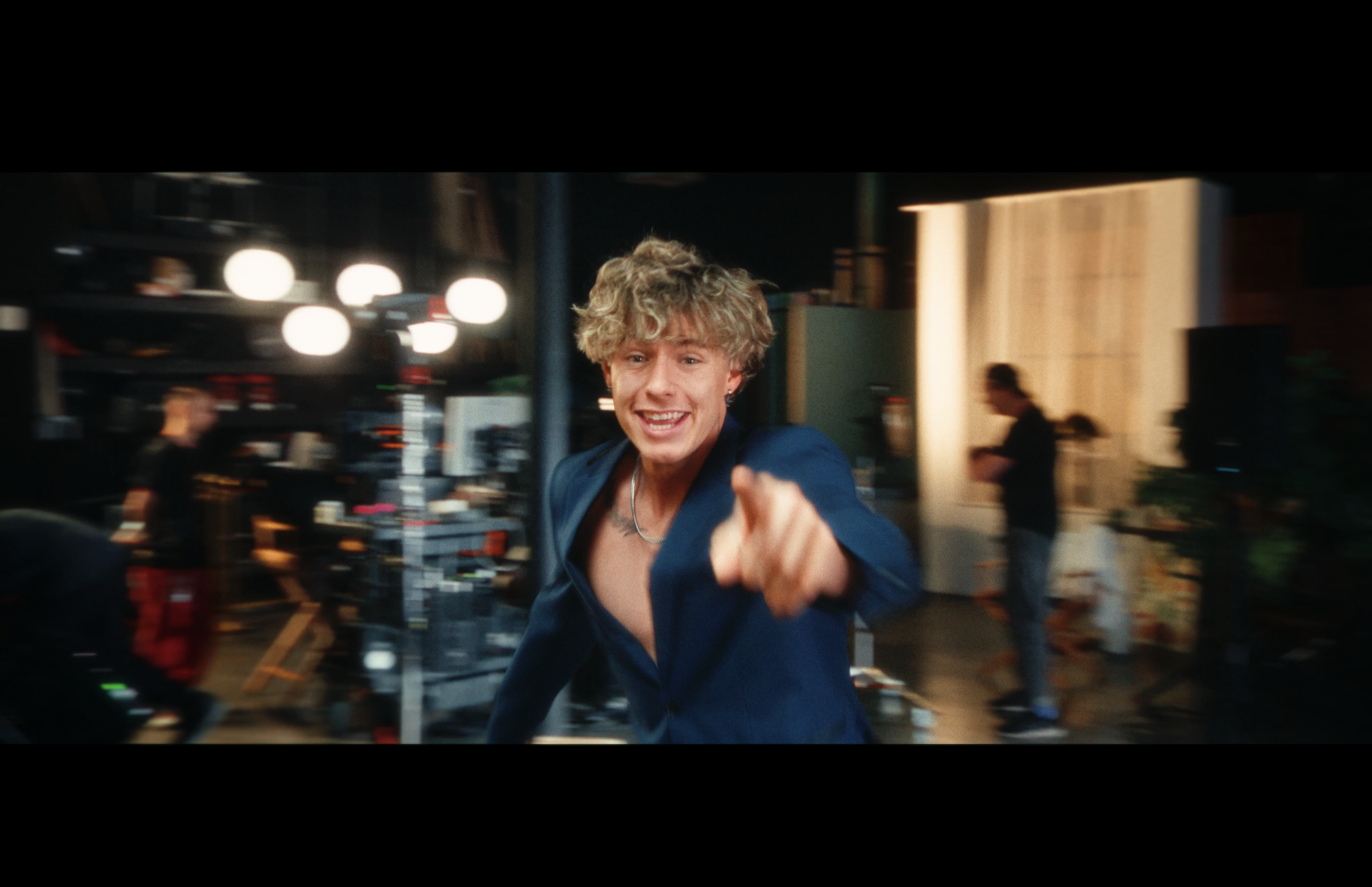
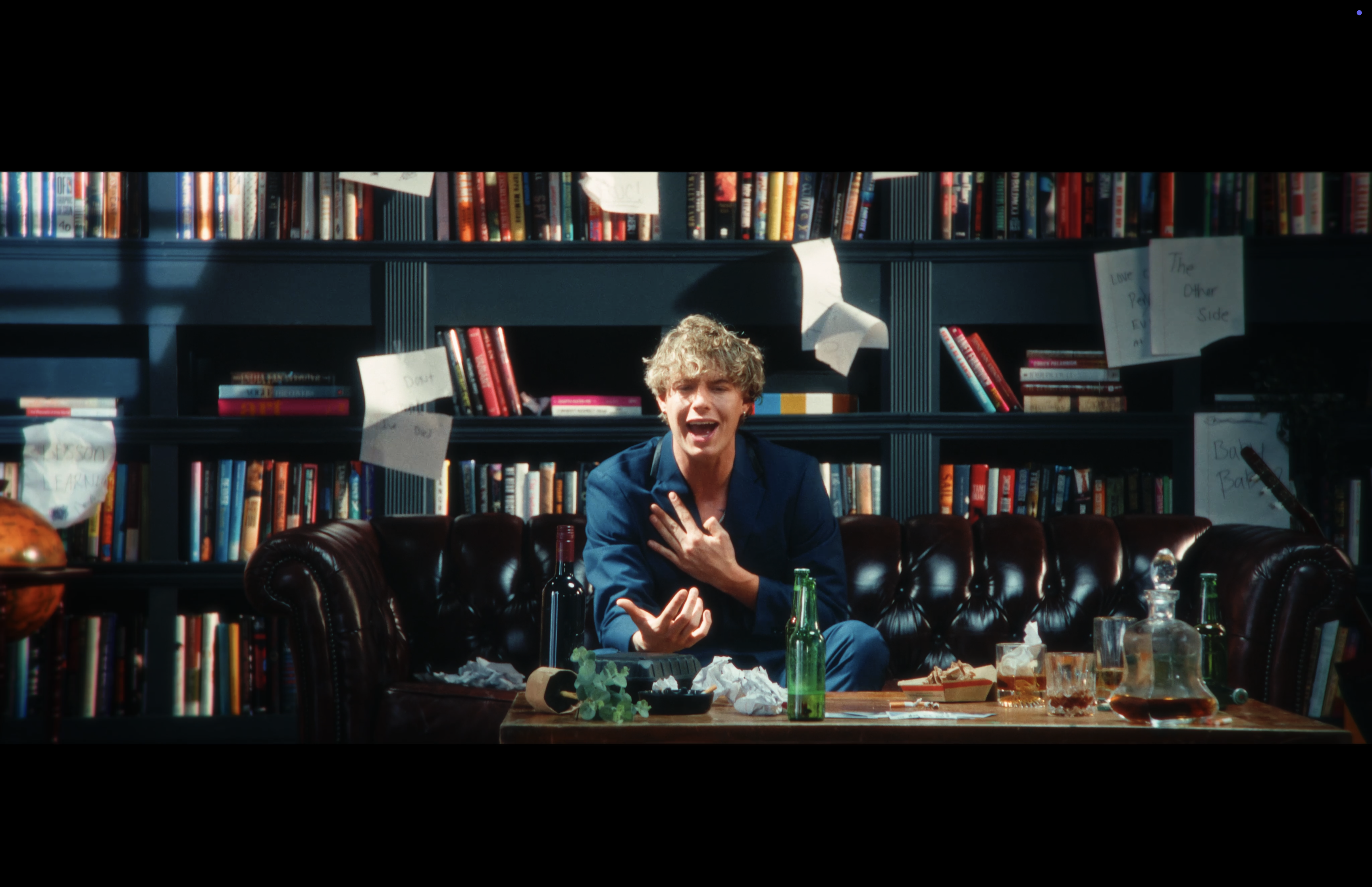
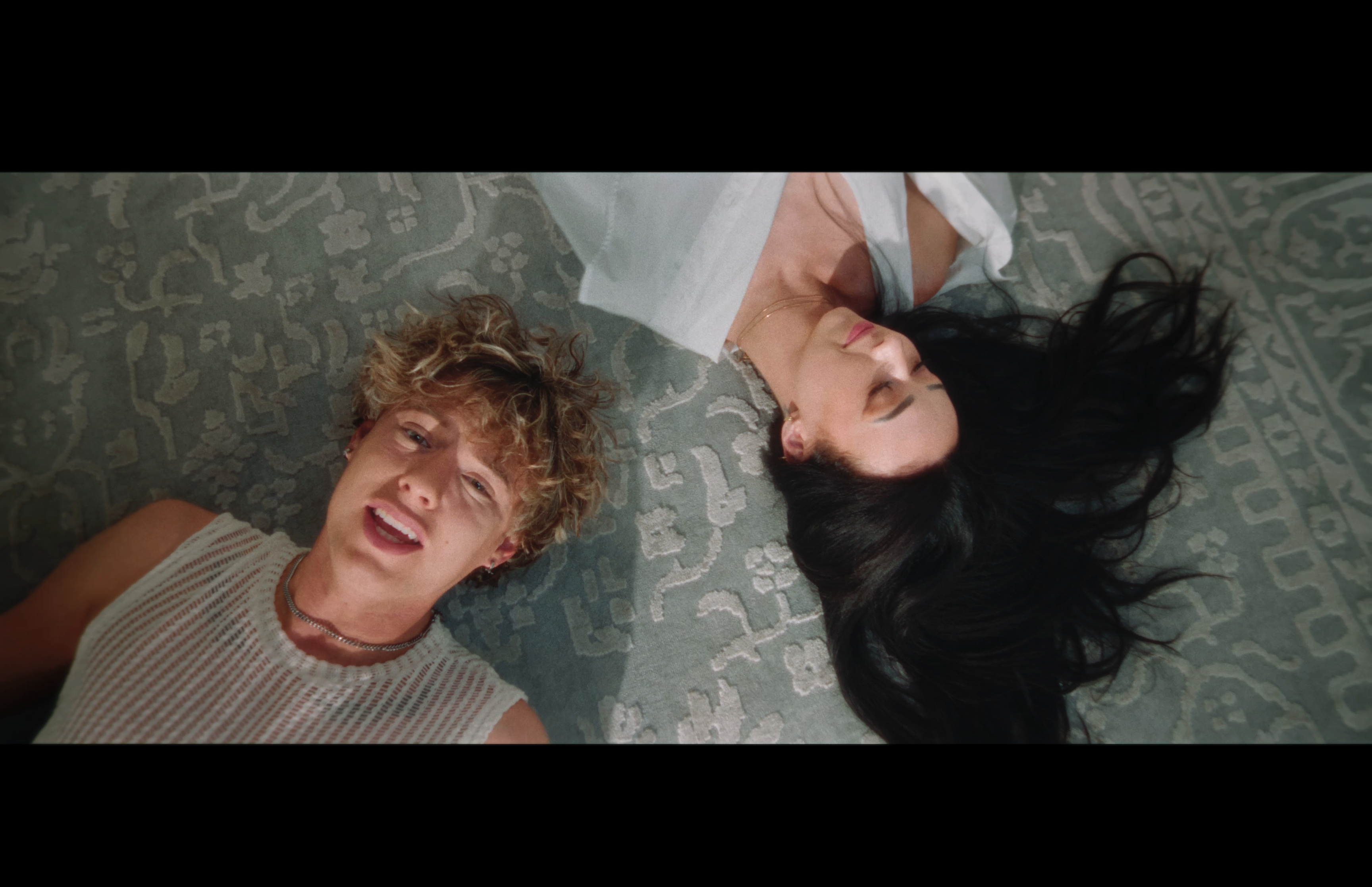
Make the “impossible” one‑shot music video for artist Mackenzie Sol happen.
Deliver a single, continuous take—no cuts, no VFX, no green screen—shot entirely in one studio on a compressed eight‑day schedule. The camera never stops moving while the production flows through multiple sets, live wardrobe changes, and precisely timed performance beats, all locked to the track. Tackle a highly technical concept and translate it into a high‑energy, organic music video that has style, tenacity, and heart while remaining technically impressive.
Execute this by deploying a high‑speed cinema robot on 20 feet of track, programming 1M+ data points, and designing a meticulous choreography of camera, talent, wardrobe, lighting, and practical transitions that reads effortless on screen. Success means audacious engineering that serves the song: a fluid, immersive visual narrative where each frame syncs perfectly yet breathes with human immediacy. The tight eight‑day timeline and single‑studio constraint raise the stakes—rapid build, intense rehearsals, precision programming, and one focused shoot day—to produce a one‑shot that feels inevitable despite being nearly impossible.
The Most Unique Pre-Production
To bring this concept to life, we designed a pre-production process unlike anything we’d seen before. We began by breaking down the track into a frame-accurate timeline: every second of the 3:52 song was divided into 23.98 frames, totaling 5,563 frames. We then previsualized every movement—where the talent would be, which of the three sets we’d inhabit at each moment, what would be in each space, and how the camera could interact with it all. From there, we mapped a single, continuous camera move across the entire track.
The result: a camera move perfectly synced to the music, with each section of the move occurring in a different set, with different furniture and props, while the talent is constantly in motion—yet it all feels seamless.
The Tech
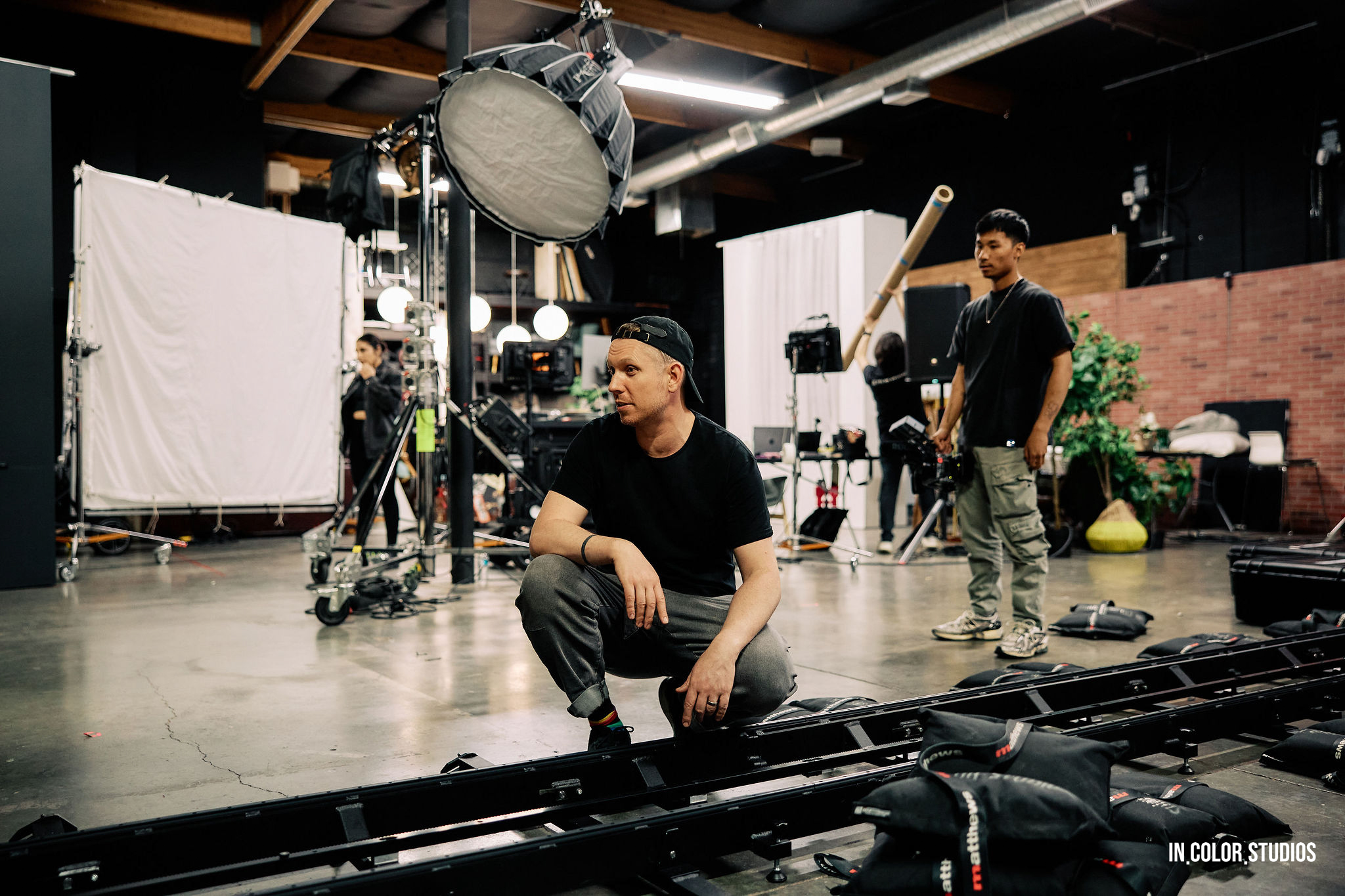
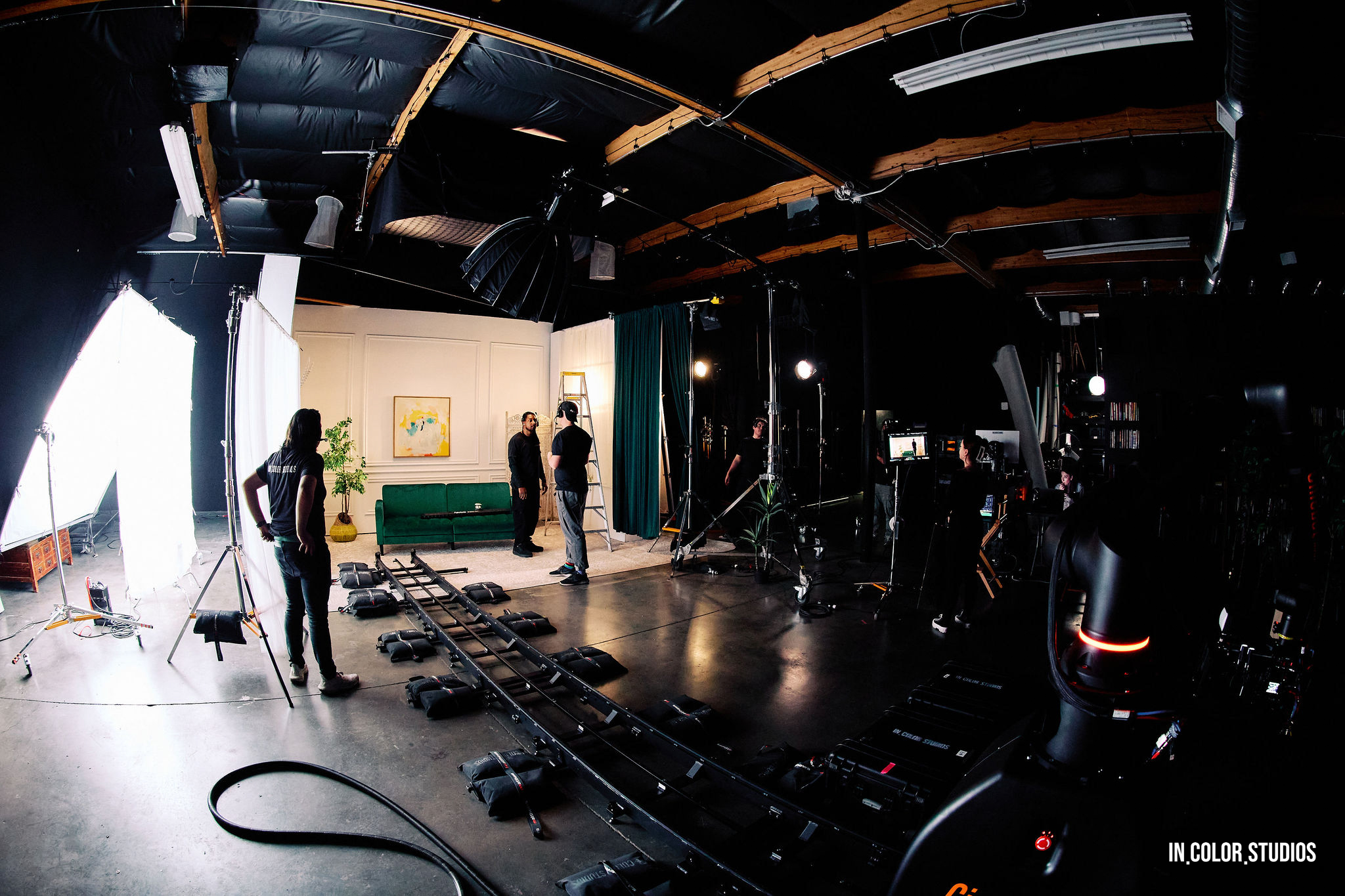
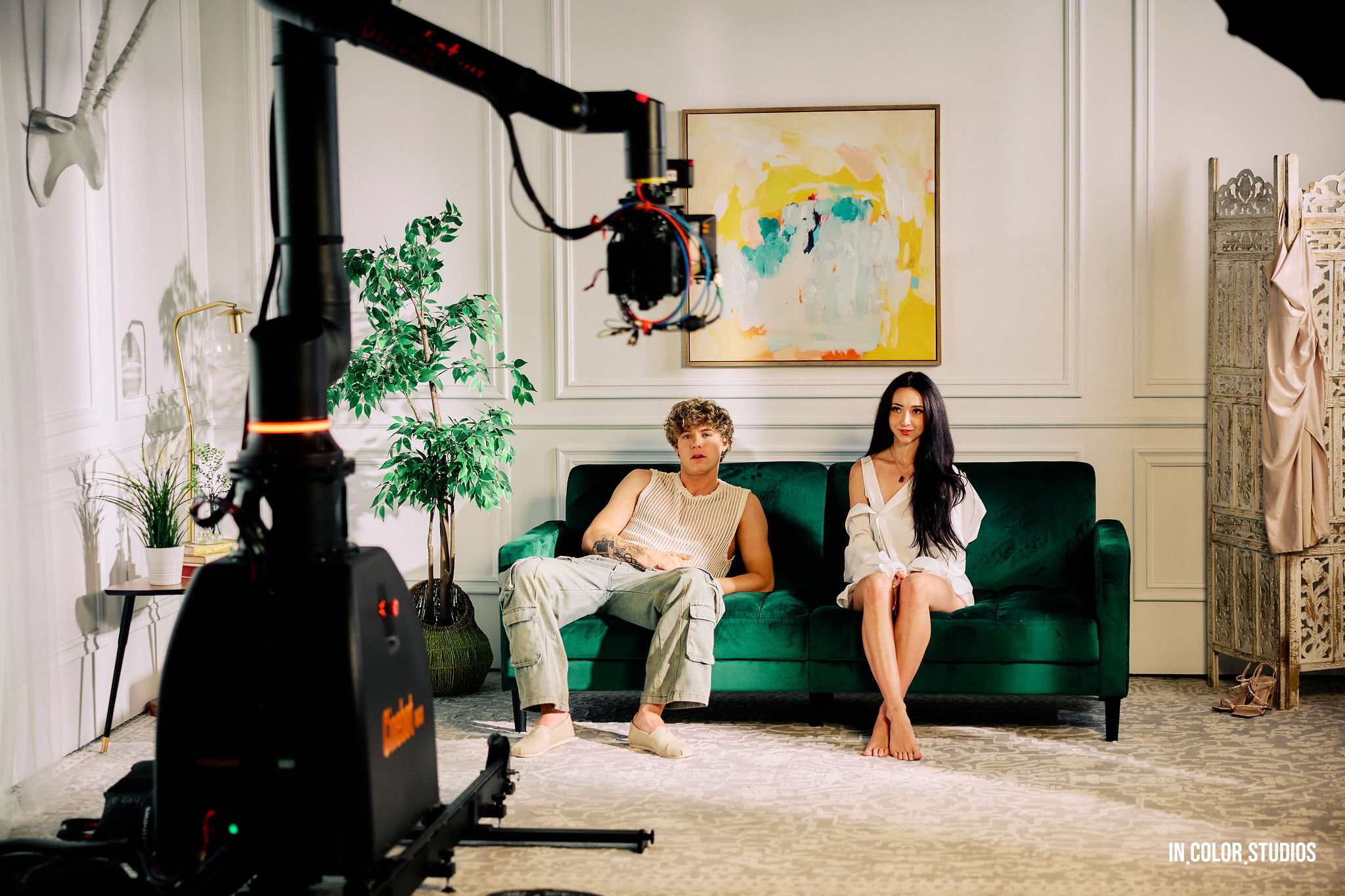
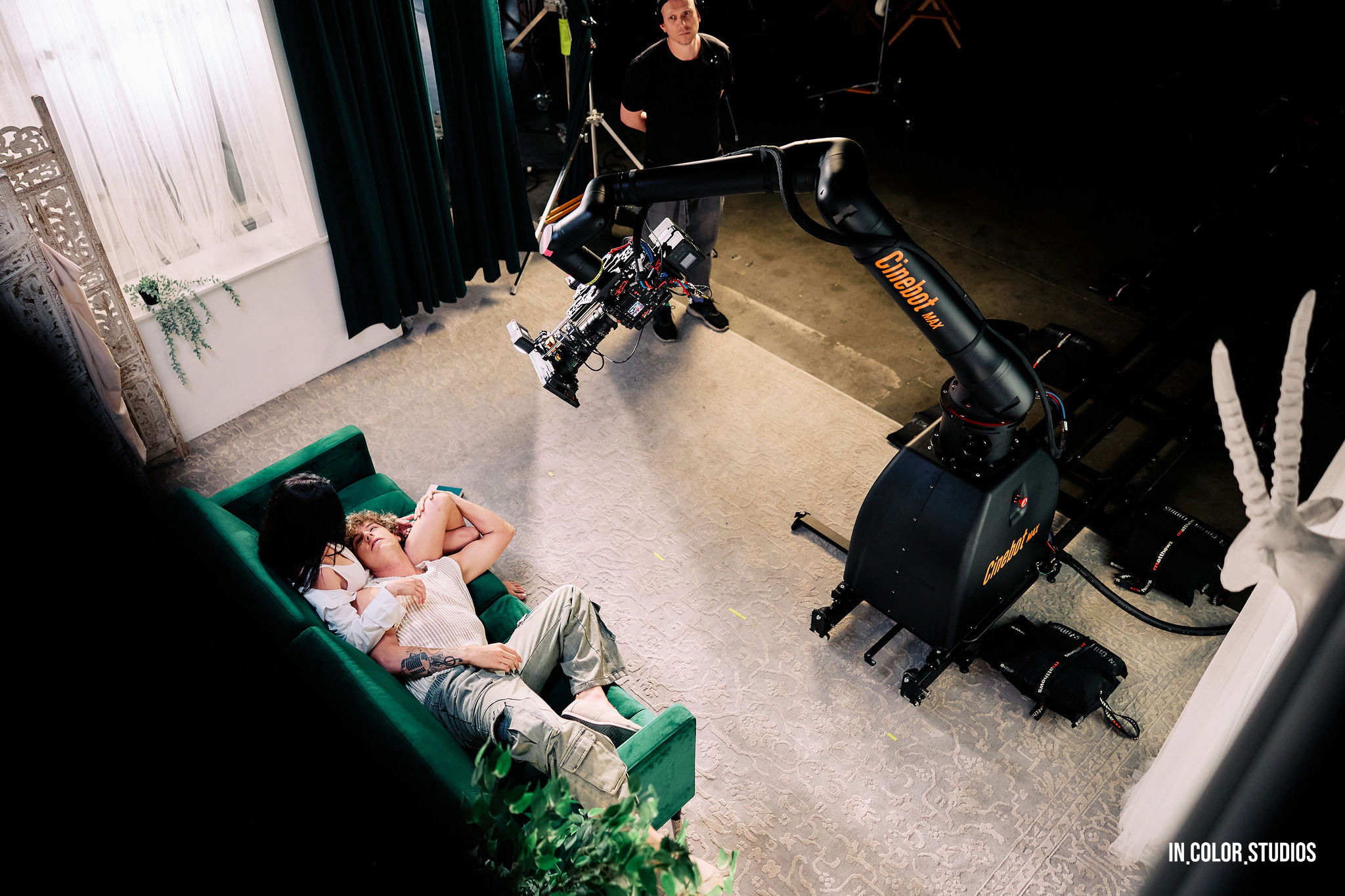
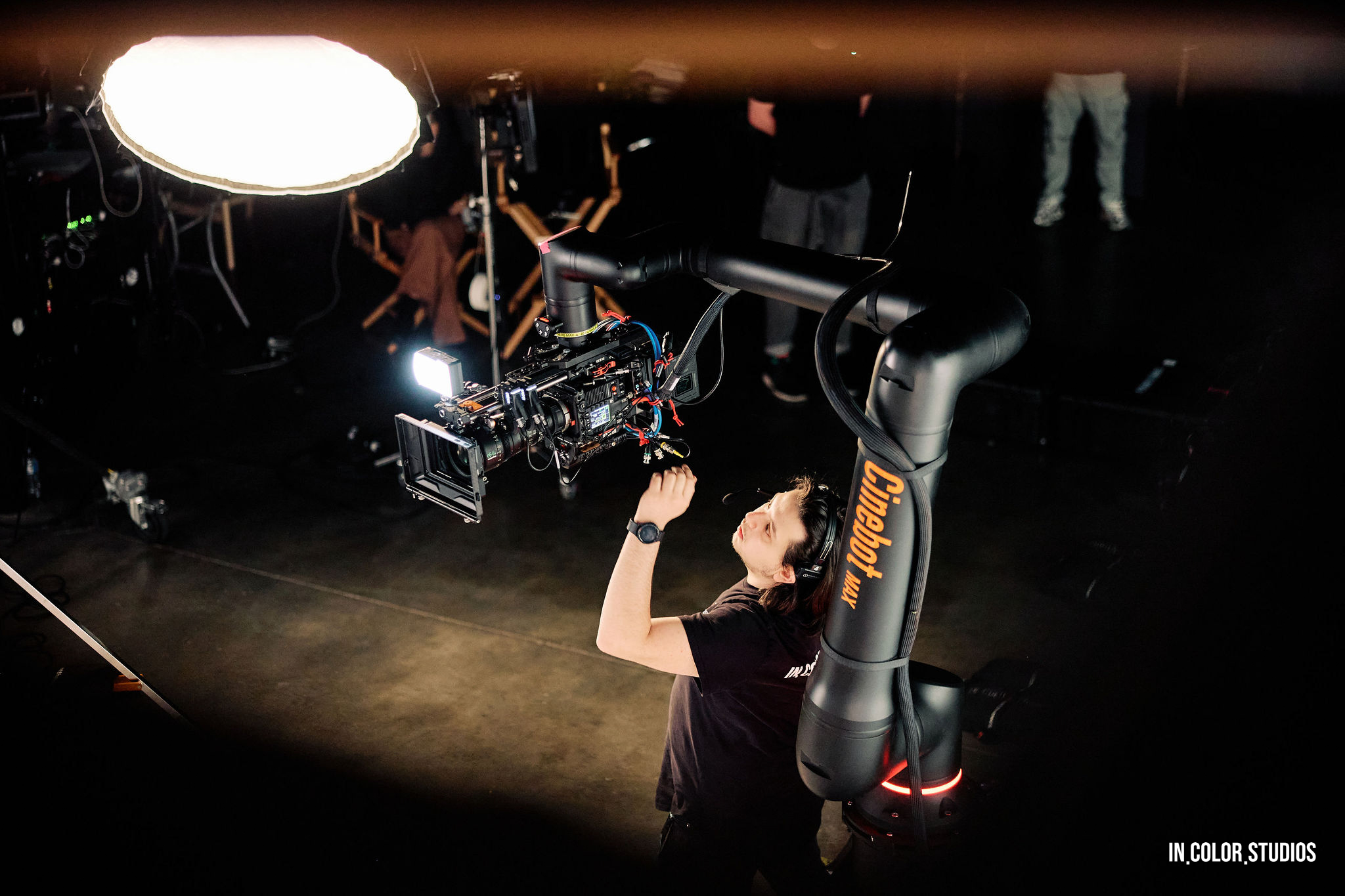
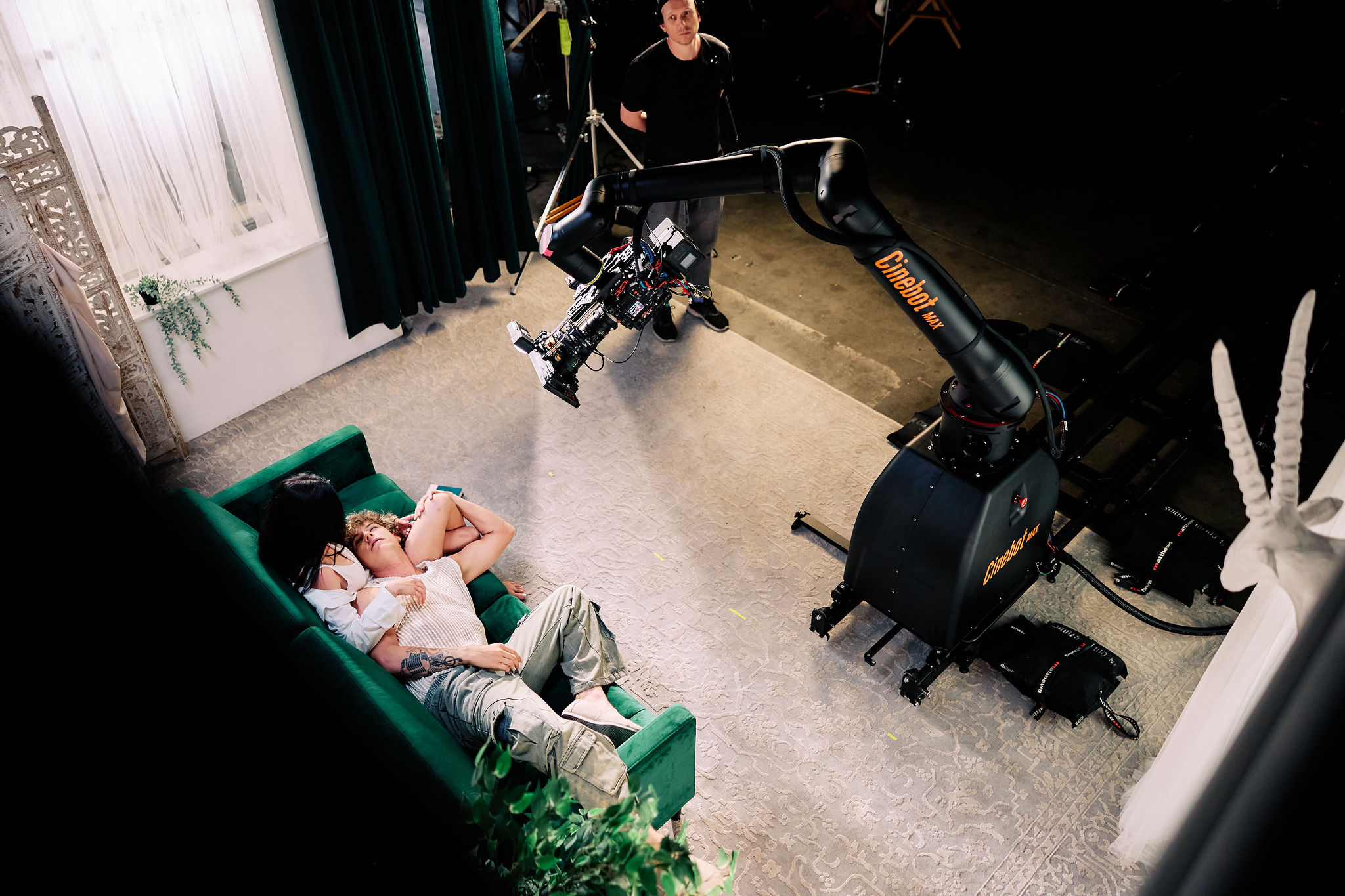
To execute this nearly impossible move, we used a Cinebot Max on 20 feet of track. This 7-axis robotic arm can carry a 50 lb camera package and deliver frame-accurate moves that place the camera, zoom, and focus in precise positions in 3D space. It took four days to program and generated over one million data points for the final move.
Despite the technical complexity, it was essential that the final video feel organic—not robotic.
The Set
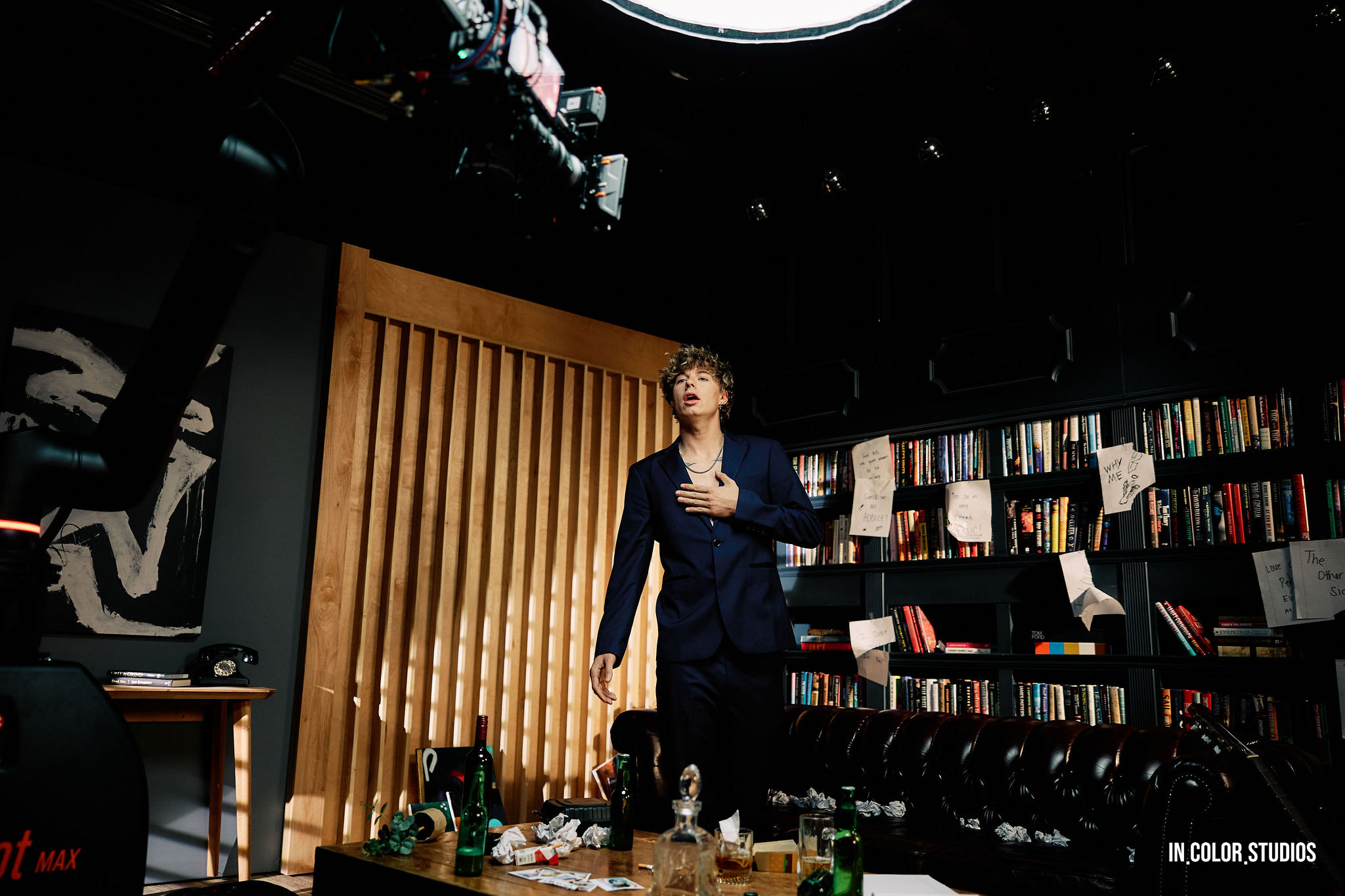
We built three distinct sets, each constructed around the robot and its track to allow uninterrupted transitions while the camera was moving. At the end of the video, we reveal the full studio, exposing the practical sets and remnants of each environment in the background—proving it was all done in-camera, with no greenscreen.
One-Day Shoot
Although programming took four days, the entire video was filmed in just one day. All three sets were built, dressed, and lit differently to heighten the sense of traveling between unique locations.
Working with Talent
Our artist, Makenzie Sol, had to deliver a natural, high-energy performance while interacting with a high-speed cinema robot. He consistently hit precise marks, engaged safely and confidently with the robot, and collaborated closely with the technical and creative teams to stay perfectly in sync.
The Results
The finished music video is both a technical milestone and an organic, high-energy visual experience—proof that highly advanced production techniques can fully support, rather than overpower, creative vision when an entire team is aligned.
This music video succeeded because it married a bold technical approach with genuine emotional and sensory storytelling. The core concept—using a robot-driven rig—could easily have felt cold or clinical, but the execution never did. Continuous, fluid camera motion, carefully choreographed talent beats, and layered set design and lighting created a living, cinematic world that felt tactile and immediate. Every technical choice (robot paths, programmed focus pulls, and timing) served the song’s emotional arc rather than calling attention to itself.
A key challenge was keeping the work organic despite heavy preplanning. That was solved through close collaboration between director, DOP, movement coach, and the robotics team: motion curves and rehearsal informed human performance, and lighting and practical textures masked the mechanical precision. The result kept spontaneity and nuance—micro-expressions, reactive shadows, and imperfect physicality—that made viewers feel present in the scene.
Finally, the rapid development and shoot schedule—idea on Thursday, build Monday, shoot Friday—demonstrated creative decisiveness and strong production discipline. The combination of innovative tech, thoughtful design, and tight collaboration turned a risky concept into an emotionally resonant, memorable music video.
We all want to be a part of something we feel proud of, something memorable and something that stretches artistic and techical boundaries. this project did exactly that.