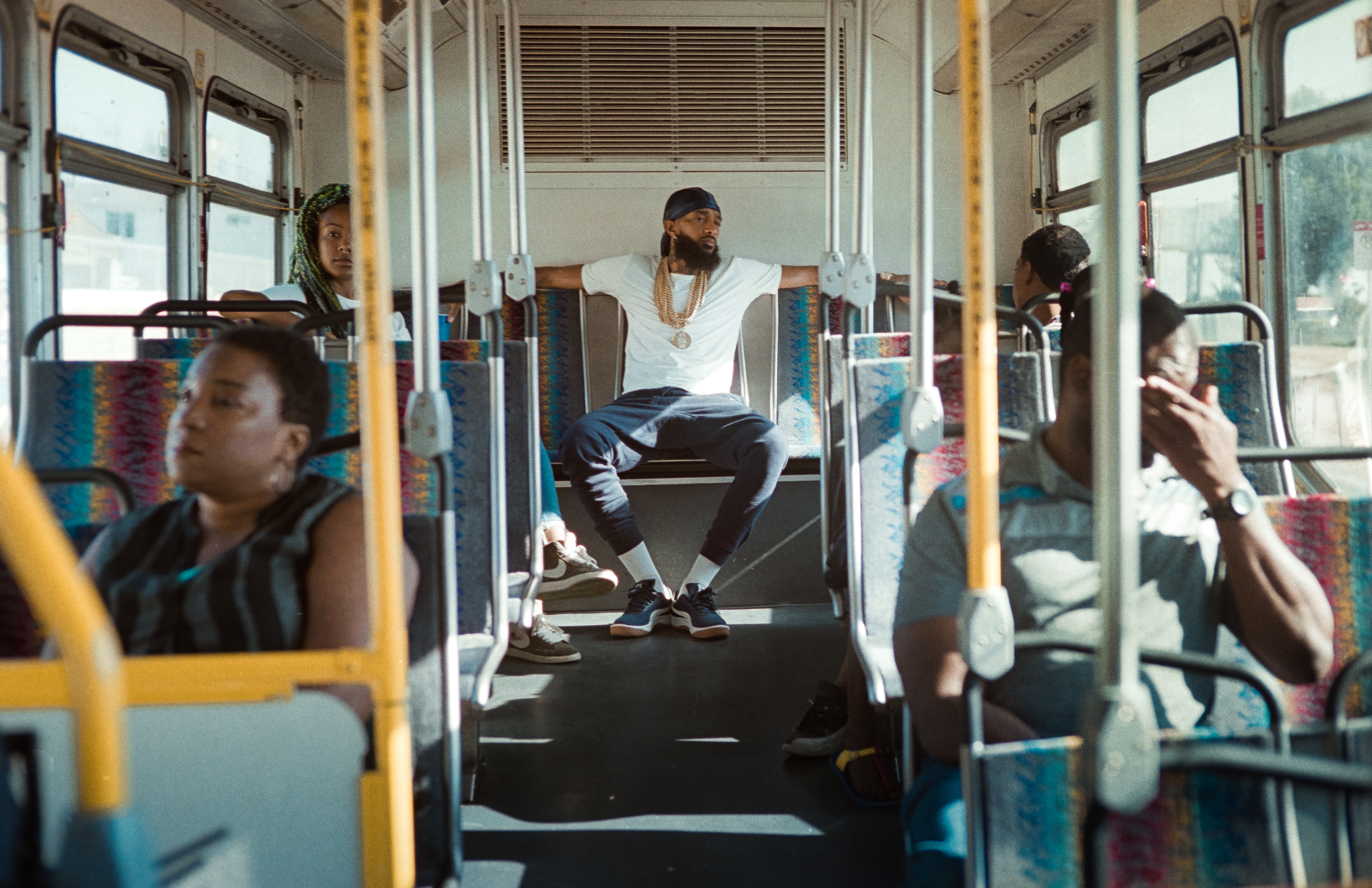
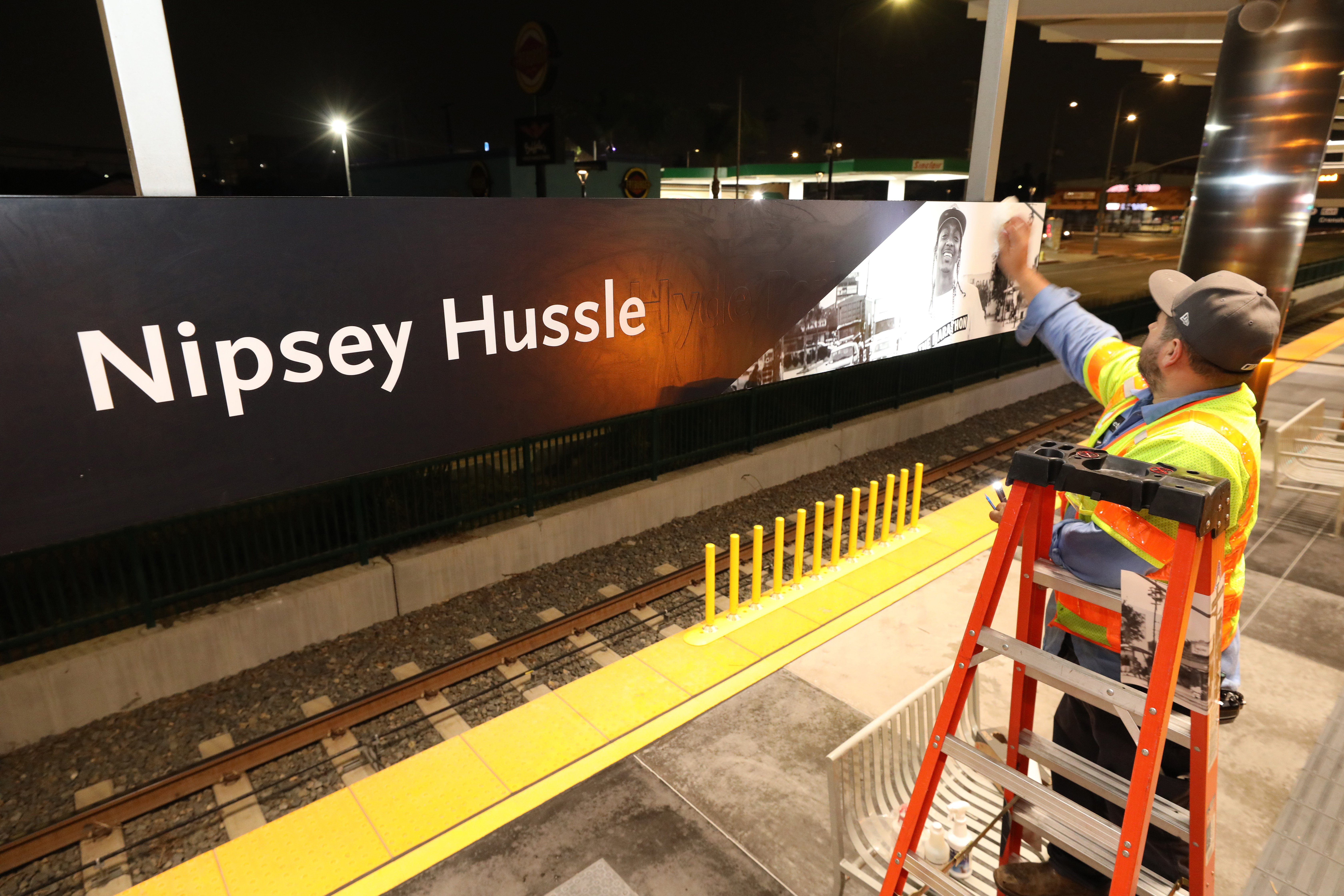
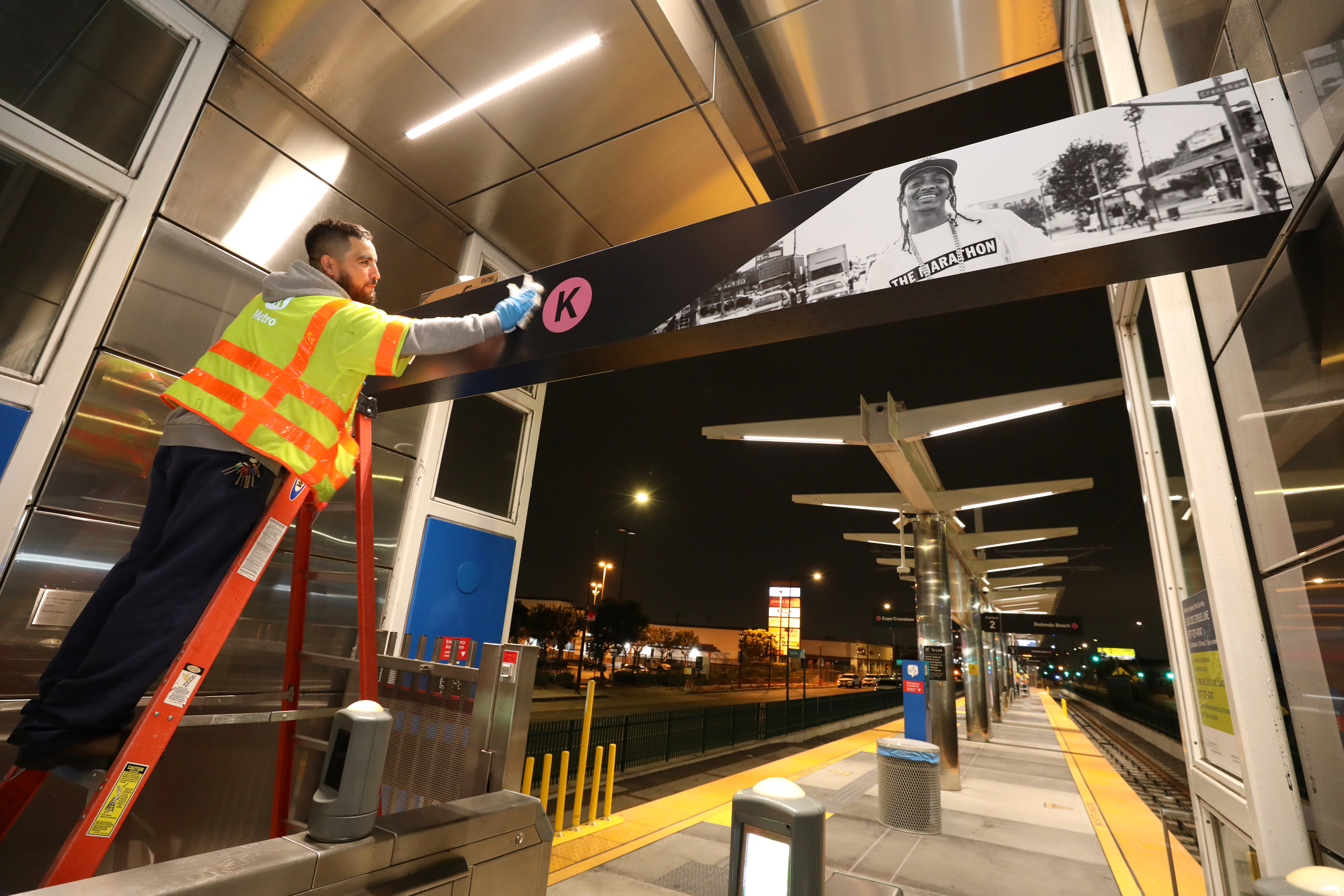
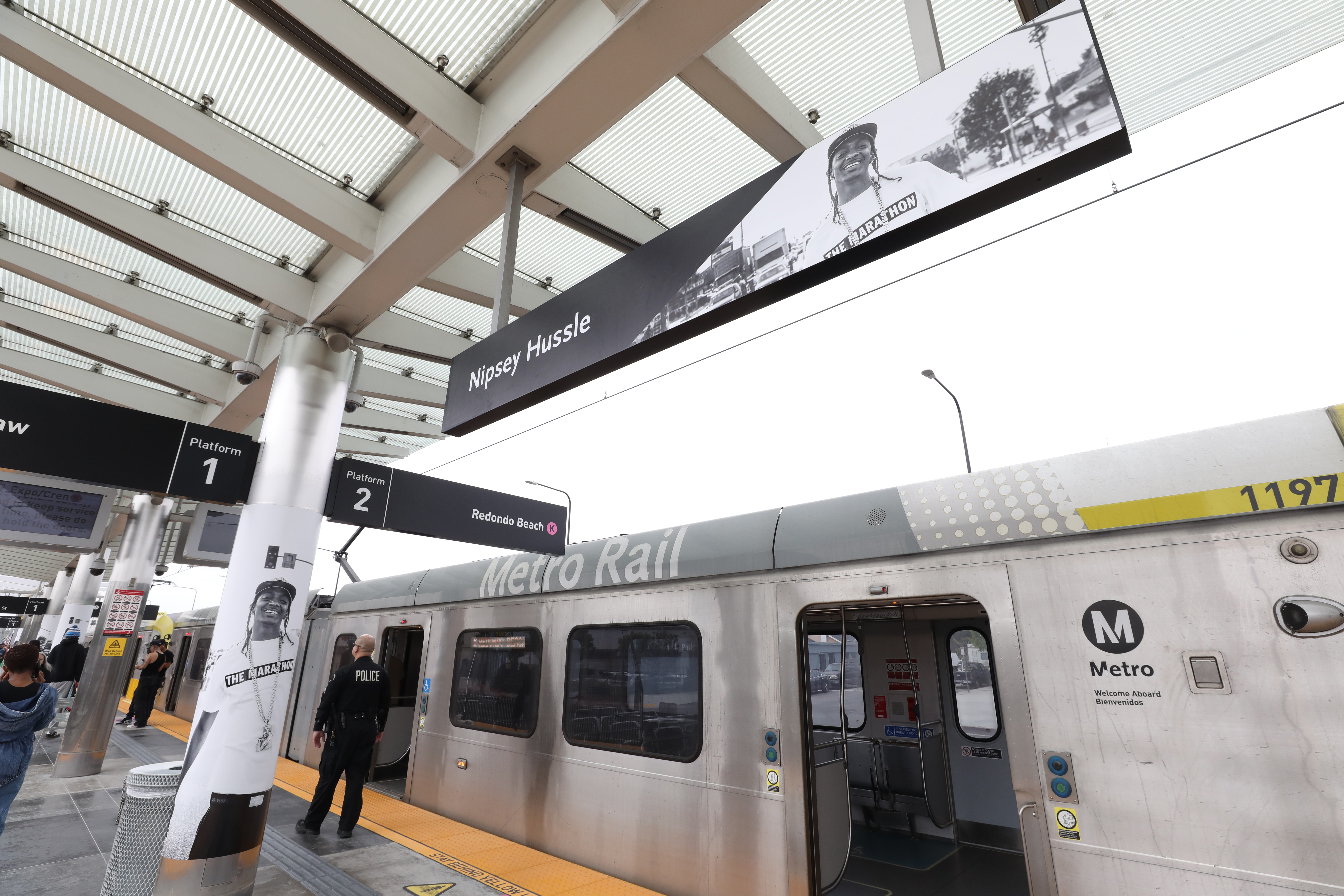
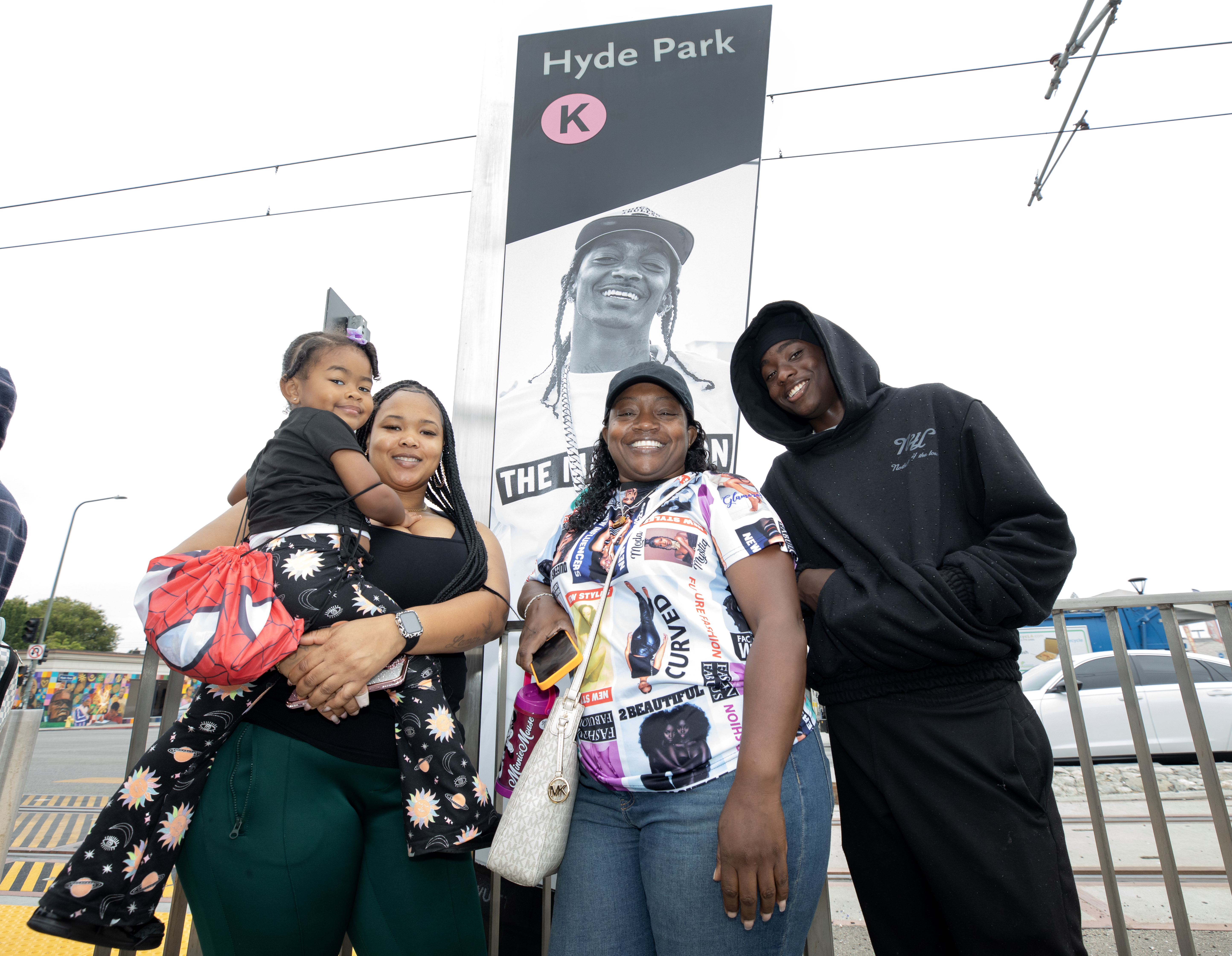
The Nipsey Hussle x Metro culture collaboration was created to transform public transit from a functional service into a symbol of cultural pride, community identity, and civic connection in Los Angeles.
After a representative from Roc Nation, Nipsey's management team approached Metro following an Instagram post highlighting his connection to transit, both organizations aligned around a shared vision: honoring Nipsey’s legacy while inspiring new audiences to see themselves reflected in public transportation.
The initiative aimed to commemorate what would have been Nipsey’s 40th birthday while advancing values he championed: community reinvestment, economic empowerment, youth inspiration, and equitable access.
Metro set out to achieve four primary goals:
In a car-centric city where transit is rarely associated with identity or pride, the collaboration sought to bridge culture and infrastructure, positioning Metro as a civic platform that reflects and celebrates the communities it serves.
Metro and Nipsey Hussle’s family built a values-driven collaboration that treated transit as a platform for storytelling, cultural pride, and access. Rather than a traditional sponsorship, the partnership was developed through a collaborative discovery process to ensure authenticity and community alignment.
A Three-Layer Cultural Activation
To activate the collaboration, Metro deployed a three-layer approach that transformed transit into a platform for culture, pride, and access:
Overcoming Key Challenges
To ensure the campaign’s success, it intentionally tackled several key challenges:
By integrating physical spaces, cultural artifacts, and digital storytelling, Metro created a civic experience that felt organic to culture rather than institutional, shifting transit into the realm of identity, pride, and belonging.
The collaboration generated cultural engagement, media reach, and audience expansion that exceeded expectations.
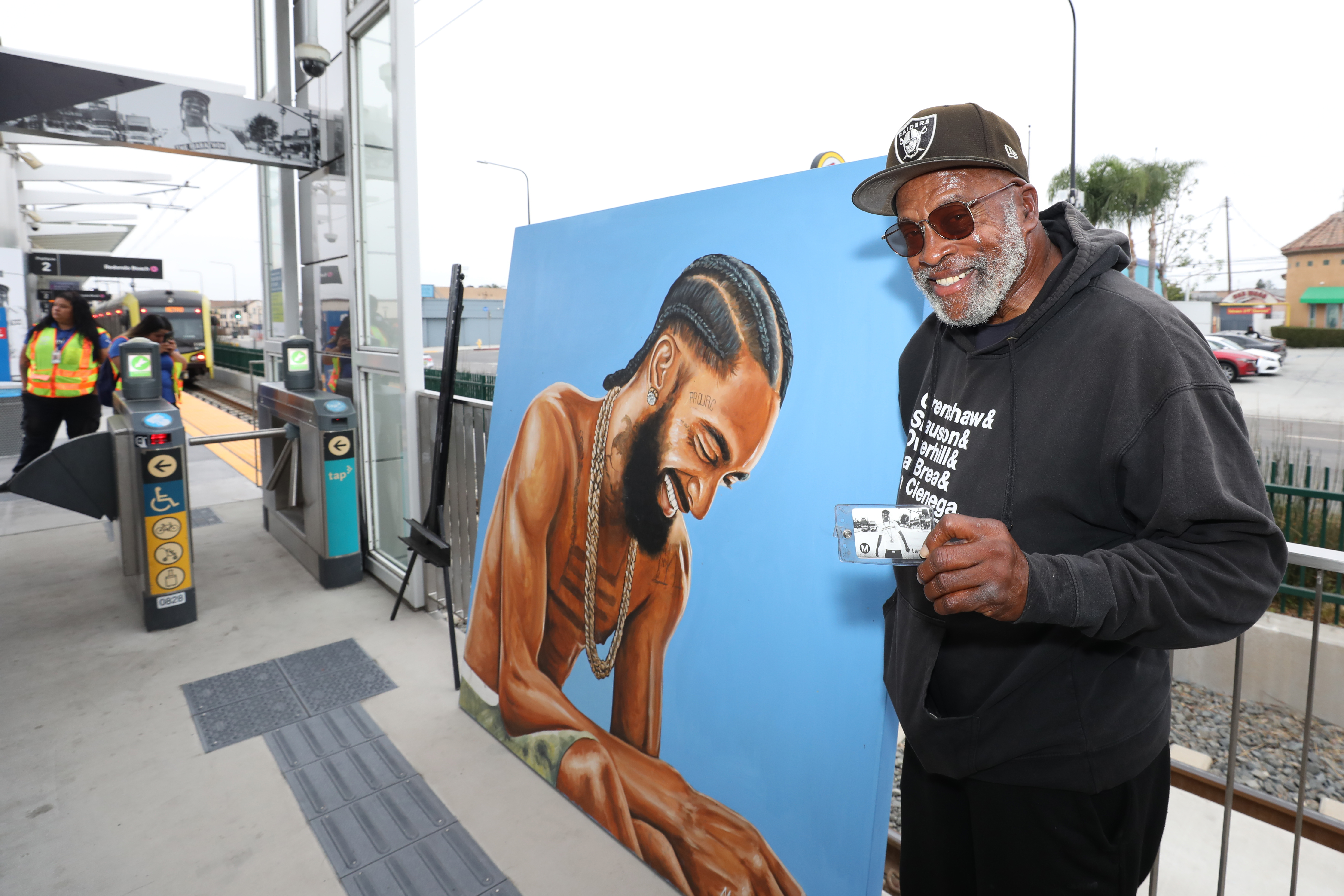
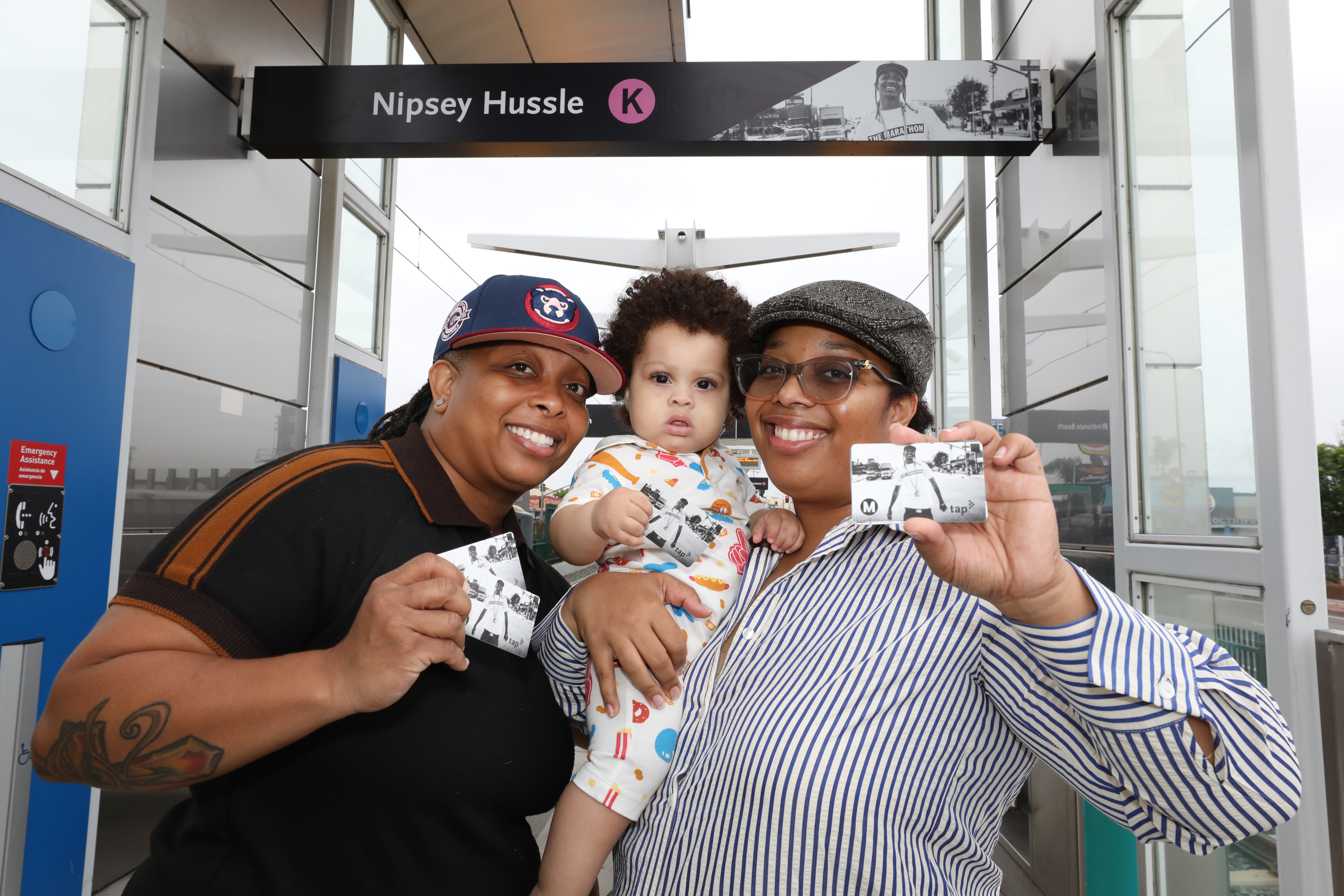
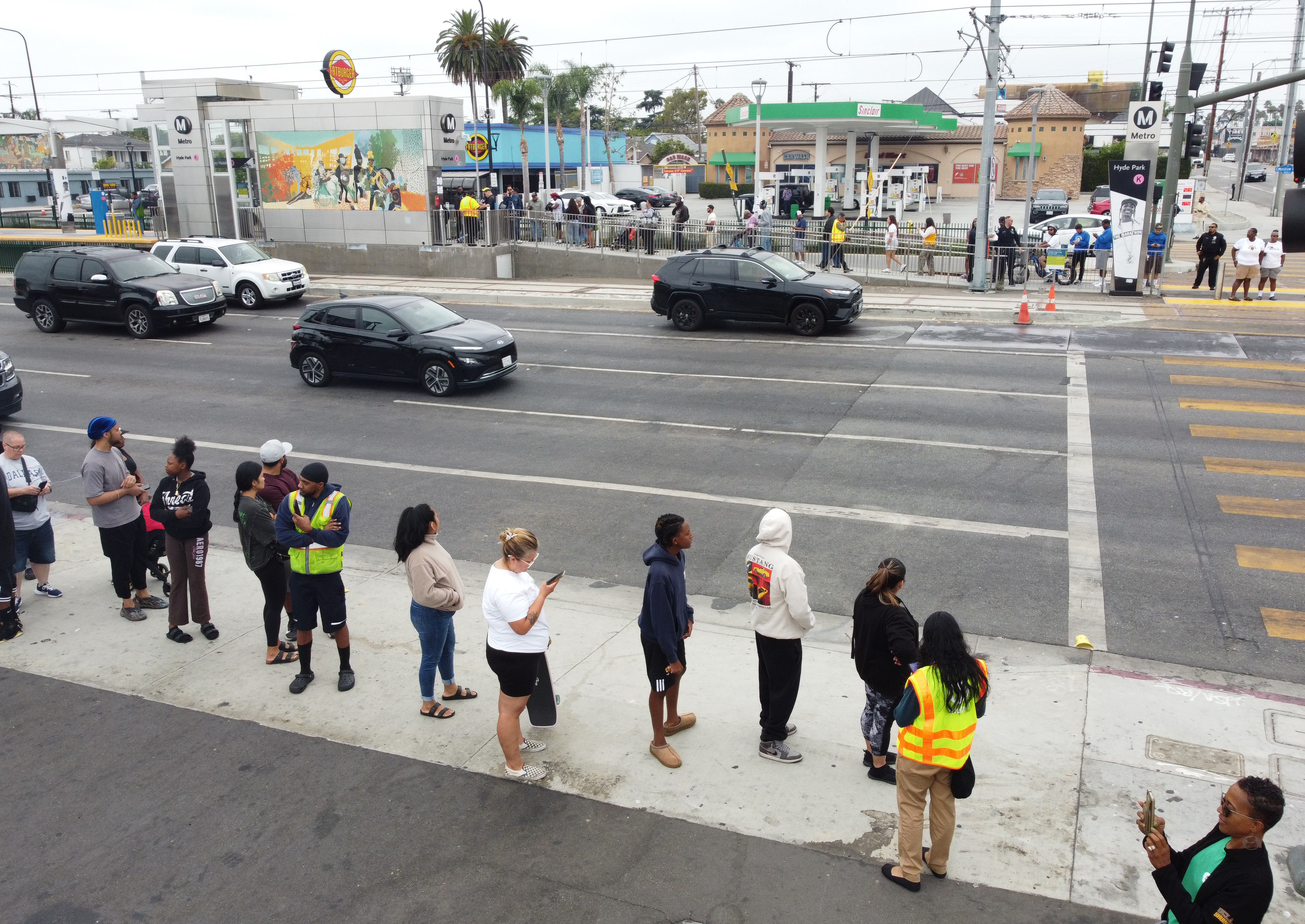
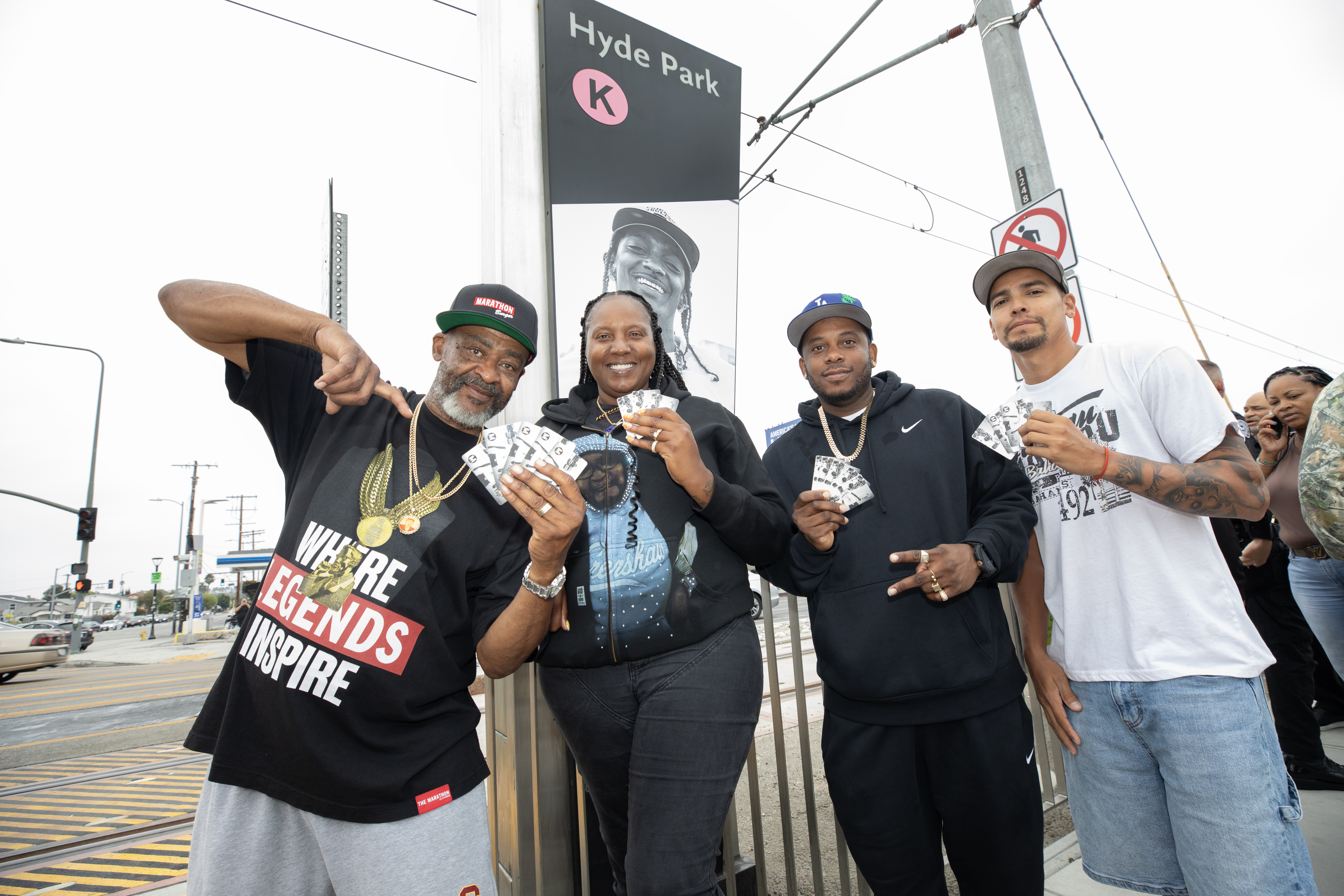
On Nipsey Hussle Day, August 15, 2025, thousands visited the renamed station, and all 12,000 limited-edition TAP cards sold out in five hours across six customer care centers and six TAP vending machines at different stations throughout LA, a response more akin to a sneaker or album drop than a public transit product.
The campaign attracted new audiences: the Nipsey landing page became the 5th most visited page that week, with 99.7% of visitors being new users, indicating successful reach beyond Metro’s existing base.
Media coverage generated:
Social media delivered:
Local Radio delivered:
Digital Billboards generated:
User-generated content and community participation reinforced authenticity, while digital billboards, radio, and systemwide screens delivered millions of additional impressions.
Most importantly, the initiative achieved its core objective: transforming transit into a symbol of cultural pride and civic belonging, demonstrating that infrastructure can reflect identity, inspire community connection, and expand access for new riders.