Jackson Hole faced a critical paradox: tourism powers its economy, yet increased visitation threatens the 97% of land that is protected and wild. This work was driven by a key insight: visitors who care deeply about conservation were often unknowingly harming the environment. The issue wasn’t intent, but rather a disconnect between belief and behavior.
That realization became the foundation of the “Stay Wild” platform. Rather than discouraging travel, the strategy focused on helping visitors align their actions with their environmental ideals. The goal was to shift from traditional destination marketing to intentional destination management, balancing broad appeal with responsible stewardship.
Specifically, the goals were to:
- increase tourism revenue at a faster rate than visitor growth
- Reduce harmful behaviors such as unsafe wildlife interactions and geotagging sensitive areas
- Position Jackson Hole as a national leader in sustainable tourism
- Ease friction between locals and visitors by reinforcing shared values.
Ultimately, the work redefined success. Not as driving more visitation, but as driving responsible visitation.
“Stay Wild” wasn’t a traditional tourism campaign; It was a behavior-change platform designed to protect 97% protected wilderness while sustaining a tourism-driven economy. Instead of promoting more visitation, we redefined success: attract the right visitors and make responsible behavior part of the brand experience.
Plan of Action
We identified the highest-risk behaviors harming Jackson Hole’s ecosystem: geotagging fragile locations, leaving marked trails, and unsafe wildlife selfies. Research revealed a key tension: visitors valued conservation, yet their actions often contradicted that belief. Our strategy focused on closing that gap by embedding stewardship into culture, not compliance.
Rather than preach or restrict, we used substitution. Don’t stop sharing. Tag responsibly. Don’t skip the selfie. Take it safely. Don’t avoid the trail. Stay on it. Every activation was designed to meet visitors in the moment decisions were made: online, on the trail, and face-to-face with wildlife.
Execution & Key Features
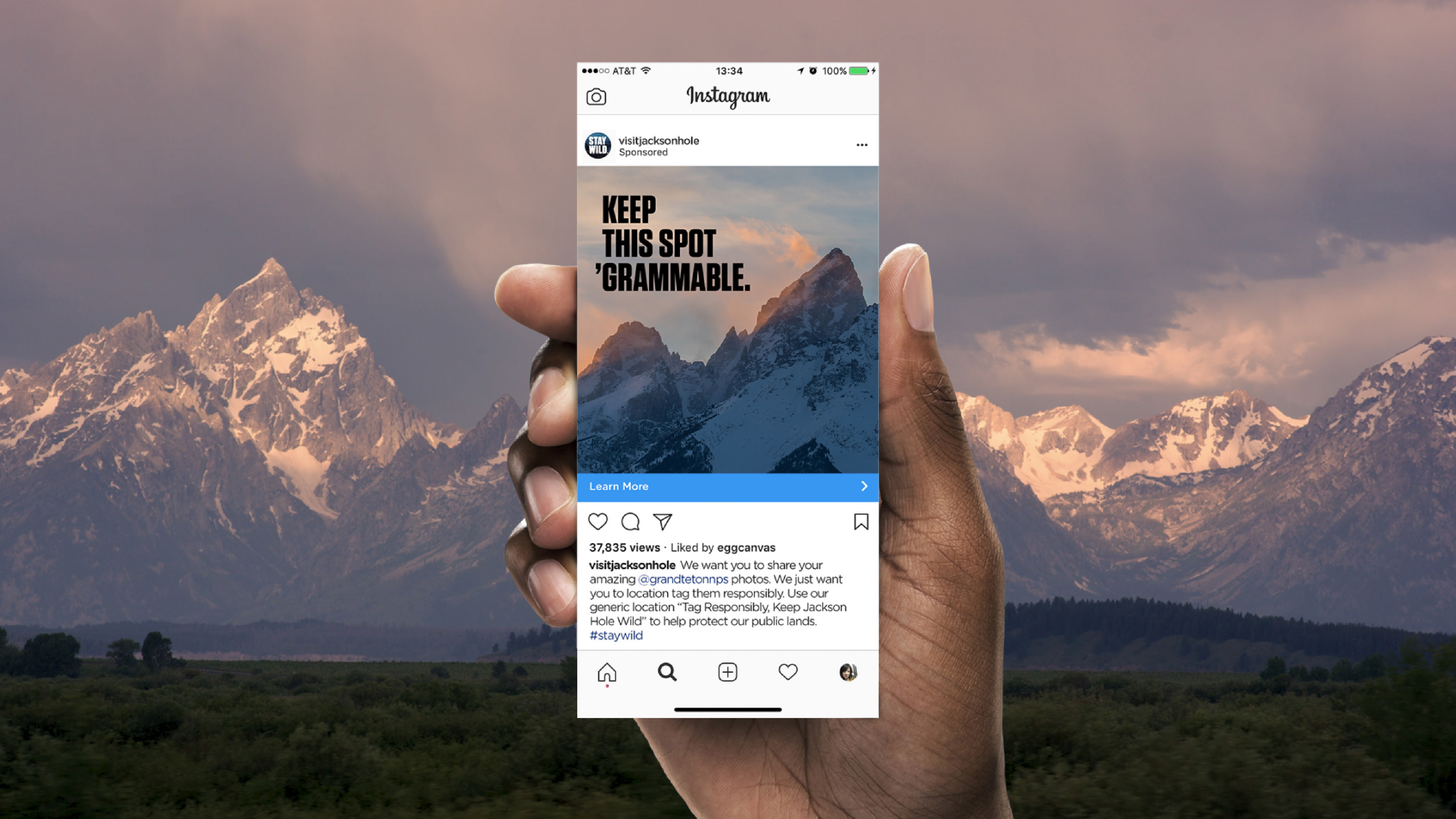
Tag Responsibly
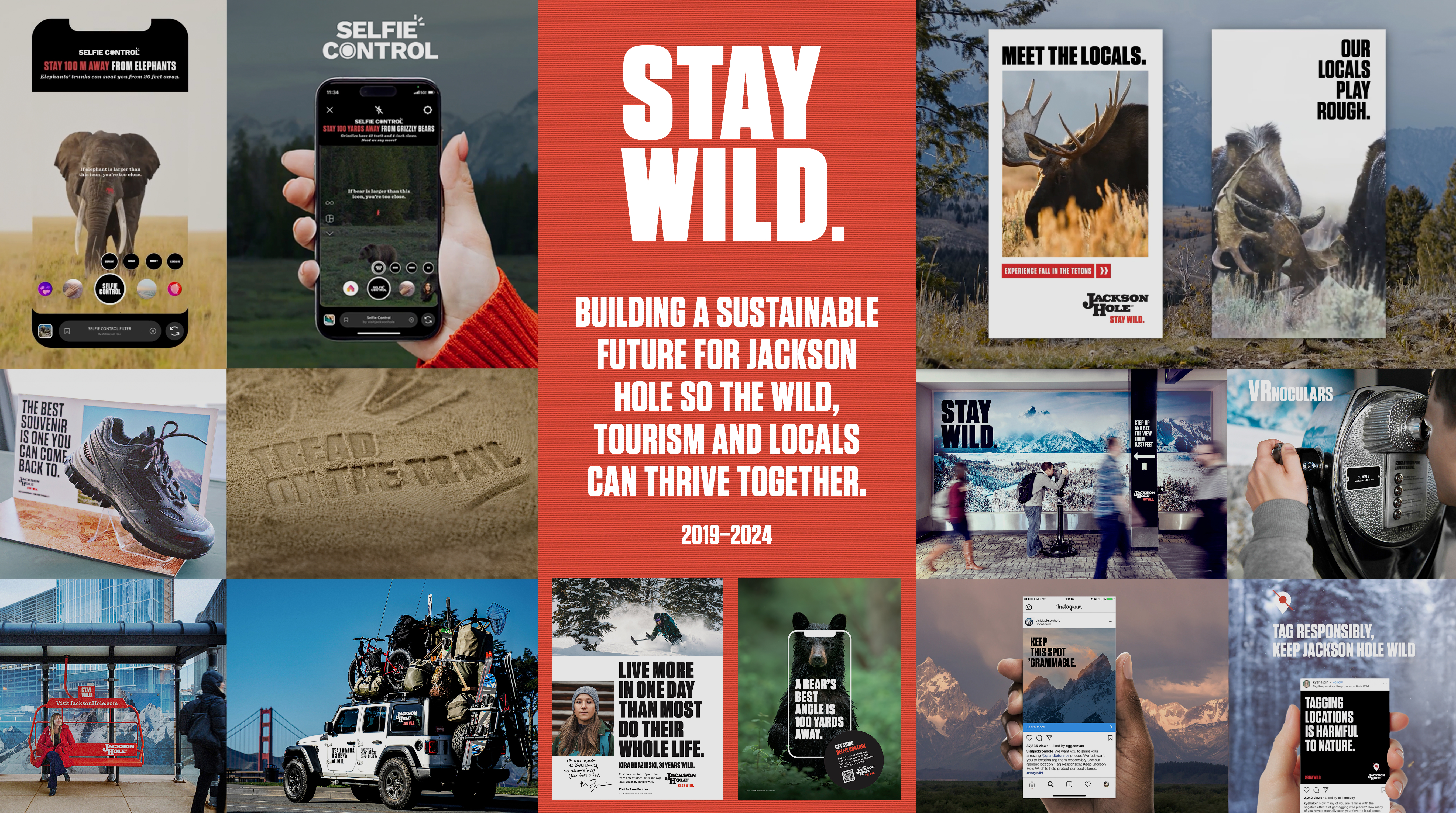
We flipped Instagram’s geotag feature into a conservation tool, encouraging visitors to replace precise location tags with a generic Jackson Hole tag. By changing one small social behavior, we reduced exposure of sensitive areas and sparked a national conversation about mindful sharing.
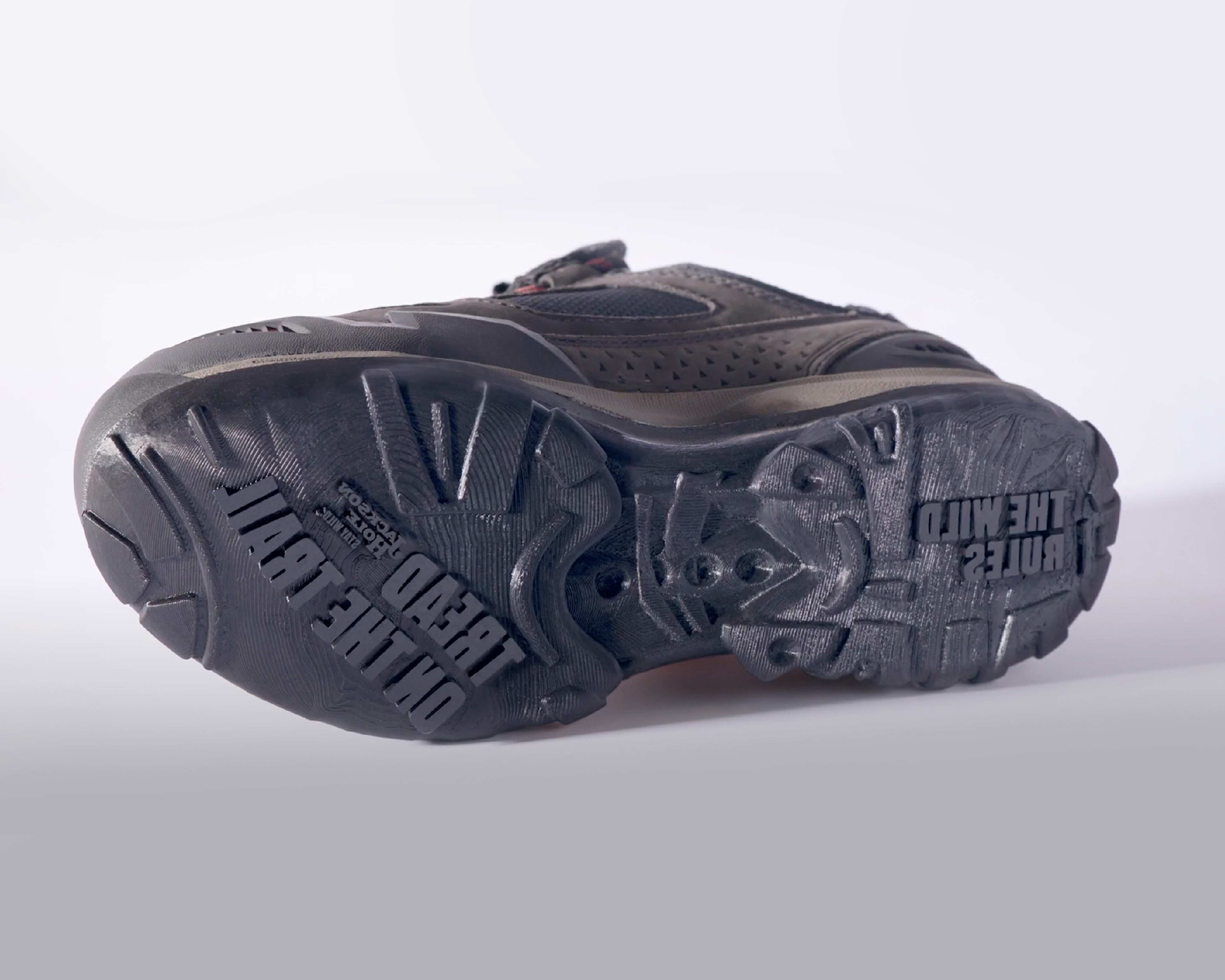
Tread on the Trail
Custom hiking boots worn by local ambassadors subtly imprinted “Stay on the Trail” into dirt paths in high-traffic areas. The land itself became the media channel by delivering a message exactly where off-trail damage happens.
Selfie Control
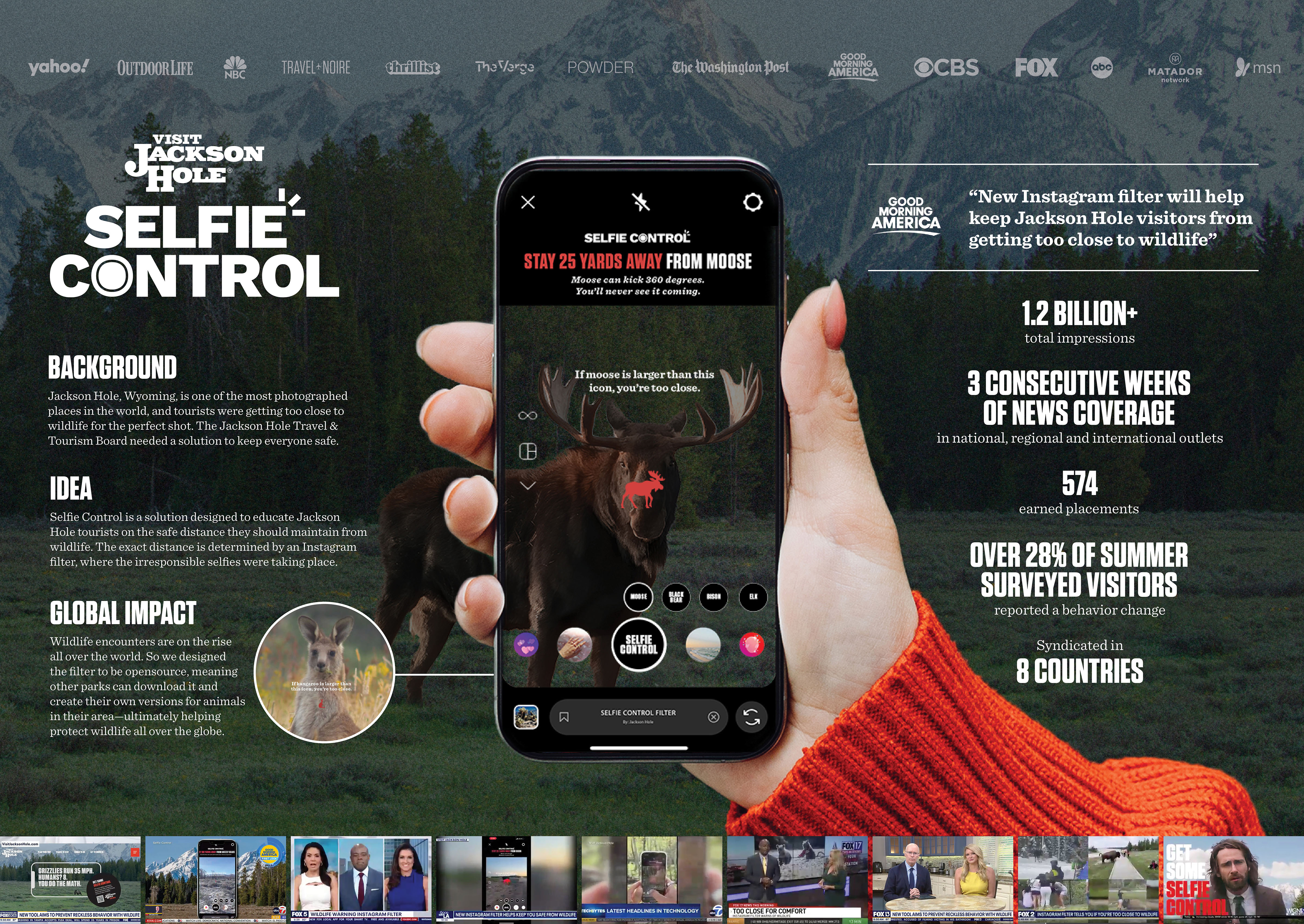
We launched a first-of-its-kind Instagram filter using spatial recognition to measure safe wildlife distances in real time. The playful tool (“Do it for the ’Gram—from 100 yards away”) turned safety into a shareable, culture-native behavior, generating 1.2B impressions and contributing to a 12% reduction in human-wildlife conflict.
The Wild Rules & Mountain of Youth
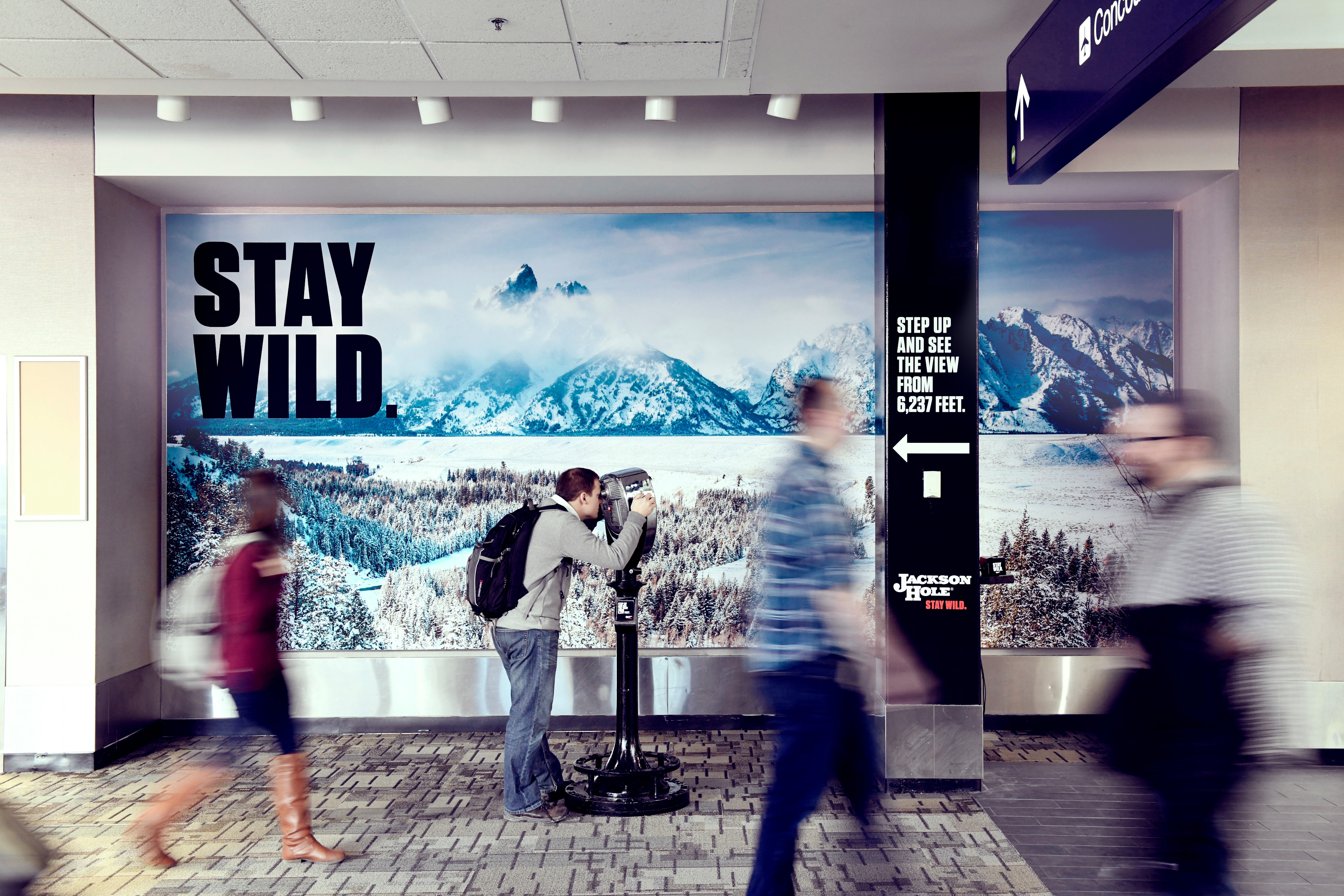
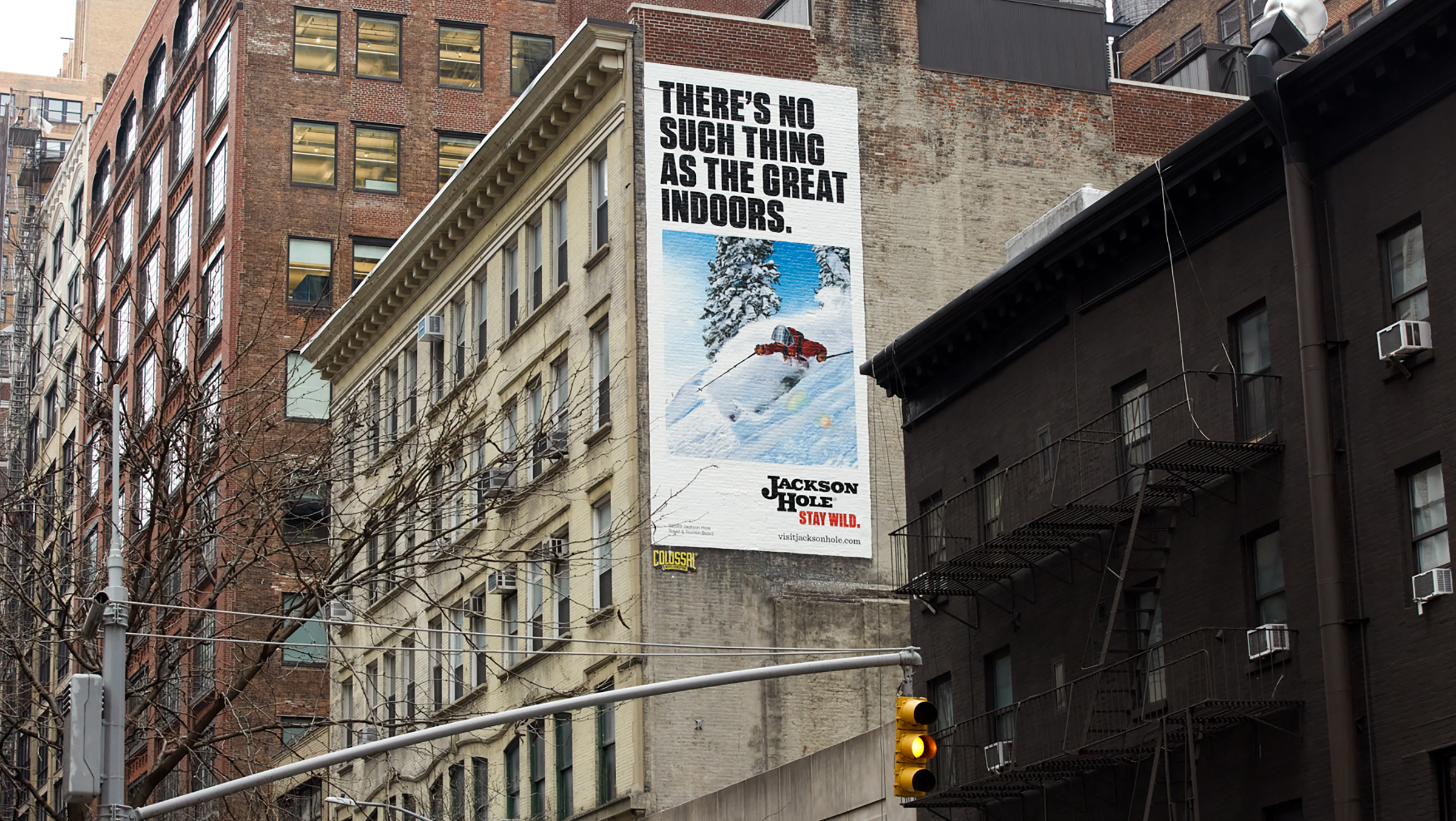
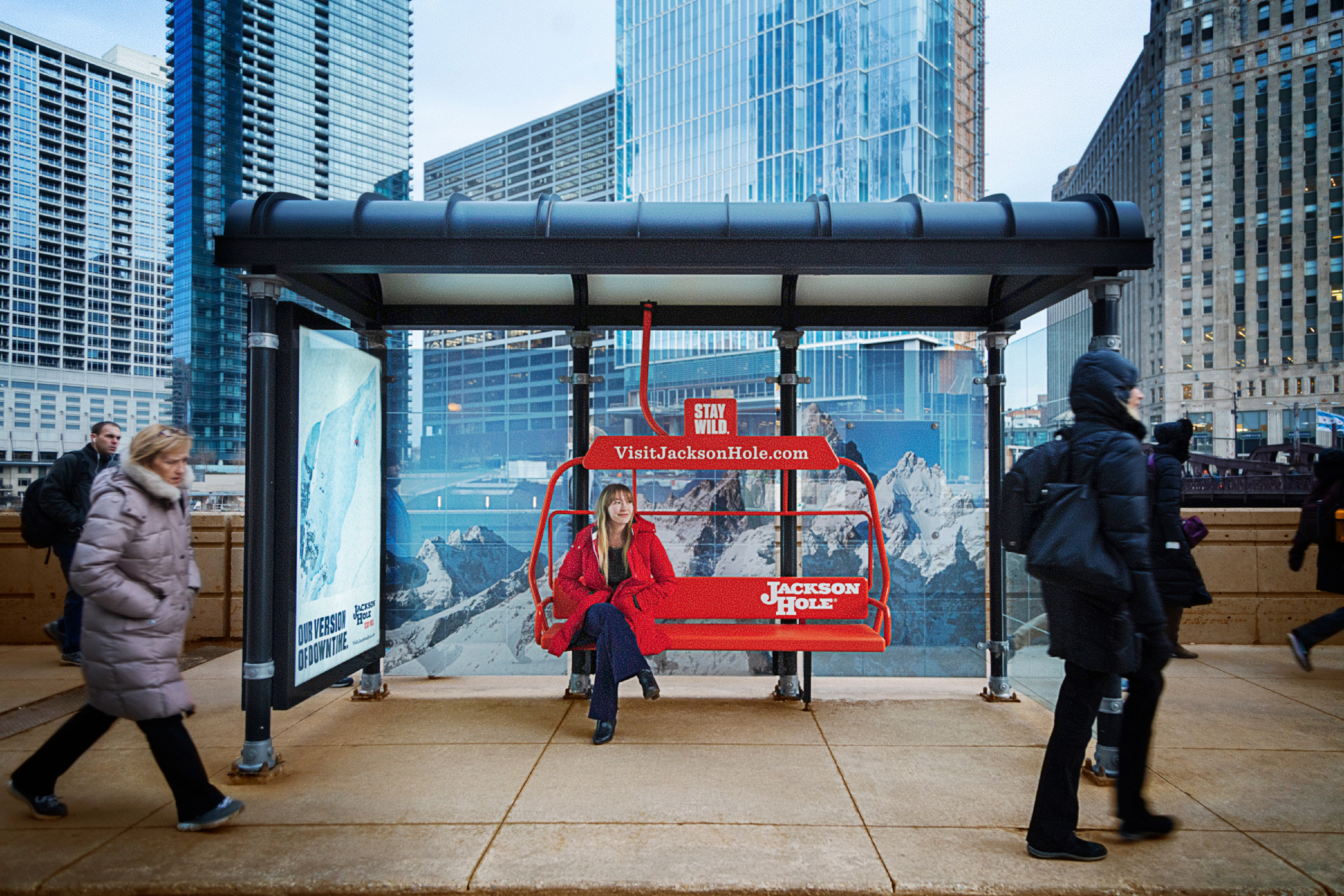
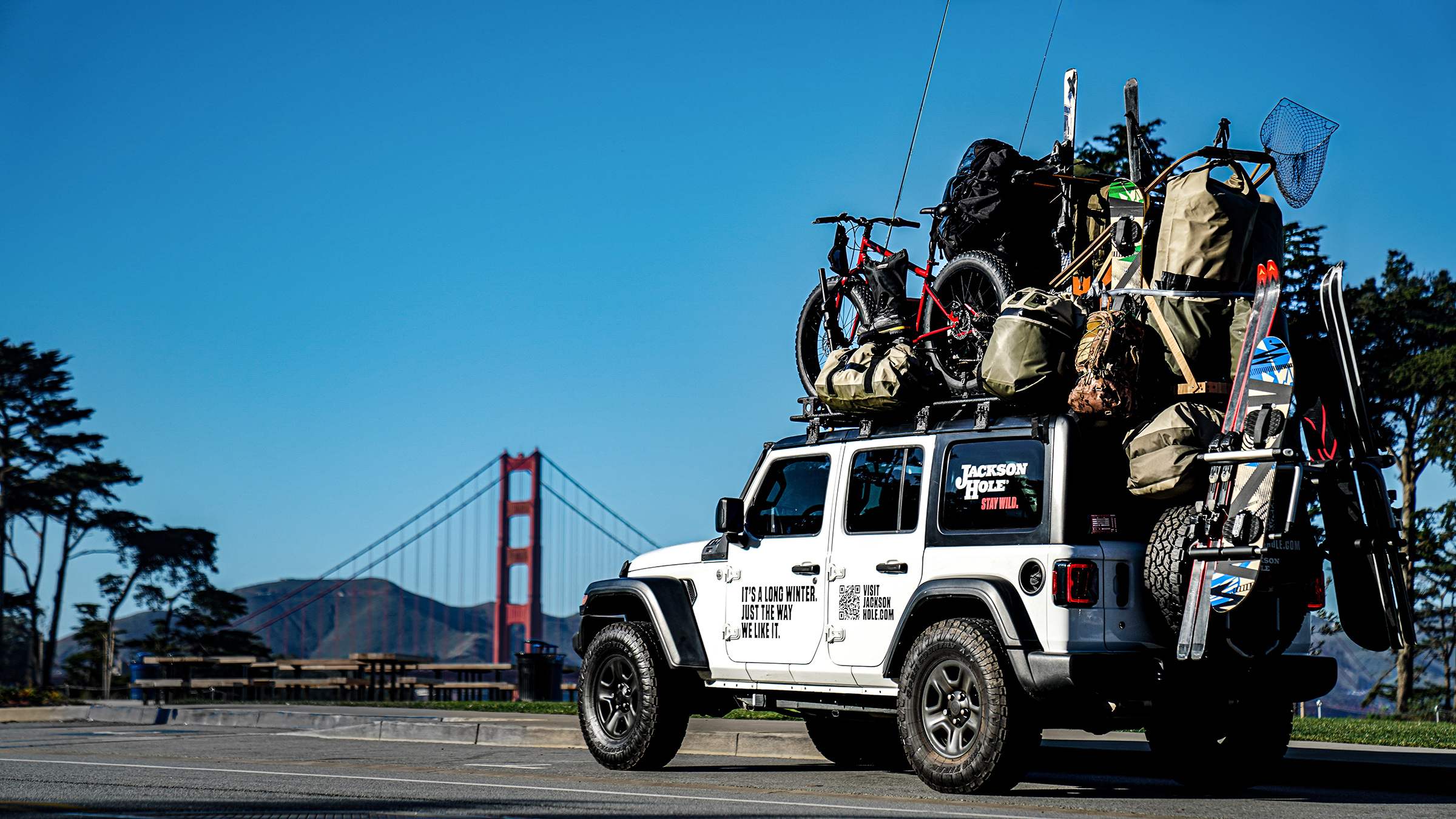
Through video, OOH, paid social, and partnerships (including National Geographic), we amplified the voices of real locals as stewards—not actors. The community wasn’t background scenery; they were the brand.
Across paid social, digital video, OOH, experiential, and PR, marketing and management worked as one integrated ecosystem.
Challenges We Overcame
The Locals Paradox
Tourism fuels the economy but strains the environment. We had to increase revenue without increasing harm. By shifting from visitor volume to visitor value, tourism tax revenue rose 54% while trips increased only 31%.
Behavior Change at Scale
Conservation messaging often fails because it feels restrictive. We reframed responsibility as aspirational and culturally relevant by meeting people on platforms they already use.
External Volatility
COVID surges and regional natural events created unpredictable demand spikes. Instead of pulling back, we doubled down on management-forward messaging to absorb increased visitation responsibly.
What Makes It Unique
Most destination marketing drives desire. This work drove responsibility.
We transformed social media into a conservation channel, OOH into real-time behavioral guidance, and a tourism board into a national model for sustainable destination management—now adopted by 14 other destinations.
“Stay Wild” proved that social good and economic growth aren’t opposites. When stewardship becomes part of the story, people don’t just visit differently, they behave differently.
The results directly exceeded our objectives by proving that economic growth and environmental protection could advance together.
Business Objective: Increase tourism revenue at a greater rate than visitor growth.
Tourism tax revenue rose 54% while visitor trips increased 31%. This confirmed that the strategy successfully shifted performance from volume-based growth to value-based growth. Jackson Hole attracted higher-value visitors who spent more, without accelerating visitation at the same pace, strengthening the local economy while protecting finite natural resources.
Marketing Objective: Align the brand with local values and drive responsible behavior.
28% of summer visitors reported changing their behavior to better protect the environment. Campaigns like “Tag Responsibly,” “Tread on the Trail,” and “Selfie Control” didn’t just build awareness, they measurably influenced how visitors acted in fragile spaces.
Activity Objective: Establish Jackson Hole as a sustainable tourism leader.
The work contributed to a 12% reduction in human-wildlife conflict and zero human-caused wildfires during the campaign period. Additionally, 14 destinations adopted Jackson Hole’s sustainability tools, extending impact beyond the market.
We consider this effort a success because it resolved the community’s defining paradox: tourism sustains the economy, yet unmanaged tourism threatens the wildness that defines it. “Stay Wild” proved that responsible visitation can drive prosperity, demonstrating a scalable model for sustainable tourism.