By mid-2025, The Piano Place had grown rapidly through acquisition, expanding from a single, community-based studio into a multi-location brand. Demand was strong. Families were searching. Inquiries were coming in.
But the marketing infrastructure wasn't built to support scale.
Lead routing was inconsistent across dozens of locations. Paid media accounts operated in silos. CRM data lacked clarity. Leadership couldn't confidently answer the most important question: Which marketing investments were actually driving enrolled students and long-term revenue?
In June 2025, we stepped in as a fractional CMO partner, not to manage ads, but to architect the marketing foundation required for scalable, measurable growth.
Our mandate was clear:
This wasn't about increasing spend. It was about increasing efficiency, clarity, and strategic control.
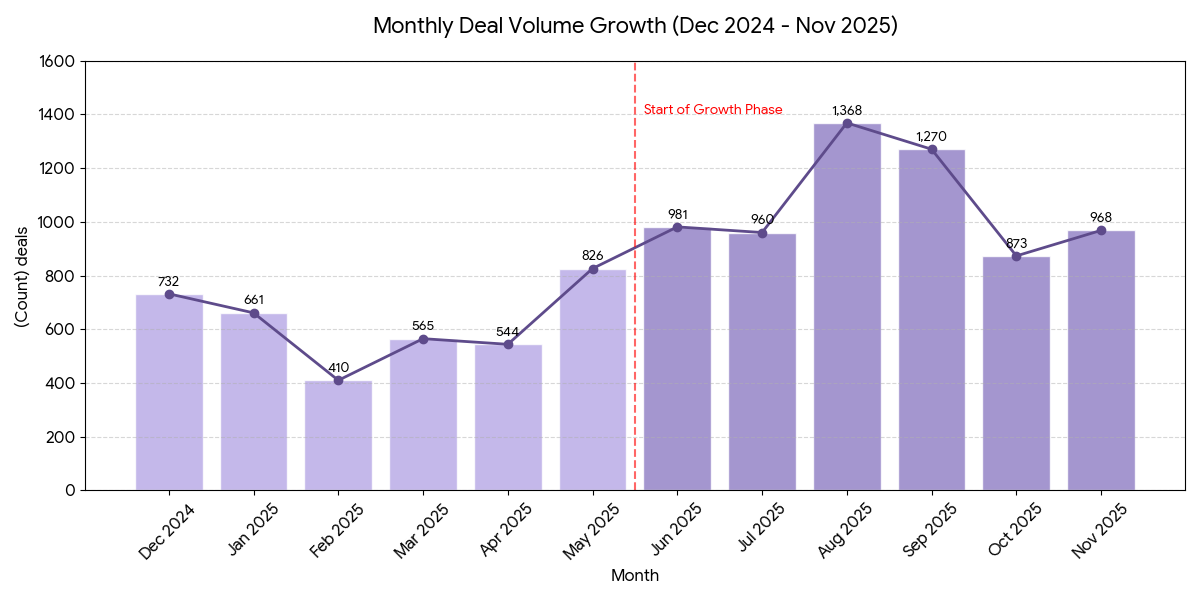
Within seven months, the results were clear. By January 2026, enrollment growth and marketing efficiency had accelerated significantly, giving leadership real visibility, stronger unit economics, and a scalable foundation for continued expansion.
From the outside, the business looked like a success story, and it was. But growth through acquisition creates invisible problems. Each school came with its own habits, tools, and systems. Over time, those differences added friction everywhere.
The first phase of the campaign wasn’t glamorous. It was necessary.
We consolidated ad accounts that had been scattered across platforms and logins. We rebuilt HubSpot automation so leads stopped disappearing or landing in the wrong inbox. We standardized reporting so the team could finally answer basic questions like: Which locations are performing best? Which ads actually lead to enrolled students?
Even before the cleanup was fully complete, enrollment performance improved. Demand had always been there, waiting for fewer obstacles.
Once the foundation was solid, we shifted into optimization:
A key differentiator was the fractional CMO model. Instead of hiring one full-time executive and building slowly, the brand gained access to a full team — strategy, paid media, CRM, and analytics — all working in sync. This allowed the business to move quickly, adjust priorities, and stay flexible as needs changed.
What makes this work unique is that it didn’t rely on big creative swings or viral moments. It focused on fixing the quiet, expensive problems that prevent good businesses from becoming great ones.
The clearest signal of success was reflected in the numbers and the shift in confidence. For the first time in a long time, leadership could see what was happening and why.
By January 2026 — with over a week left in the month — enrollments had already climbed past the entire year of 2025 enrollments.
That’s nearly 50% year-over-year growth, without a proportional increase in acquisition activity.
On the efficiency side, paid media was driving enrolled students at approximately $55 per enrollment, while first-month tuition averaged $150, creating a 3x return immediately. With students typically staying around 20 months, the estimated CAC-to-LTV ratio reached 16–17:1, well beyond standard benchmarks.
These results didn’t just improve month-to-month performance. They helped clarify the business’s true value — contributing to a successful acquisition by the largest music school operator in the country.
By The Numbers
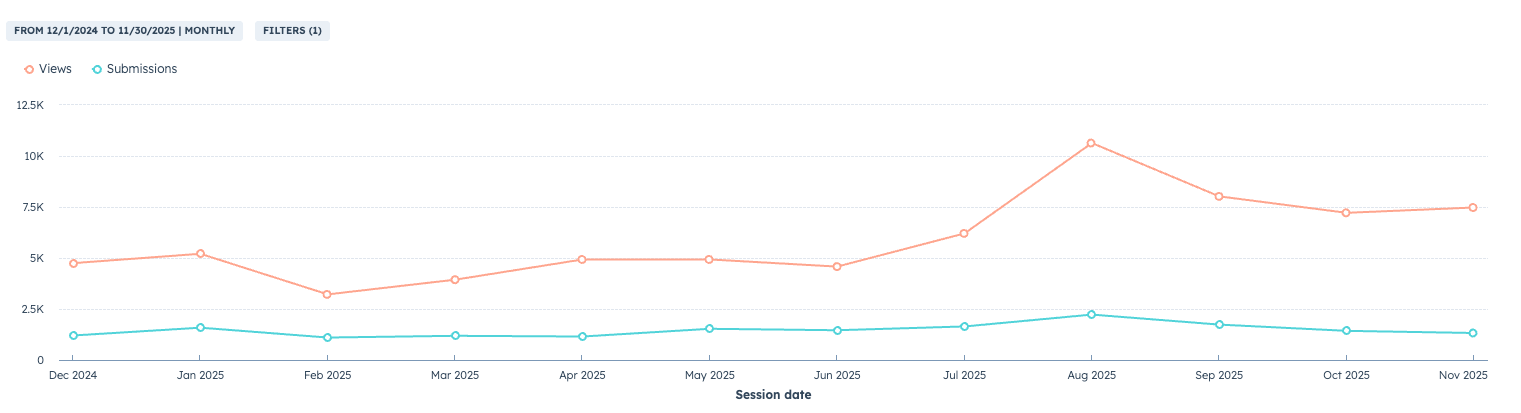
How many people signed up (leads)
How many people actually joined or bought
How much did it cost to get one sign-up