OpenArt is an AI image generation platform. The market is growing fast, with 34 million AI images created daily, but OpenArt's organic traffic had stalled. Their existing content was not ranking for the specific searches where users had intent to create.
OpenArt's CEO, Coco Mao, believed that programmatic SEO could capture the thousands of specific searches that traditional content was missing. The OpenArt team did not have the resources, so they partnered with daydream.
daydream set five targets:
Programmatic SEO has a reputation for thin, unhelpful content. daydream needed to prove that pages built at scale could rank on Google, surface on AI platforms like ChatGPT and Perplexity, convert visitors into paying subscribers, and deliver measurable ROI.
Target Audience & Strategy
The target audience was people searching for AI image generation tools with specific creative intent: artists, designers, and hobbyists looking for themes such as anime characters, fantasy creatures, or Studio Ghibli-style art. daydream targeted 12 language markets based on search volume: English, Spanish, Japanese, French, German, Portuguese, Italian, Dutch, Polish, Korean, Swedish, and Hindi.
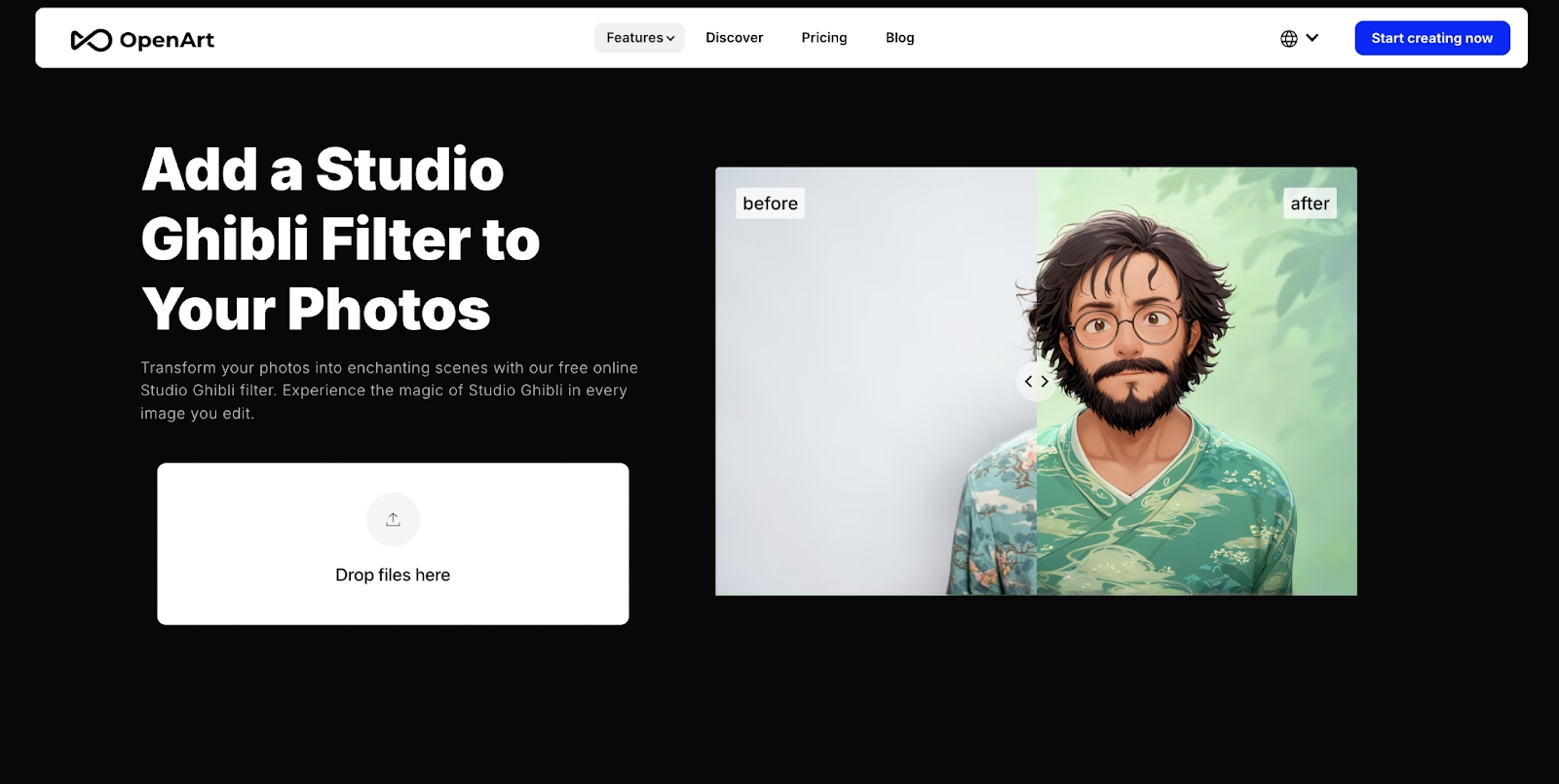
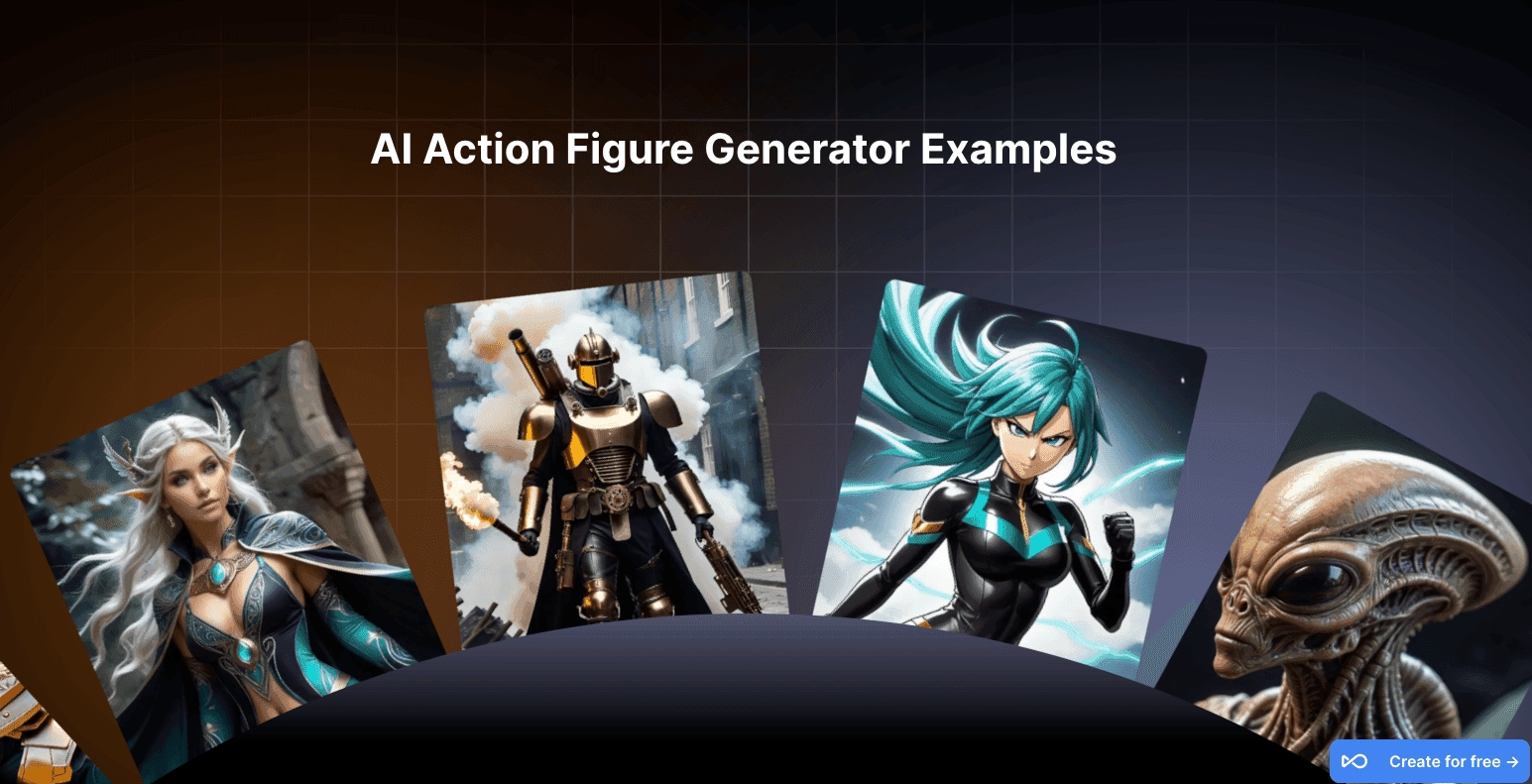
daydream chose programmatic SEO for scale. OpenArt needed to capture thousands of long-tail queries that blog posts could never address. From there, daydream identified two winning patterns: "AI [Theme] Generator" pages and Features pages. The generator pages targeted users searching for specific styles. The features pages targeted users looking for specific tools like "AI background remover." Both matched how people actually search, and the feature pages became the highest-converting pages.
Execution & Innovation
Building 12,000 pages is not difficult, but building 12,000 pages that convert is. daydream designed a page framework that turns searchers into engaged users.
Working closely with OpenArt, daydream defined a product-led page structure:
The second innovation was content quality. Programmatic SEO has a reputation for producing generic, thin pages. daydream avoided this by using OpenArt's actual image library, matching their brand voice with their internal data, and working with their content team on scripts that maintained quality across all 12,000 pages.
daydream structured every page to answer the user's question directly with clear headings, specific descriptions, and action-oriented copy. The same structure that ranks well in search also performs well on AI platforms like ChatGPT, Perplexity, and Claude, which prioritize clear, direct answers.
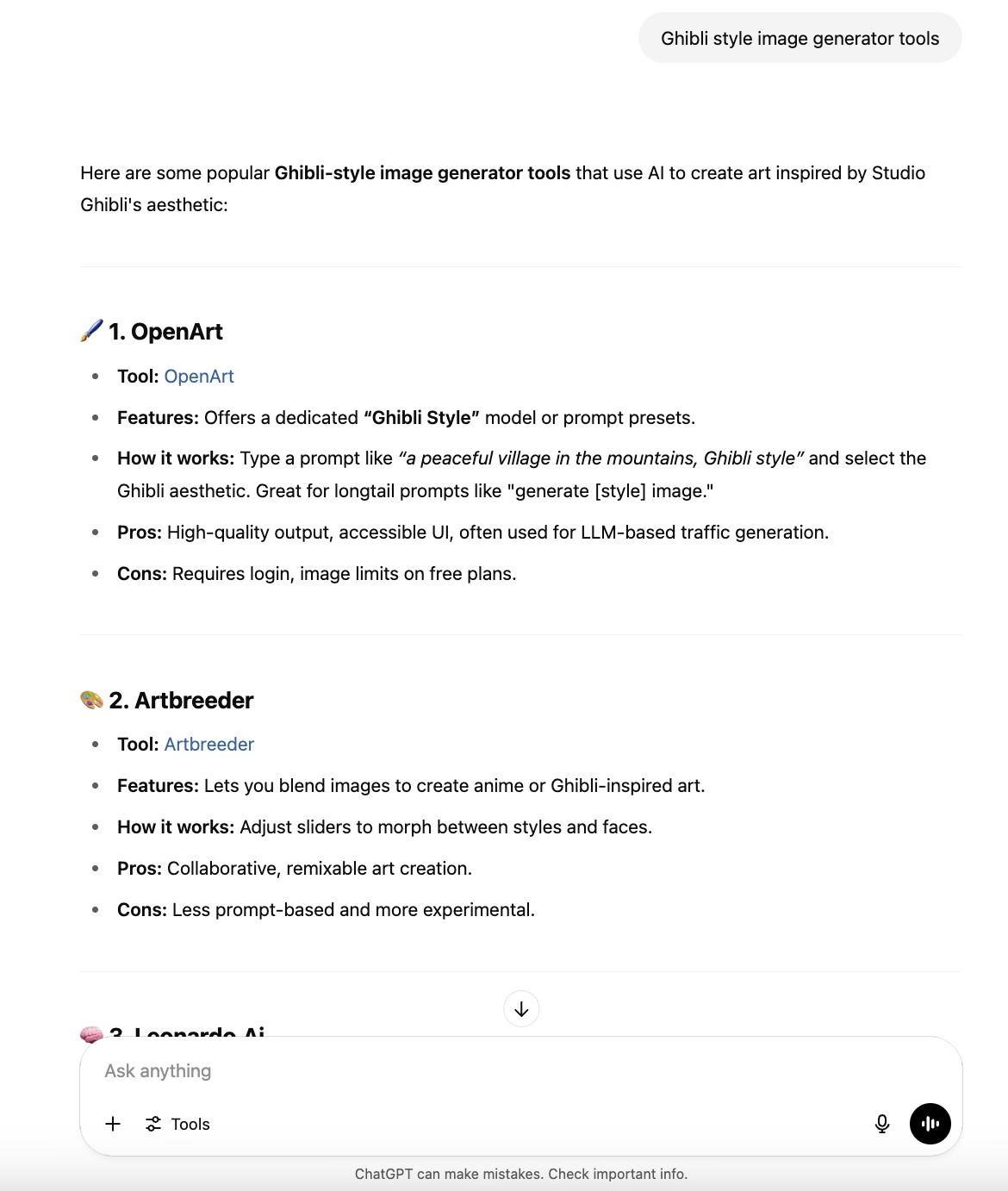
daydream launched English pages in mid-2024. By early 2025, the team had localized across all 12 languages. Then, in March 2025, Studio Ghibli-style AI art went viral globally. The pages were already live and ranking. daydream captured that massive traffic surge across both Google and AI platforms, with two pages alone driving over 7 million sessions during the viral moment.
Overcoming Challenges
The first challenge was proving the approach. OpenArt had experimented with SEO before without the results they'd hoped for. daydream brought data to the table: search volume analysis, competitive gaps, and realistic projections. The numbers told a compelling story. Within six months of seeing early results, OpenArt committed to expanding from English to all 12 languages.
The second challenge was maintaining quality at scale. When you publish 12,000 pages, it's easy to end up with pages that say nothing useful. daydream solved this by using OpenArt's actual image library—no stock photos, no generic examples—and having humans review pages in all 12 languages before publishing. The result was a 16.2% click-through rate, far above industry standards.
The third challenge was true localization. daydream didn't just translate English pages word-for-word. People in Japan search differently from people in Spain, and they expect different content. daydream adapted pages for each market's search behavior and cultural context. When Studio Ghibli went viral, the localized pages were ready to capture that traffic globally, not just in English-speaking markets.
Campaign Performance (October 2024 to January 2026):
Growth Metrics (15-month period):
AI Platform Performance:
The pages also performed across AI platforms, including ChatGPT, Perplexity, and Claude. By January 2025, OpenArt was receiving thousands of monthly sessions from these platforms. During the Studio Ghibli viral spike in March-April 2025, AI platform traffic jumped to over 170,000 sessions per month. Two pages alone drove over 7 million sessions during this period.
Business Impact:
Organic search is now OpenArt's strongest acquisition channel. OpenArt initially viewed programmatic SEO as a short-term tactic, but now CEO Coco Mao calls it a long-term strategy every business should invest in. As she stated: "I work with a lot of different vendors, and what I appreciate most about daydream is that the level of execution is on par with what was promised."
daydream exceeded every objective: organic became the #1 channel, built 12,000 pages across 12 languages, programmatic pages drove over 1 million monthly visits, delivered 1,100+ paid subscribers, and achieved 6X+ ROI.