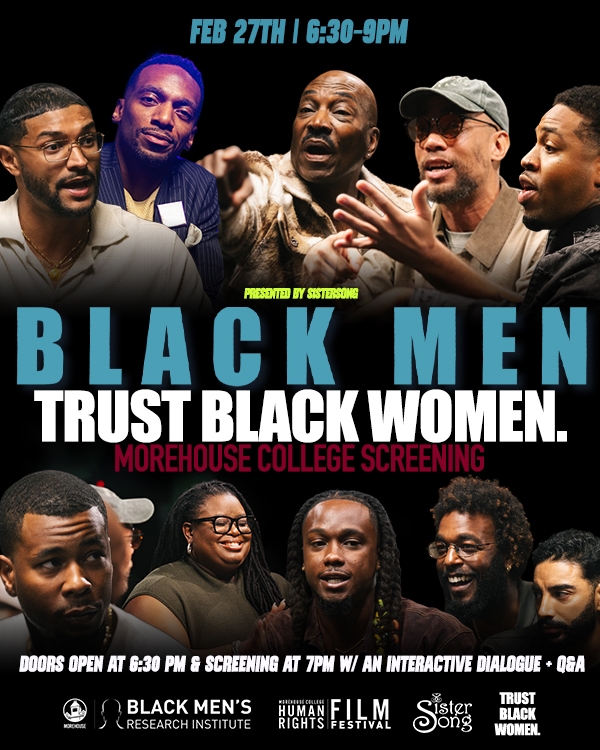
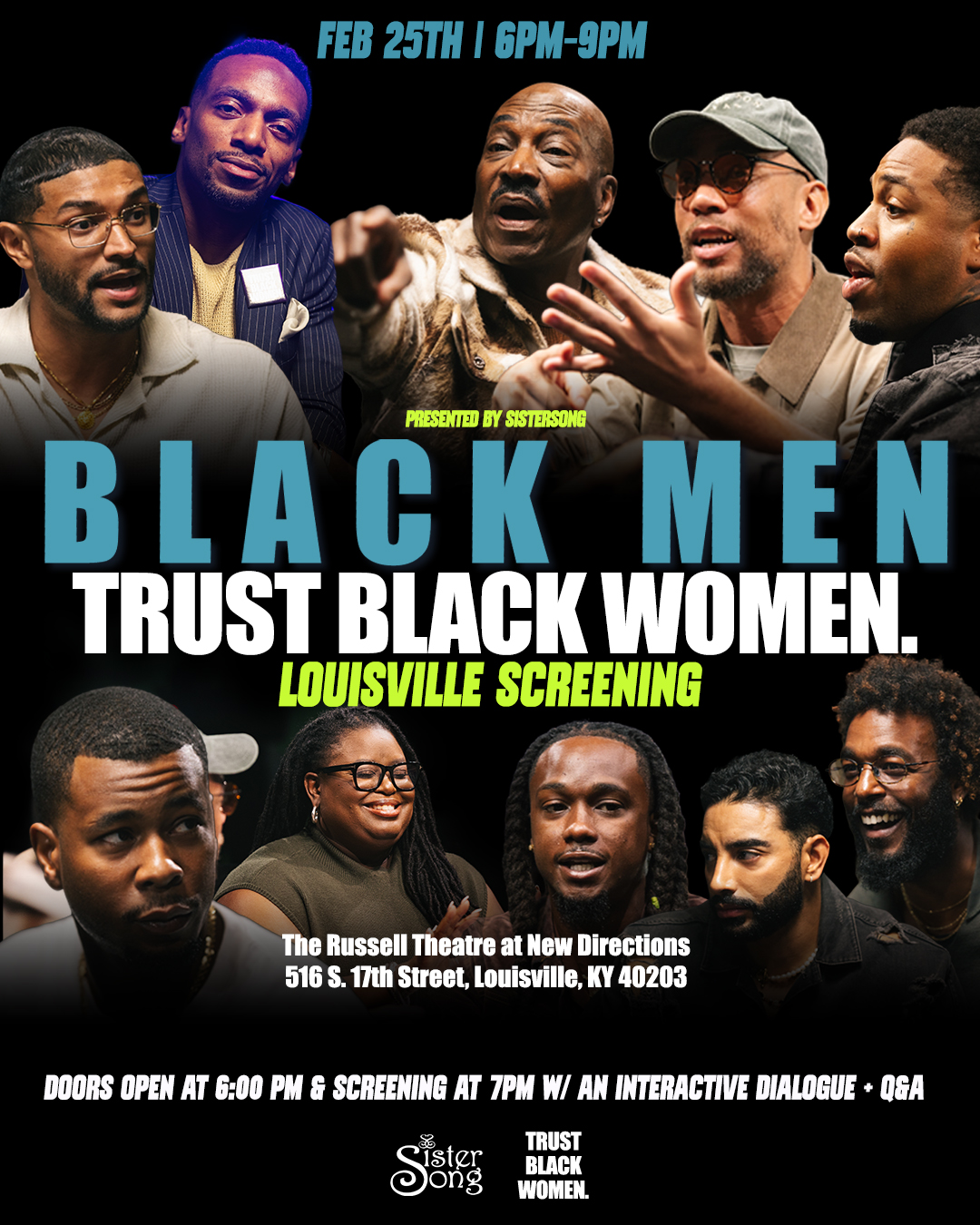
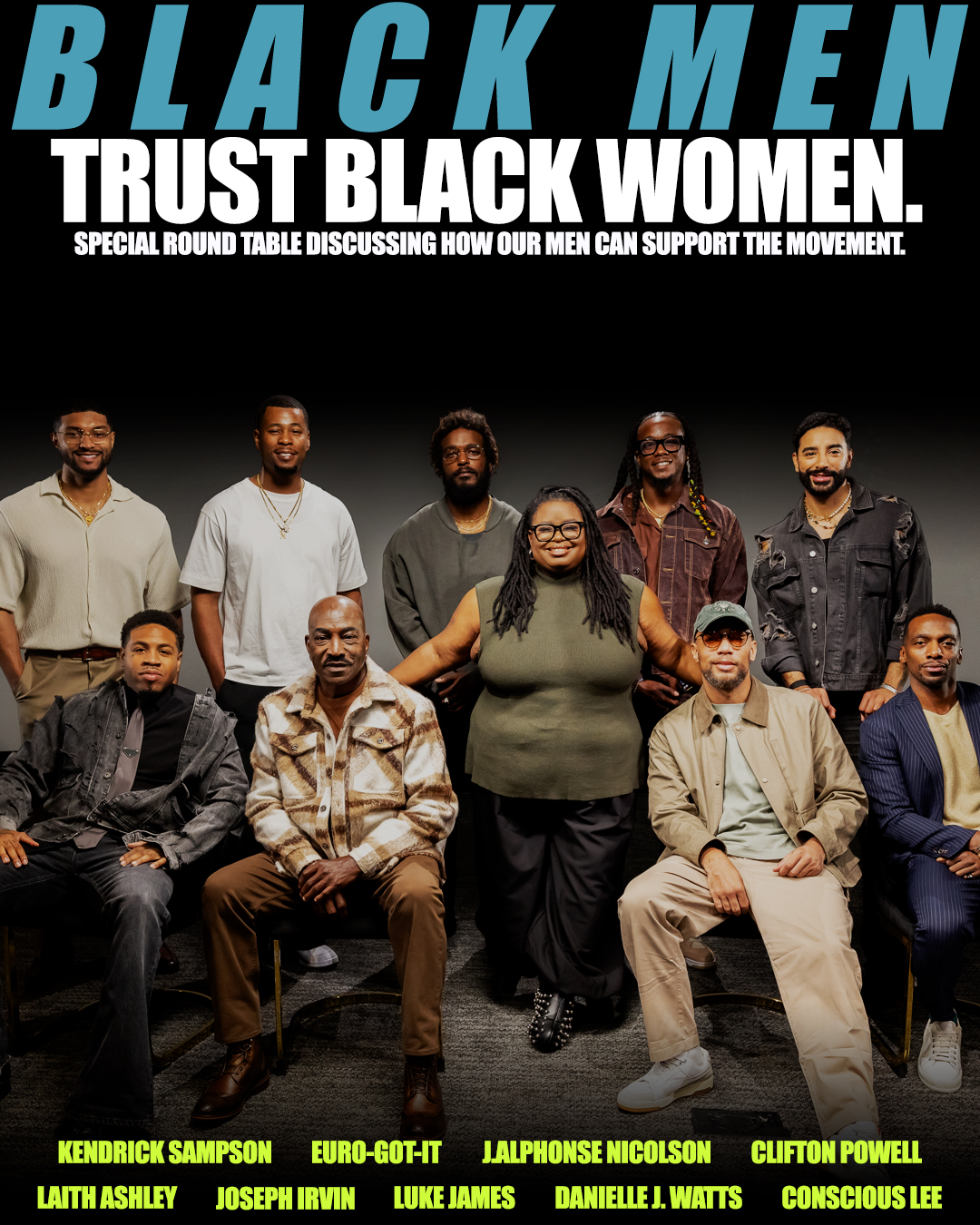
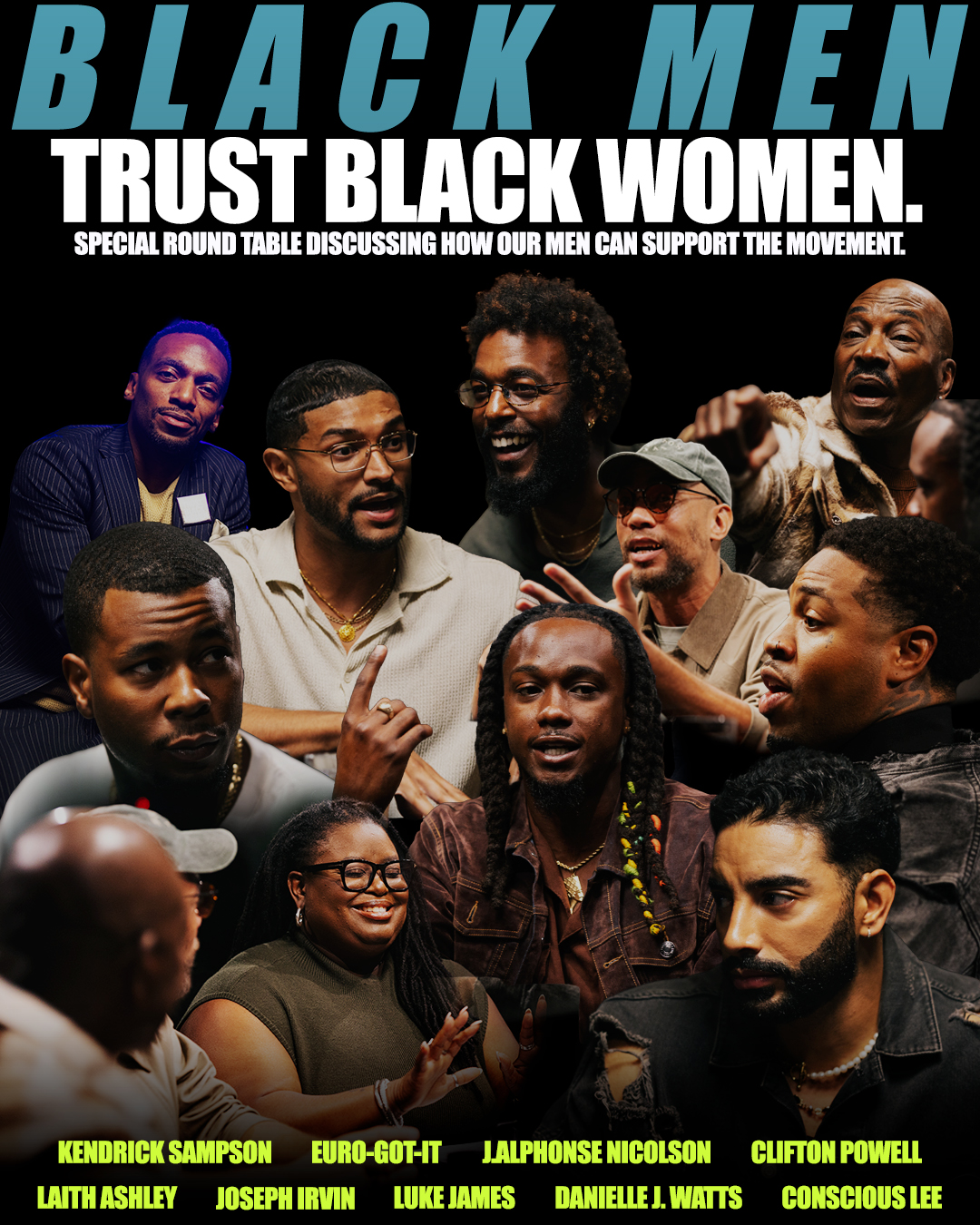
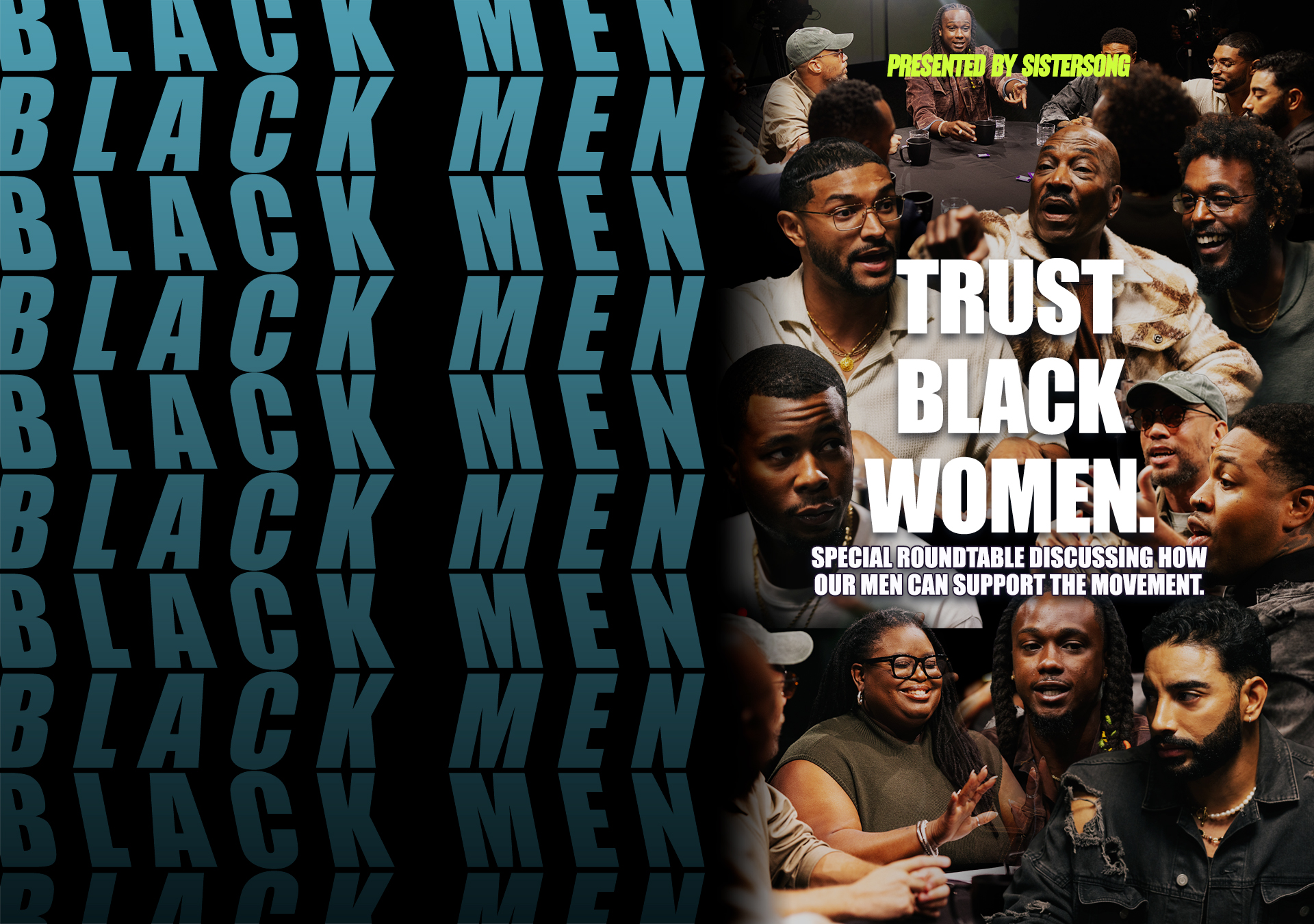
SisterSong partnered with Build Power to launch a bold culture change campaign engaging Black men in Reproductive Justice (RJ), centered on trust, healing, accountability, and collective liberation. The first installation, the viral Black Men Trust Black Women Roundtable, was released on February 12, 2026. The campaign recognizes that while Black women have long led the RJ movement, sustainable transformation requires meaningful engagement from Black men as partners, protectors, and advocates.
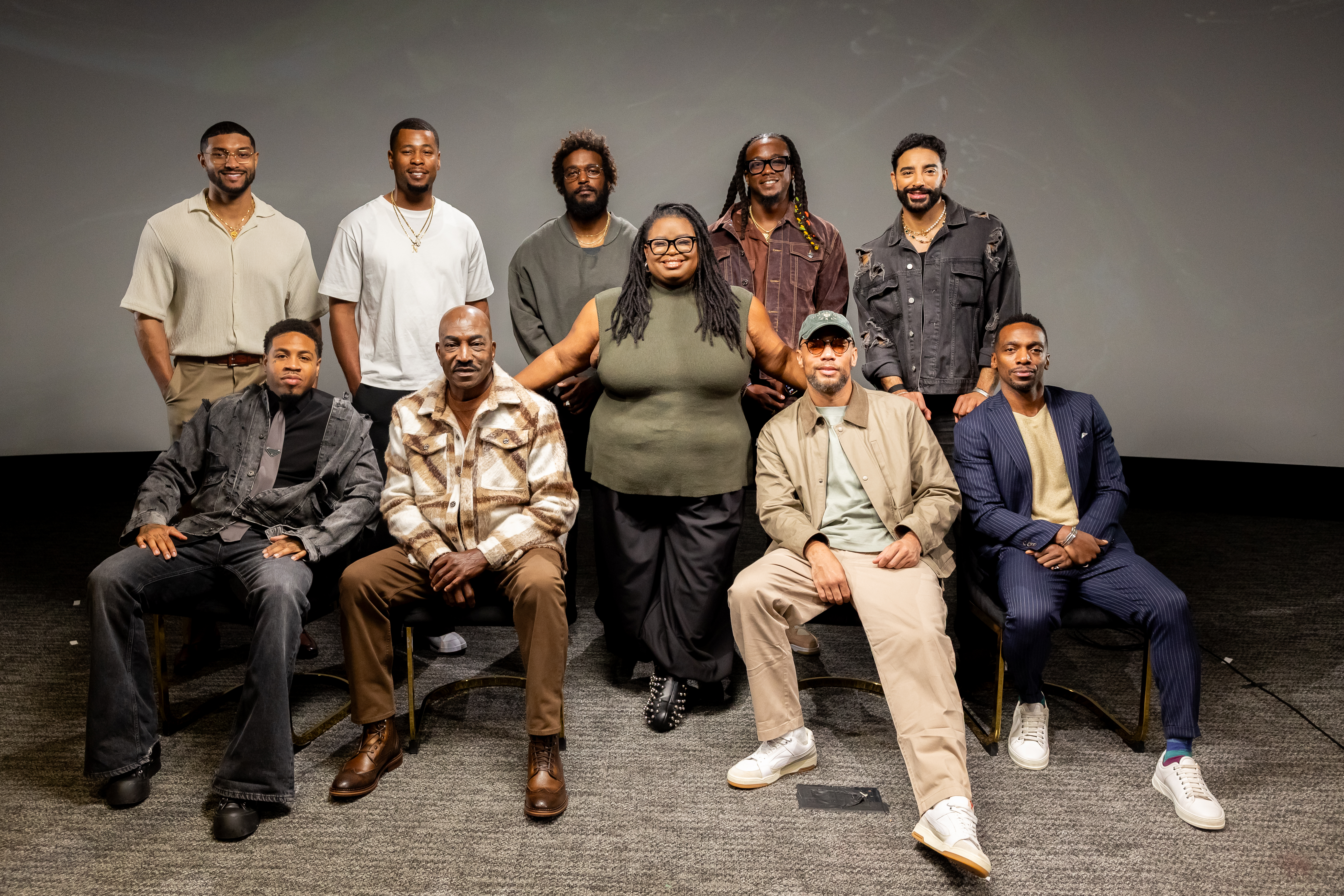
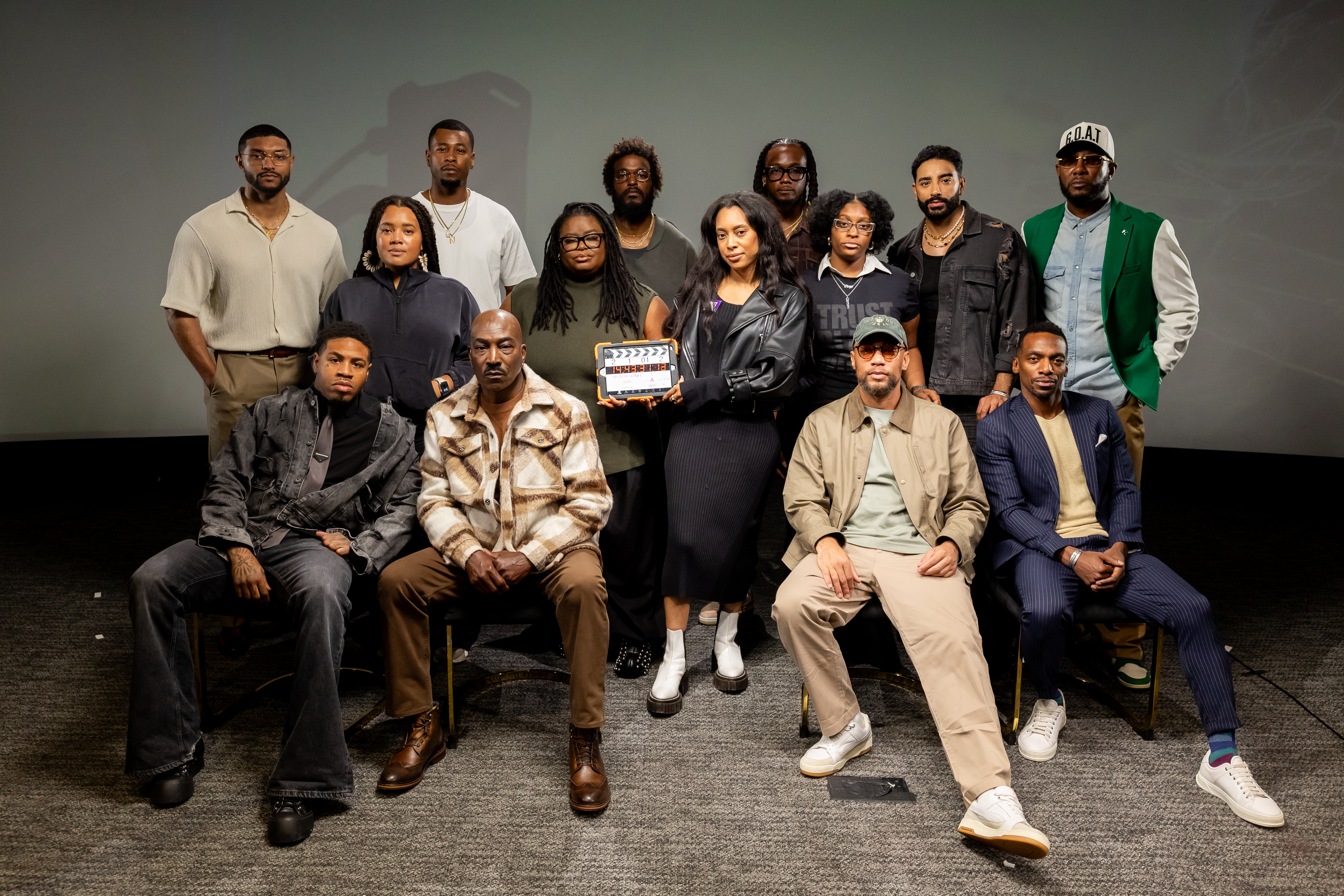
Through a series of intimate filmed conversations featuring Kendrick Sampson, Conscious Lee, Clifton Powell, Luke James, J. Alphonse Nicolson, Laith Ashley, Euro Gotit, Joseph Irvin, and Danielle J. Watts, the series explores the emotional, cultural, and political forces shaping Black men’s relationship to reproductive justice. These dialogues move beyond surface-level allyship to interrogate patriarchy, abortion stigma, toxic masculinity, fatherhood, faith, love, and financial responsibility within Black communities.
The Roundtable intentionally creates space for vulnerability, disagreement, and growth, modeling accountability and unlearning in real time. By centering culturally fluent storytelling, the series reframes RJ as a community issue tied to family, economic justice, bodily autonomy, and Black liberation.
The project extends beyond the screen through a toolkit designed to spark peer-led conversations in barbershops, campuses, faith spaces, fraternities, and group chats. Supported by a strategic dissemination plan leveraging influencers, entertainment partnerships, and grassroots networks, the campaign surpassed its one-million–Black-men awareness goal and ignited national debate.
This campaign doesn’t just invite Black men into the conversation, it mobilizes them as co-architects of reproductive freedom.
The Black Men’s Roundtable was born from a clear cultural gap: reproductive justice conversations rarely center Black men in a way that is honest, accountable, and emotionally expansive. We didn’t want a panel. We wanted a reckoning, one that felt culturally fluent, visually compelling, and impossible to ignore.
Our plan of action was intentional from day one. As Creative Producer, I led development from concept through execution. We began with strategic casting, bringing together Black men across entertainment, activism, digital culture, and lived experience. The mix was deliberate: politically conscious and politically curious voices, queer and trans representation, cultural influencers, and community leaders. The goal wasn’t uniformity. It was tension, vulnerability, and growth in real time. However, many Black men we originally desired for their prominence in culture said no to this opportunity or ignored it, however the ones we ultimately selected were the perfect group of talent and fit all of our demographic archetypes.
From a production standpoint, we approached the Roundtable like culture, not traditional nonprofit programming. We curated the visual language carefully: wardrobe palettes, set design, camera blocking, and pacing were all designed to feel cinematic and elevated. The aesthetic mattered because we wanted to be visually set apart from other Rounndtables with Black men, and for audiences to lean in, not scroll past. We treated storytelling as policy, understanding that how something looks and feels directly impacts how deeply it resonates. Choosing the visual aesthics, to reflect the serious nature of the Reproductive Justice topics in discussion.
Execution required balancing emotion with structure. We built a conversation framework that allowed space for disagreement while ensuring the dialogue remained rooted in reproductive justice values. The moderator played a critical role in guiding moments of friction into reflection rather than defensiveness. We weren’t interested in viral soundbites; we wanted visible unlearning.
One of our biggest challenges was amplification. We sought media partners both before filming and ahead of release, but were unable to secure coverage. Many outlets passed on the opportunity. Instead of shelving or softening the project, we made the decision to release independently and trust the community.
That decision changed everything.
Within days, the Roundtable spread organically across social media, sparking widespread debate across platforms. The conversation moved beyond our immediate audience and into broader cultural spaces, exactly where reproductive justice must live to create real impact. In eight days alone, the video generated over 208,000 views, with more than 10 million impressions on the topic.
What makes this work unique is that it doesn’t preach, it models. It shows Black men grappling publicly with patriarchy, abortion stigma, masculinity, and accountability. It bridges movement language with cultural fluency. It treats Black men not as adversaries, but as essential participants in community transformation.
We didn’t wait for validation. We built the table, invited complexity, and trusted the culture to respond.
And it did.
Our core objective was to engage Black men in meaningful, visible dialogue about Reproductive Justice and to shift the cultural narrative that positions RJ as solely a “women’s issue.” Success for us was never just about views (we weren't sure we would even get 10k views based on previous Roundtables on our Youtube), it was about conversation, reach, and cultural + behavioral spark.
The results exceeded our expectations!
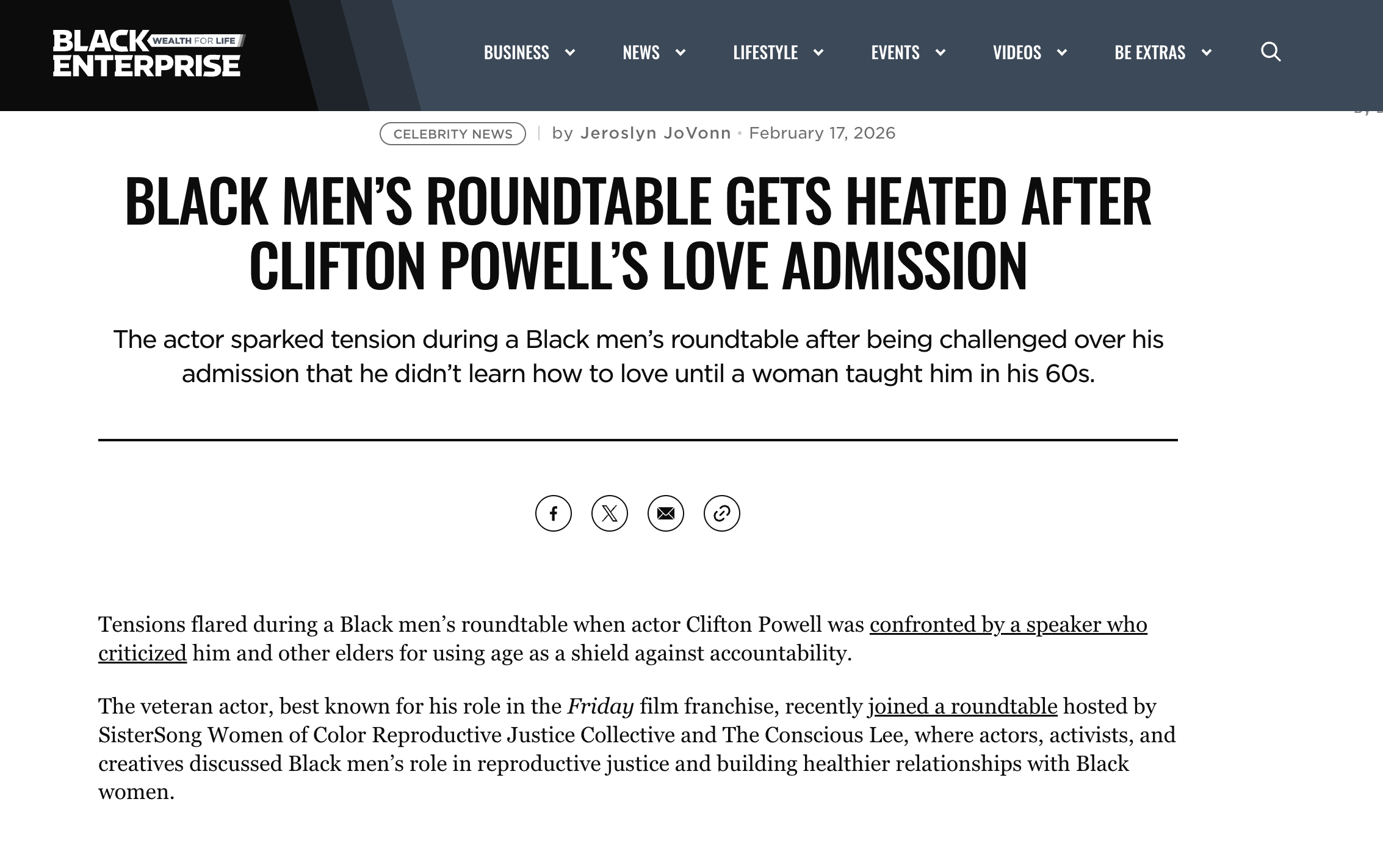
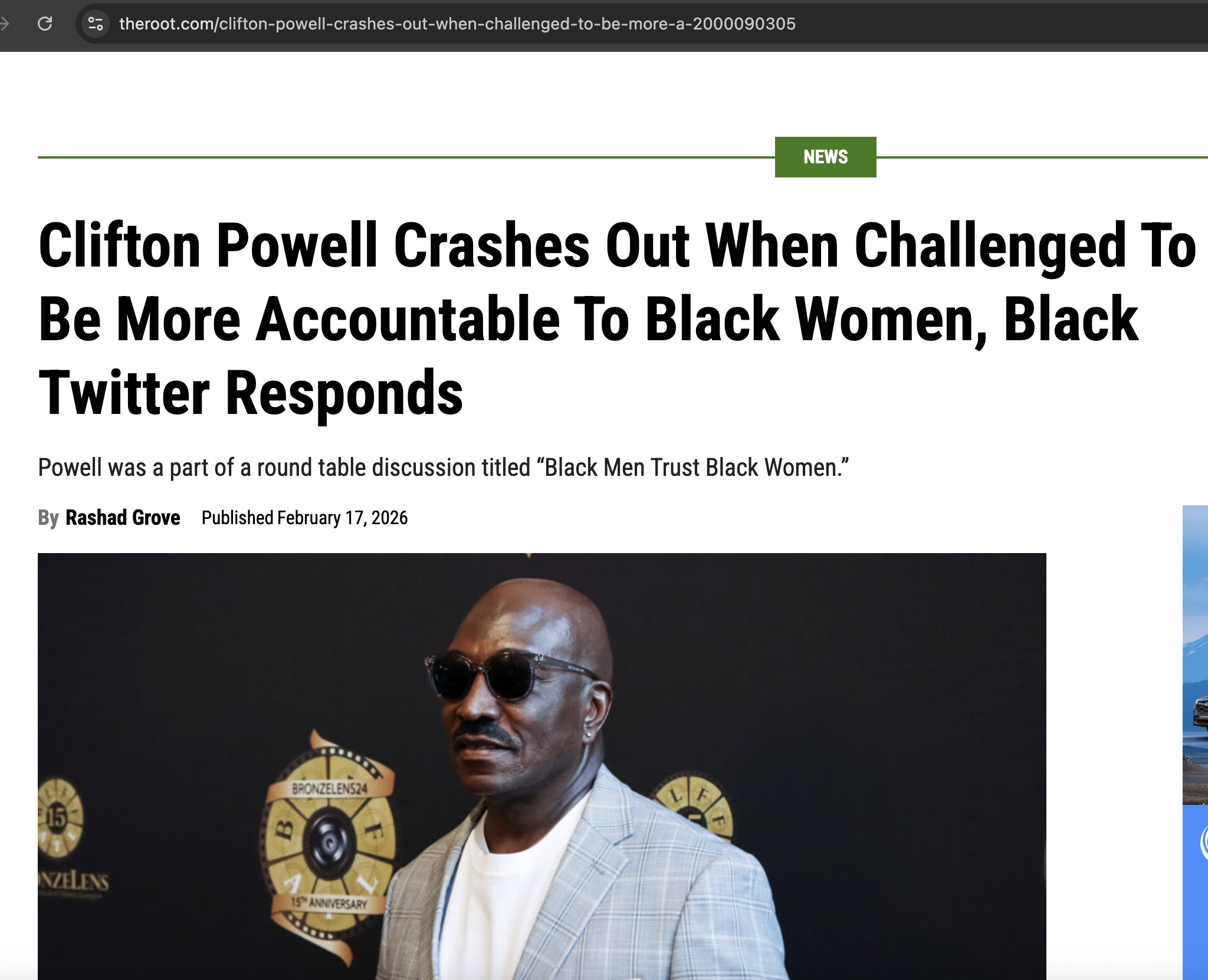
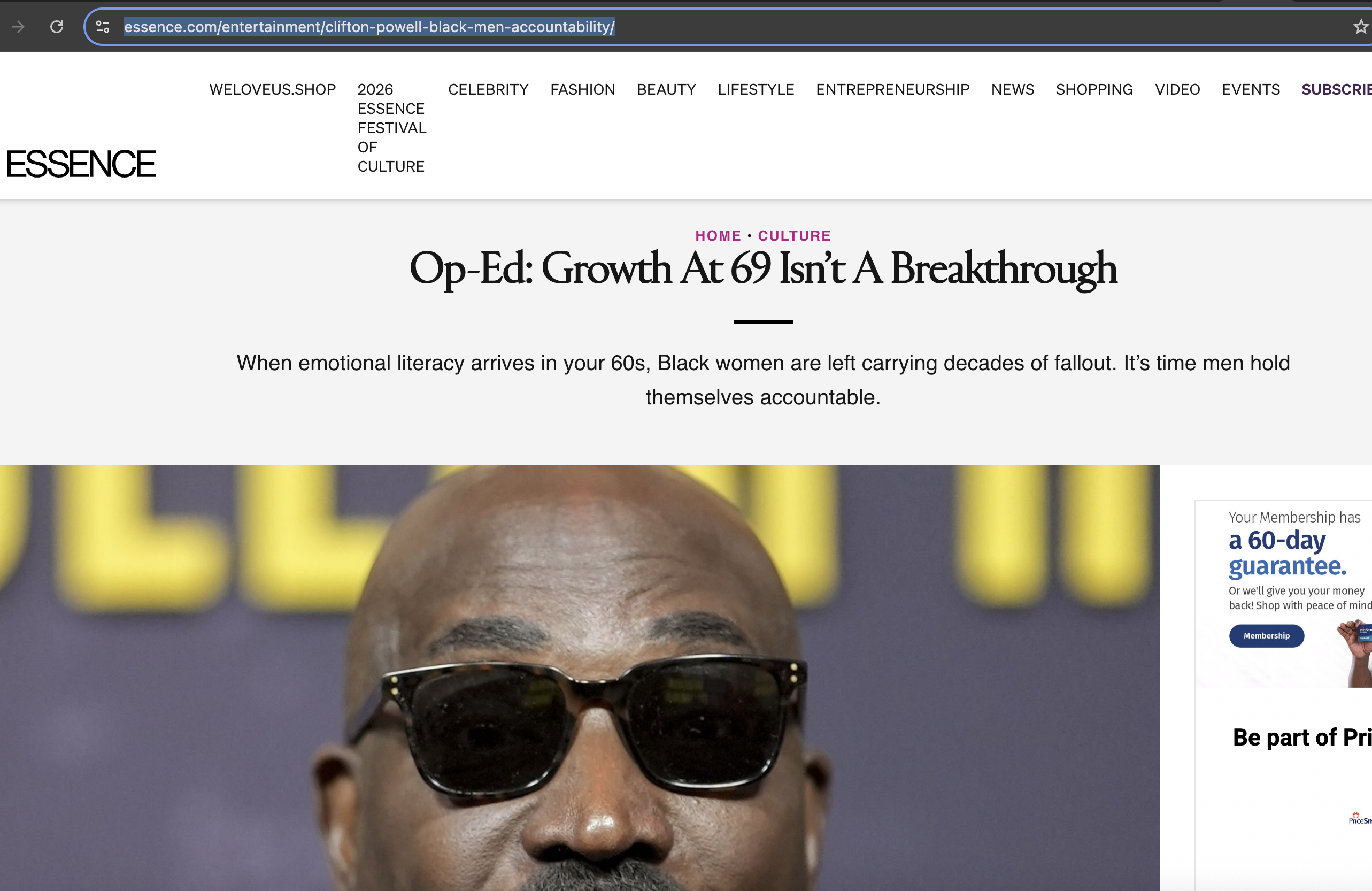
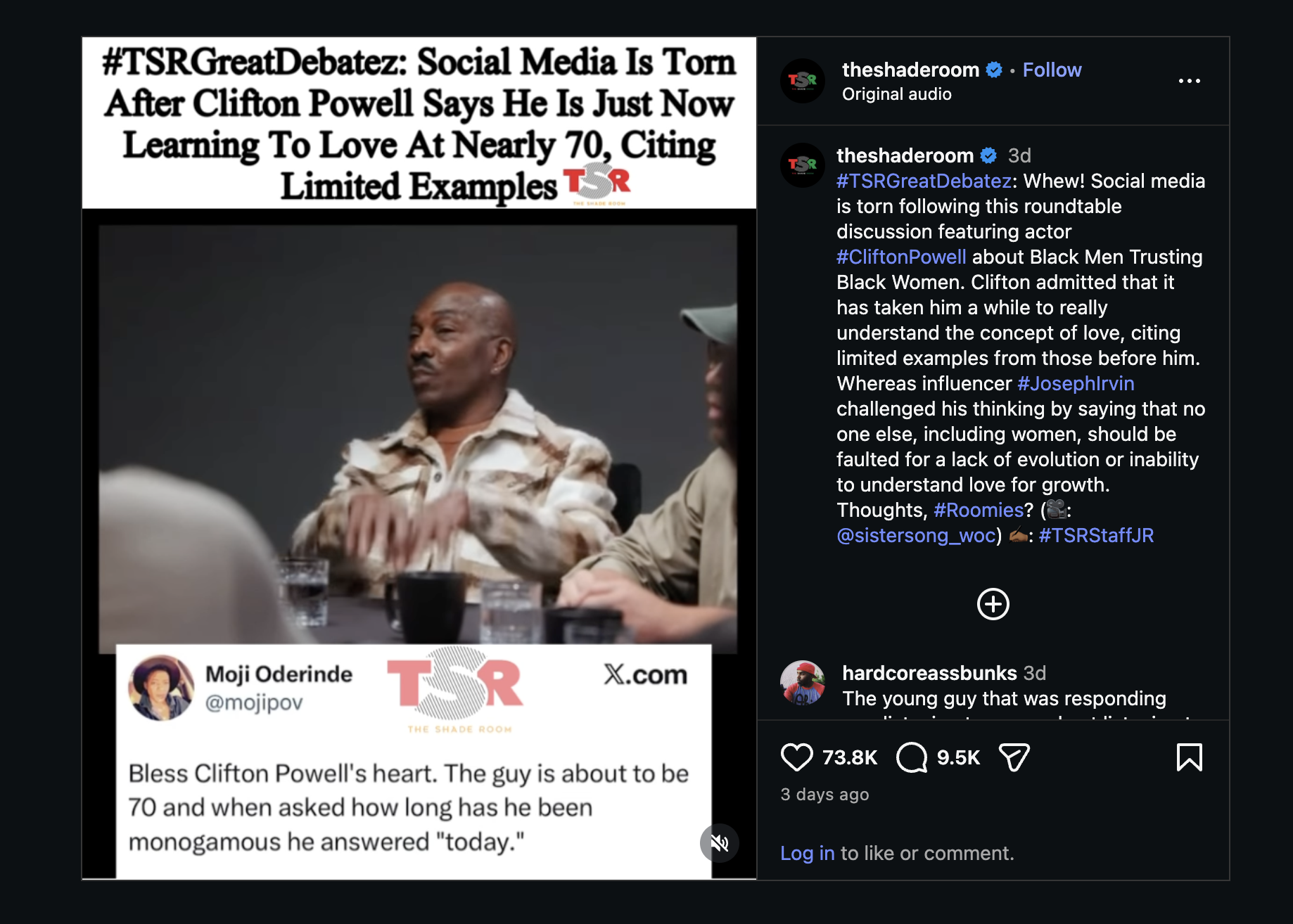
Within eight days of release, the Black Men Trust Black Women Roundtable generated over 208,000 views and more than 10 million impressions across platforms. We surpassed our brand awareness goal of reaching one million Black men, with the conversation organically expanding far beyond our immediate audience. Clips circulated widely across social media, entering group chats, influencer pages, media/press such as Essence, the Root, Black Enterprise to name a few, blogs, and debate threads, exactly where cultural shifts begin.
More importantly, the project sparked sustained dialogue. Supporters, critics, thought leaders, and everyday community members engaged deeply with the themes of accountability, abortion stigma, masculinity, and trust. The discourse was passionate and, at times, uncomfortable, which signaled that the content was resonating at a structural level rather than being passively consumed.
The accompanying toolkit extended impact beyond digital impressions by equipping audiences to host their own peer-led conversations. Community organizations, students, and local leaders began using the framework to facilitate discussions offline.
We consider this effort a success because it met both quantitative and qualitative goals: broad awareness, cultural penetration, and active engagement. The Roundtable didn’t just trend, it shifted the terrain of the conversation and positioned Black men as visible participants in the fight for reproductive freedom.