Colorectal cancer (CRC) is now the second-leading cause of cancer death in the US. Yet fewer than 1 in 5 adults ages 45-49 are up-to-date on screenings, and 66% have never screened. The urgency gap is personal. When people have no personal connection to CRC, screening urgency drops by double-digit percentage points.
Today’s 45-49-year olds may not see themselves in traditional healthcare messaging, despite being at the age where screening matters most.
Cologuard operates in a category people actively avoid thinking about. To break through, we needed to elevate urgency without fear or shame. Our strategy was to make CRC screening feel personal for people turning 45, closing the urgency gap by creating an emotional connection that helped shift our audience’s mindset to see ‘this is about me.’
Insert the internet’s strongest weapon: nostalgia. Particularly for our 45+ audience, nostalgia functions like a personalized time machine that collapses their past and present into a single emotional moment. It’s also one of the most reliable drivers of engagement across social feeds, group chats, and private messages.
We aimed to turn nostalgia into a high-attention social trigger to close the CRC urgency gap.
This led to Nostalgic Alarm Clocks: the people, memes, moments and references that gently but unmistakably remind you of your age. We used these culturally fluent triggers as Cologuard’s way to create a personal connection to CRC screening and turn attention into action.
We set out to activate Nostalgic Alarm Clocks across the internet as wake-up calls, reframing CRC screening not as a medical obligation for “older people,” but as a proactive move to protect the life you’re actively living.
Our goals were to:
The campaign began with a real tension: our audience over-indexed on horror and scary content for the cathartic release it provides, yet avoided serious health conversations because they feel emotionally uncomfortable. By playing into this tension through the lens of Nostalgic Alarm Clocks, Cologuard could reduce anxiety while increasing urgency around colorectal cancer screening.
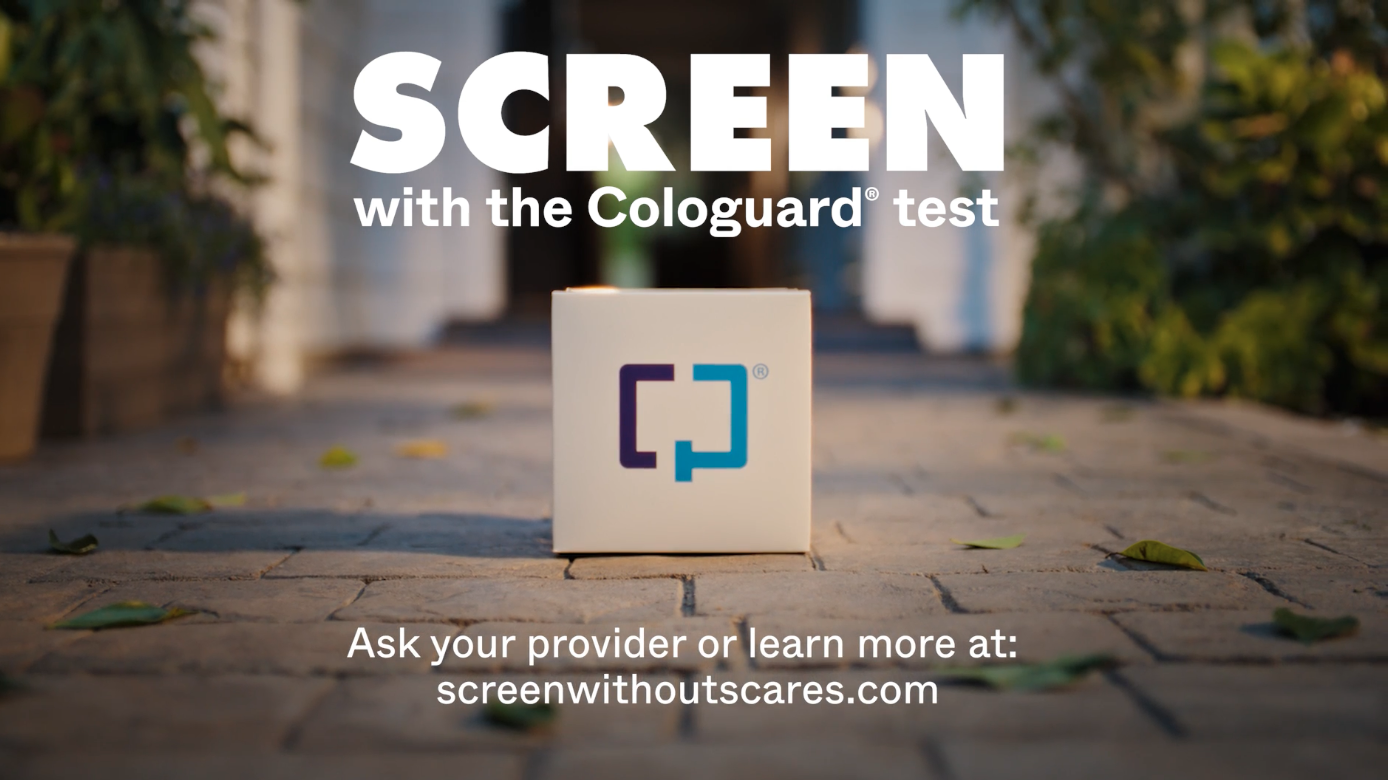
We developed a concept, “SCREEN” that blended 90s nostalgia, horror culture, and humor to create a wake-up call for screening urgency. Casting Matthew Lillard was central to bringing the idea to life. As an icon from the original Scream and a defining face of 90s pop culture, he carried instant nostalgia and credibility for our 45+ audience. A familiar face that could pull them in, then deliver the wake-up call.
Matthew was our lead, but timing was our supporting actor. By launching just before Halloween, we aligned this Cologuard campaign with a moment when horror content naturally dominates social feeds. At the same time, renewed attention surrounding the upcoming Scream 7 release gave the work broader cultural relevance. Instead of interrupting entertainment, the content could drive it.
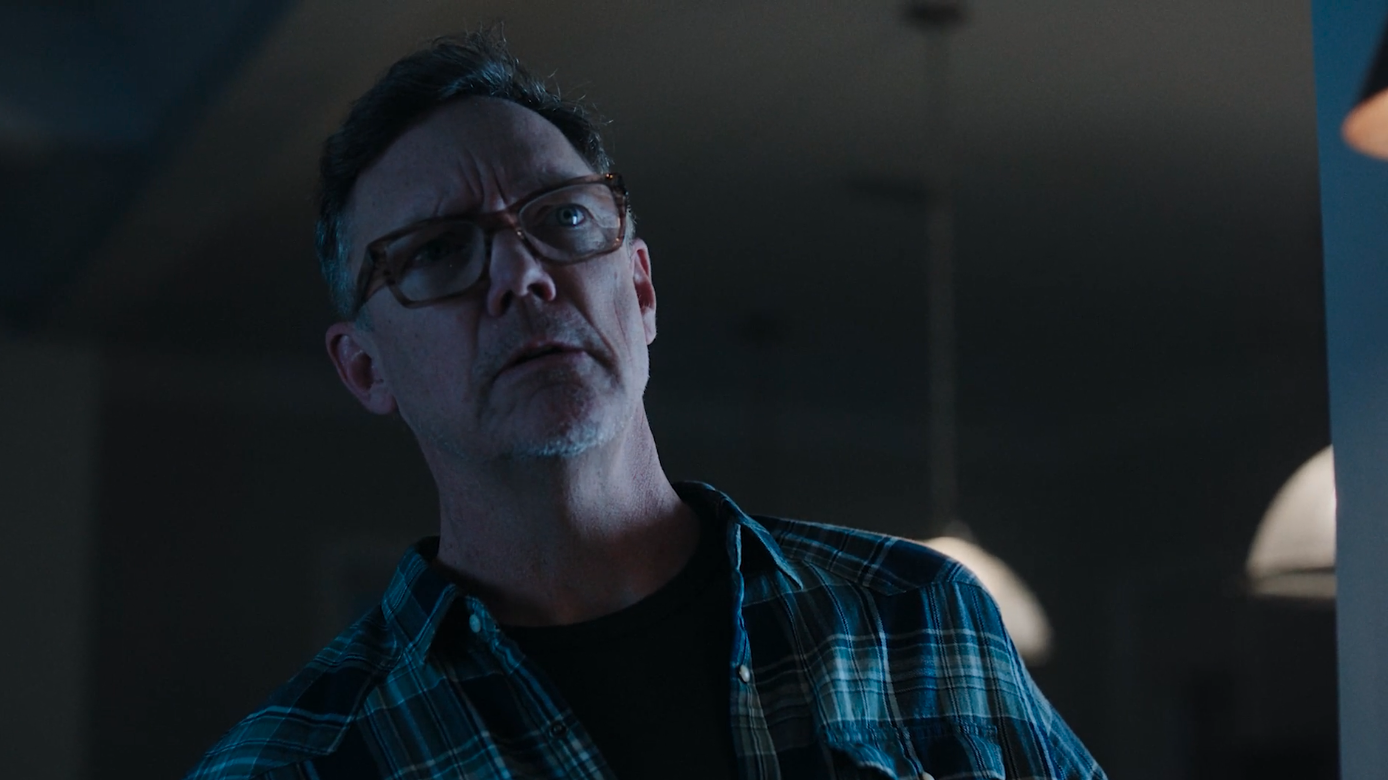
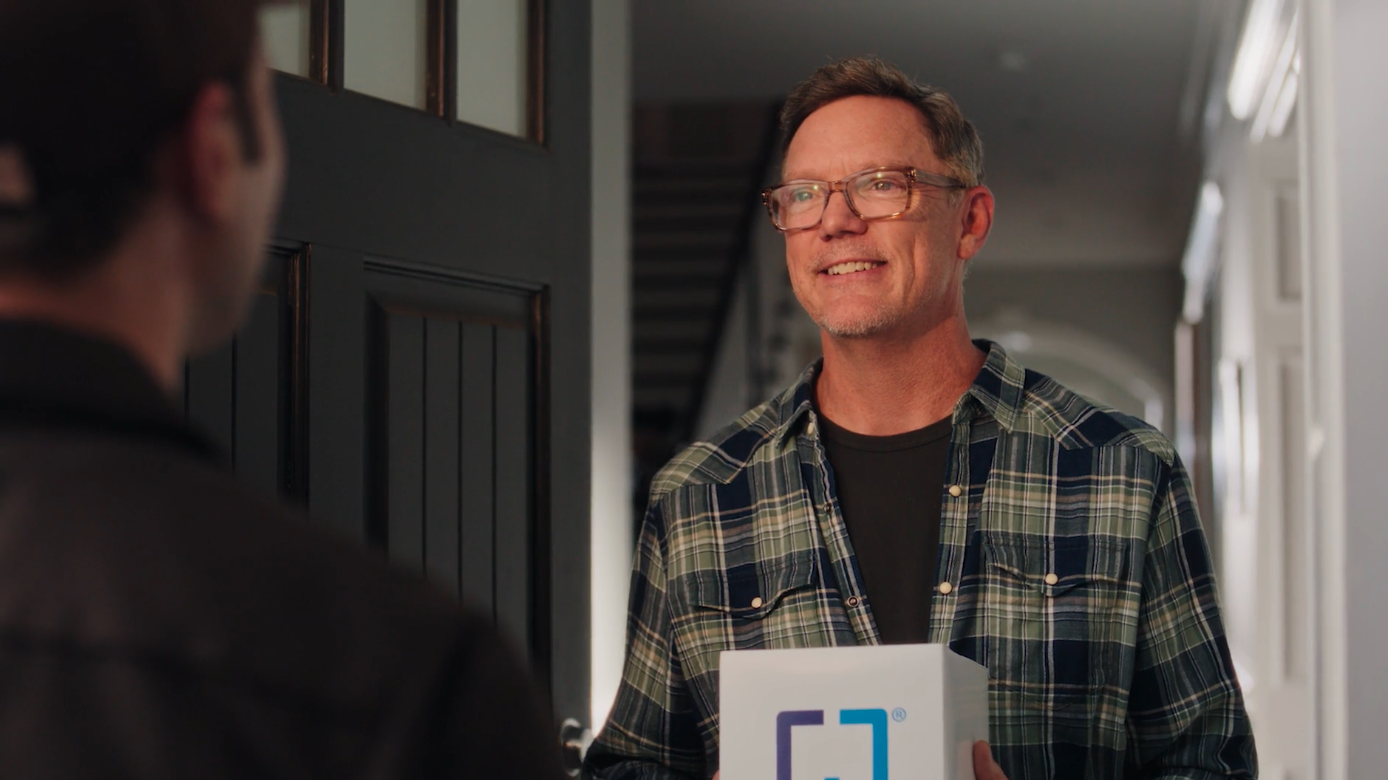
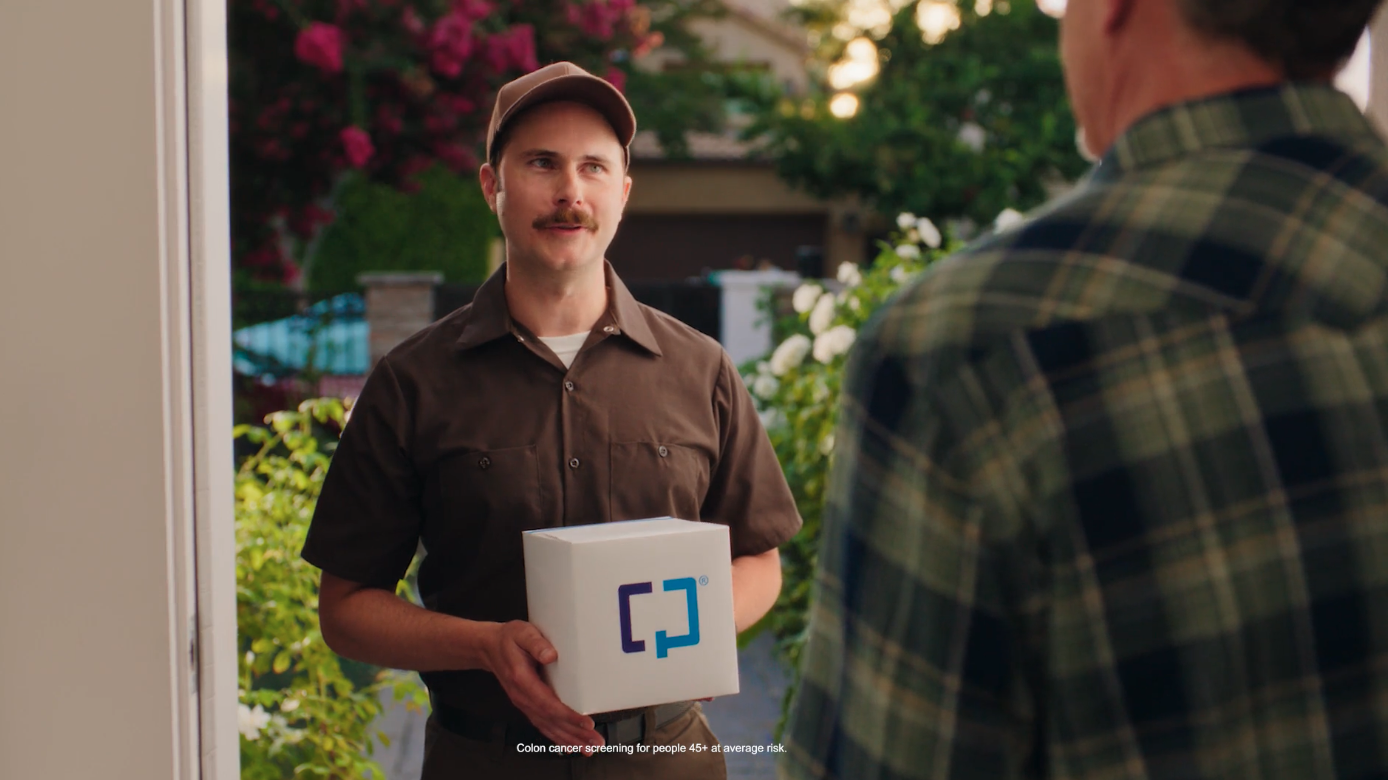
We brought the idea to life through a short-form horror parody designed to travel across social. Tension builds as Lillard hears a frightening knock at the door. He slowly approaches the door passing 90s easter eggs, horror tropes, and distinct Cologuard brand cues, only to reveal something shockingly ordinary: a Cologuard screening kit delivery.
When the door opens, the tension breaks and the tone flips from horror to humor, as Lillard and his Cologuard delivery driver land the Cologuard call-to-action and reframe skipping screening as the scarier choice.
Like any great horror film, the end of our hero short was only the beginning. We extended the idea with surround sound content from nostalgic celebrities (Lance Bass) and social creators, as well as trusted healthcare experts to ensure our campaign balanced humor, nostalgia, and education.
Challenges and execution required close collaboration across creative, media, and brand teams:
What made SCREEN and the broader campaign unique was its subversion of both traditional healthcare advertising and familiar social formats, transforming screening from an avoidable obligation to a message people chose to watch, engage with, and share.
SCREEN and the broader campaign exceeded healthcare category benchmarks across engagement, effectiveness, and action, validating our “Nostalgic Alarm Clock” strategy to create a personal connection that drove urgency around CRC screening. Casting Matthew Lillard as the hero, supported by more nostalgic talent and trusted voices, created instant credibility with adults 45+ and made our message feel natural, not forced.
The work delivered against our core objectives: earning outsized attention in a low-interest category, increasing emotional relevance among adults 45+, and driving meaningful consideration and action around screening.
Key outcomes:
SCREEN succeeded because it reframed how CRC screening could show up in culture. Instead of leaning on fear or clinical framing, cultural fluency disarmed avoidance and drove urgency.
Through ‘nostalgic alarm clocks” the campaign expanded what healthcare branded content can be and demonstrated that culturally led creativity can drive both engagement and meaningful health action.