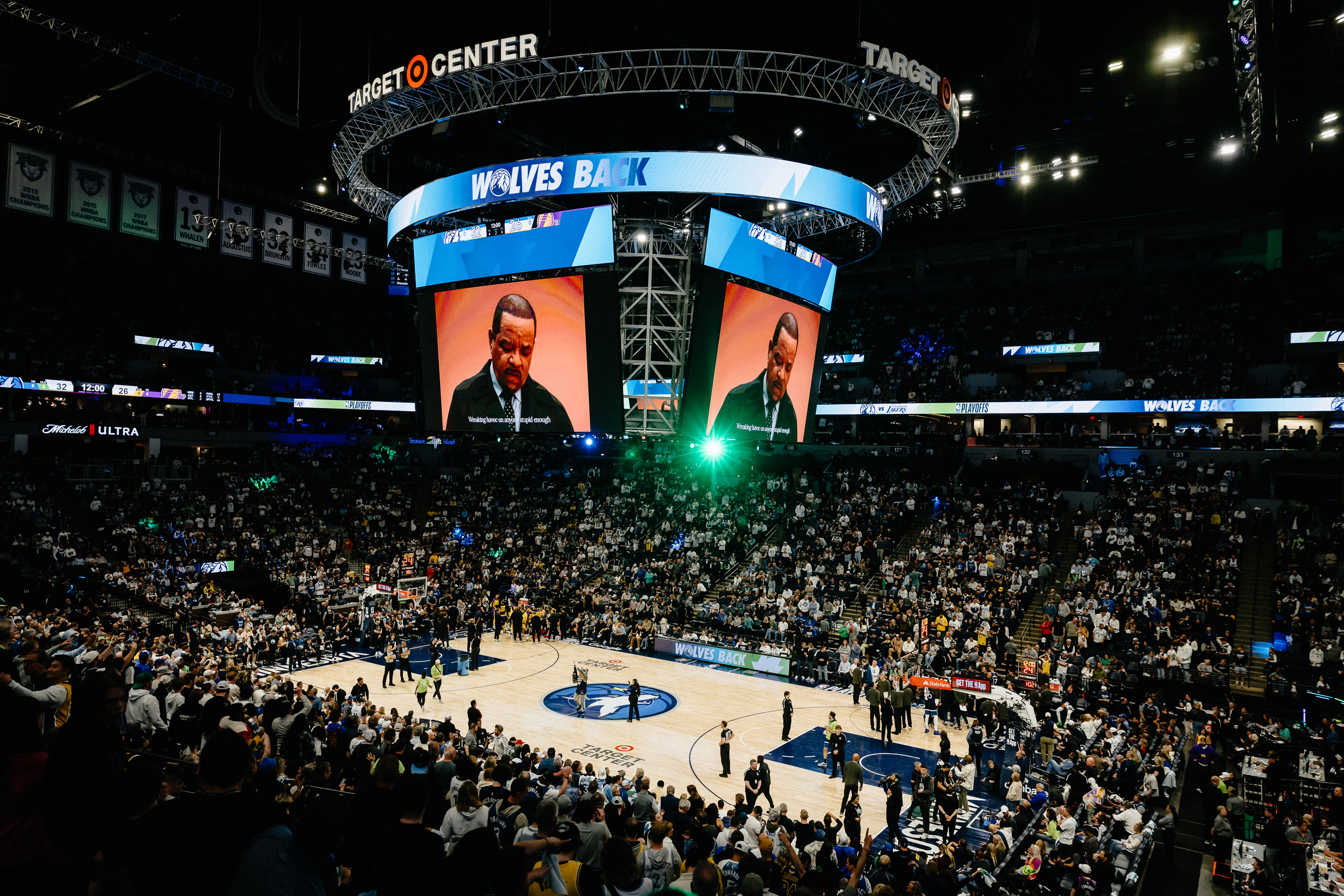
The NBA Playoffs represent a peak emotional moment for basketball fans: intensity is high, loyalty is visible, and attention is captive. With “Man Down” establishing a bold, cinematic world for Anthony Edwards on screens, Game 3 at the Target Center presented an opportunity to translate the narrative from film into a fully immersive, physical world fans could step inside.
To fully realize the opportunity, we focused on three priorities: scale the story beyond the screen, turn energy into action at retail, and give fans a world they could physically inhabit.
Building off the cultural momentum of adidas’ “Man Down” integrated campaign for Anthony Edwards, we set out to extend the cinematic world into a live, physical experience, elevating it through immersion, scale, and fan participation. Our experiential insight was simple but powerful: fans don’t just want to watch a mystery unfold, they want to solve it themselves.
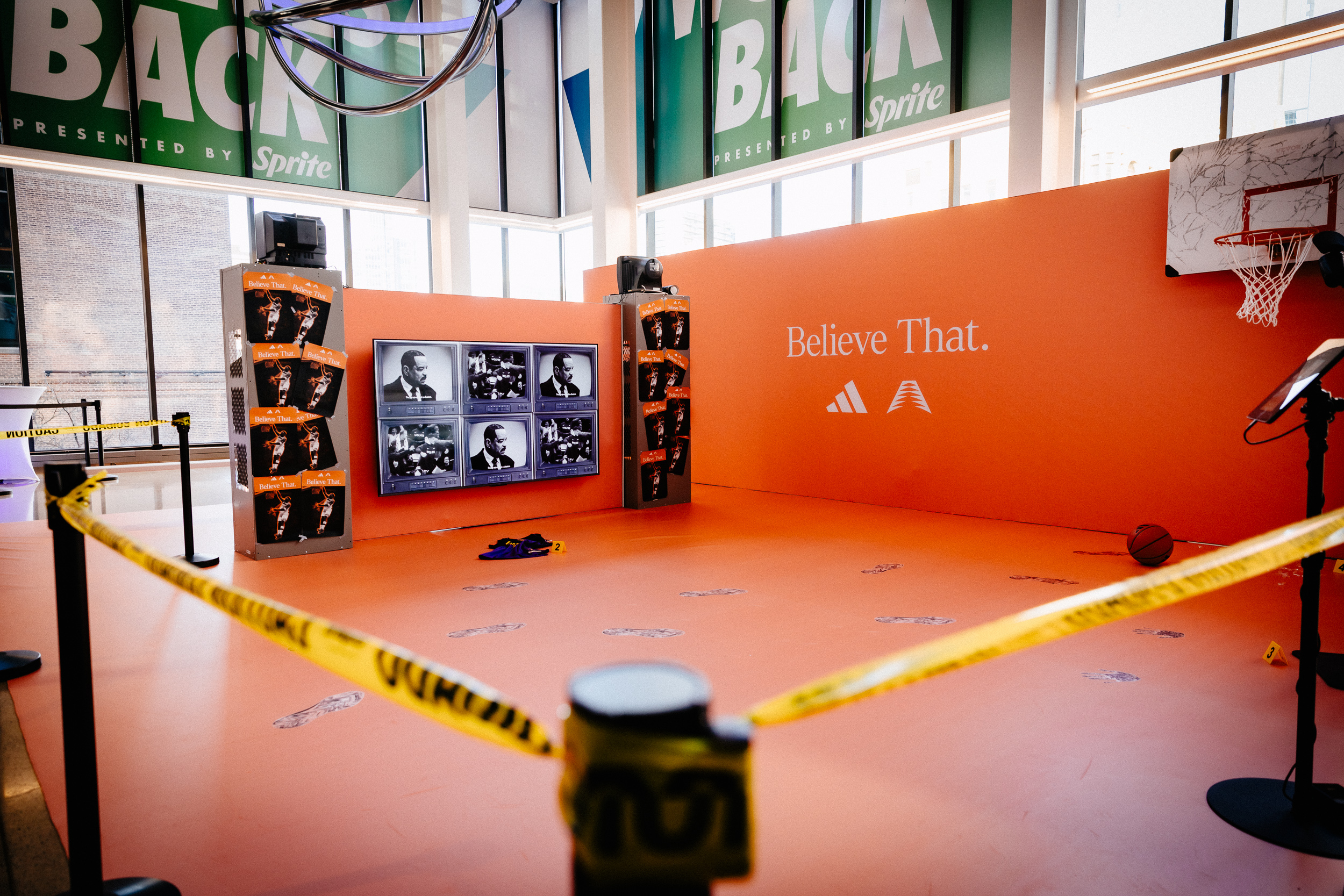
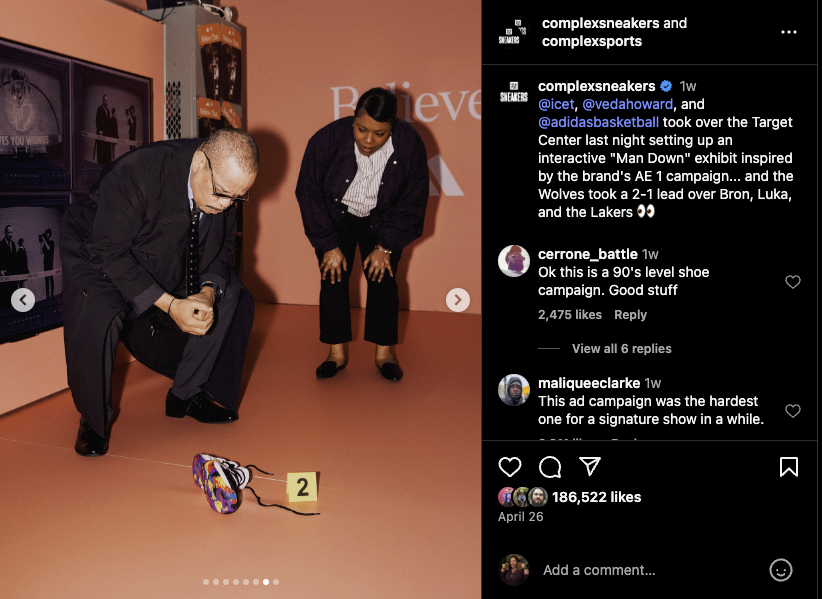
So we turned the Target Center concourse into a campaign-aligned, color-blocked, fully immersive crime scene.
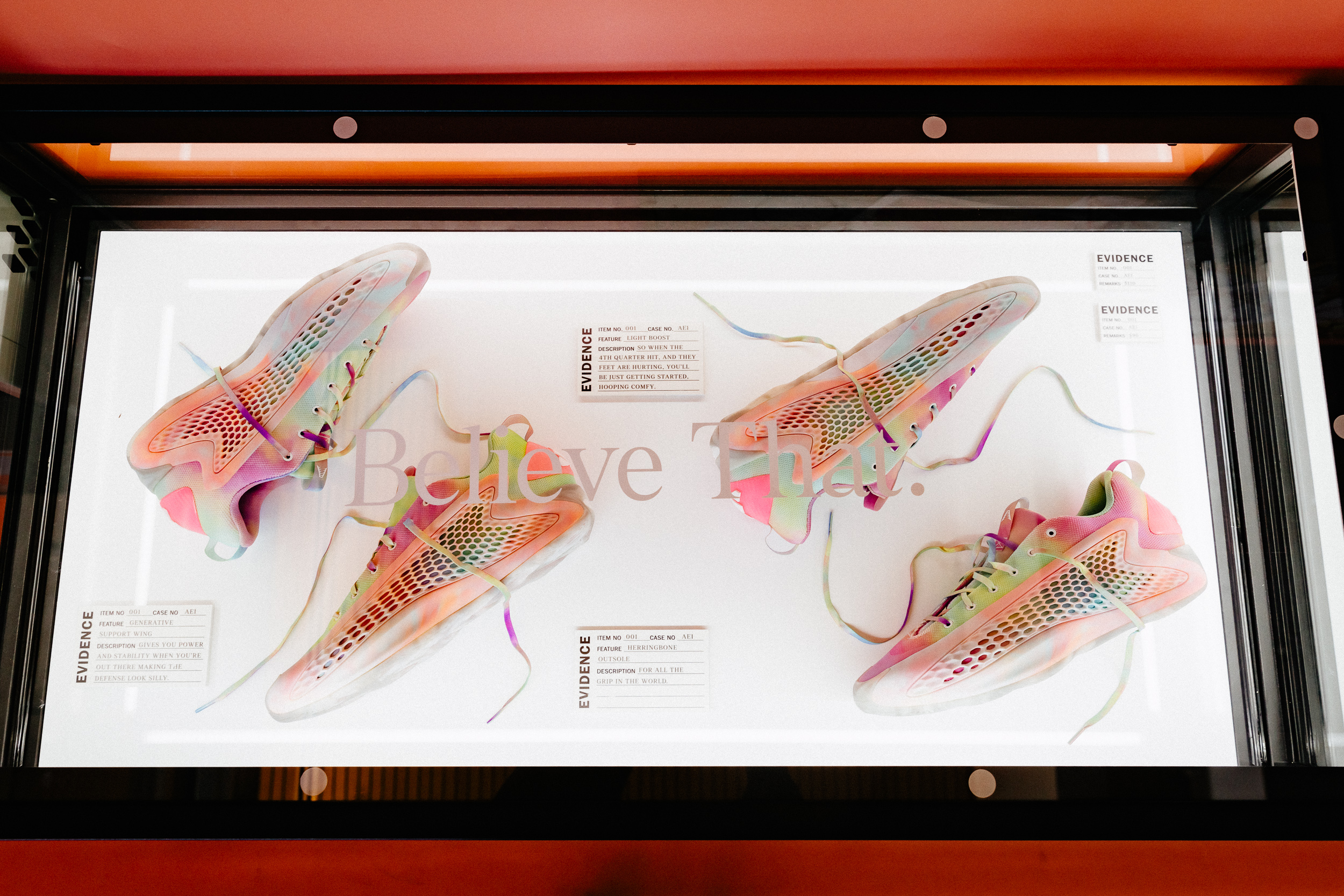
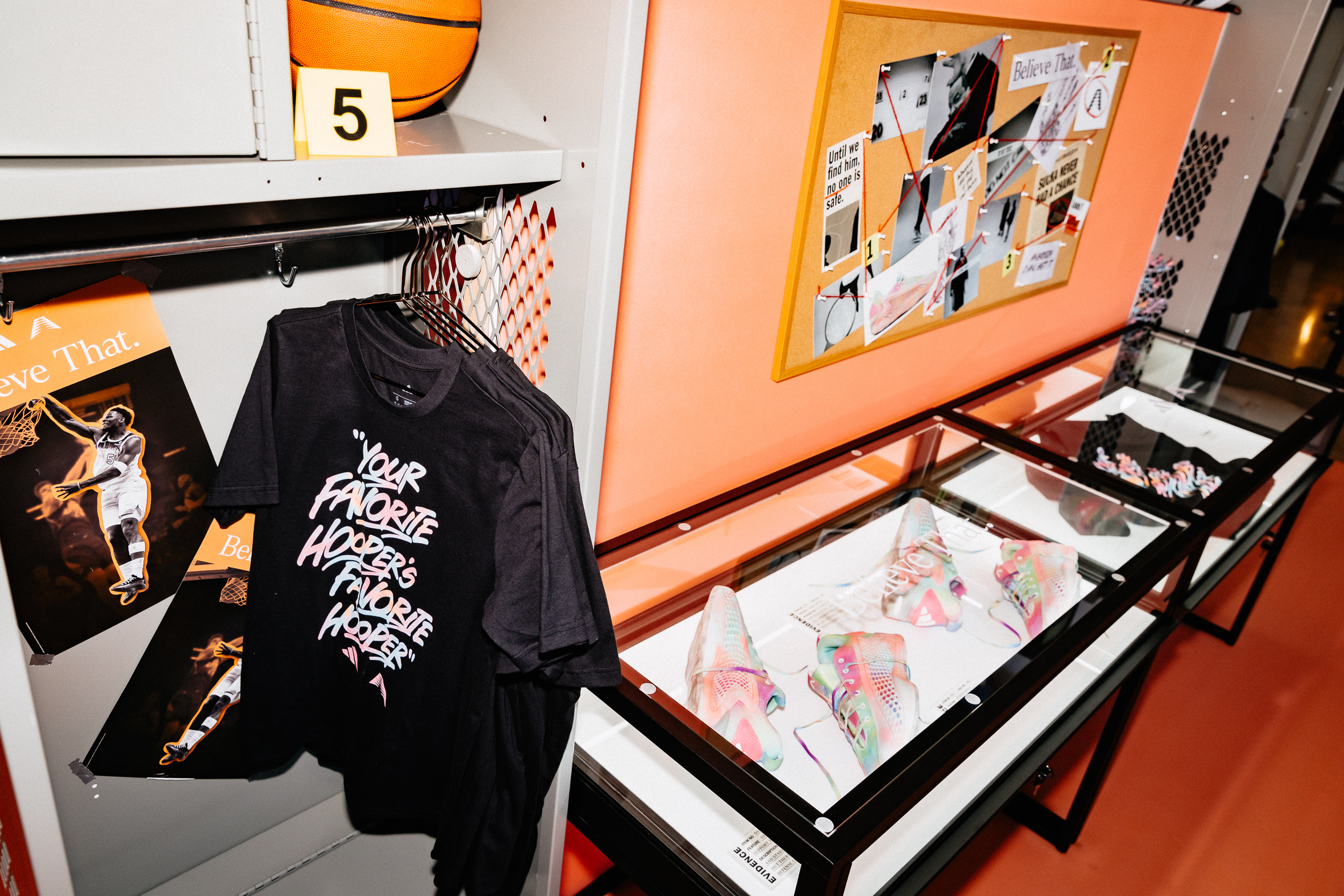
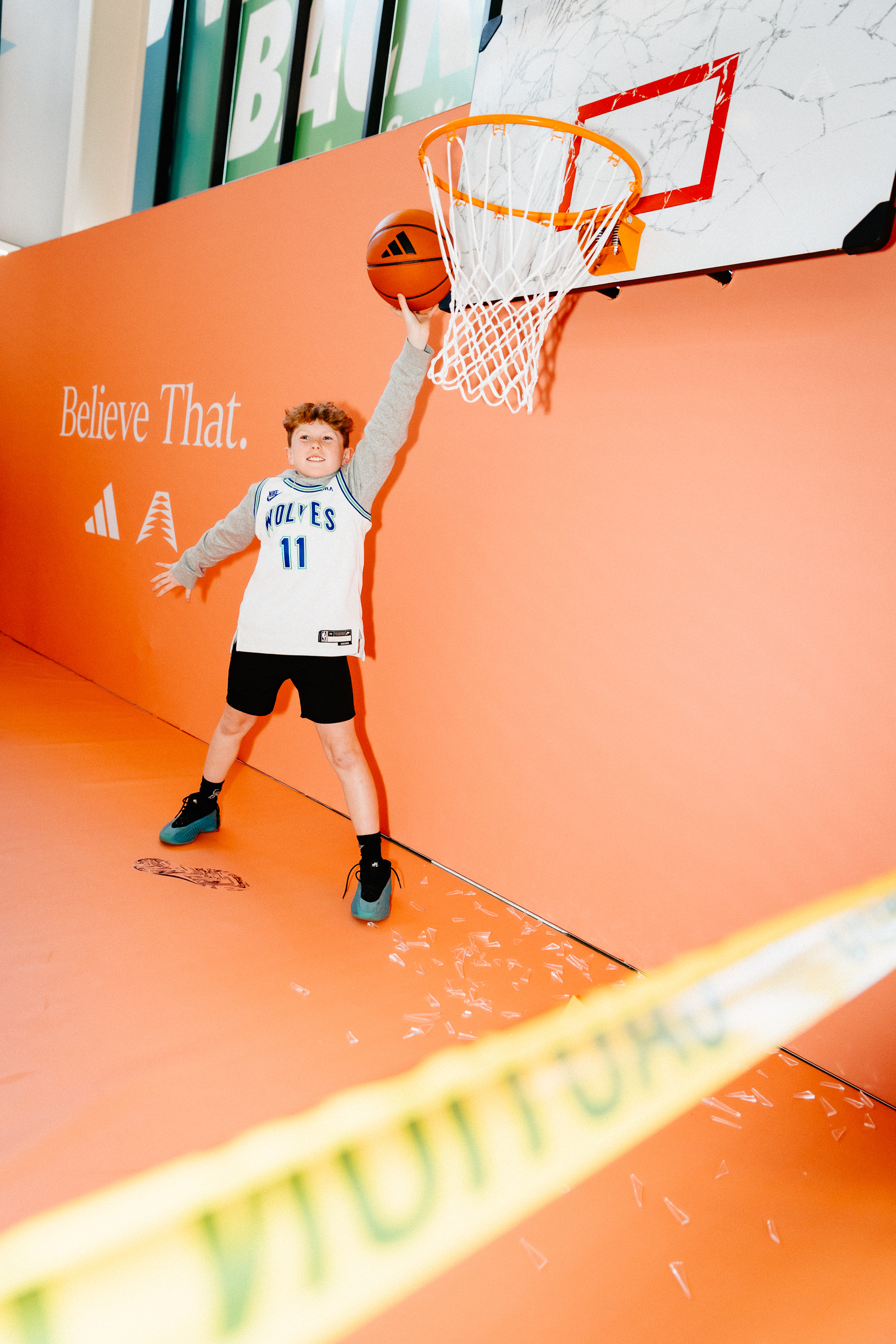
Timed to Game 3 of the Timberwolves’ playoff run – a sold-out, high-stakes moment inside the Target Center – we transformed the arena concourse into a fully immersive extension of the campaign universe. Shattered backboards. Evidence markers. CCTV monitors looping footage. Footwear displays reimagined as forensic exhibits. Every design choice reinforced the playful, whodunnit tone of “Man Down,” while remaining unmistakably basketball.
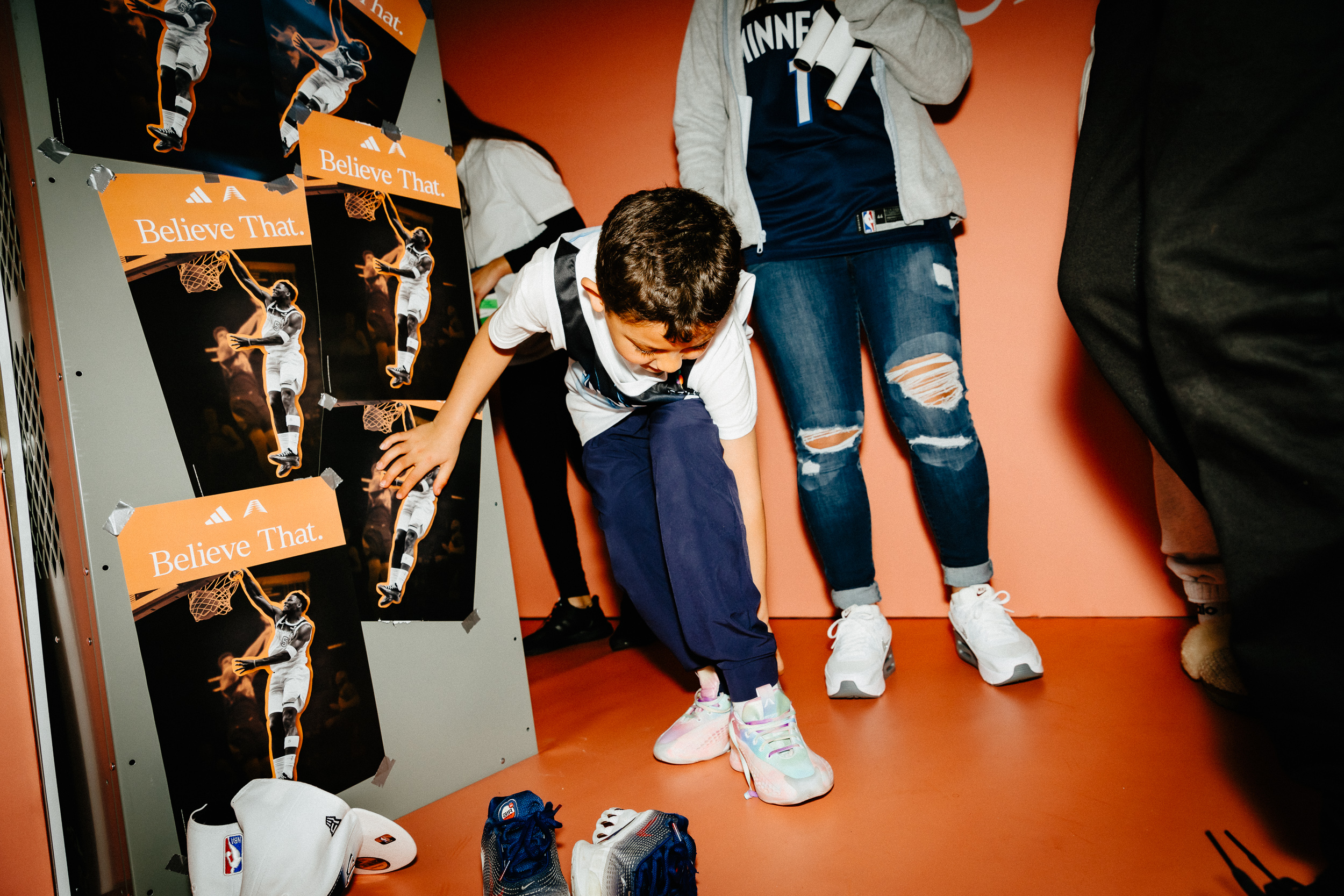
But this was more than a set piece. It was participatory storytelling. At the center of the activation was the Dunk Zone: a reenactment moment where fans could lace up the AE 1 and recreate the dunk that “started it all.” Cameras captured each attempt, generating a personalized, posterized image of the fans mid-crime. They weren’t just witnesses; they became main characters.
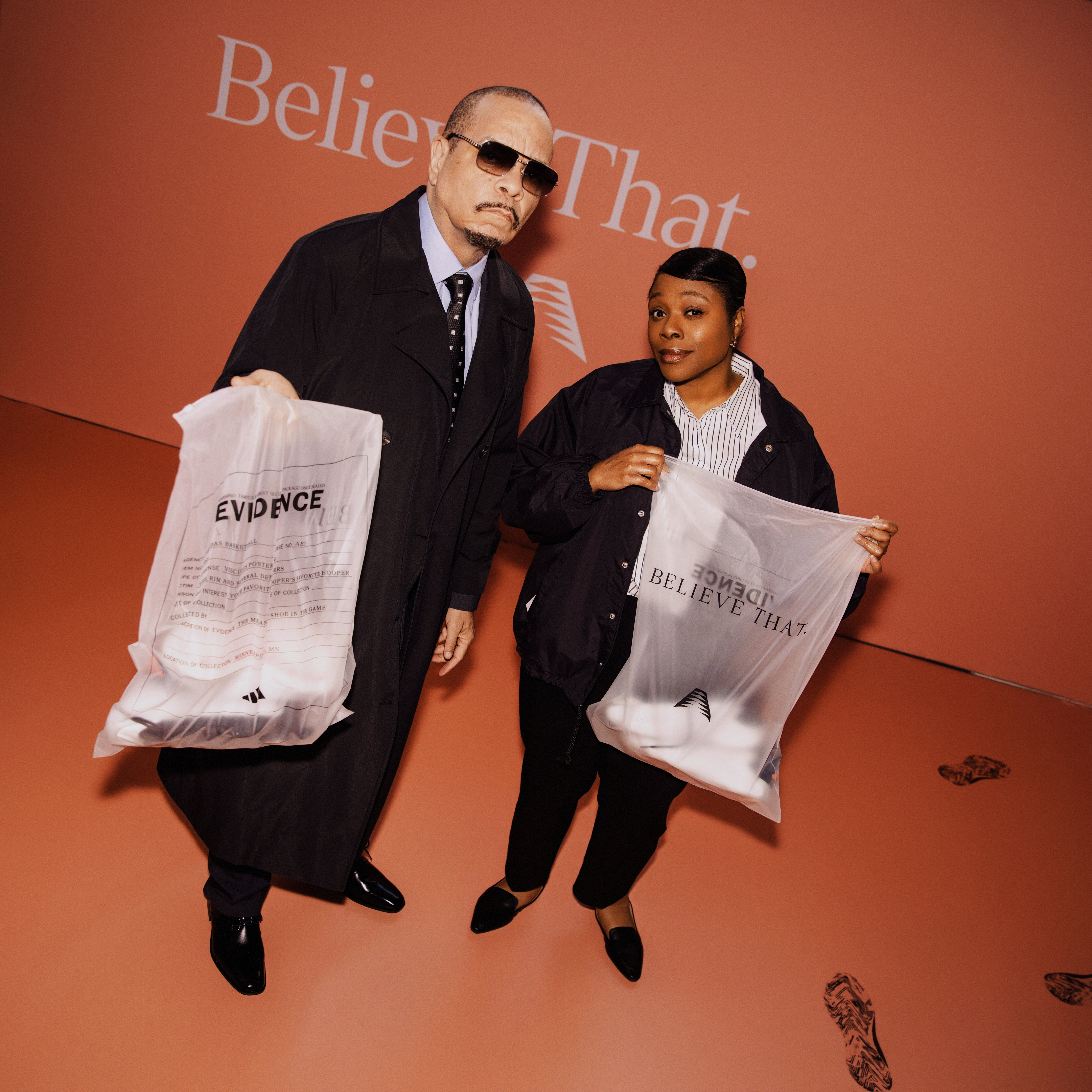
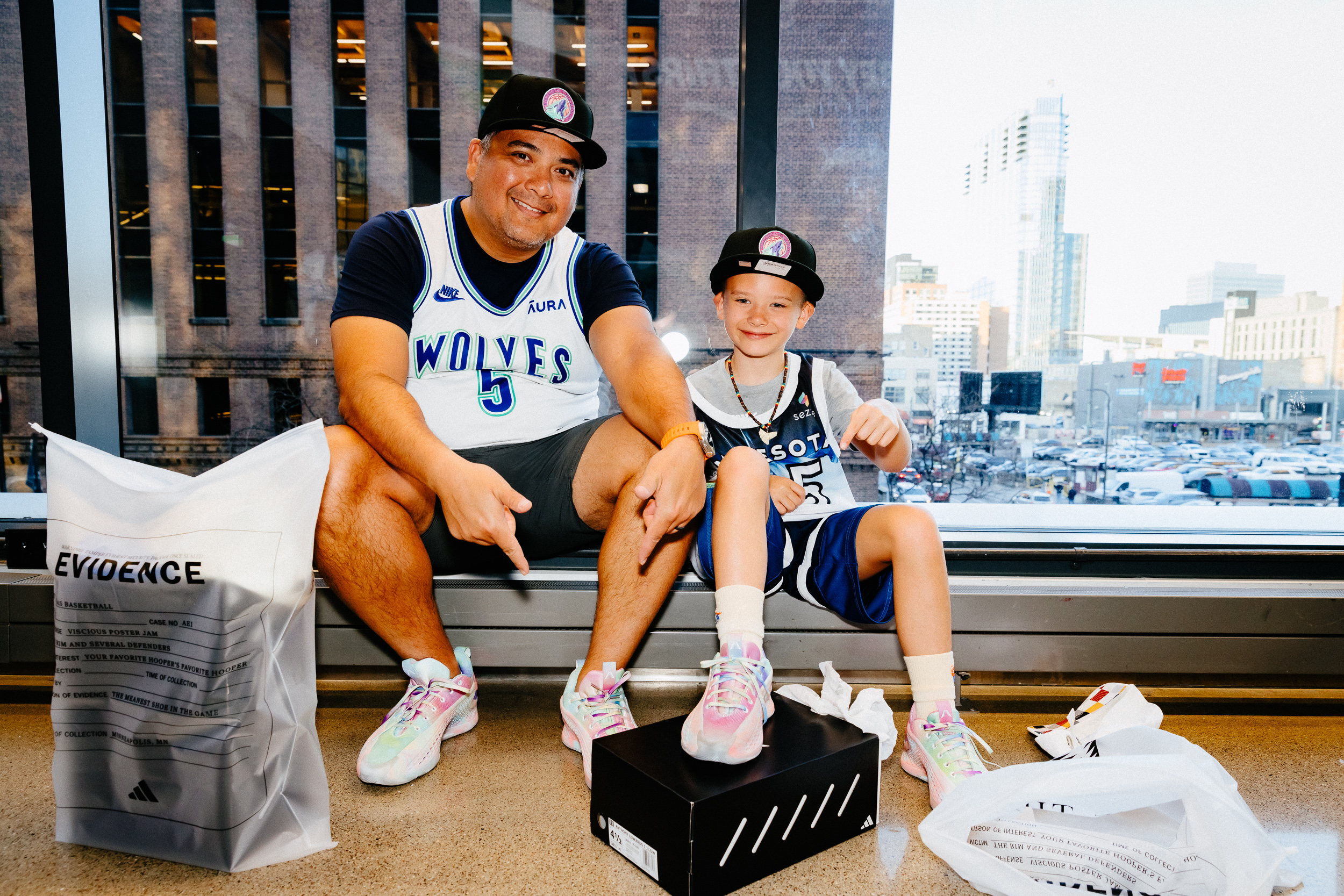
Retail was seamlessly integrated into the narrative. Size runs of the AE 1 were displayed as “evidence.” Purchases were sealed inside custom evidence bags, transforming a transaction into a collectible artifact. Copping the bag became a flex.
To further blur the line between fiction and reality, we amplified the cultural credibility on-court with a surprise appearance from Ice-T in character, reinforcing the SVU-inspired narrative, while Timberwolves mascot Crunch joined the “investigation.” The result was a fully cohesive, theatrical experience that felt worthy of the playoff stage.
The key creative challenge was translating a stylized film narrative into a tactile, engaging arena experience without losing energy or authenticity. We designed modular scenic builds that could withstand heavy foot traffic, built retail integration directly into the set design, and ensured the dunk capture moment was frictionless so lines moved quickly during pre-game and halftime windows.
Most importantly, we designed the experience for the fans in the building first. Social amplification was the ripple effect to follow. By prioritizing participation, personalization, and hands-on product trial, we built something inherently shareable because it was genuinely memorable.
The AE 1 “Man Down” activation became the most talked-about moment of Game 3 outside of the game itself. In a high-stakes playoff environment, adidas didn’t just show up — it built a world. The result was measurable cultural impact, real-time commerce, and meaningful fan participation.
1. Generated Earned Media Impact: The immersive crime scene concept sparked widespread organic buzz across organic social and sneaker and sports culture channels.
Media coverage and fan-generated content extended the life of the activation beyond Game 3, turning an in-arena experience into a culturally amplified playoff moment.
2. Drove Immediate Sell-Through: Playoff energy translated directly into purchase.
Every unit allocated to the activation sold out, proving the experience both entertained and converted.
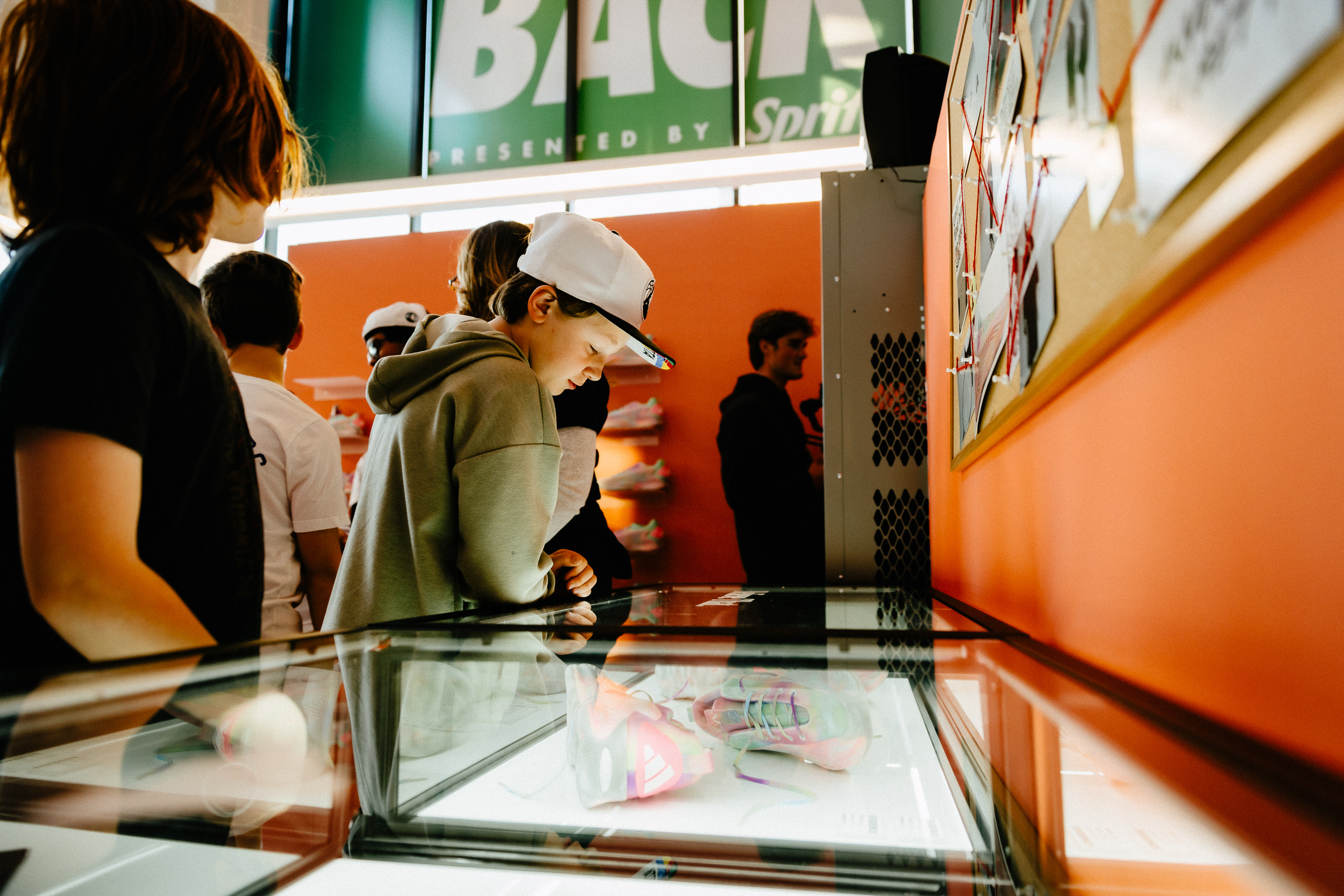
3. Deepened Emotional Connection: The activation became a high-traffic destination within the Target Center, with 1,158 guests moving through the experience during Game 3. Fans didn’t just observe the story; they stepped into it.
These participation signals demonstrated that fans weren’t passively consuming; they were actively engaging.
Together, the results proved that when storytelling becomes participatory, it builds both brand love and business impact.