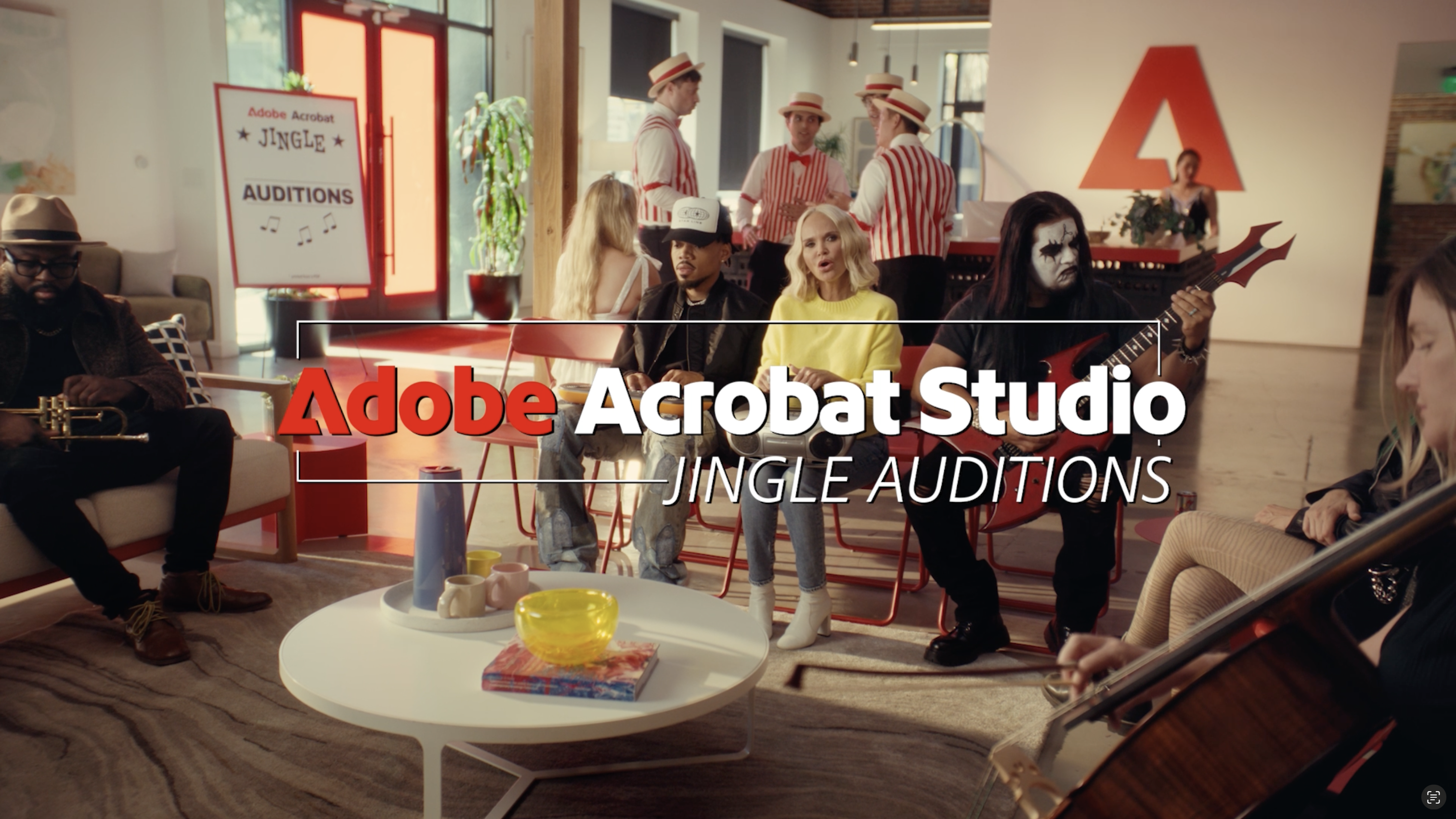
With the launch of Acrobat Studio, Adobe introduced a powerful new ecosystem featuring PDF Spaces, AI-powered insights, and content creation through Adobe Express. The challenge was that productivity tools are often perceived as functional but culturally invisible, and traditional feature demos tend to reinforce that perception. To break through, the campaign embraced a knowingly absurd format: a celebrity jingle announcing enterprise-grade software.
By leaning fully into the awkwardness of trying to “go viral,” the campaign allowed comedy to emerge naturally from overconfident marketing ambition rather than mocking the product itself. Each execution used exaggerated creative notes, unexpected musical genres, and sincere celebrity performances to create humor through contrast. The joke wasn’t Acrobat; it was the process of making ads.
The goal was to reward attention, encourage repeat viewing, and embed real product education inside a comedic structure that felt self-aware, social-native, and shareable. By treating humor as a strategic tool rather than a tonal layer, the campaign aimed to shift perception, increase recall, and make Acrobat feel human, relevant, and genuinely entertaining.
The Acrobat Studio Celebrity Jingle campaign was brought to life by treating humor as the strategy, not the garnish. The plan was to reintroduce a deeply functional productivity product by turning the uncomfortable process of marketing itself into the joke, while positioning Acrobat Studio as the calm, capable center of the chaos.
The team began by identifying a universally relatable creative tension: the overconfidence and excess that often accompany attempts to “go viral.” Rather than exaggerating the product, the campaign exaggerated the people tasked with selling it. This insight shaped the core comedic framework, fictional open auditions for an Acrobat jingle, where earnest musical talent collided with increasingly misguided creative direction.
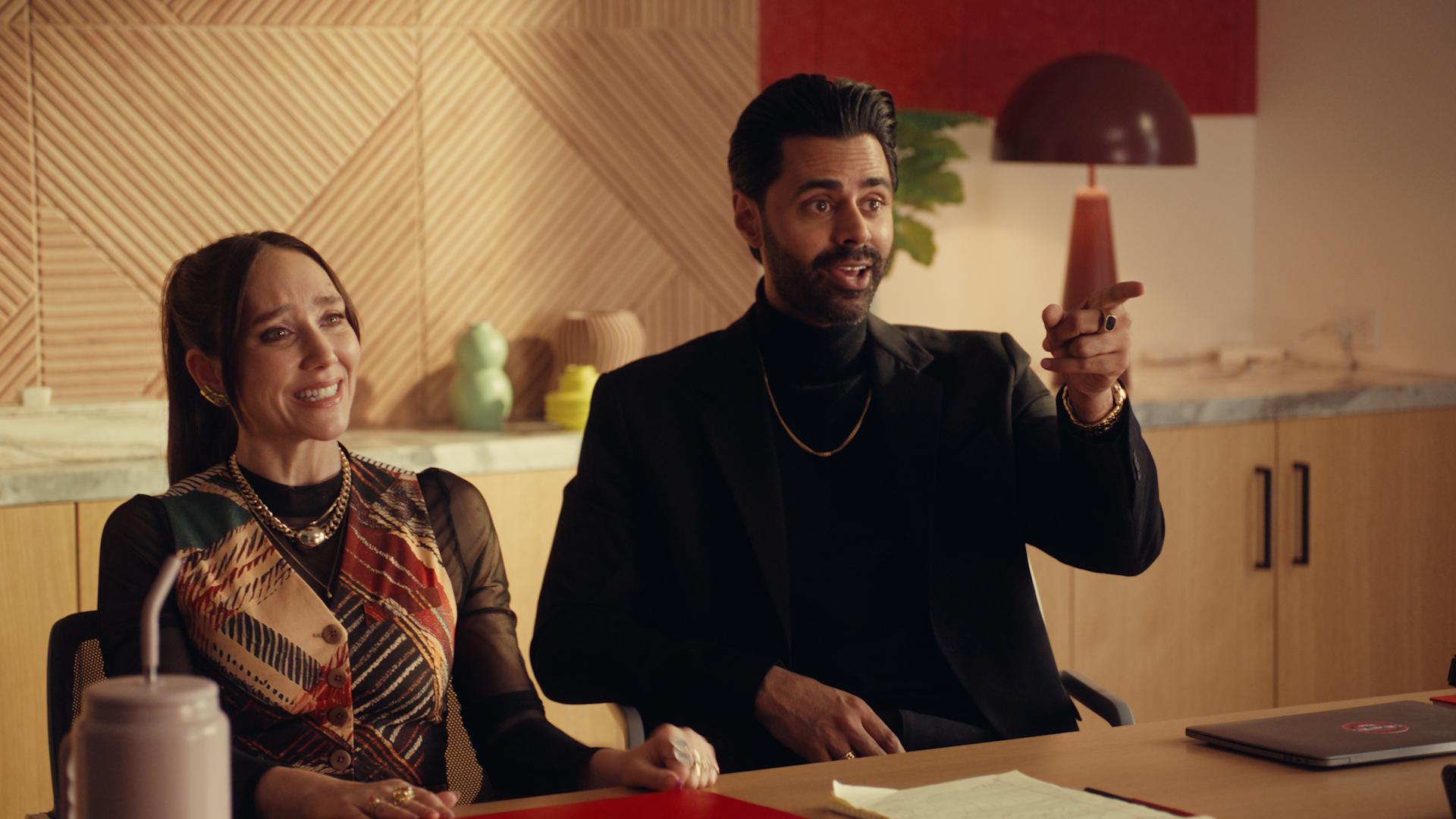
Execution followed a writer’s-room approach, with scripts developed collaboratively to ensure comedic beats were character-driven and earned. Humor was built on contrast and sincerity. Musicians were directed to perform with complete seriousness, while fictional marketers delivered exaggerated, overly specific notes. Acrobat Studio was never the punchline. The joke lived in human behavior, not technology.
Music functioned as both the comedic device and the educational mechanism. Each execution used the same jingle structure across wildly different genres, turning repetition into a feature rather than a liability. Product benefits, including PDF Spaces, AI-powered insights, and content creation through Adobe Express, were embedded directly into lyrics, allowing information to repeat without feeling instructional or forced.
The campaign was designed as a modular, social-first series rather than a single spot. A hero video established the premise, followed by individual celebrity “callbacks” optimized for TikTok, Instagram Reels, and Shorts. Each piece worked as a standalone joke while reinforcing a larger comedic world, encouraging repeat viewing and audience comparison across genres.
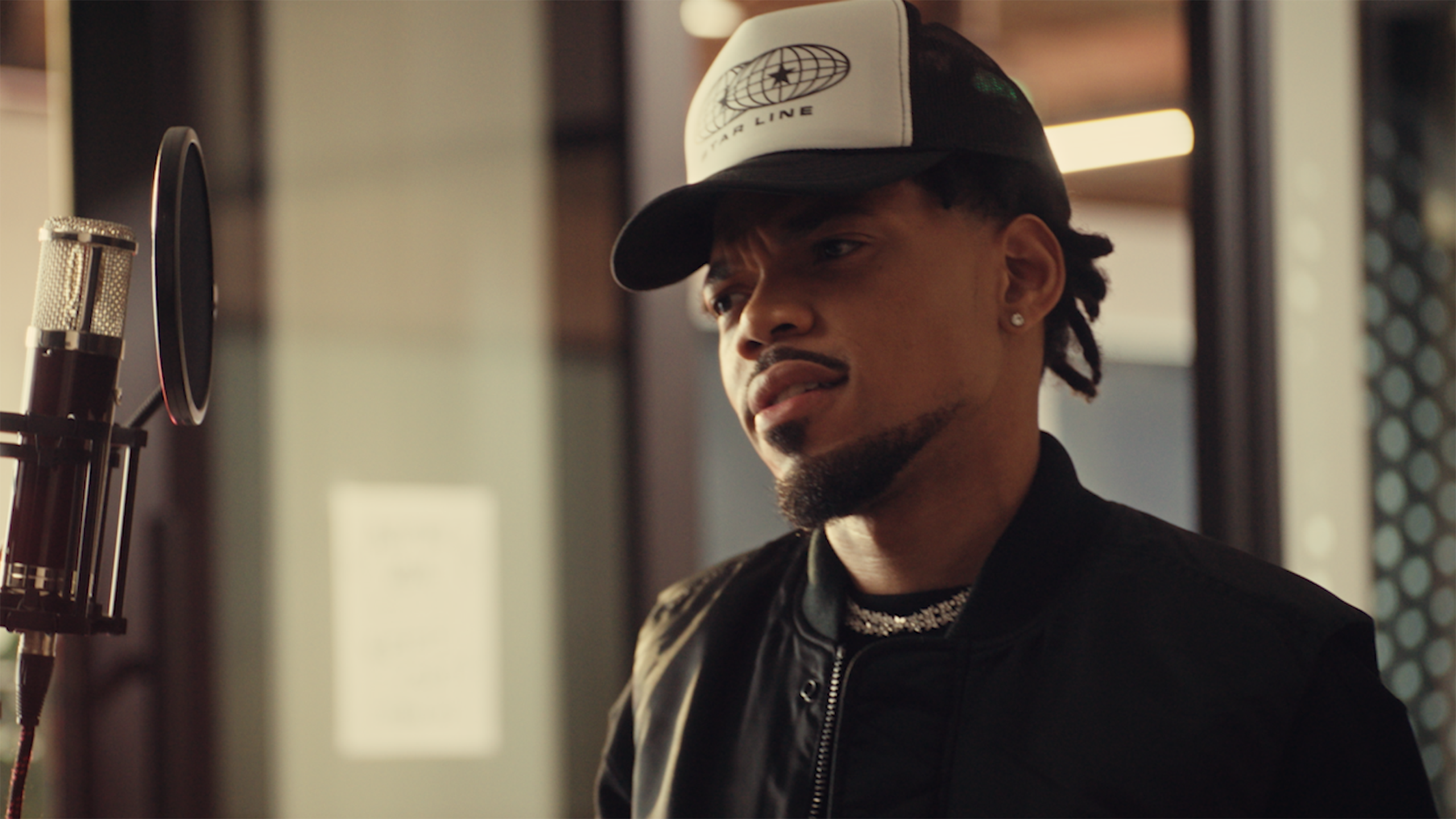
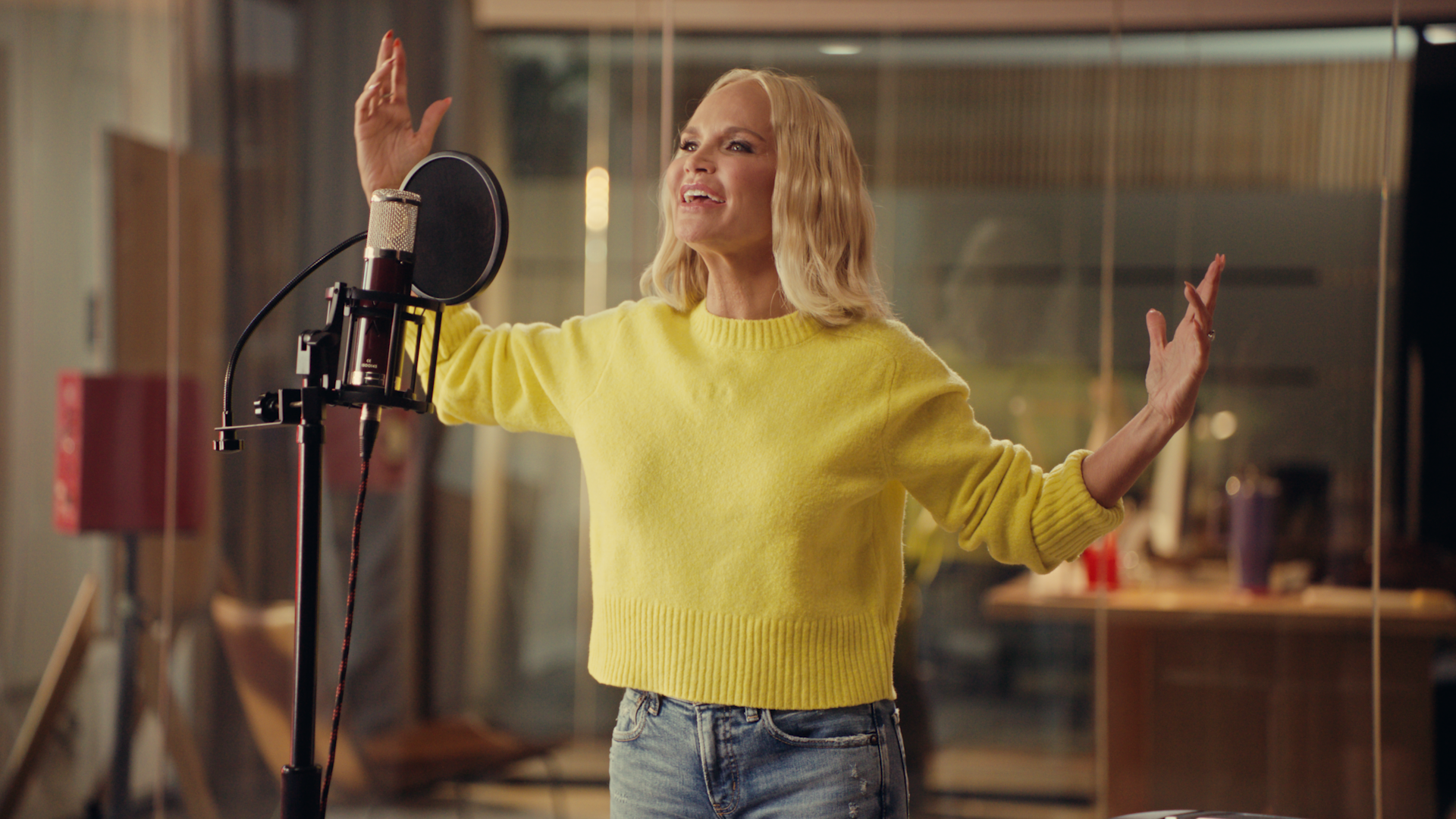
Casting was critical to the humor. Talent spanning Broadway, hip-hop, internet comedy, and alternative music were selected for their ability to fully commit to heightened performances without irony. Performers including Chance the Rapper, Kristin Chenoweth, Lewky, and Leenda Dong brought credibility and contrast, elevating the joke through sincerity.
A key executional feature was the integration of Acrobat Studio itself through a dedicated PDF Space that functioned as a backstage pass. This extended the comedy beyond video while demonstrating real product utility in a playful, interactive way.
The primary challenge was maintaining comedic clarity while delivering real product education. This was solved by anchoring every joke to a functional truth and ensuring that feature explanations lived inside the musical structure rather than interrupting it.
What made the work unique was its restraint. By laughing at the process of advertising instead of the product, the campaign proved that humor can build trust, elevate perception, and make even productivity software genuinely entertaining.
The Acrobat Studio Celebrity Jingle succeeded because its humor-first approach achieved what the campaign set out to do: earn attention, encourage repeat viewing, and shift perception of Acrobat from a purely functional tool to a culturally relevant, modern platform.
Within 30 days of launch, Acrobat social content generated 68.2 million total interactions, surpassing the 30-day target of 58.5 million by 116%. The campaign also delivered 1.2 million engaged interactions, reaching 97% of the 1.3 million KPI, demonstrating that audiences weren’t just encountering the content, but actively choosing to watch, engage, and share it.
The comedic structure played a direct role in these results. By embedding product education inside an intentionally absurd jingle format, the campaign rewarded repeat viewing and encouraged audiences to compare performances across genres and creators. This helped sustain momentum beyond the hero video as individual celebrity callbacks continued to perform organically within their respective platforms.
Audience sentiment further validated the approach. The campaign achieved 91% positive-to-neutral sentiment, with approximately 1,900 positive-to-neutral comments across owned social channels. Viewers consistently cited the humor, self-awareness, and sincerity of the performances as reasons for engagement, reinforcing that the comedy enhanced rather than distracted from the brand message.
The campaign was considered a success because it proved that humor, when treated as a strategic tool rather than a tonal layer, can drive both scale and quality of engagement. By making people laugh without making the product the joke, Acrobat Studio successfully repositioned itself as modern, human, and relevant in a crowded social landscape.