Entering its ninth year, the National Fried Chicken Festival (FCF) faced a pivotal opportunity: evolve from a beloved regional event into a nationally recognized cultural destination, laying the groundwork for unprecedented growth ahead of its 10th anniversary in 2026. The idea driving the campaign was to intentionally scale the festival’s reach, relevance, and revenue—using data-driven marketing to expand who attends, who invests, and how the festival is perceived.
The campaign was built around two primary goals. First, to significantly increase overall attendance by attracting new audiences—both demographically and geographically—while maintaining loyalty among core fans. This meant positioning FCF not just as a food festival, but as a multi-day, must-attend experience rooted in culture, community, and New Orleans pride, capable of drawing visitors from across the U.S.
Second, the campaign aimed to attract new sponsors and partners to increase revenue and long-term sustainability. By elevating the festival’s visibility, scale, and economic impact, the objective was to demonstrate FCF’s value as a high-return platform for brands seeking authentic engagement, measurable reach, and cultural relevance.
Together, these goals were outlined to strengthen FCF’s foundation—expanding its audience, growing its financial base, and setting the stage for a landmark 10th-anniversary celebration positioned for national attention and continued growth
The 2025 National Fried Chicken Festival marketing campaign was rooted in rigorous research, intentional planning, and a willingness to rethink what a food festival could be. At the outset, the Spears Group’s marketing and production teams conducted a deep analysis of prior-year data—including guest surveys, advertising performance, sponsorship sales reports, and operational insights—to shape a strategy capable of driving both audience growth and increased revenue. A key takeaway was the opportunity to attract new sponsors from categories that had previously felt misaligned with the festival, particularly health, wellness, and fitness brands.
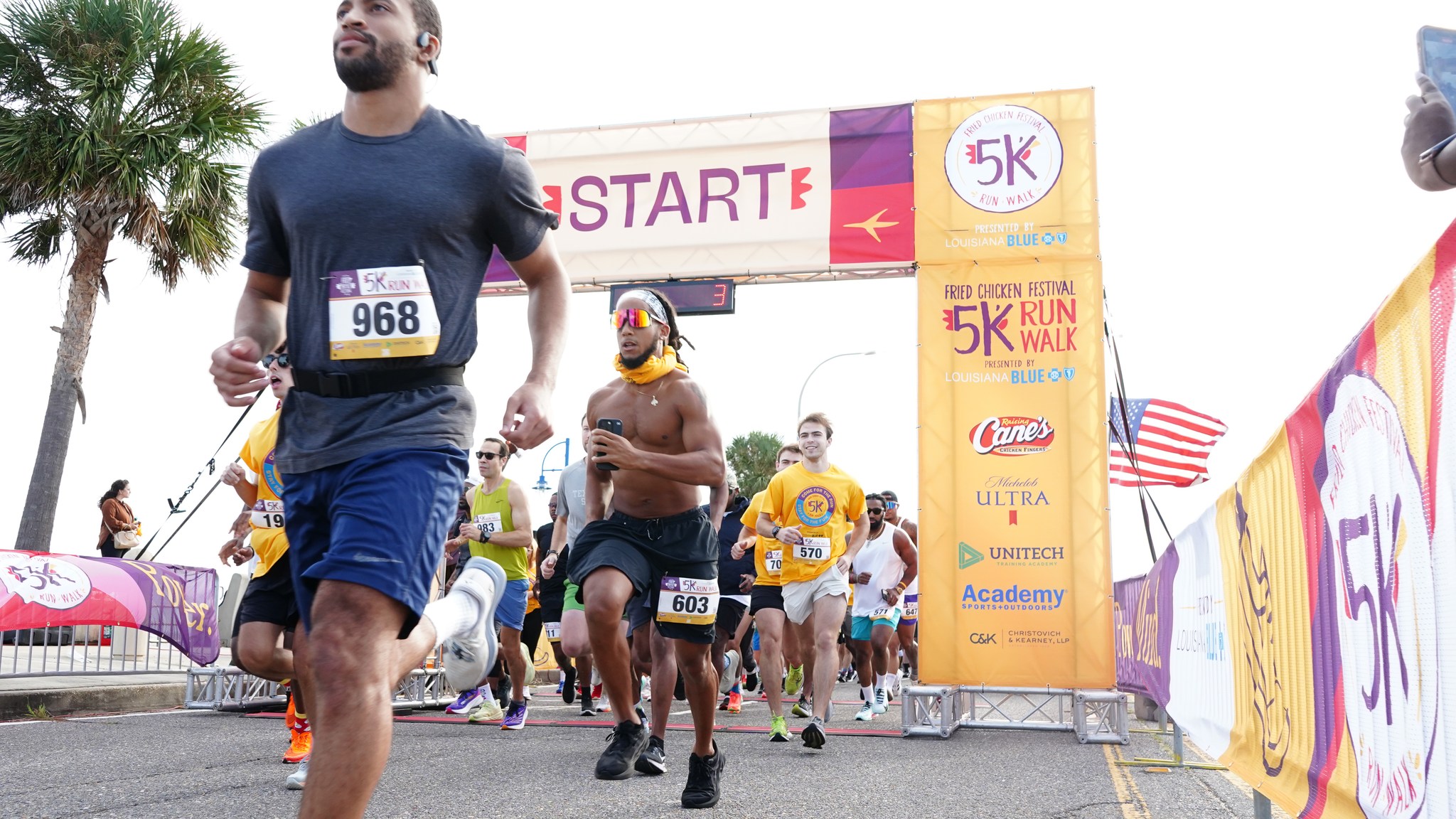
This insight sparked the idea for a bold, first-of-its-kind addition: the inaugural Fried Chicken Festival 5K Run/Walk. Designed as an officially sanctioned, branded festival event, the 5K was intentionally inclusive—welcoming runners, joggers, and walkers of all abilities—and concepted to reflect balance rather than contradiction. The race reframed the festival narrative, showing that indulgence and wellness can coexist, while unlocking a compelling entry point for health-focused sponsors and a new, experience-driven audience.
Planning spanned seven months and required close coordination across in-house teams, vendors, contractors, and community partners through recurring weekly meetings. Extensive secondary research on regional races, along with conversations with organizers and participants from marquee events like the Crescent City Classic, revealed a clear market gap: while many races prioritized competition, there was growing demand for culturally connected, lifestyle-oriented fitness experiences. This data shaped the 5K’s positioning as a community-forward celebration rooted in New Orleans culture.
One of the most significant challenges was launching and marketing a brand-new race with no existing content or proof of concept. To overcome this, Spears built the 5K brand entirely from scratch—developing its logo, visual identity, website, and marketing assets—while also executing a large-scale sunrise photo and video shoot at the New Orleans Lakefront months before the event. This shoot produced original, high-impact visuals that powered the entire campaign and enabled a compelling launch announcement, which successfully reached new audiences and drove early registrations.
The marketing approach integrated paid, earned, and owned media, with distinct strategies for the festival and the 5K. Influencers, regional running groups, tourism partners, and participating restaurants acted as authentic brand ambassadors, amplifying reach across key drive markets. This momentum helped secure Louisiana Blue as the 5K’s presenting sponsor, opening the door to an entirely new sponsorship category for the festival’s future.
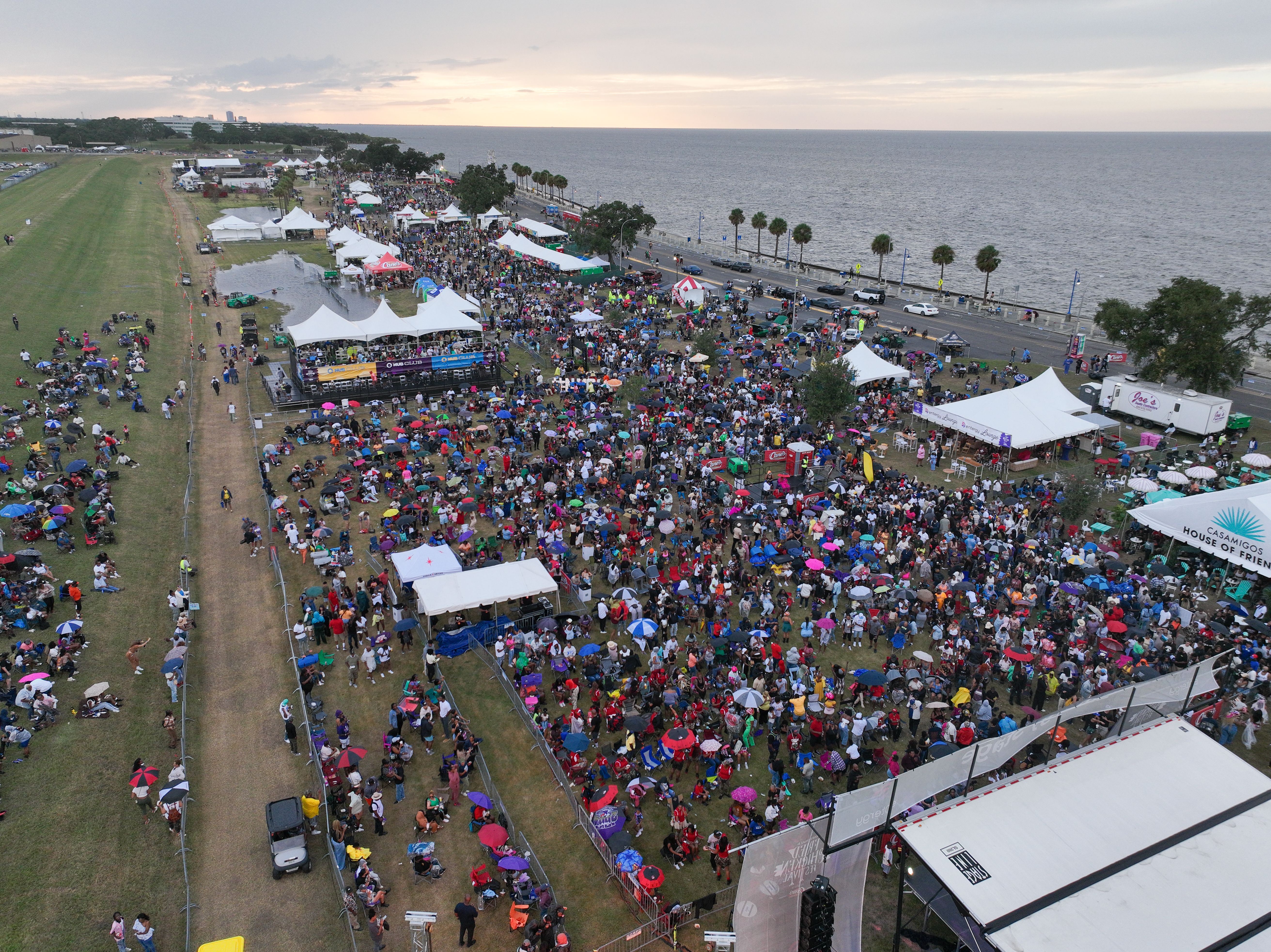
Inclement weather throughout the festival weekend posed another major challenge. However, strong pre-event storytelling, consistent communication, and advanced ticketing strategies built trust and commitment with audiences—resulting in a remarkable turnout despite the rain. Ultimately, the campaign’s research-driven strategy, original content creation, and community-powered execution transformed a potential risk into a defining success.
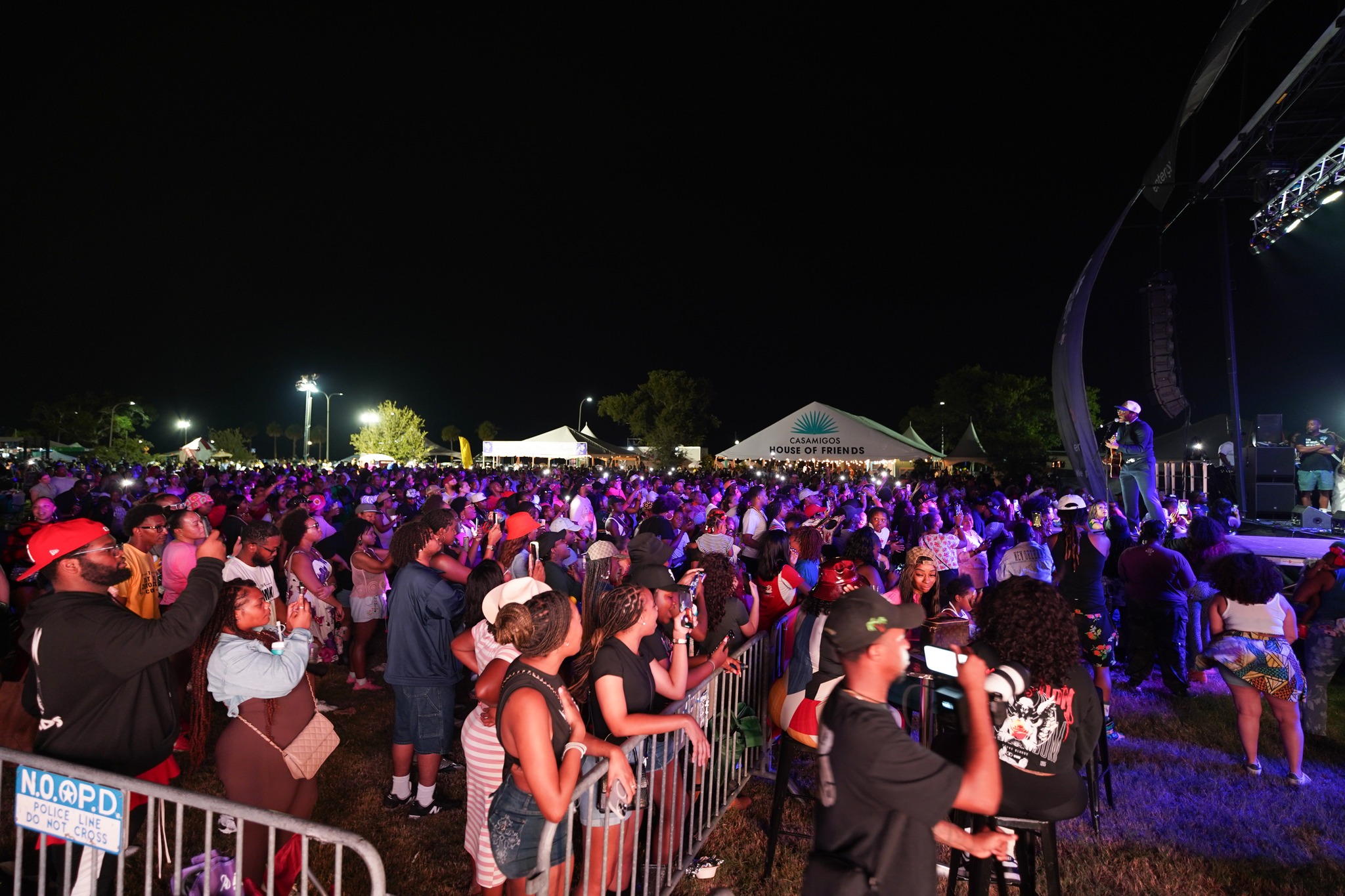
The 2025 marketing campaign exceeded its core objectives, delivering measurable success across attendance growth, audience expansion, and revenue potential—despite significant external challenges. Total festival attendance surpassed projections even as heavy rain persisted throughout the weekend, with 87,000+ guests, outperforming other concurrent local festivals that experienced dramatic declines. Strong pre-event marketing, advance ticket sales, and consistent messaging motivated guests to attend rain or shine, demonstrating the campaign’s effectiveness and audience loyalty.
The inaugural 5K Run/Walk proved especially transformative. With 1,200 registrations—more than double the initial goal of 500—it became the largest attended 5K in Louisiana in the past decade. Furthermore, 5K fulfilled its strategic purpose by unlocking new sponsorship opportunities with Louisiana Blue signing on as presenting sponsor and additional health-focused organizations expressing interest in future partnerships—successfully establishing a new festival sponsorship category.
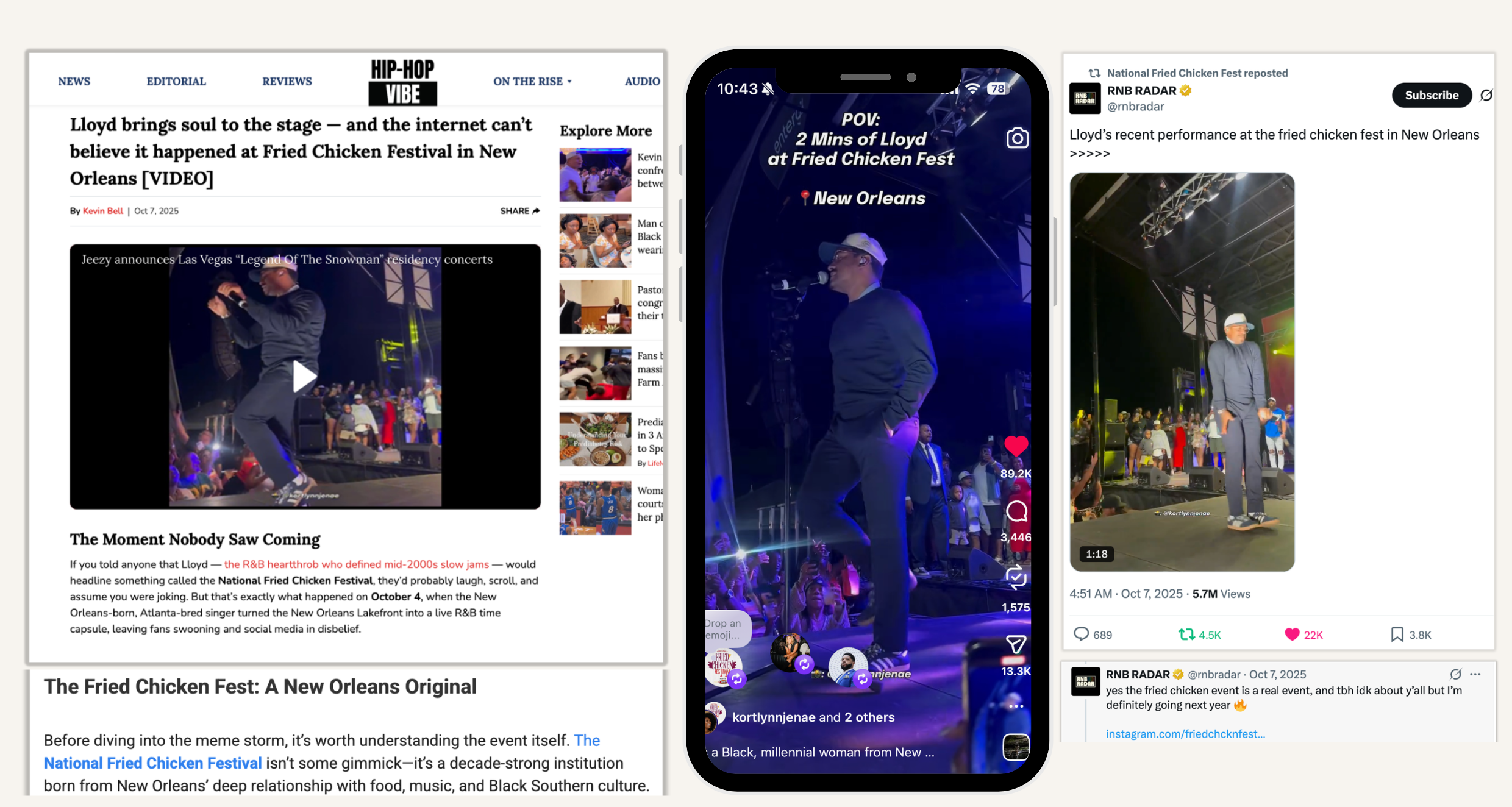
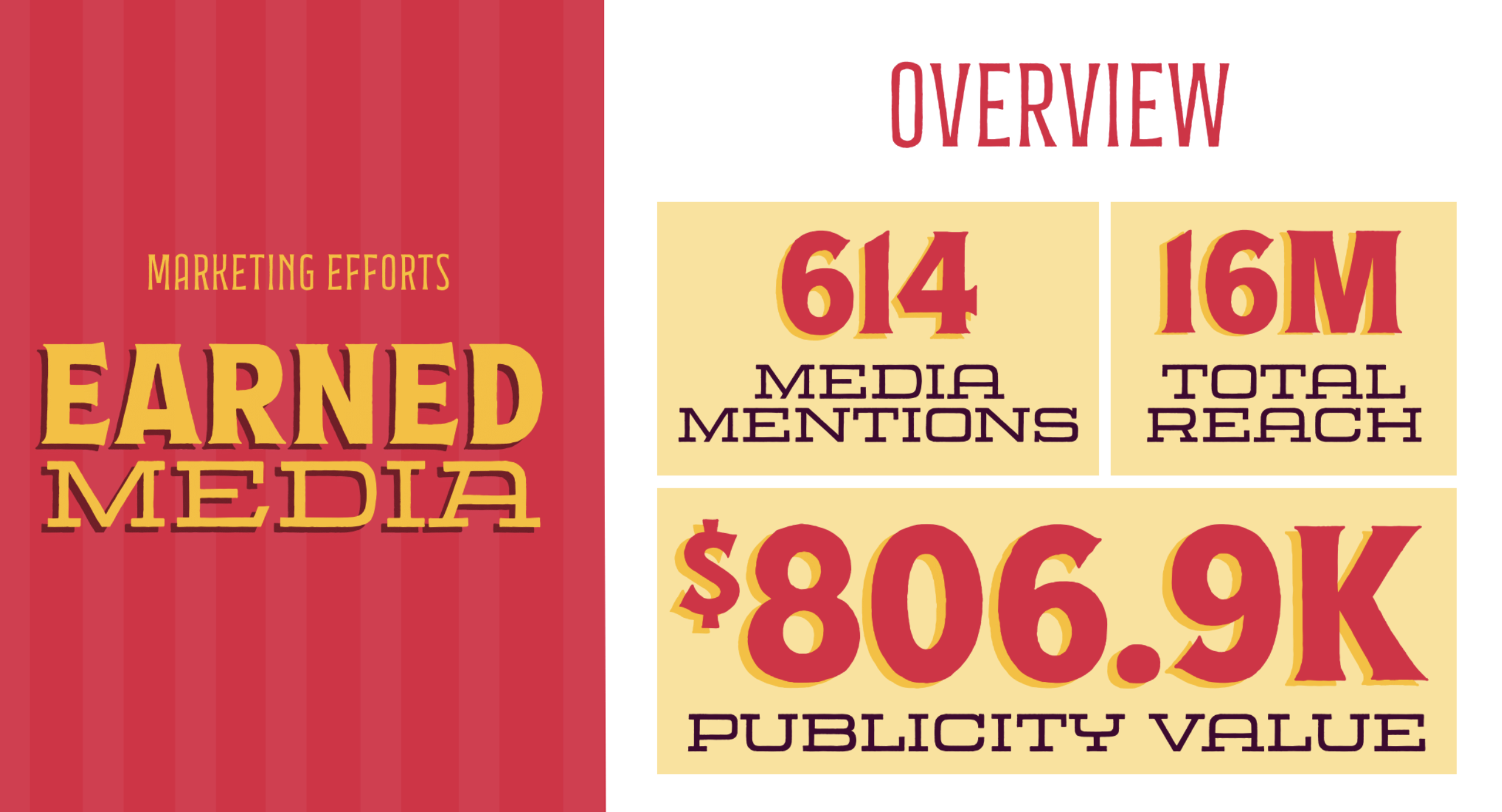
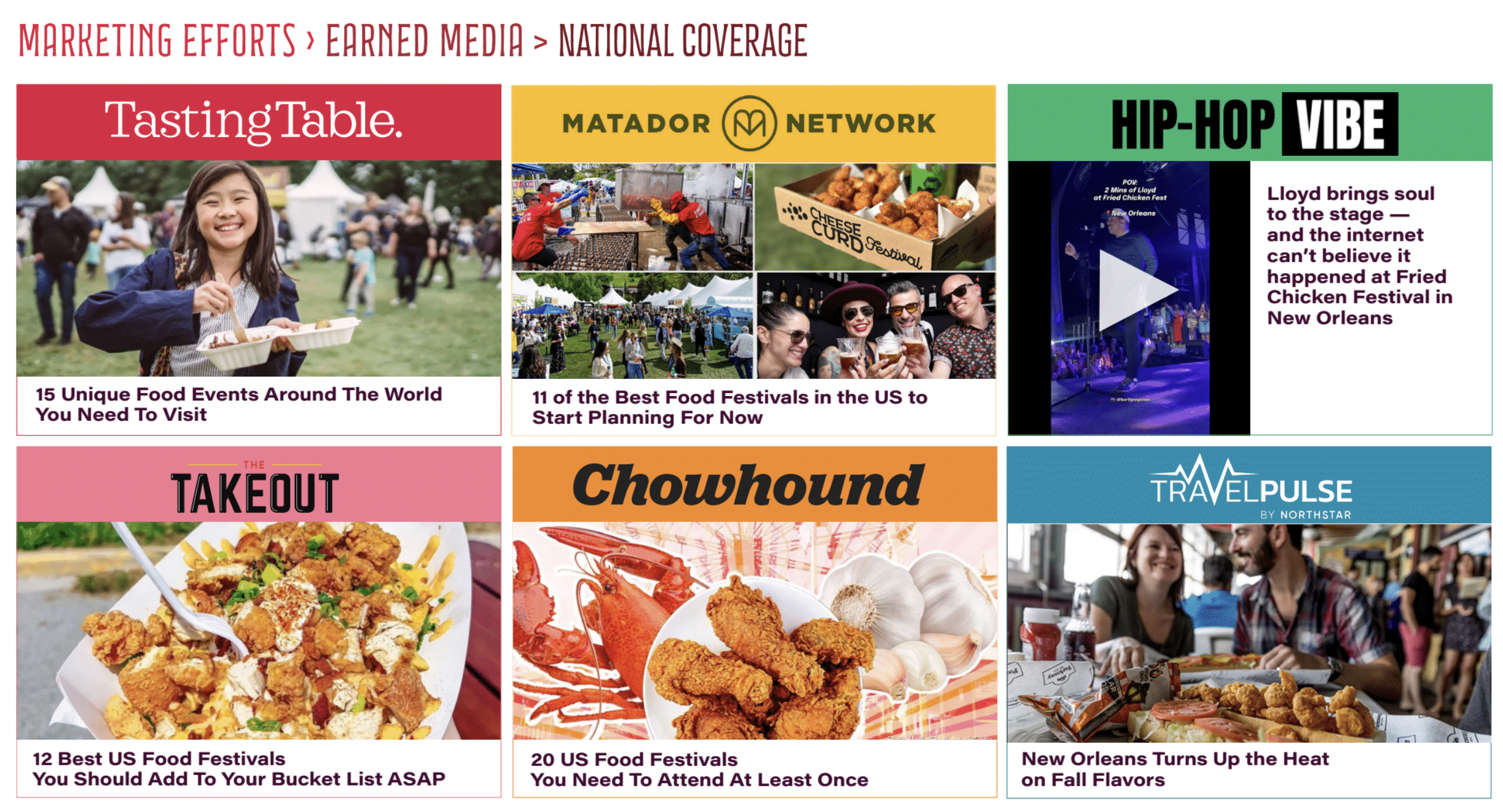
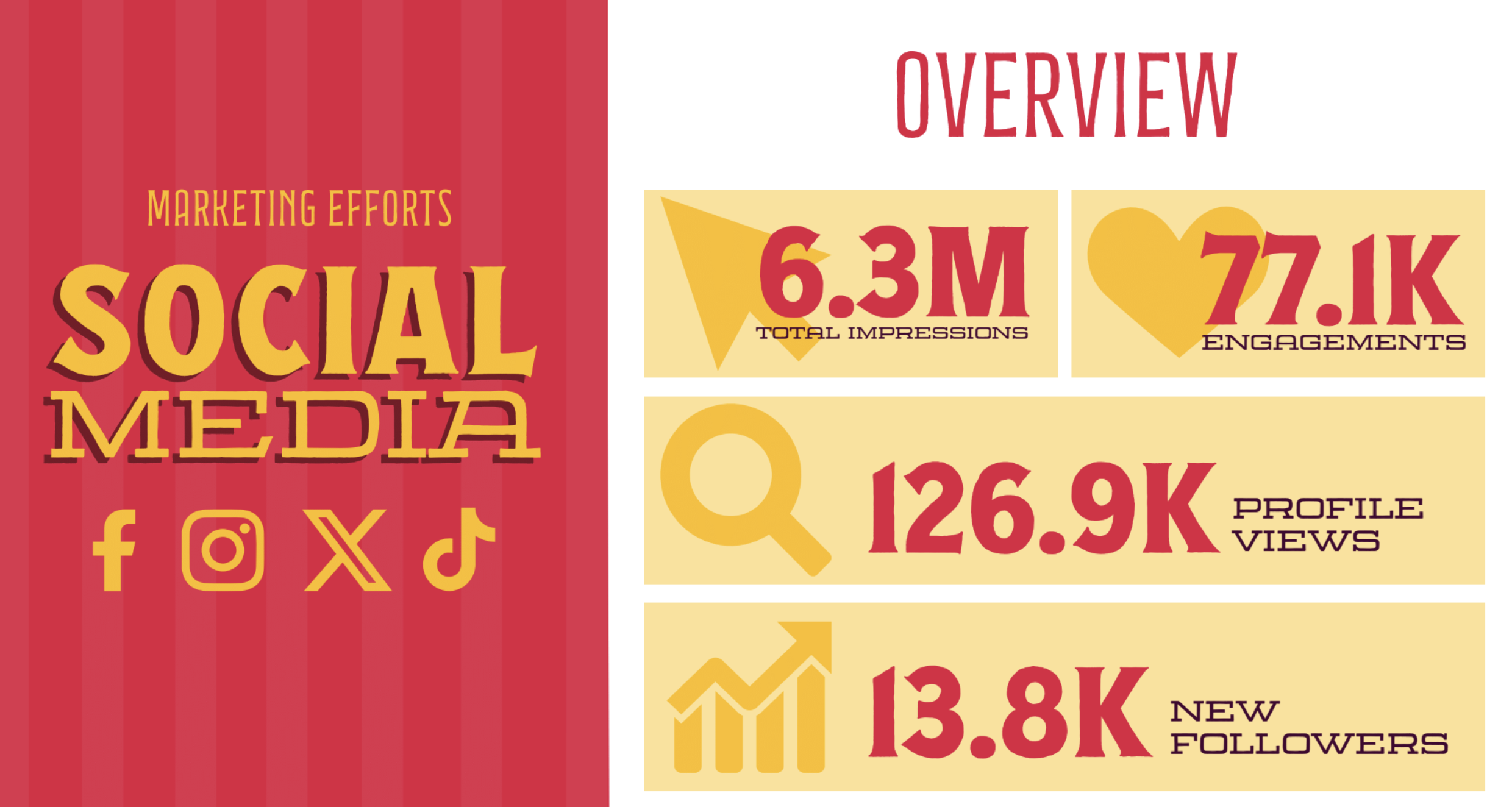
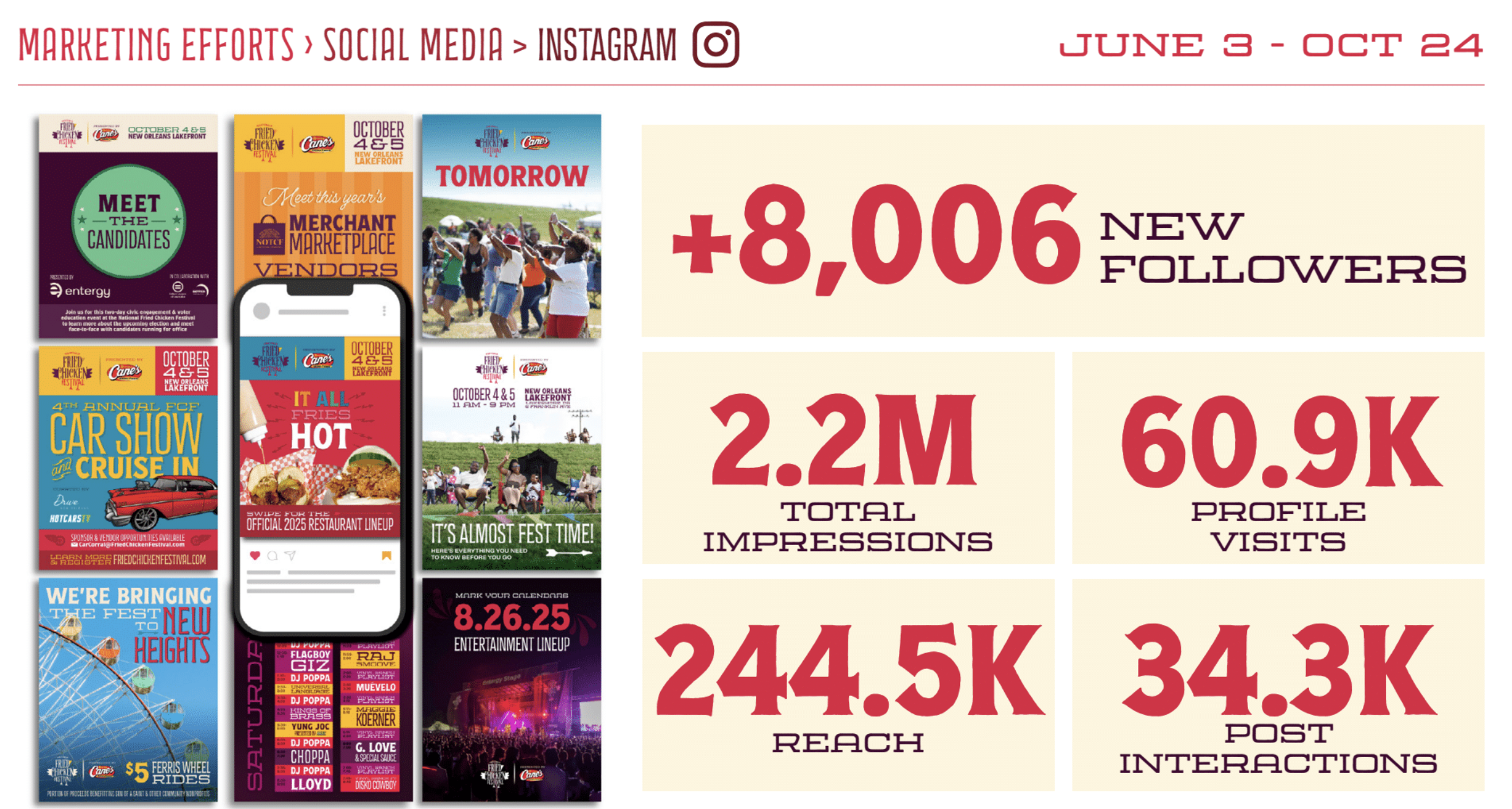
Earned media efforts generated 614 placements, totaling 16 million reached and $806,900 in estimated publicity value, including national travel features that reinforced FCF’s reputation as a top culinary destination. Social performance further reflected audience growth, generating 9.32 million impressions, 186,930 profile views, 77,520 engagements, and 14,000 new followers—not to mention a viral performance from Lloyd. The launch of TikTok successfully introduced the festival to a younger demographic, producing more than 700,000 video views in just three months.
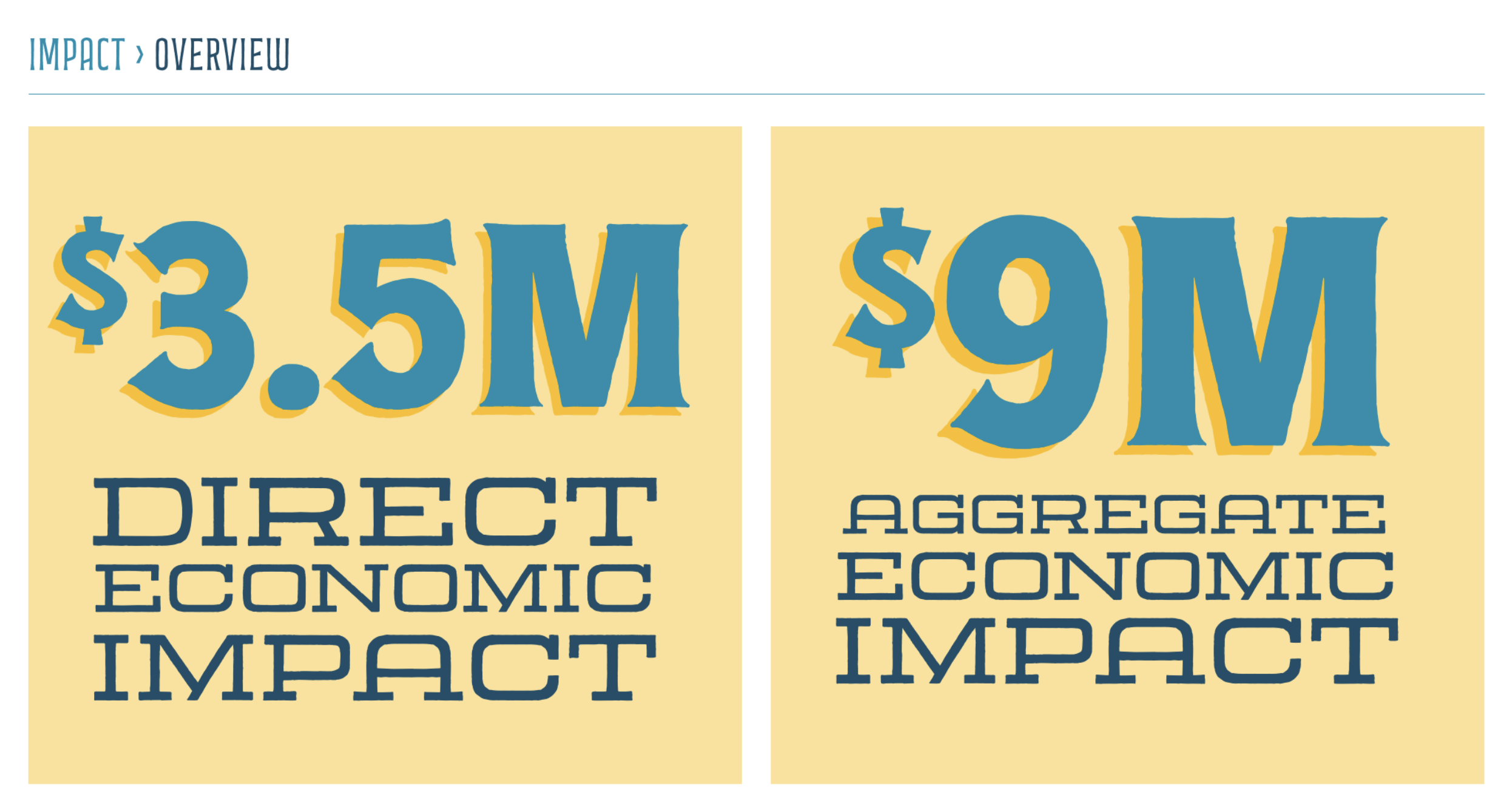
Together, these results generated an estimated $3.5 million in direct and $9.56 million in aggregate economic impact—firmly positioning the festival for unprecedented success ahead of its 10th anniversary in 2026.