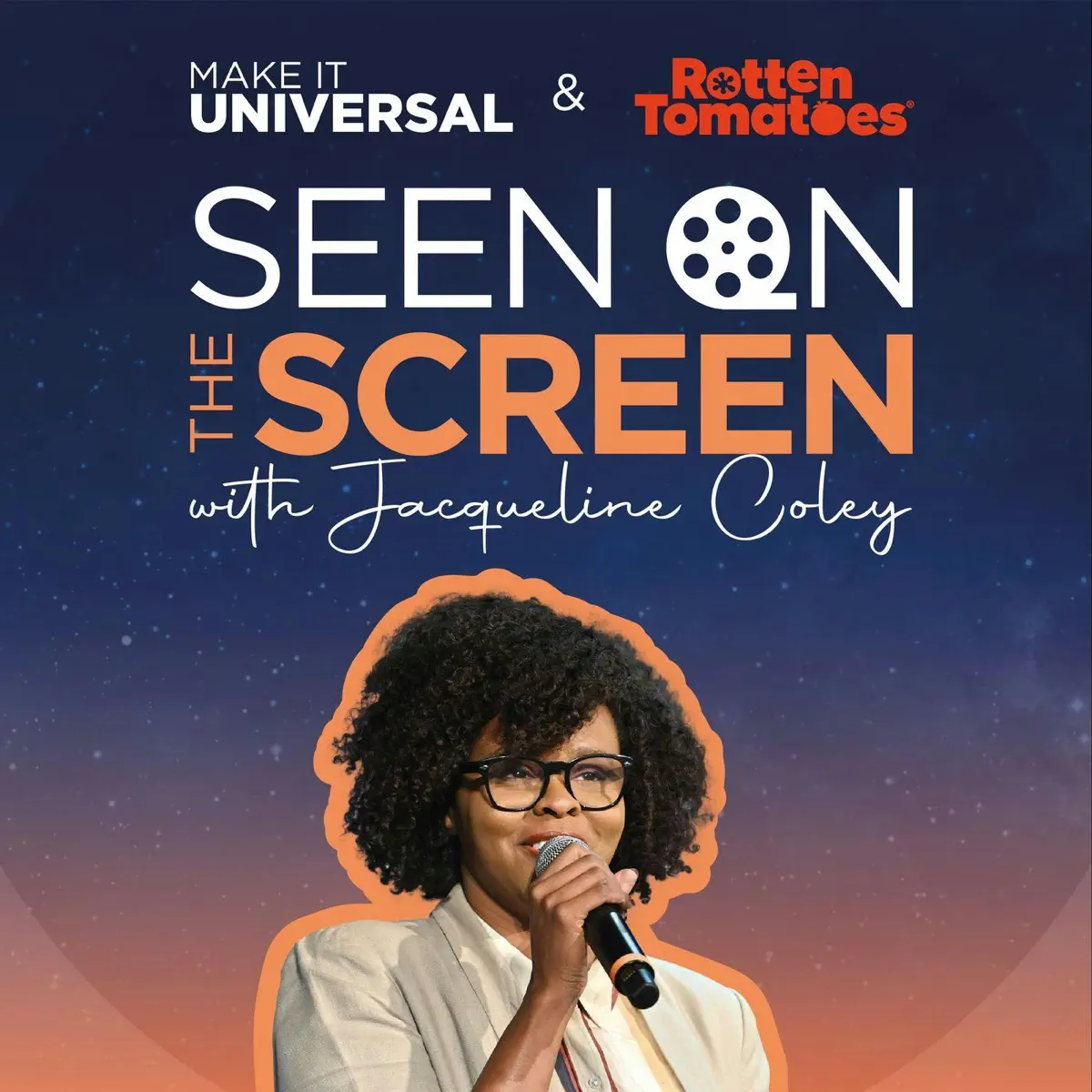
Seen on the Screen with Jacqueline Coley celebrates how film reflects and shapes culture, through candid conversations with filmmakers, talent and entertainment insiders. Each episode centers on one question, “What have you seen on the screen that made an impact?” and follows the answer into the guest’s artistic influences, lived experience, and creative choices.
Every great conversation starts with one good question. For Seen on the Screen with Jacqueline Coley, it’s simple: What have you seen on the screen that made an impact? From there, the show traces that influence into the guest’s identity, career choices, and the way they do their work.
Brought to you by Universal Pictures and Rotten Tomatoes, the series is designed to feel like you’re sitting in on a real conversation, not listening to a press stop. Each episode centers on one formative viewing experience and follows it into artistic influences, lived experience, creative decisions, and cultural impact.
In Season 2, we built on what worked in year one and raised the bar across the board: more episodes, stronger production, and a sharper format that still leaves room for surprise.
This season focused on:
The result is a show built around people and the stories that shaped them, not around marketing cycles.
Season 2 was built to scale what worked in year one. The goal was to deliver conversations that feel candid and engaging in the moment, while consistently rewarding audiences with cultural context and craft insight about the stories they love.
Plan of Action: We expanded the guest strategy while tightening the format. Season 2 nearly doubled output from 16 episodes to 30, keeping a consistent editorial voice while broadening the mix of guests and disciplines. The roster spans directors, writers, actors, composers, cinematographers, producers, and below-the-line creatives. The mix balances internal Universal Pictures voices with external creative talent, strengthening the show’s credibility across audiences.
Each episode follows a clear arc:
To create rhythm and accessibility, we built in recurring segments like quotes, trivia, and rapid-fire. These function as flexible beats rather than a script, keeping the pace lively while still allowing for deeper reflection.
Jacqueline Coley anchors the tone and trust of the series. As Awards Editor at Rotten Tomatoes and Fandango, she brings deep film fluency and genuine curiosity. She comes prepared but stays present, following what’s interesting in the moment rather than chasing headlines. That approach consistently draws out personal, specific stories and connects formative screen experiences to the creative decisions guests make today.
Guests this season illustrated the format’s power. Paul Tazewell shared a full-circle journey from loving The Wiz as a child, to designing his high school production at 16, to winning a Primetime Emmy for The Wiz Live! and later earning an Academy Award for his costume design on Wicked. Director Emma Tammi traced her love of storytelling back to vivid memories of seeing movies with her father, years before directing Five Nights at Freddy’s. These moments rarely surface in standard promo interviews.
We continue to produce the show in both video and audio formats. Video captures presence, expression, and energy; audio is paced and structured to stand on its own. Mid-season, we launched a dedicated YouTube channel and social presence to support distribution, improve discoverability, and extend each episode’s lifespan beyond its initial release window.
Challenges & solutions: The primary challenge was growing output while protecting intimacy. We tightened planning and post-production workflows while keeping interviews unscripted and story-first so episodes still feel spontaneous.
Another challenge was balancing entertainment with depth. Recurring segments keep momentum high, while targeted follow-ups push for specificity and meaningful craft insight instead of surface-level anecdotes.
What makes it unique: Seen on the Screen works because it is built around stories, not promotion. It starts with a formative viewing experience and follows the ripple effects into identity, artistry, and collaboration. Each episode offers something you can feel and something you can learn: a laugh, a memory, or a behind-the-scenes detail that makes the work click.
The balanced mix of internal and external talent positioned the show as more than promotion. It became a substantive platform for discussions about storytelling, collaboration, and creative decision-making.
Our video and social packaging strengthened how the series travels. Episodes were built to extend across YouTube, Instagram, and TikTok, helping content stay relevant beyond the initial release window and reach new audiences without relying on traditional promo cycles. Launching a dedicated YouTube channel and social presence mid-season created infrastructure for improved discoverability and long-term audience growth.
Season 2 further demonstrated the strength of the format with high-caliber guests across filmmaking disciplines. Jacqueline Coley consistently connects a guest’s formative screen experiences to the work they do today, turning each interview into a clear, specific look at how culture gets made.
Overall, Season 2 established a strong foundation for continued expansion.