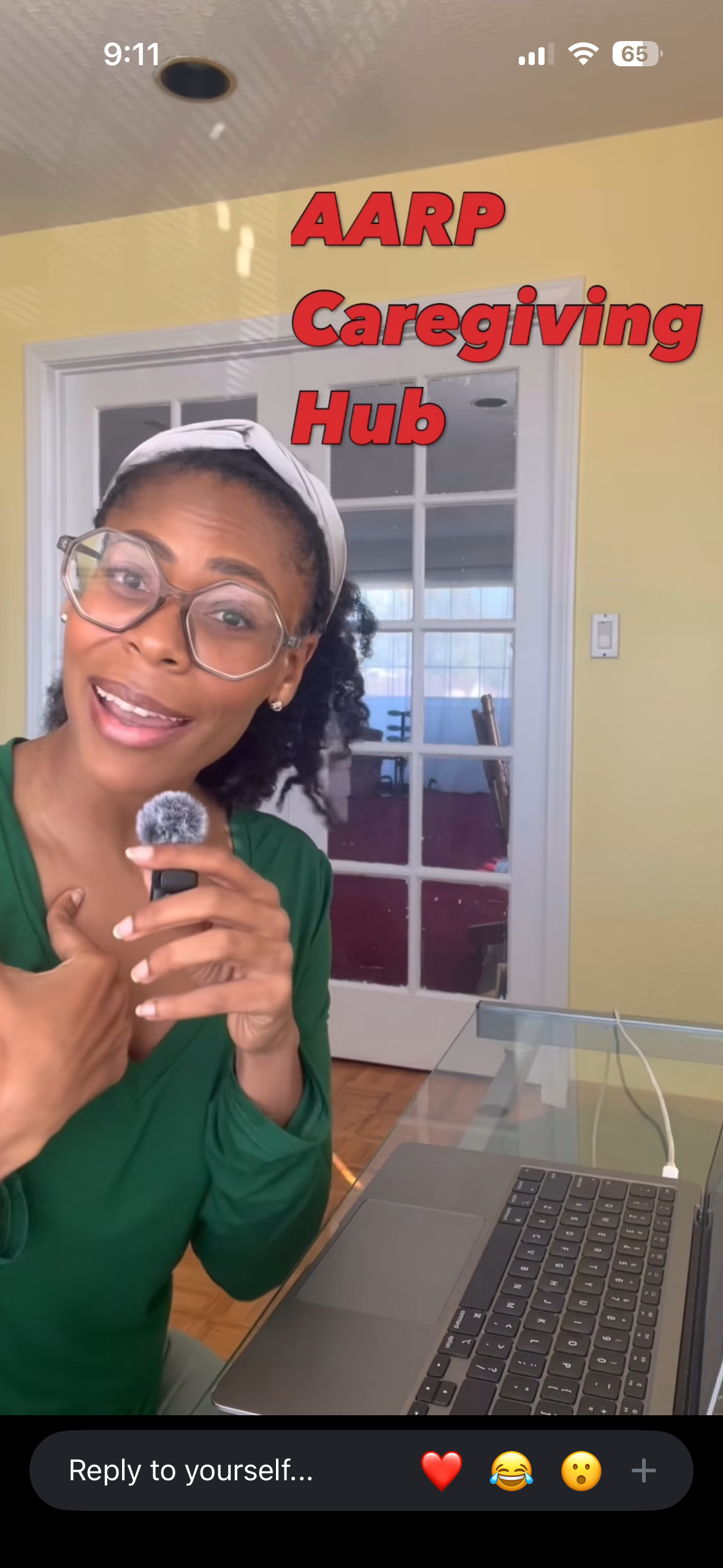
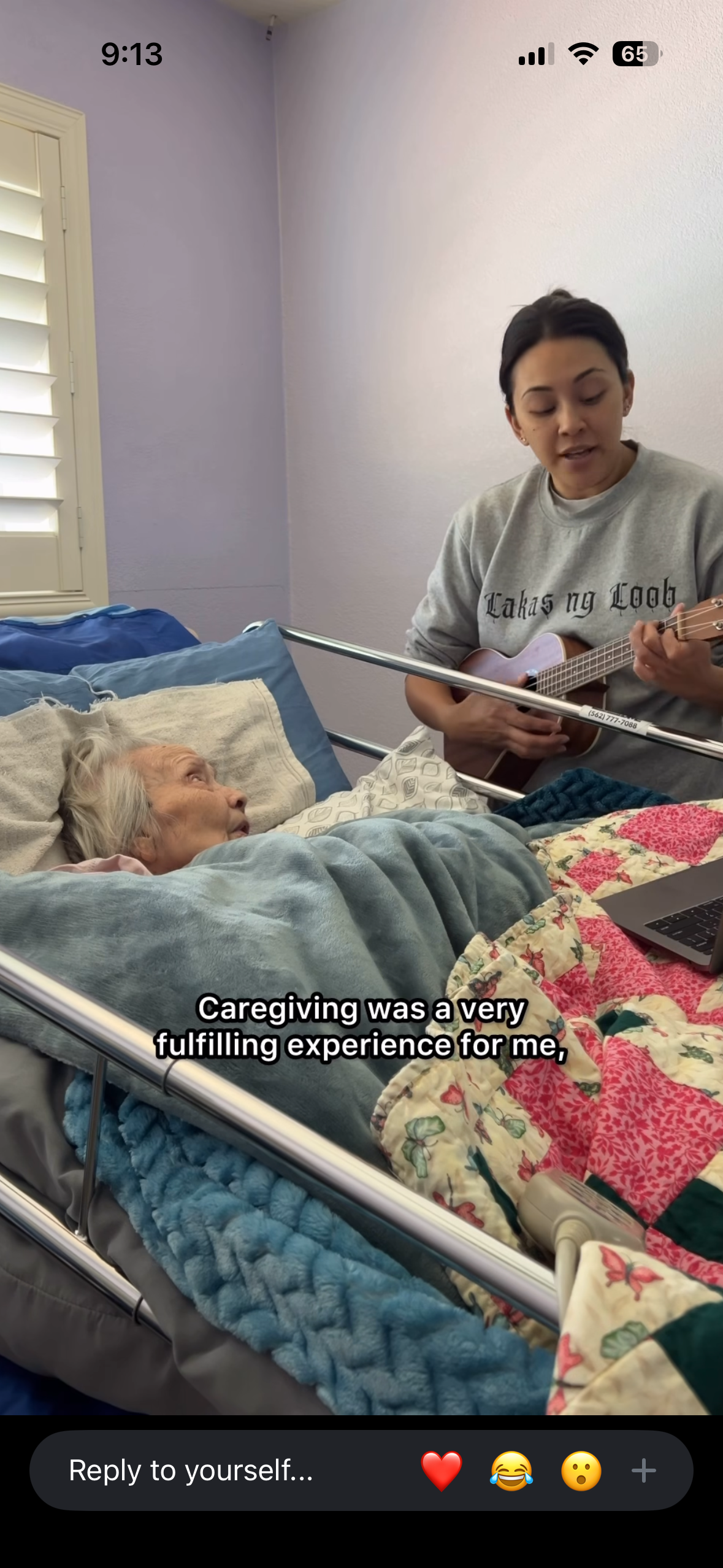
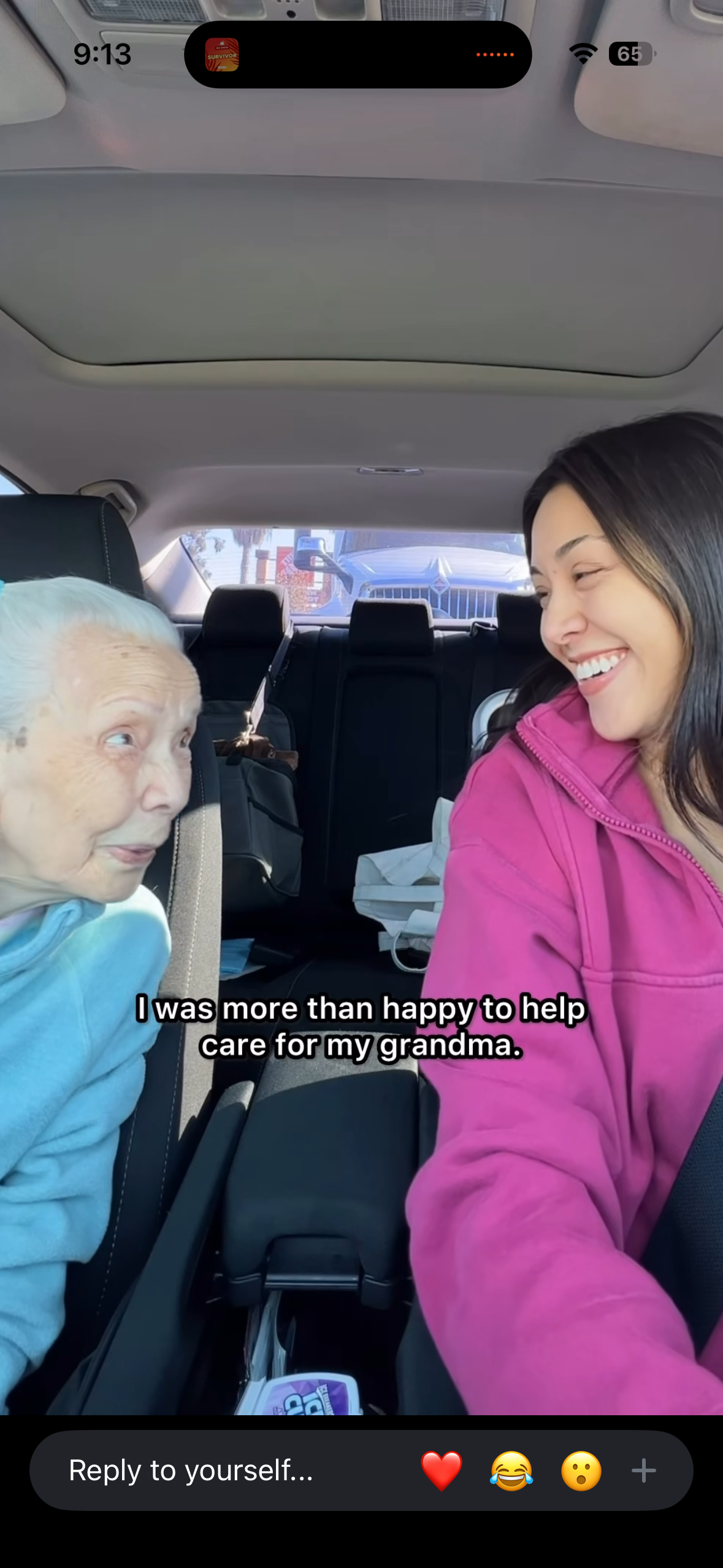
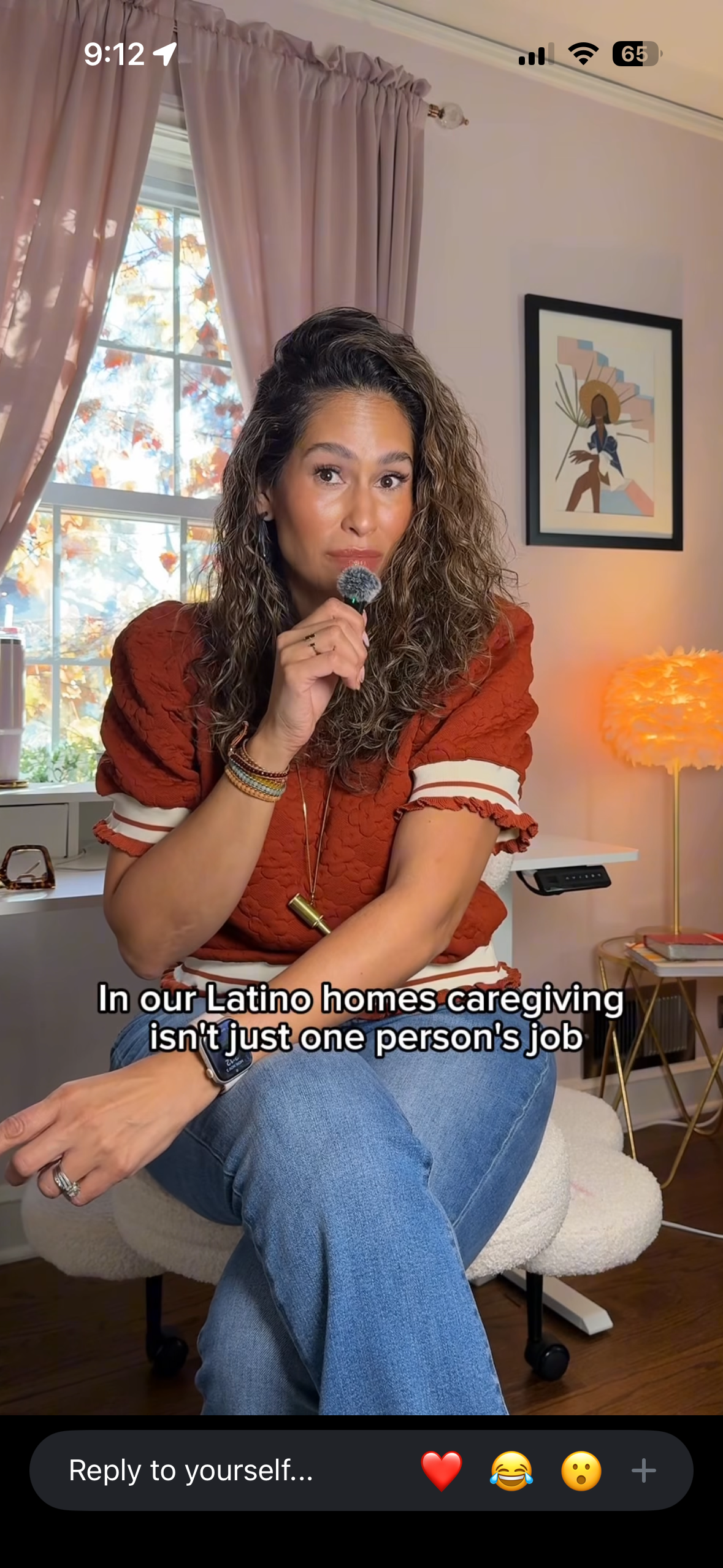
With 63 million caregivers across the United States—94% caring for adults—nearly 40% identify as Black, Latino, or Asian American, Native Hawaiian, and Pacific Islander (AANHPI). Recognizing the unique challenges faced by these communities, AARP launched a groundbreaking influencer campaign to engage and empower multicultural caregivers with information, tools, and resources.
Our mission was to connect Black, Latino, and AANHPI caregivers to AARP’s robust support offerings, designed to make their caregiving journey easier and more fulfilling. Each community brings distinct needs and cultural perspectives: Black and Latino caregivers are more likely to be in high-intensity caregiving roles, providing substantial weekly hours and assisting loved ones with personal care tasks, while AANHPI caregivers are most likely to care for multiple recipients.
Despite these challenges, over 80% of caregivers report finding meaning and pride in their roles. To authentically reach this diverse group, we collaborated with culturally relevant influencers—individuals who have lived these experiences themselves. Through their trusted voices and genuine storytelling, the campaign delivered credible, relatable content that resonated deeply with Black, Latino, and AANHPI caregivers.
By spotlighting real stories and the value of AARP’s resources, our campaign not only informed, but inspired, creating a powerful sense of community and support. This initiative stands as a testament to the transformative impact of multicultural engagement and authentic representation in caregiving.
When AARP surveyed caregivers to uncover their greatest challenge, the answer was overwhelming: time. With caregiving often demanding every spare moment, traditional outreach simply wouldn’t suffice. To truly support caregivers, we needed to meet them where they already connect—online, within vibrant communities of peers who intimately understand the day-to-day realities of their journey.
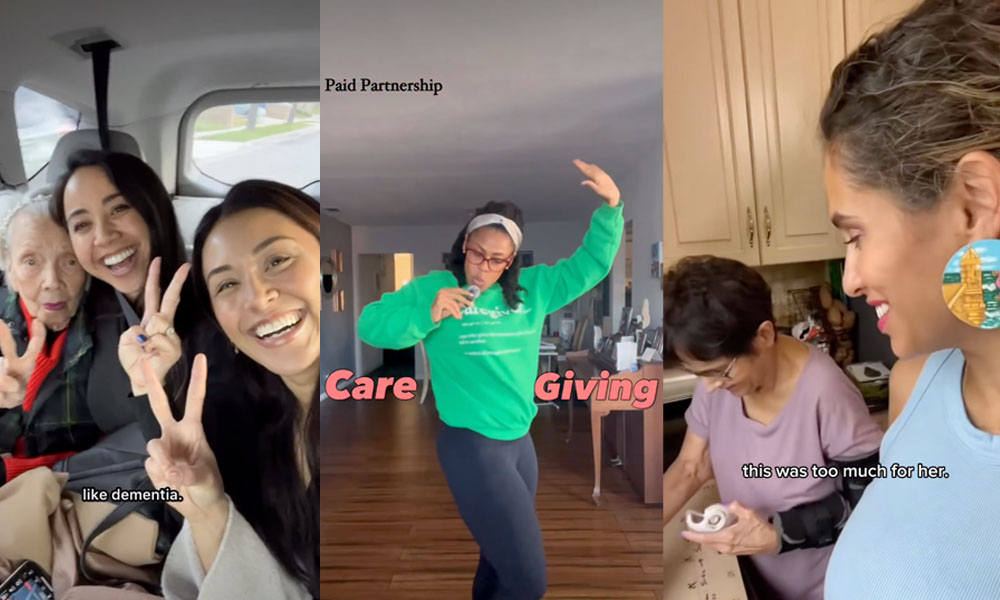
To do this, we launched an influencer campaign uniquely tailored to the multicultural caregiving landscape. We sought out authentic voices—two Black, two Latino, and two AANHPI influencers—each already resonating deeply with caregiving audiences. The search was not without hurdles; the pool of caregiving influencers is small, a testament to the all-consuming nature of caregiving itself, and even smaller when seeking representation across multicultural communities.
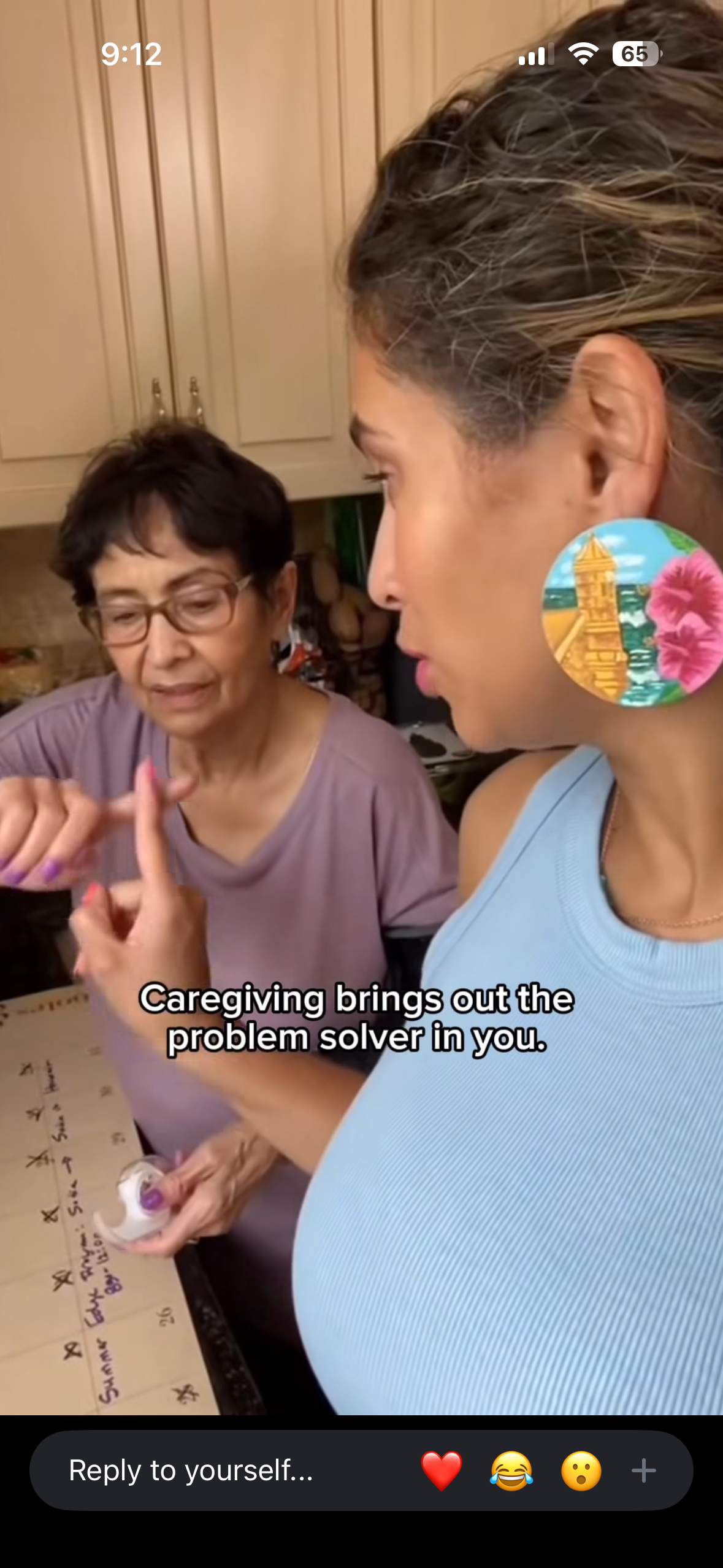
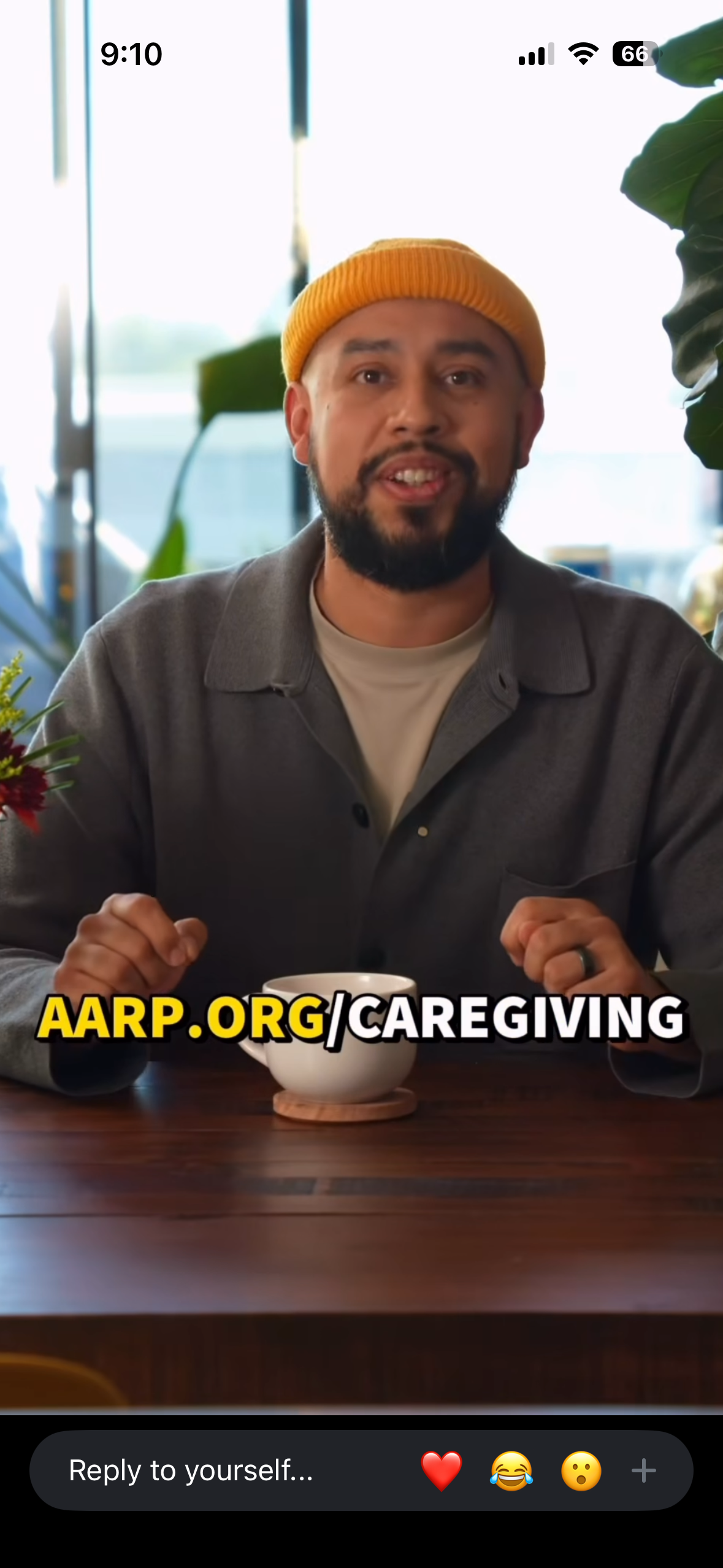
Undeterred, we partnered with an influencer marketing agency to identify creators who could genuinely connect with Black, Latino, and AANHPI audiences. Together, we discovered six remarkable individuals whose lived experiences infused the campaign with authenticity and relatability. Each influencer produced an in-feed video and an Instagram Story seamlessly integrating direct links to AARP’s caregiving resources. Their content was more than informational—it was impactful, bringing AARP’s support offerings to life through the lens of real, multicultural caregiving journeys.
The influencers bravely shared their personal stories, cherished memories, and candid reflections on the challenges they face. They highlighted not only the obstacles, but also the triumphs and meaning found in their roles, weaving in how AARP’s resources empowered and supported them along the way. These heartfelt stories resonated with many, providing representation and encouragement to caregivers who rarely encounter content that reflects their own experiences.
To ensure these stories reached the caregivers who needed them most, the agency’s paid media team amplified the organic posts with precision-targeted advertising. This strategic blend of authentic storytelling and data-driven distribution allowed us to deliver culturally resonant content at scale, efficiently engaging our audience and maximizing impact.
By centering real voices and diverse perspectives, the campaign moved beyond traditional outreach to foster a more engaging and supportive environment. Caregivers saw aspects of their experiences reflected in the stories shared, with AARP’s resources positioned as helpful companions throughout their caregiving journey. While the campaign demonstrated the value of multicultural engagement and authentic representation, its primary success lay in meeting caregivers where they are and amplifying their voices—delivering meaningful content and support through trusted influencers. This approach highlighted AARP’s ongoing commitment to multicultural caregivers, showcasing how influencer partnerships can effectively connect and empower audiences within the caregiving community.
The Multicultural Caregiving Influencer Campaign truly took a thoughtful approach to reaching and celebrating caregivers from all walks of life. By sharing content focused on authenticity, it created a space where multicultural caregivers could feel seen and supported.
Working with different influencers meant the campaign could share genuine stories and experiences from Black, Latino, and AANHPI communities. The campaign had majority positive sentiment (73% positive, 23% neutral) and outperformed industry and organizational benchmarks.
The audience’s response highlights the deep resonance that the campaign had within the multicultural caregiving community:
Caregiving is a daily learning experience and a resource like this valuable. ❤️
We must find support for the caregiver — without them, so many would fall through the cracks. Please continue sharing resources.
Absolutely agree, caregivers don’t just need training, they need a reliable source they can lean on when real-life situations get tough. It’s good to see more platforms stepping up to support the people who hold families together every day. Anything that raises the standard of care in our field is a win for everyone.
And the numbers tell their own story:
17 million impressions
3,162,420 video views
624,363 engagements
569,746 link clicks
All in all, the campaign showed just how powerful it can be to create content that’s truly relevant and to collaborate with voices from the community. It helped AARP reach and support even more caregivers, proving that listening and representation really do make a difference for everyone involved.