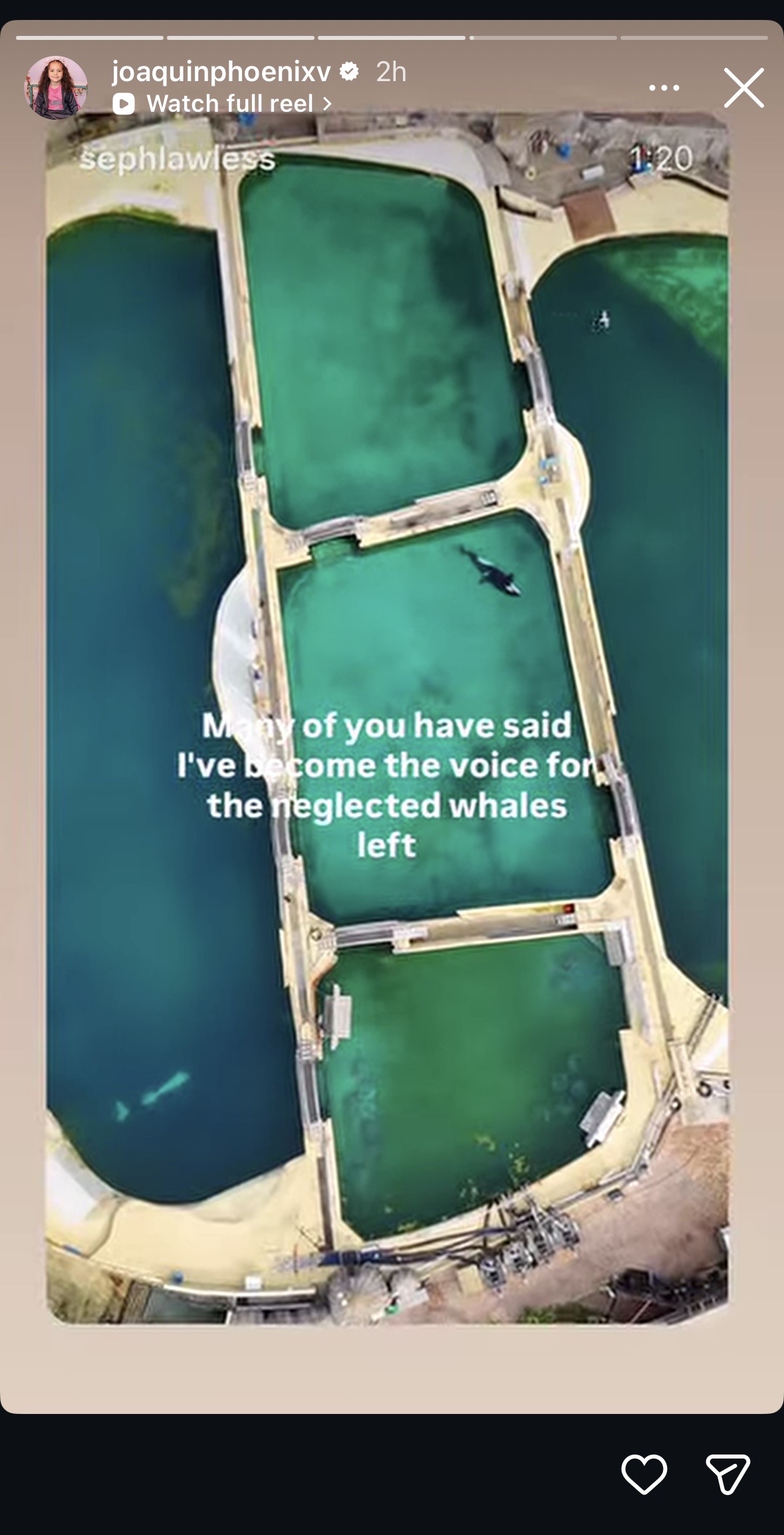
The objective of this project was to transform a single act of documentation into a global conversation about marine mammal captivity in Europe. Through original on-site visual reporting and emotionally direct storytelling on Instagram, the work sought to expose the living conditions of orcas and other marine mammals held inside a French marine park—an issue receiving limited sustained international attention despite ongoing public concern and legislative debate.
Rather than functioning as traditional social media content, the campaign was designed as a form of digital witness: using short-form vertical video to bypass institutional gatekeeping, reach mass audiences organically, and reframe captivity as an urgent ethical and cultural issue. The specific goals were to generate large-scale public awareness, catalyze media coverage, encourage civic dialogue around animal welfare policy, and demonstrate how independent creators can influence real-world discourse without paid promotion or organizational backing.
By prioritizing authenticity, immediacy, and emotional clarity, the project aimed to convert passive viewing into active engagement—turning visibility into pressure, and attention into advocacy.
The project was executed as an independent, creator-driven act of visual journalism and digital storytelling, produced without institutional funding, paid media, or organizational infrastructure. Working on location in France, original footage and photographic documentation were captured to provide unfiltered visibility into the conditions of captive orcas and marine mammals inside a European marine park.
The distribution strategy centered on short-form vertical video optimized for Instagram’s algorithmic discovery, allowing emotionally direct storytelling to reach global audiences organically. Rather than relying on traditional campaign structures, the work used narrative pacing, silence, scale, and repetition to create an immersive emotional response—positioning the viewer not as a spectator, but as a witness.
Content was released in a sustained sequence designed to build momentum over time, encouraging sharing by the public, amplification by high-profile cultural figures, and pickup by international press outlets. This organic circulation transformed individual posts into a broader social conversation about captivity, ethics, and environmental responsibility.
Key challenges included filming in a controlled environment with limited access, navigating legal and cultural sensitivities surrounding animal captivity in Europe, and maintaining factual clarity while communicating emotional urgency. These constraints informed a minimalist visual language that prioritized authenticity over production spectacle.
The project demonstrates how a single independent creator can leverage platform mechanics, narrative craft, and public empathy to move an issue from obscurity into mainstream global awareness—without advertising spend or institutional backing.
The project generated rapid, large-scale global attention without paid promotion, agency backing, or institutional support — demonstrating the cultural impact of independent investigative storytelling in the social media era.
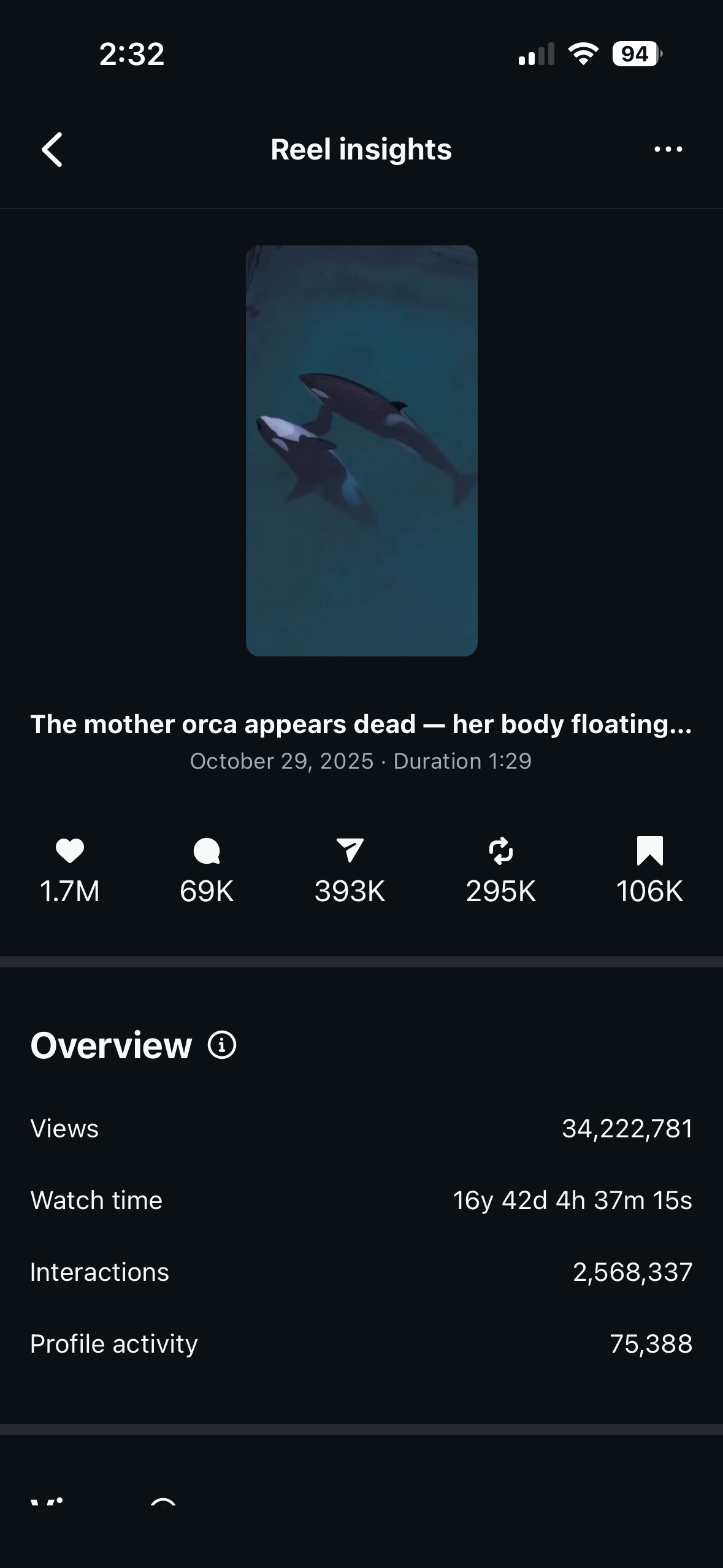
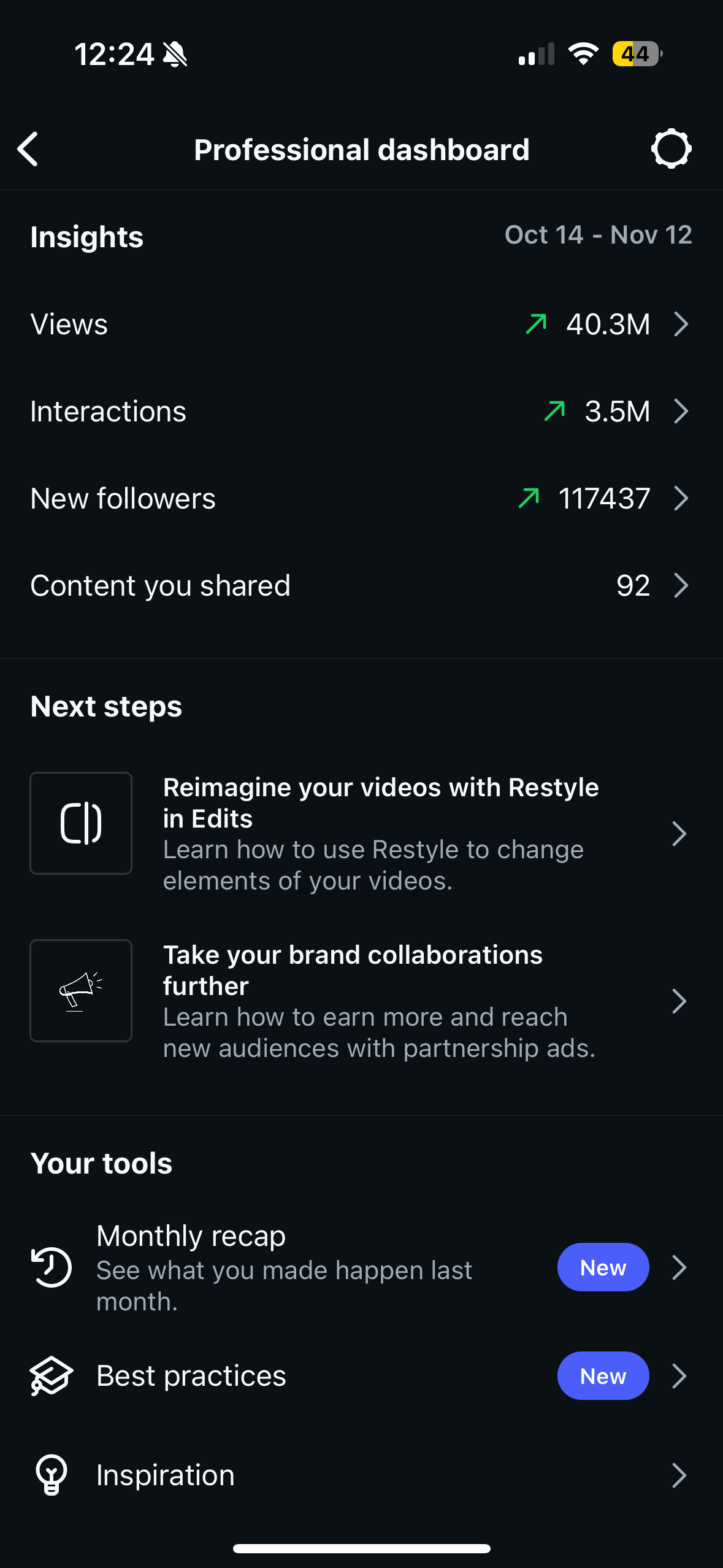
Since its launch in July 2025, the content accumulated over 100 million organic views, transforming the issue of orca captivity in France from niche advocacy discourse into sustained international public conversation.
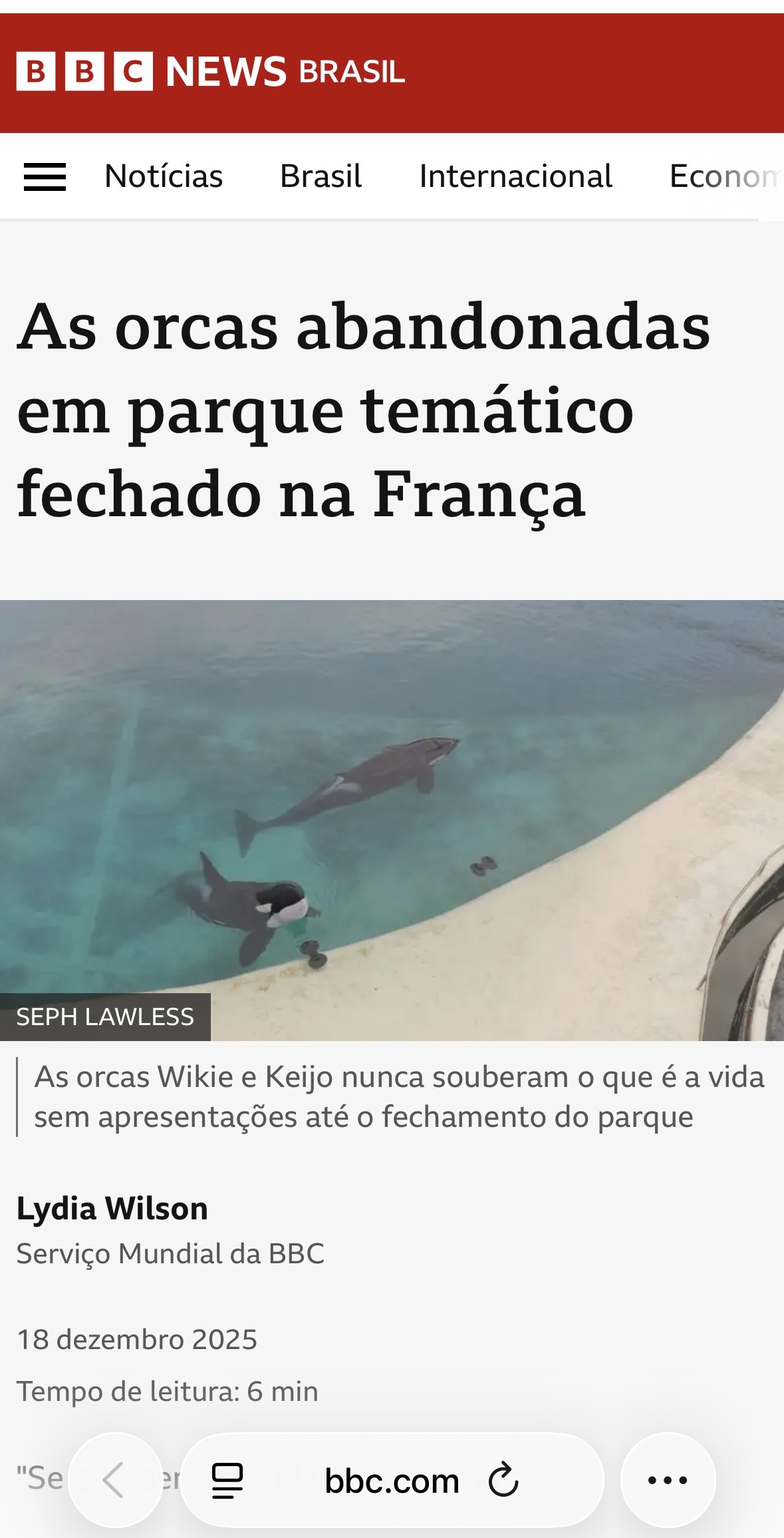
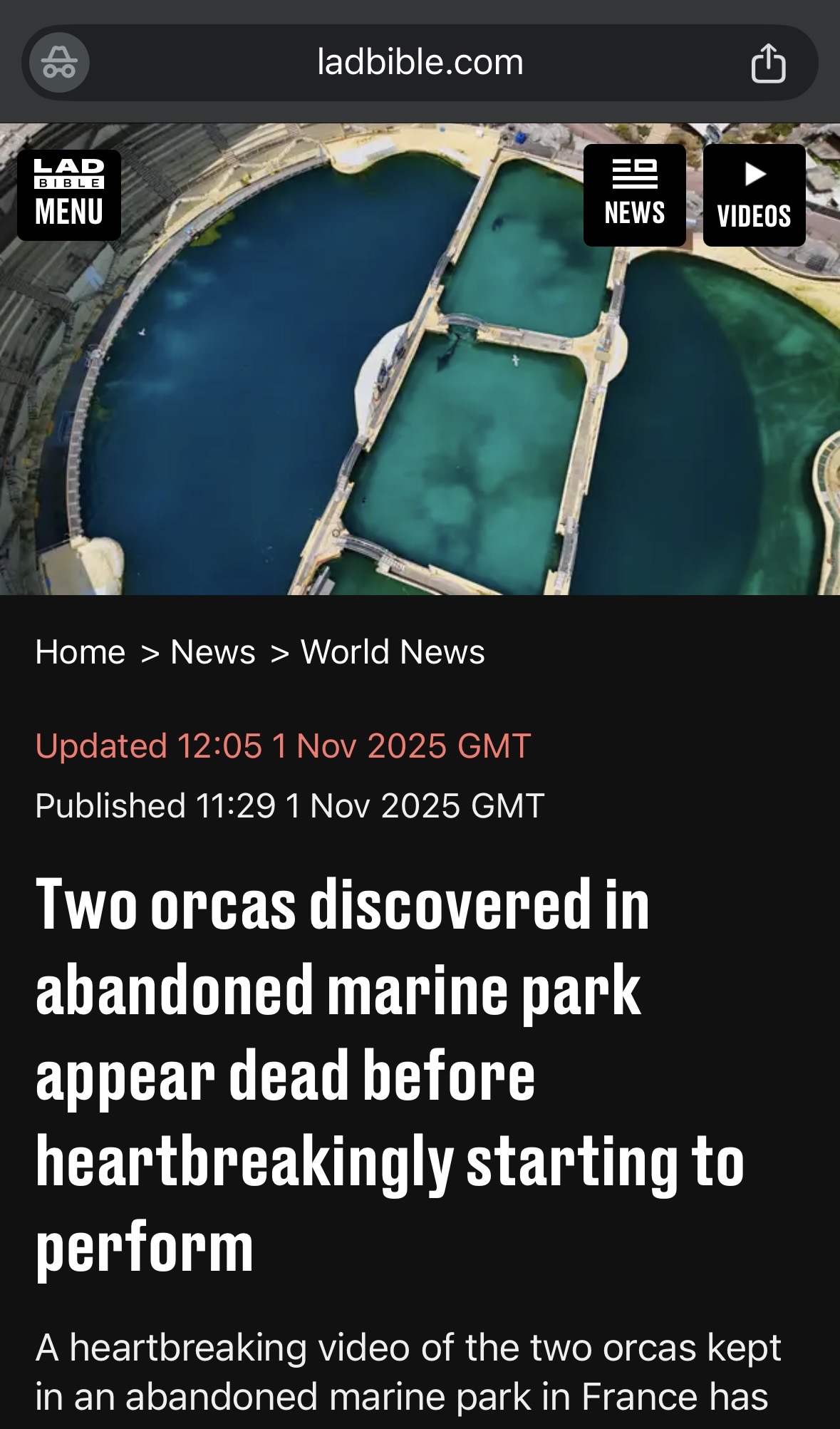
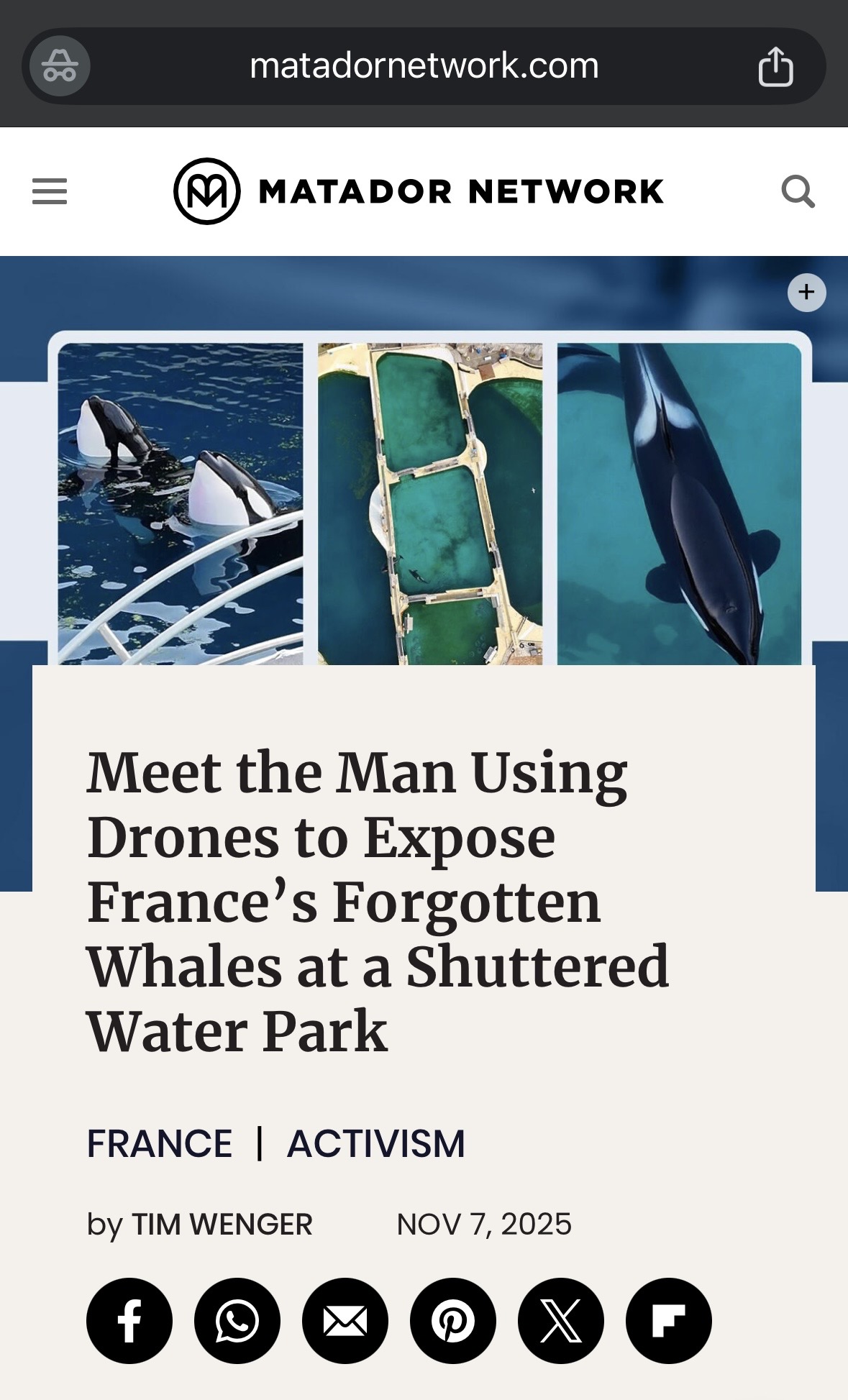
The work received widespread global media coverage, including feature reporting from BBC News, which amplified the findings to mainstream audiences beyond social platforms. International outlets across Europe and North America referenced the content, further legitimizing and expanding the issue’s visibility.
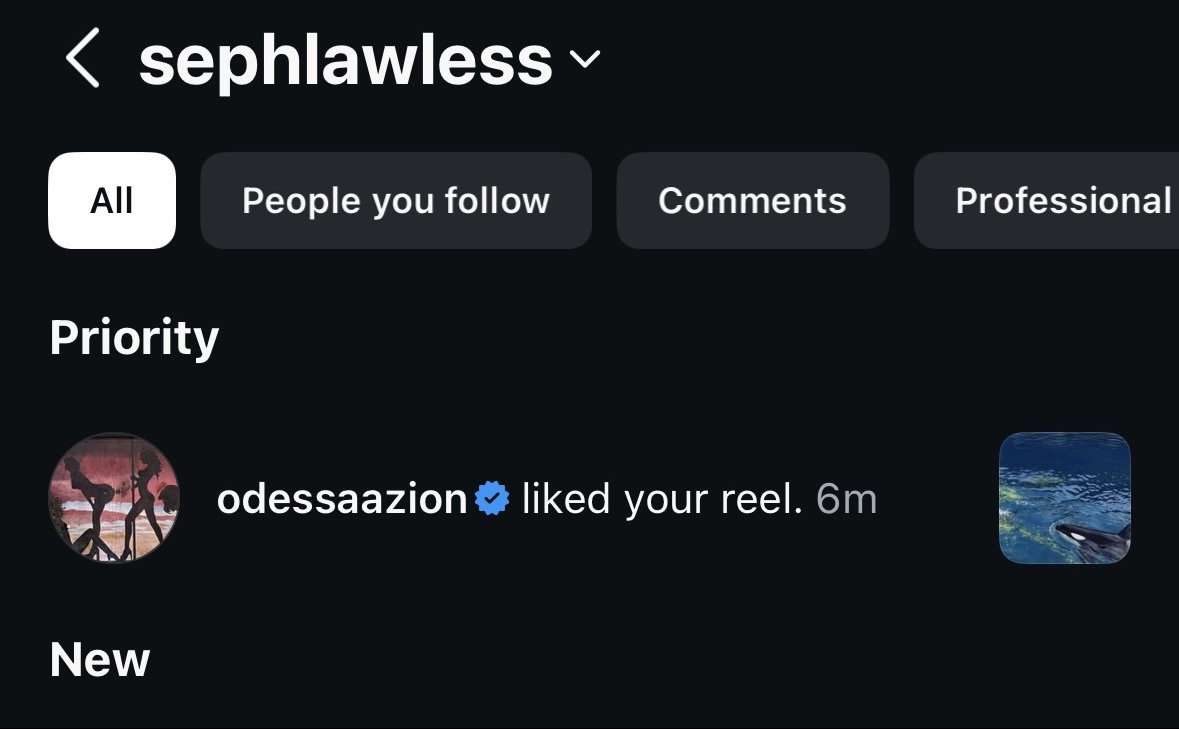
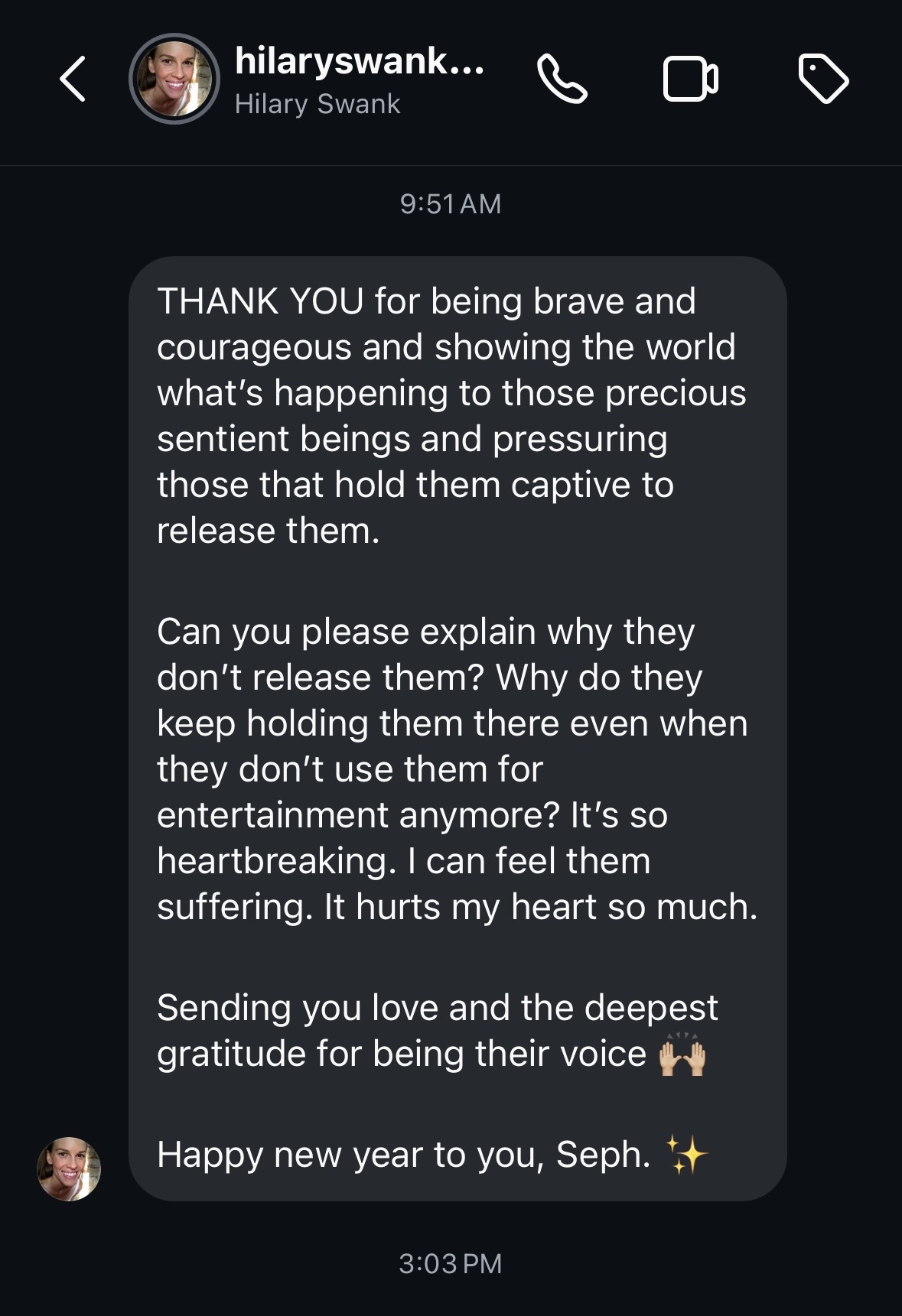
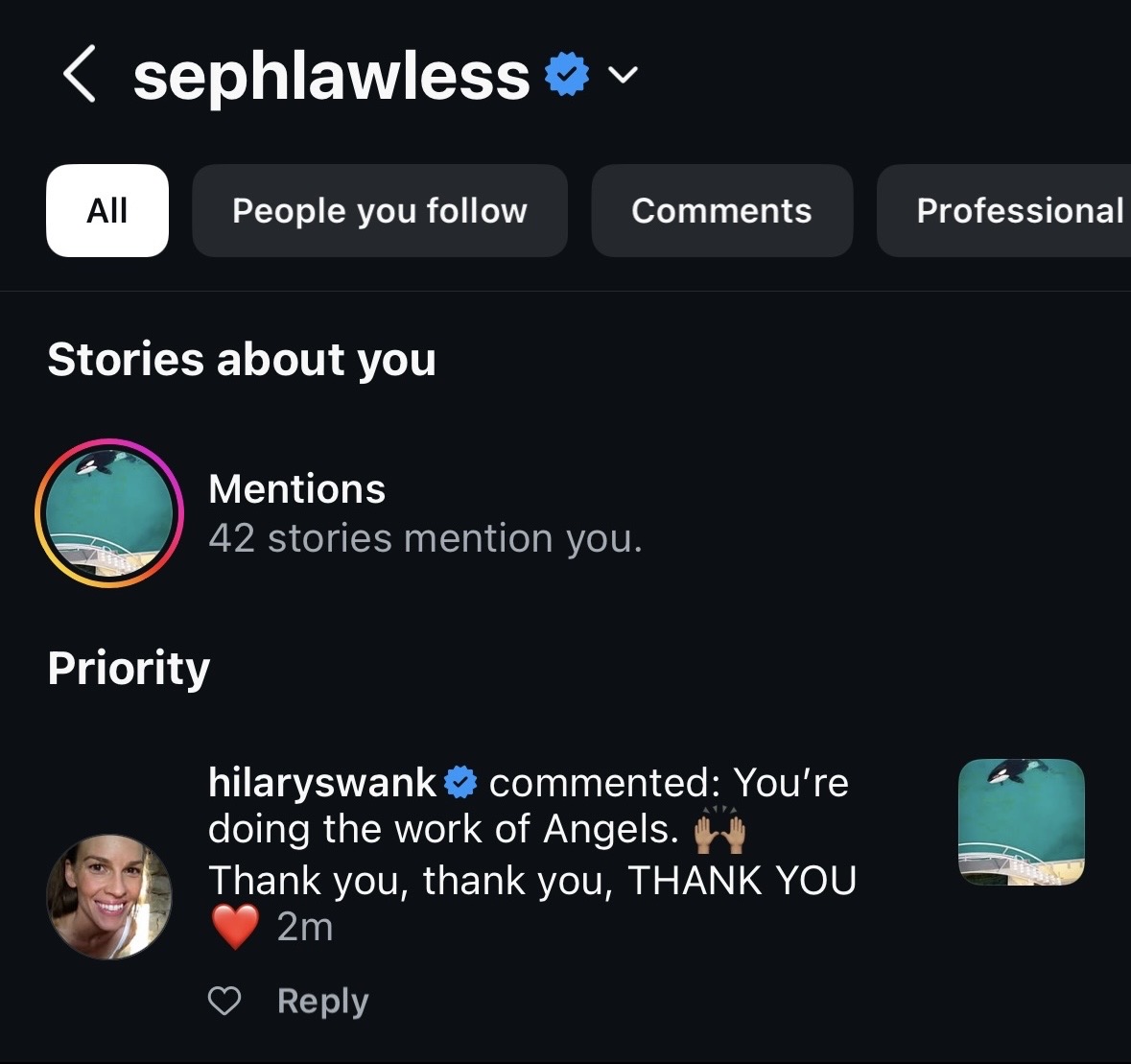
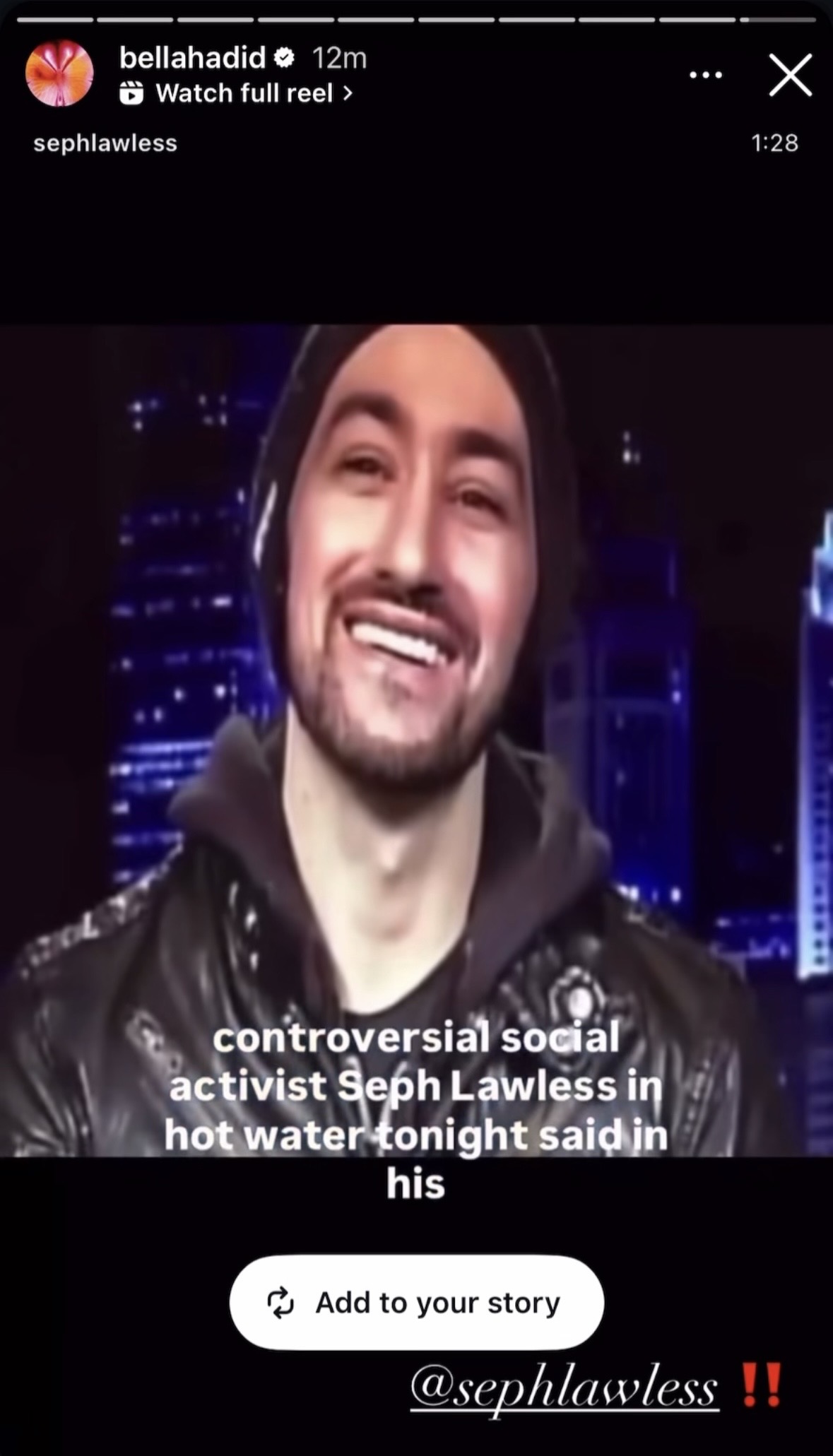
High-profile public figures directly engaged with and amplified the work. Academy Award winners Hilary Swank and Joaquin Phoenix, along with global cultural figure Bella Hadid, publicly liked, commented on, and shared the content to their Instagram Stories while tagging the creator. Their engagement extended the reach to millions of additional viewers and accelerated public awareness at a global scale.
Uniquely, the project represents the only independent documentation of its kind — the creator personally and covertly entered the marine park to capture footage and provide unfiltered transparency into the conditions faced by the orcas. This firsthand documentation offered the public unprecedented access and clarity, eliminating speculation and grounding the conversation in visual evidence.
The combination of investigative access, emotionally resonant storytelling, and platform-native distribution converted passive viewership into active engagement. Advocacy groups, including The Whale Sanctuary Project, publicly acknowledged the impact of the work in elevating urgency and supporting renewed international attention toward sanctuary solutions.
The visibility generated tangible real-world consequences: increased public discourse in France, renewed governmental scrutiny, global advocacy alignment, and heightened fundraising awareness for sanctuary efforts.
The project demonstrates how a single independent creator can leverage authenticity, narrative craft, and platform mechanics to move an issue from obscurity into global accountability — transforming social media visibility into sustained cultural pressure and measurable advocacy momentum.