The driving idea behind this work was to investigate the reality behind a bold political and economic promise: the construction of a highway through Afghanistan’s remote Wakhan Corridor to connect the country with China. The project is presented by the Taliban as a transformative development that will revive Afghanistan’s economy and reshape regional and global trade. Yet despite its ambitious scope and potential geopolitical significance, there is almost no information available—no verified footage, no clear updates, and little insight into what this project truly means for the region.
Our goal was to move beyond official narratives and online speculation by documenting what is actually happening on the ground. We set out to travel into one of the most isolated and inaccessible regions in the world to examine the progress of the highway, understand its feasibility, and explore its broader implications.
Specifically, we aimed to:
-Document the physical reality of the road construction and assess how far the project has progressed.
-Capture the environmental and geographical challenges of building infrastructure in one of the highest and most remote mountain regions on earth.
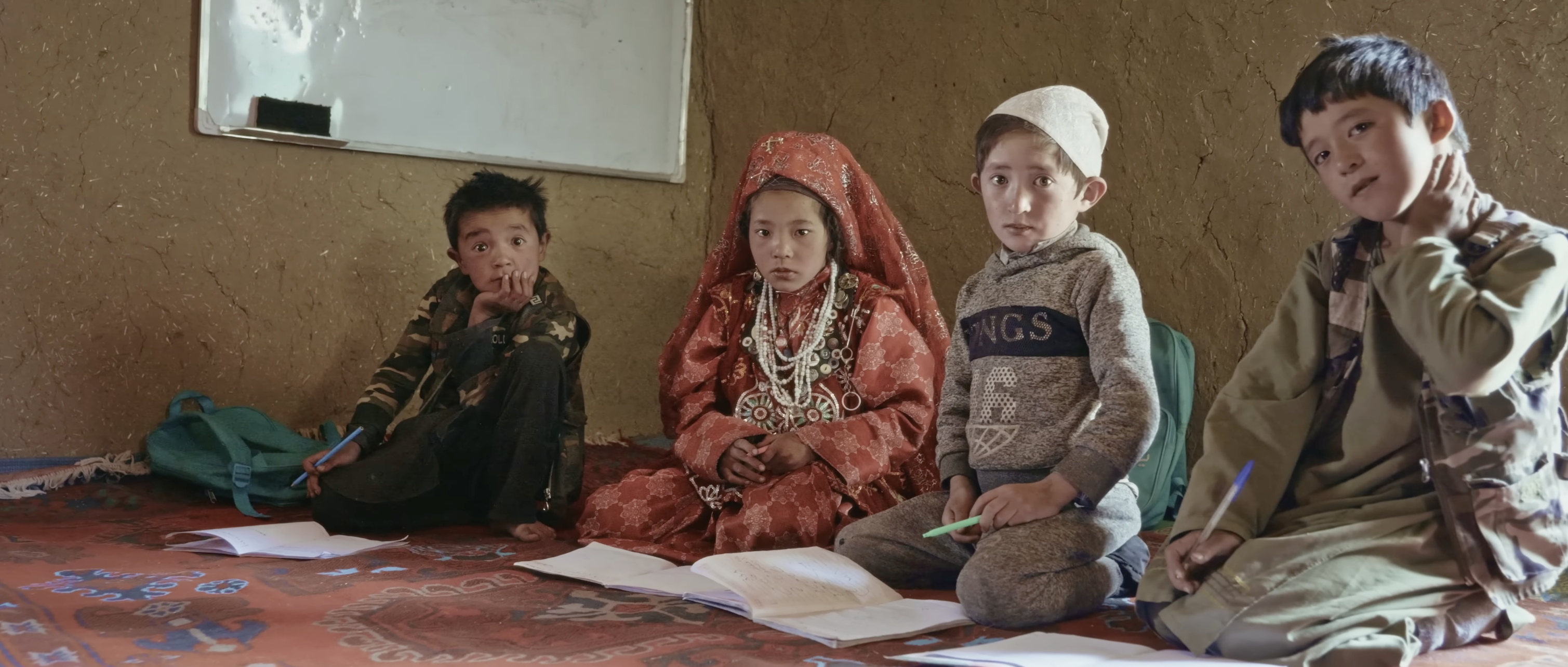
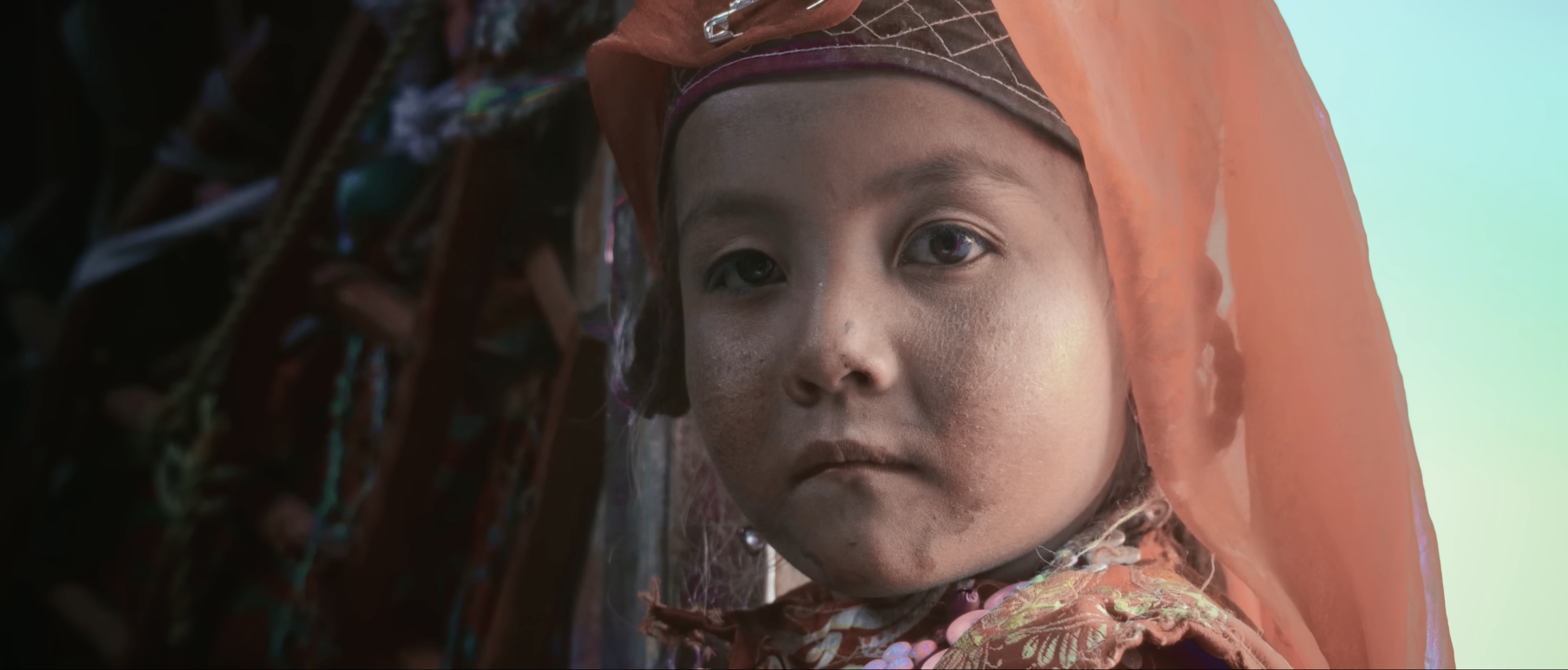
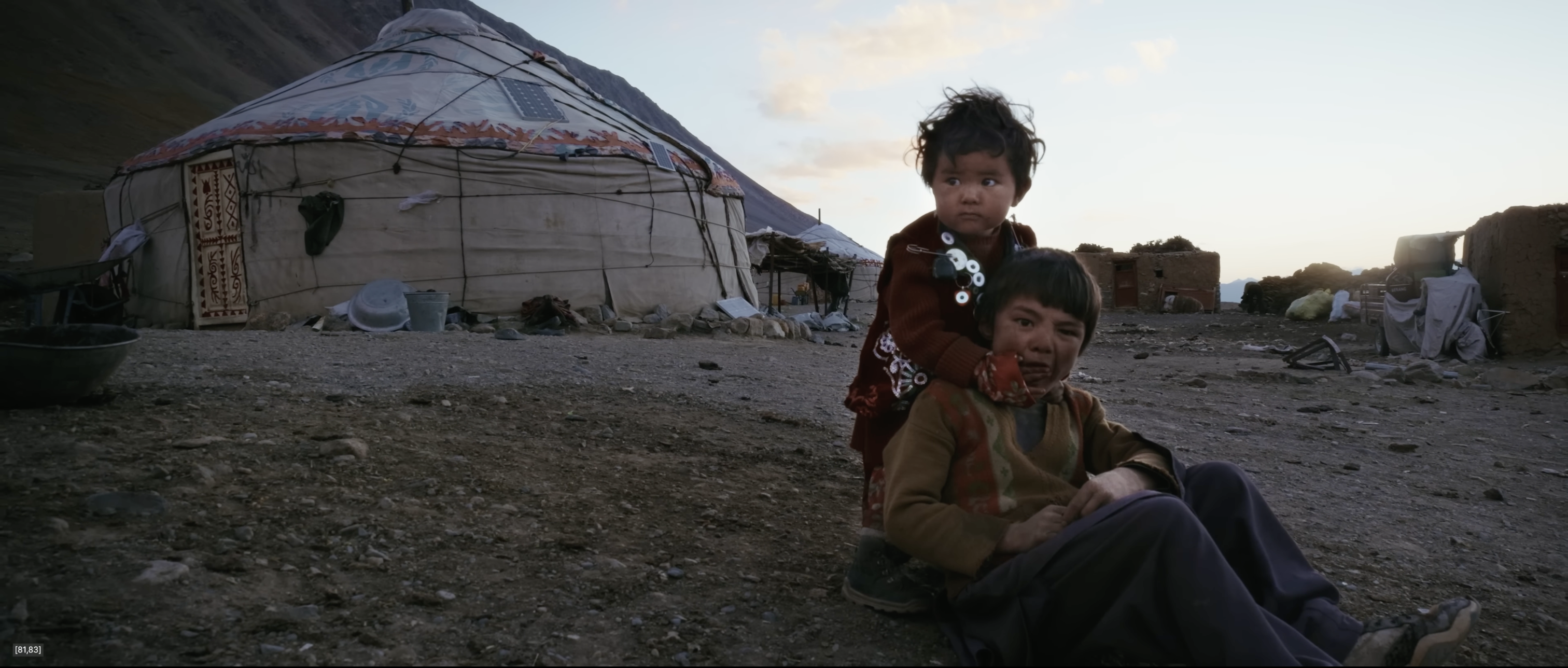
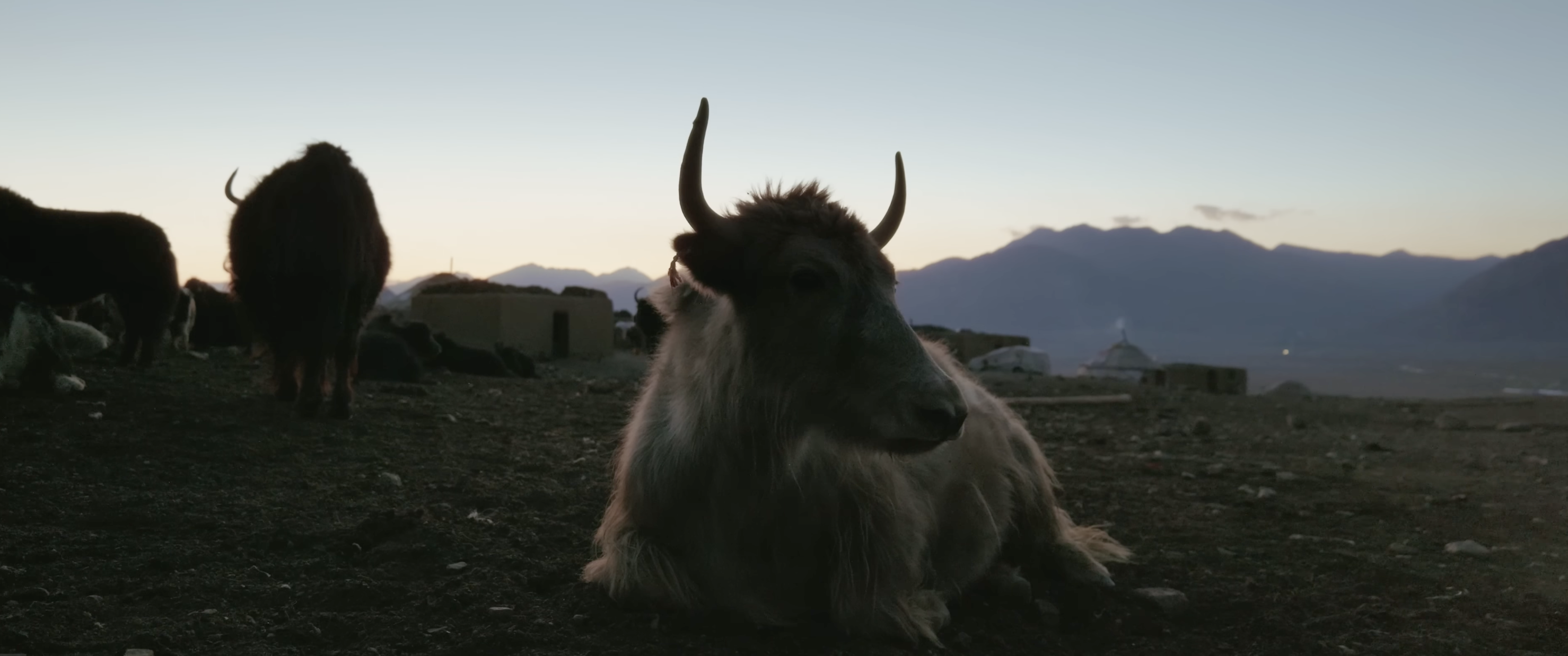
-Give voice to the people living in the Wakhan Corridor, whose traditional nomadic lifestyles and fragile ecosystems may be deeply affected by this development.
-Analyze what this road could mean economically, politically, and socially for Afghanistan and for international trade routes between Asia and the West.
Through filmmaker and traveller Vali’s journey into the Wakhan Corridor, we seek to provide transparency, human perspective, and on-the-ground evidence in a place where information is scarce and narratives are highly controlled.
Strategy & Execution
To bring this project to life, we developed a strategy that combined investigative journalism, high-risk field reporting, and long-form cinematic storytelling. From the outset, we knew that access would be the central challenge. Since the Taliban regained control of Afghanistan in August 2021, the country has become one of the most difficult places in the world to report from. Media permissions are tightly controlled, public spaces are monitored, and security forces operate checkpoints across the country, often searching phones and questioning travelers.
Plan of Action
-Extensive preparation and risk assessment
Behind the scenes, a dedicated team worked for months to secure visas, journalist permits, and travel clearances. We conducted multiple security and risk assessment calls, developed contingency plans for emergency scenarios, and mapped evacuation routes. Given that parts of the journey would take place at several thousand meters above sea level, we also prepared for medical risks such as altitude sickness.
-On-the-ground reporting
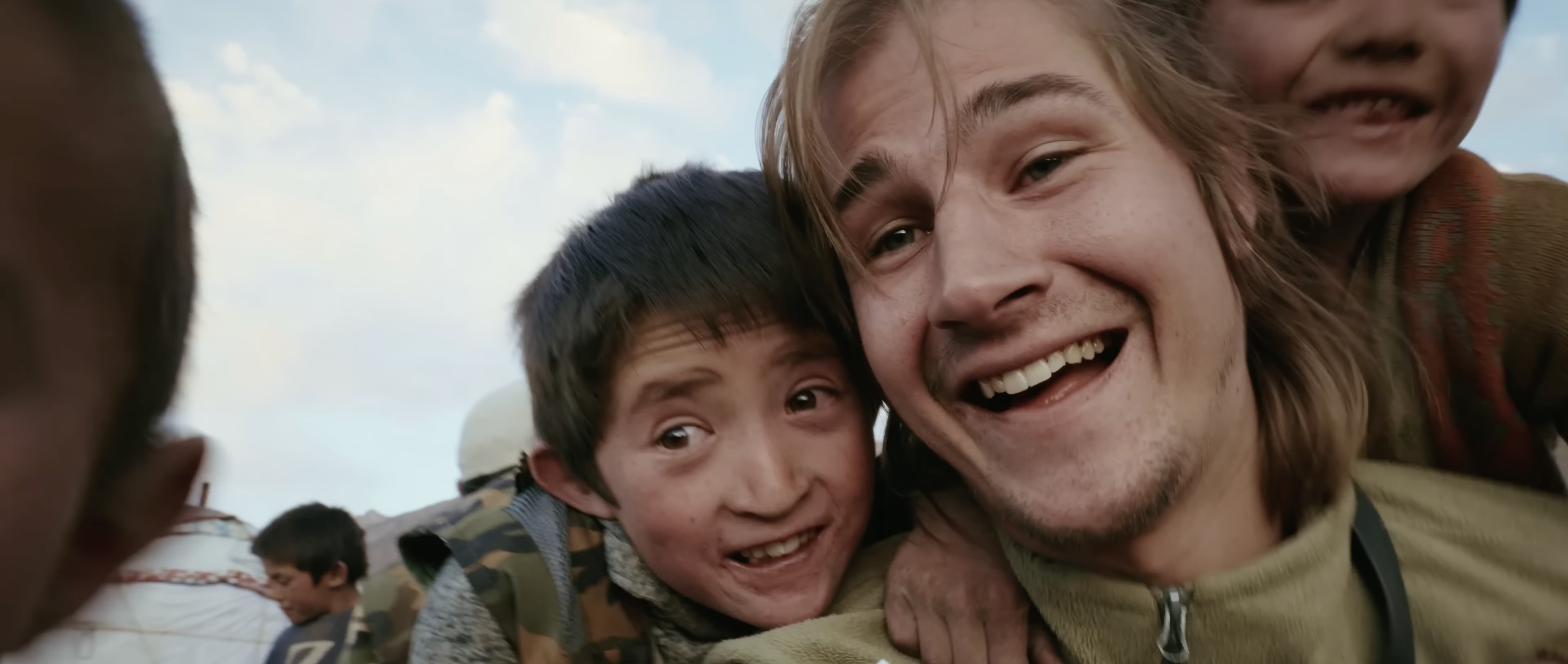
Filmmaker and traveler Vali traveled deep into the Wakhan Corridor to follow the route of the planned highway as closely as possible. Rather than relying on official statements, we focused on first-hand observation and conversations with local people. Our goal was to understand not only the infrastructure project itself, but also its social, political, and human consequences.
Execution
Executing the project required navigating multiple layers of difficulty:
-Political restrictions: Filming and journalistic activity required constant negotiation. Authorities monitor media work closely, and critical voices are often silenced.
-Security risks: The political situation remains unstable. Movement through the country involves checkpoints and scrutiny.
-Extreme remoteness: In the Wakhan Corridor, there is almost no reliable cell signal. The terrain is rugged, clean drinking water is scarce, and professional medical care can be days away.
-Environmental challenges: High altitudes, freezing temperatures, and physically demanding travel routes pushed the team to their limits.
As Vali moved closer to the Chinese border, access became increasingly difficult, and the story itself began to feel more elusive. Yet through persistence and careful navigation of local dynamics, he was able to speak with many Afghans and capture both the breathtaking beauty of the region and the complexity of the moment.
What Makes This Work Unique
What distinguishes this project is its combination of geopolitical investigation and deeply human storytelling in a place that is almost invisible to the outside world. Very little verified information exists about the proposed highway. By physically traveling into one of the most remote regions on earth, we moved beyond speculation and official narratives.
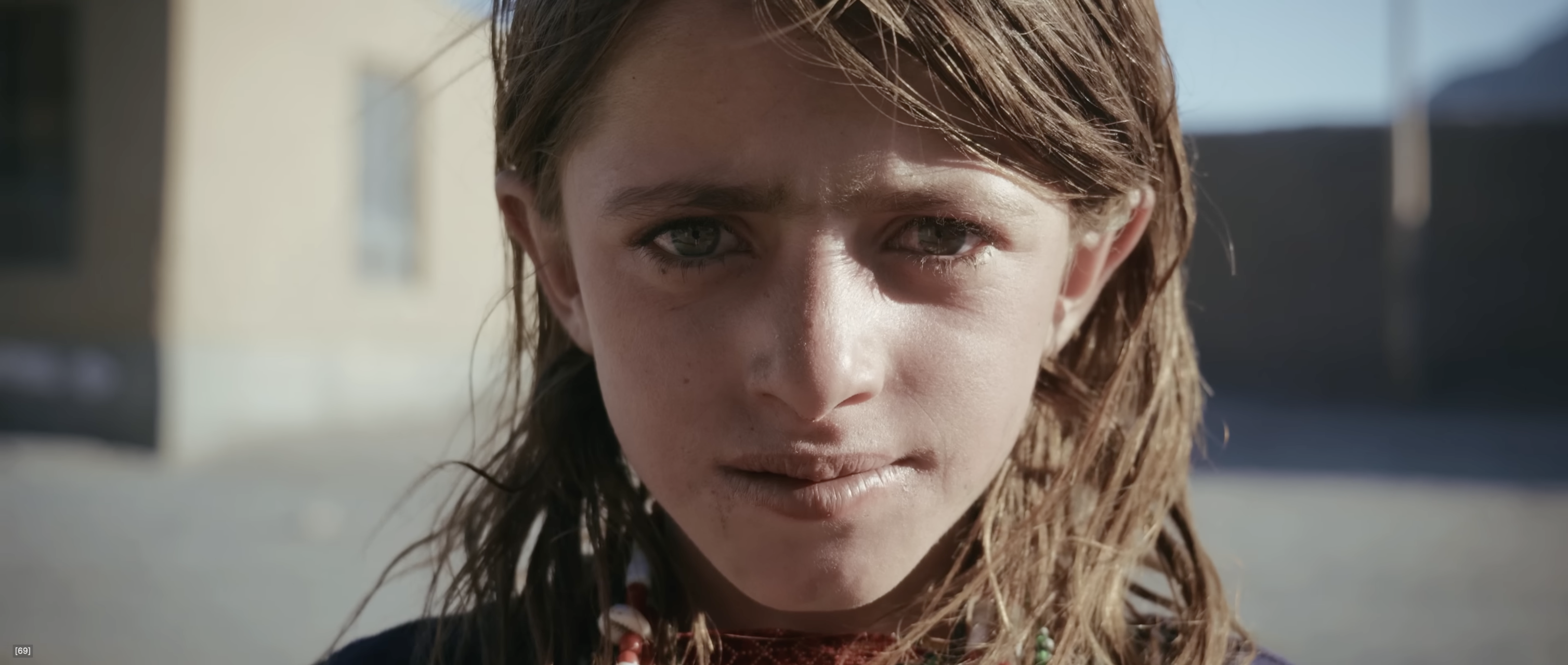
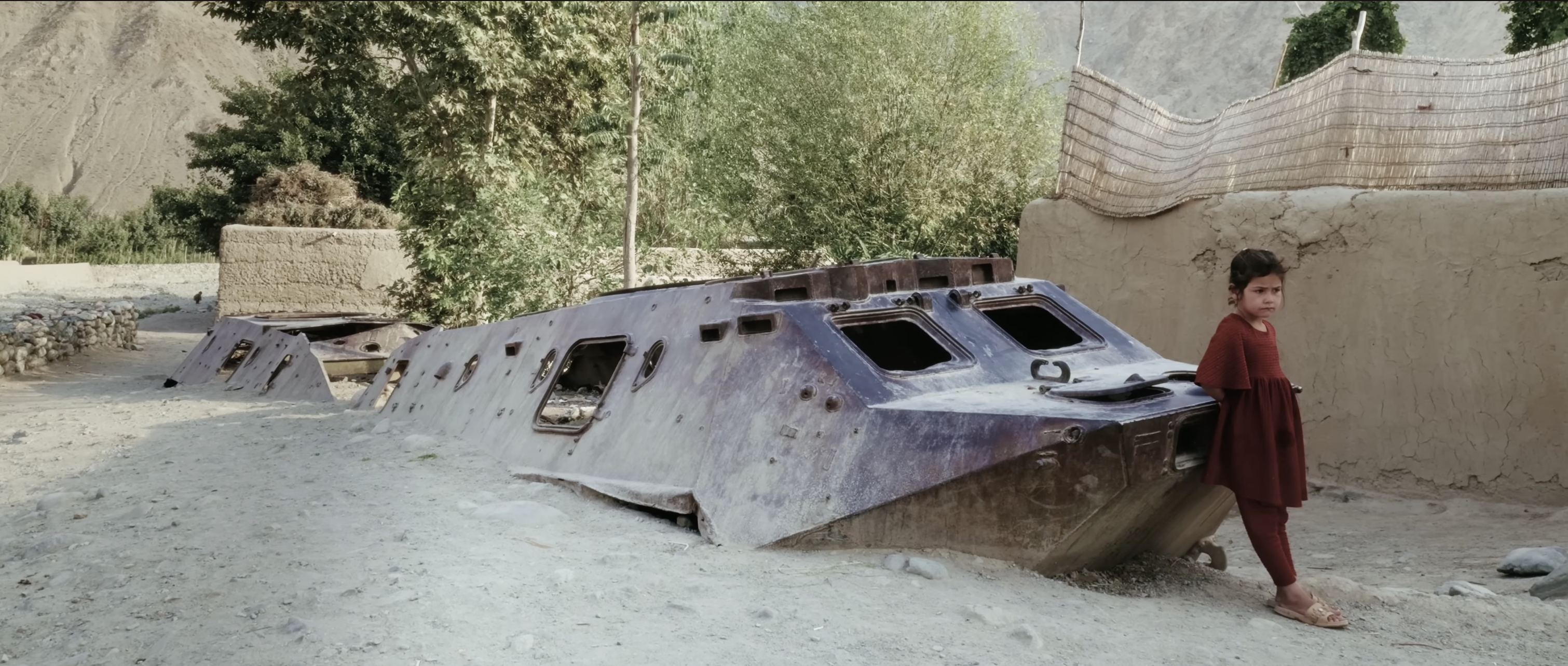
The resulting film reveals a striking contradiction: a road presented as a symbol of economic progress and global connection, built in a country where fundamental freedoms—especially for women and girls—are being rolled back. The highway becomes more than infrastructure; it becomes a lens through which to examine Afghanistan’s uncertain future.
Despite repression and isolation, many Afghans we encountered still express hope—hope for economic opportunity, open borders, and a future in which women regain their rights. Capturing this tension between progress and regression, isolation and connection, is at the heart of our work.
Our primary objective was to move beyond official narratives and uncover what the promised highway through the Wakhan Corridor actually means in reality—for the land, for Afghanistan’s future, and for the people living there. The results clearly met that goal.
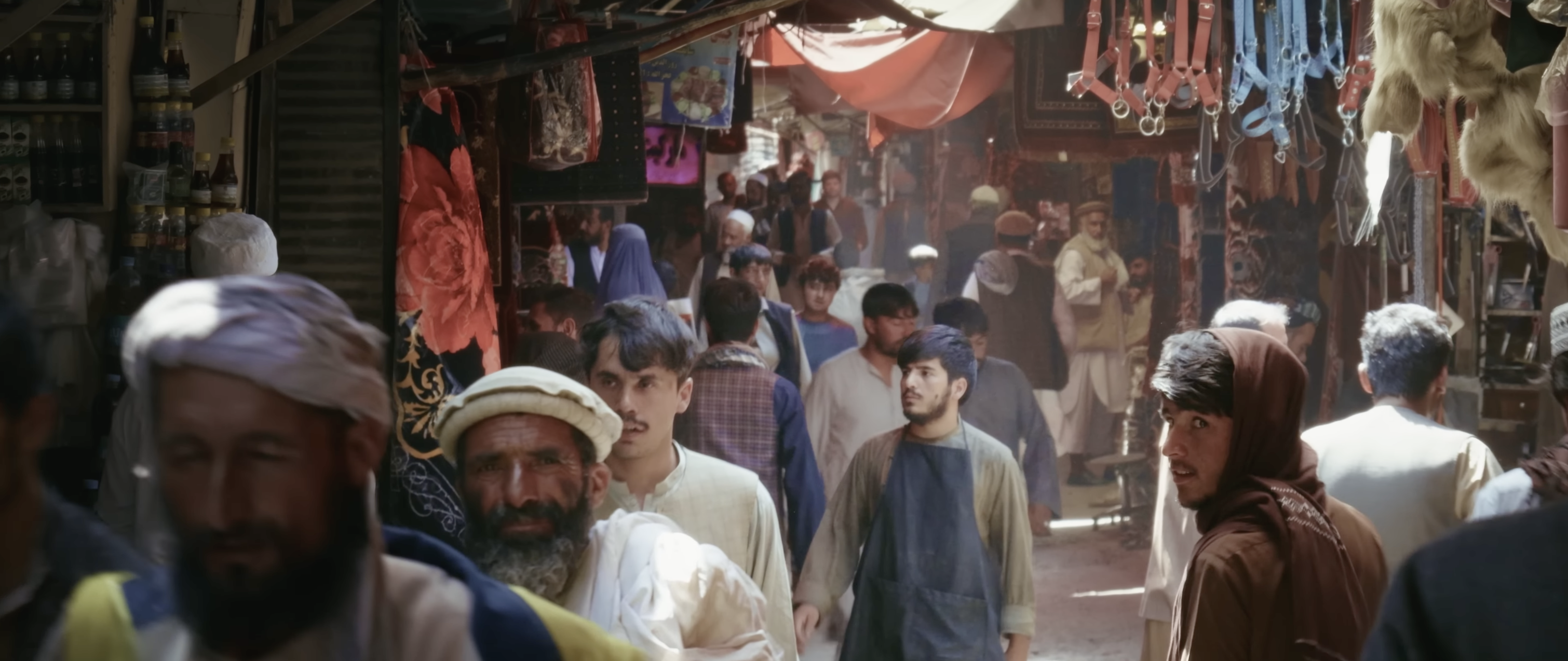
Through Vali’s on-the-ground reporting, we documented first-hand impressions from one of the most remote regions in the world and spoke with numerous Afghans about their expectations and concerns. This fulfilled our commitment to provide transparency and human perspective in a place where reliable information is scarce and tightly controlled under the rule of the Taliban.
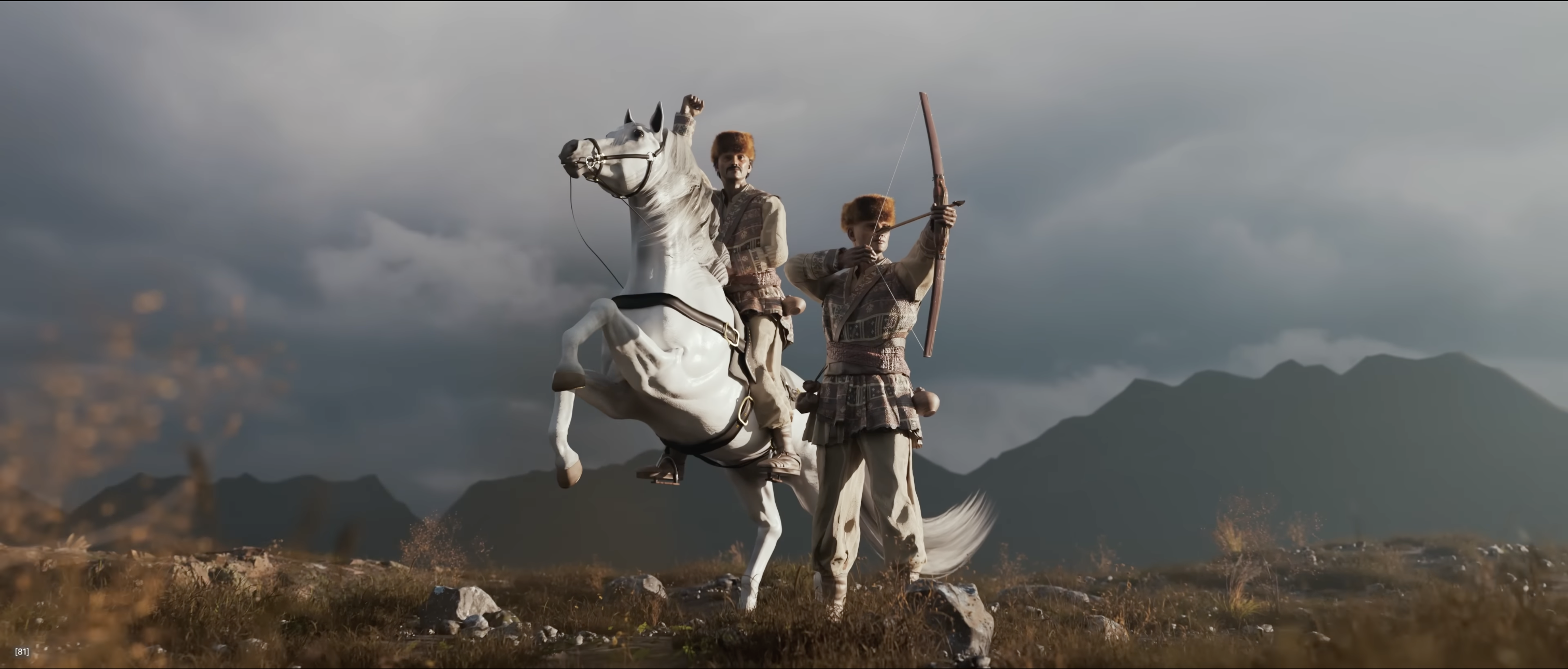
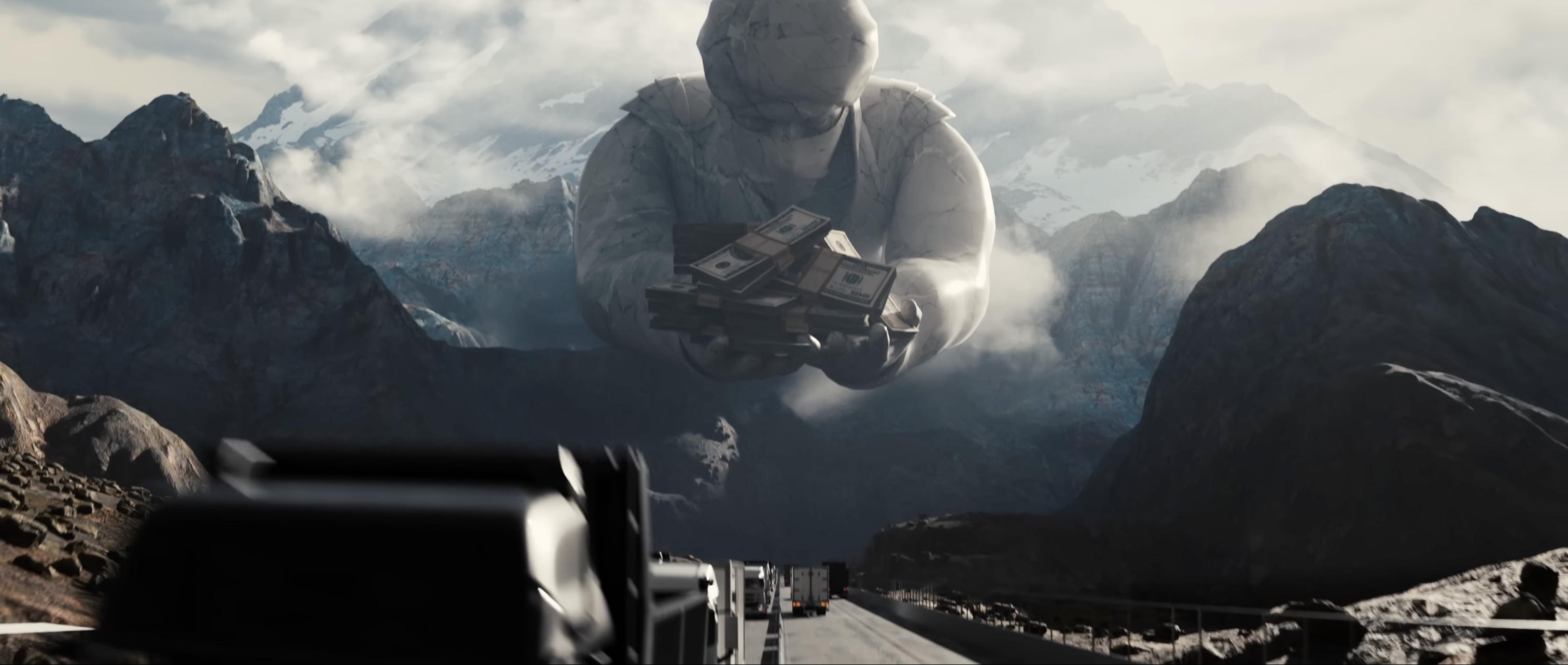
A key element in achieving our objectives was the sustained use of 2D and 3D animation. Combined with authentic field footage, animation allowed us to visualize complex geopolitical contexts, illustrate unfinished or inaccessible parts of the project, and explain trade routes and power dynamics in ways traditional documentary filmmaking could not. This hybrid storytelling approach made the investigation both informative and visually compelling.
Importantly, the film also captured the central contradiction we set out to explore: a road symbolizing economic progress in a country where freedoms—especially for women—are being rolled back. Vali could leave Afghanistan; most of the people he met cannot. That perspective became a powerful narrative anchor.
With over 3.2 million viewers, the project reached a wide international audience and presented a rarely seen side of Afghanistan—its landscapes, resilience, and everyday realities. The combination of impact, reach, and depth makes our efforts a clear success. The overwhelmingly positive response in the comment section shows that audiences around the world are deeply grateful for such rare and unique insight into the country and the Taliban highway project. The combination of impact, reach, and depth makes our efforts a clear success.