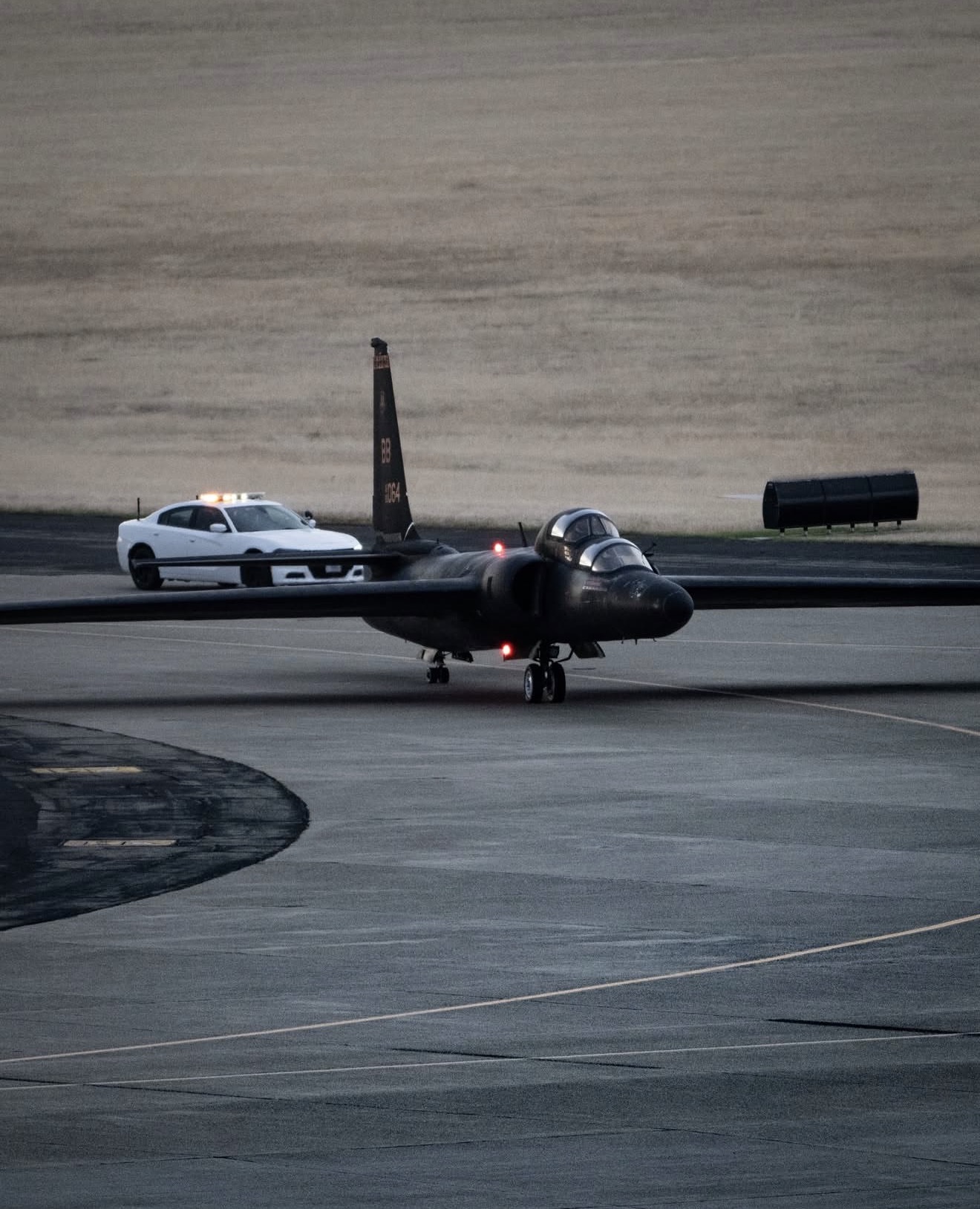
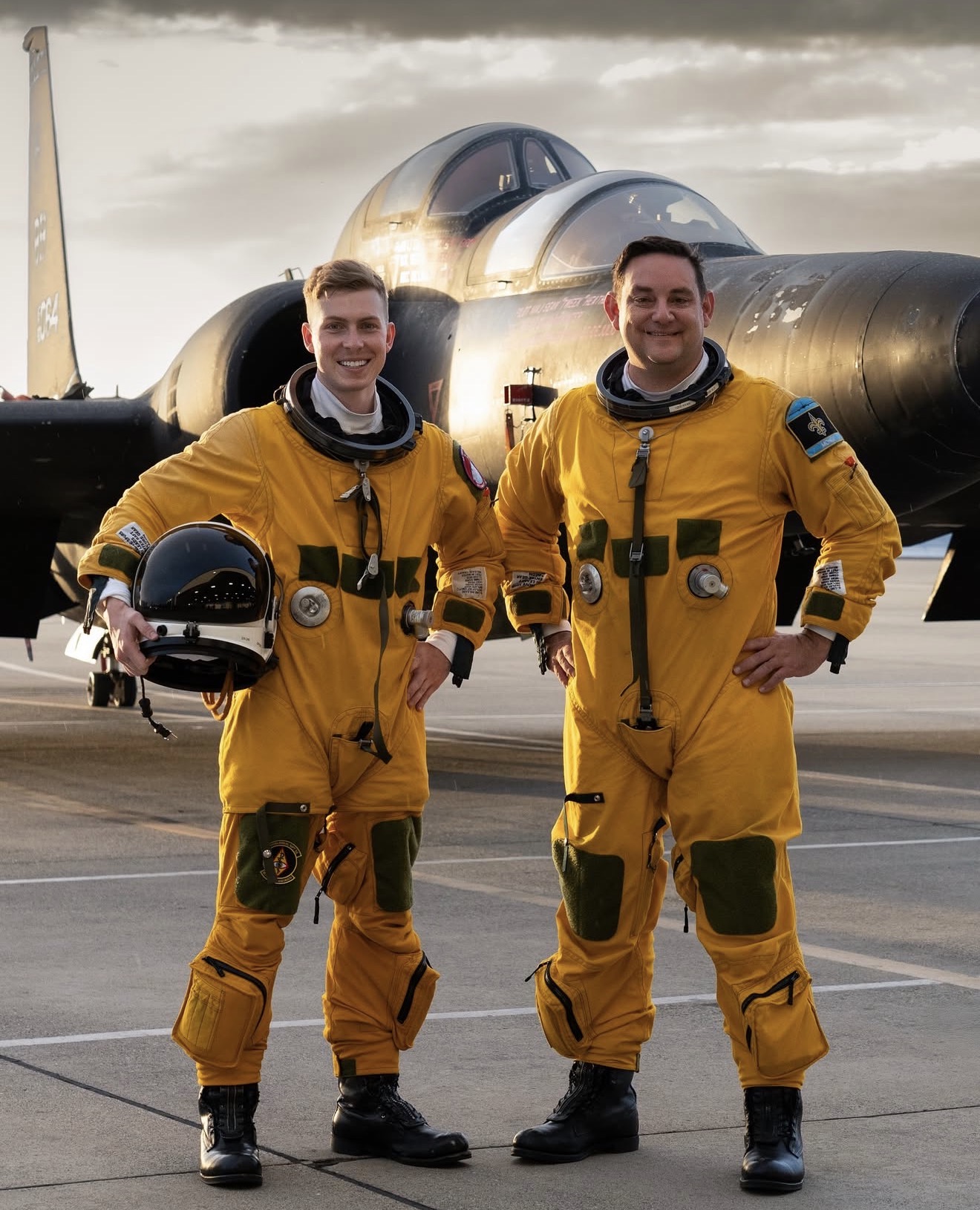
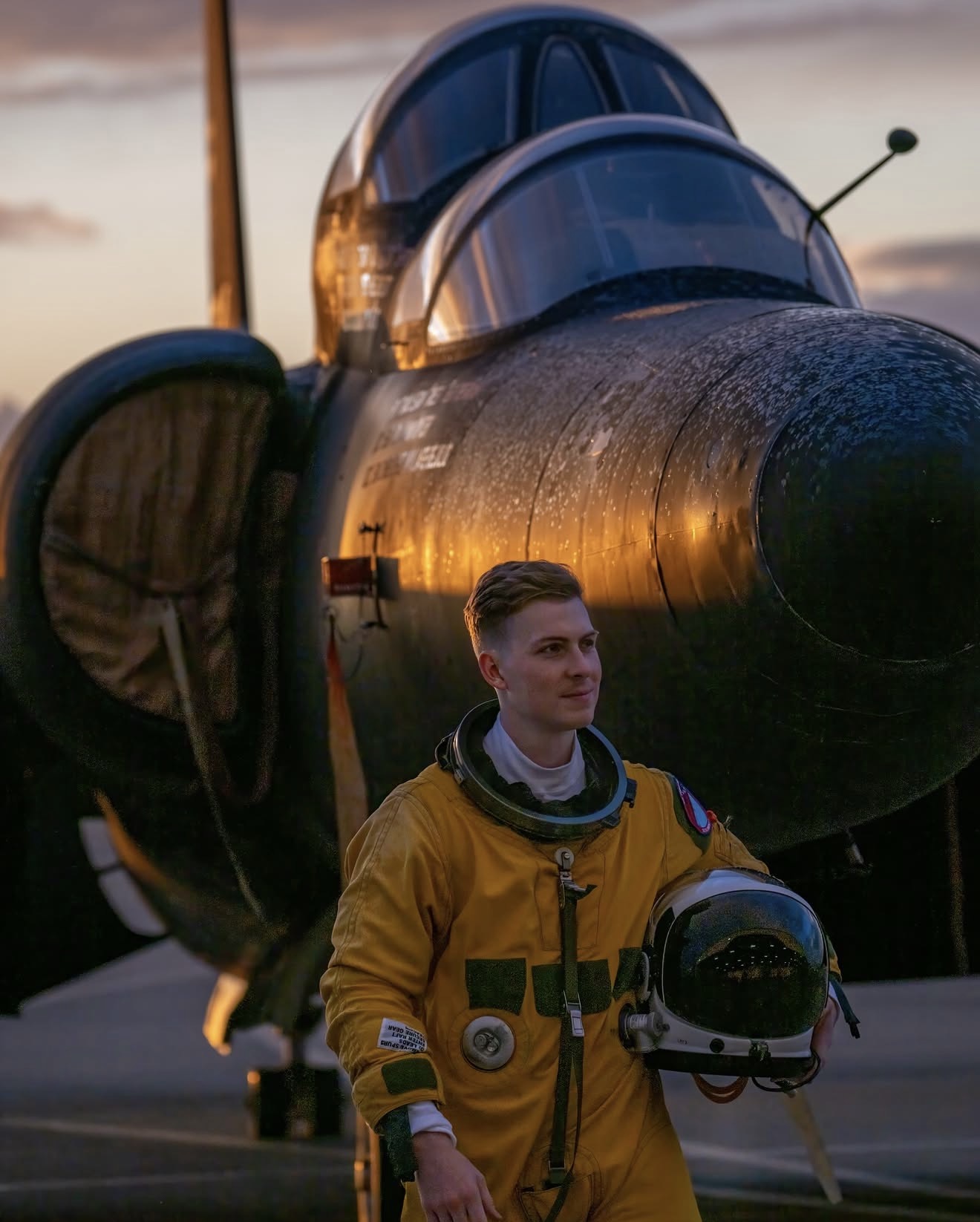
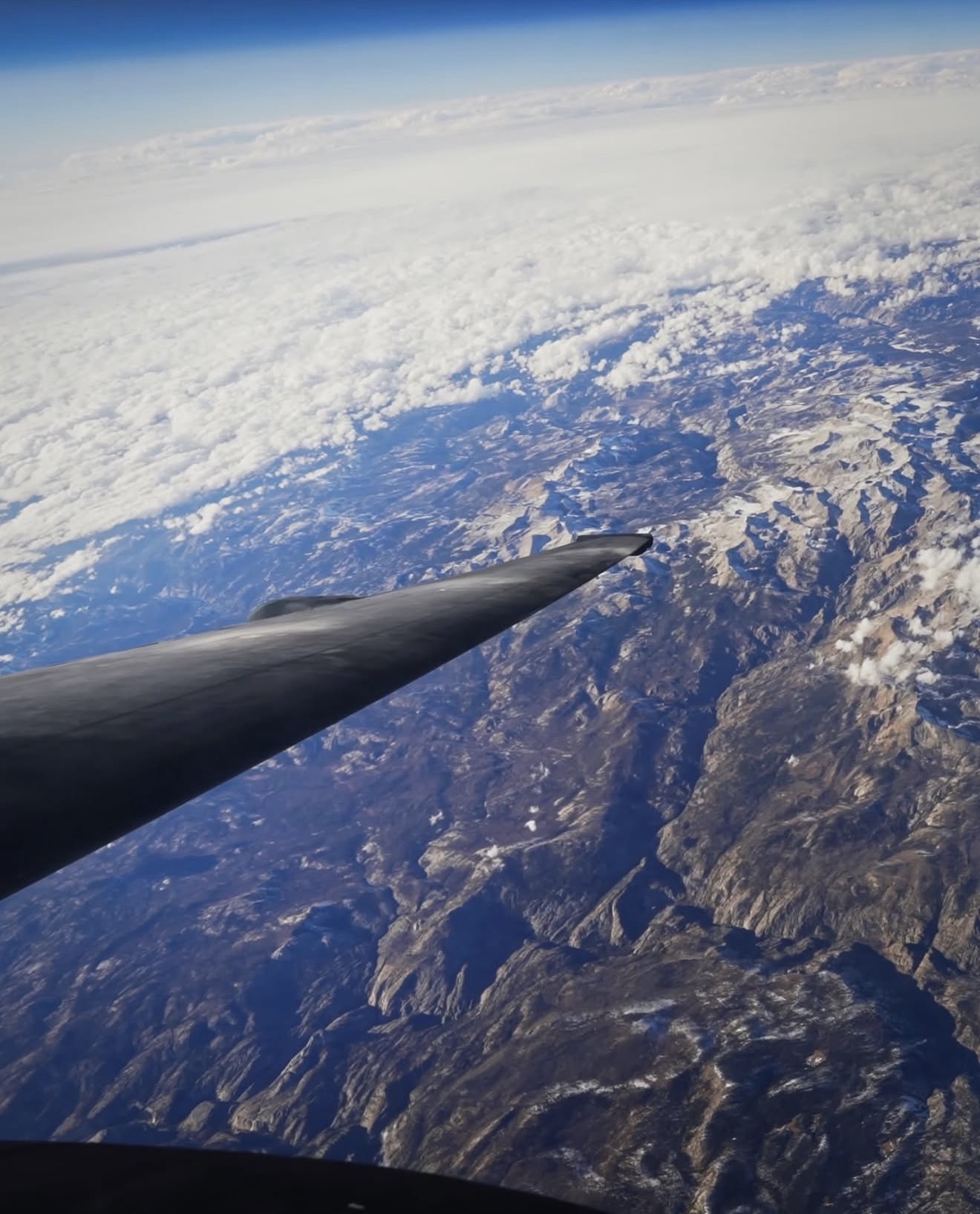
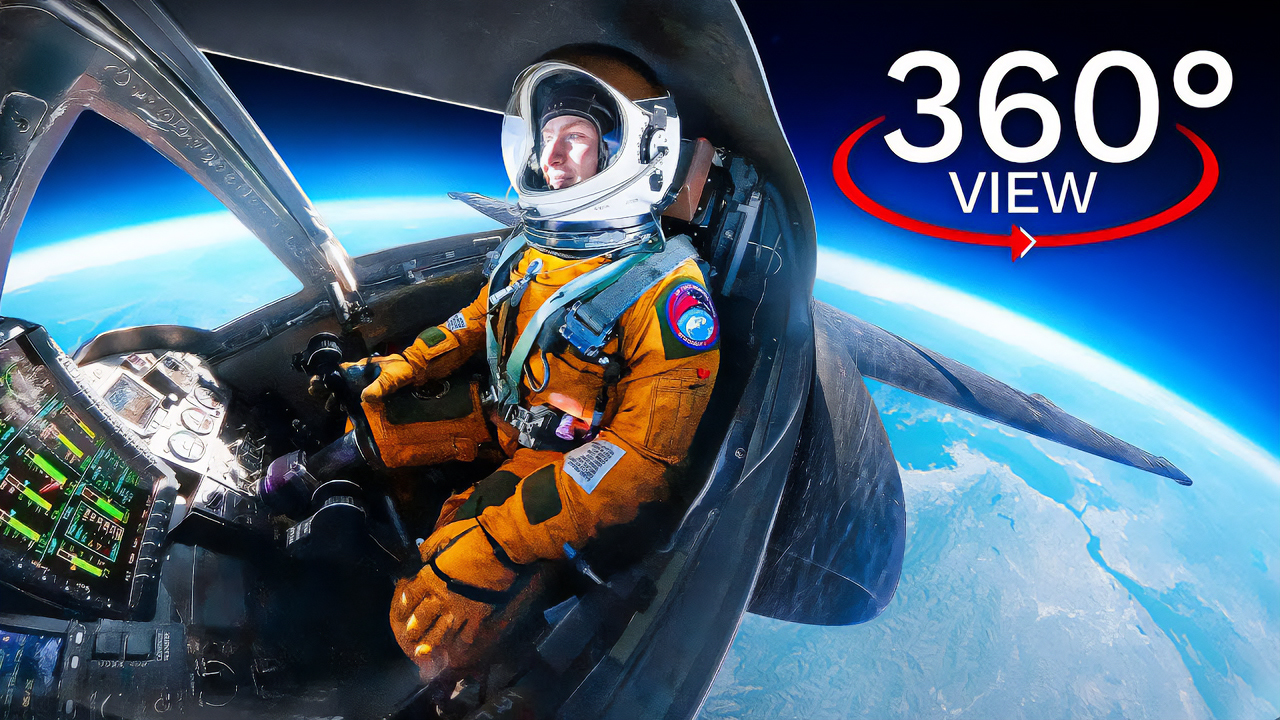
The Access Granted U-2 Spy Plane documentary was driven by a singular mission: to illuminate one of the most storied and consequential aircraft in modern history, the Lockheed U-2 “Dragon Lady” through the people, missions, and legacy that define its impact on global secuirty. Due to the aircraft's classified nature, this film took over 2 years of careful negotiation and planning to execute, and the results lived up to its legacy.
The U-2 is not just another airplane; it is a living icon of intelligence, diplomacy, and geopolitical influence. Serving as the United States’ high-altitude reconnaissance workhorse since the 1950s, the U-2 provided critical intelligence that shaped pivotal moments in global history, including imagery that confirmed Soviet missile installations during the Cuban Missile Crisis and intelligence that challenged assumptions about adversary capabilities.
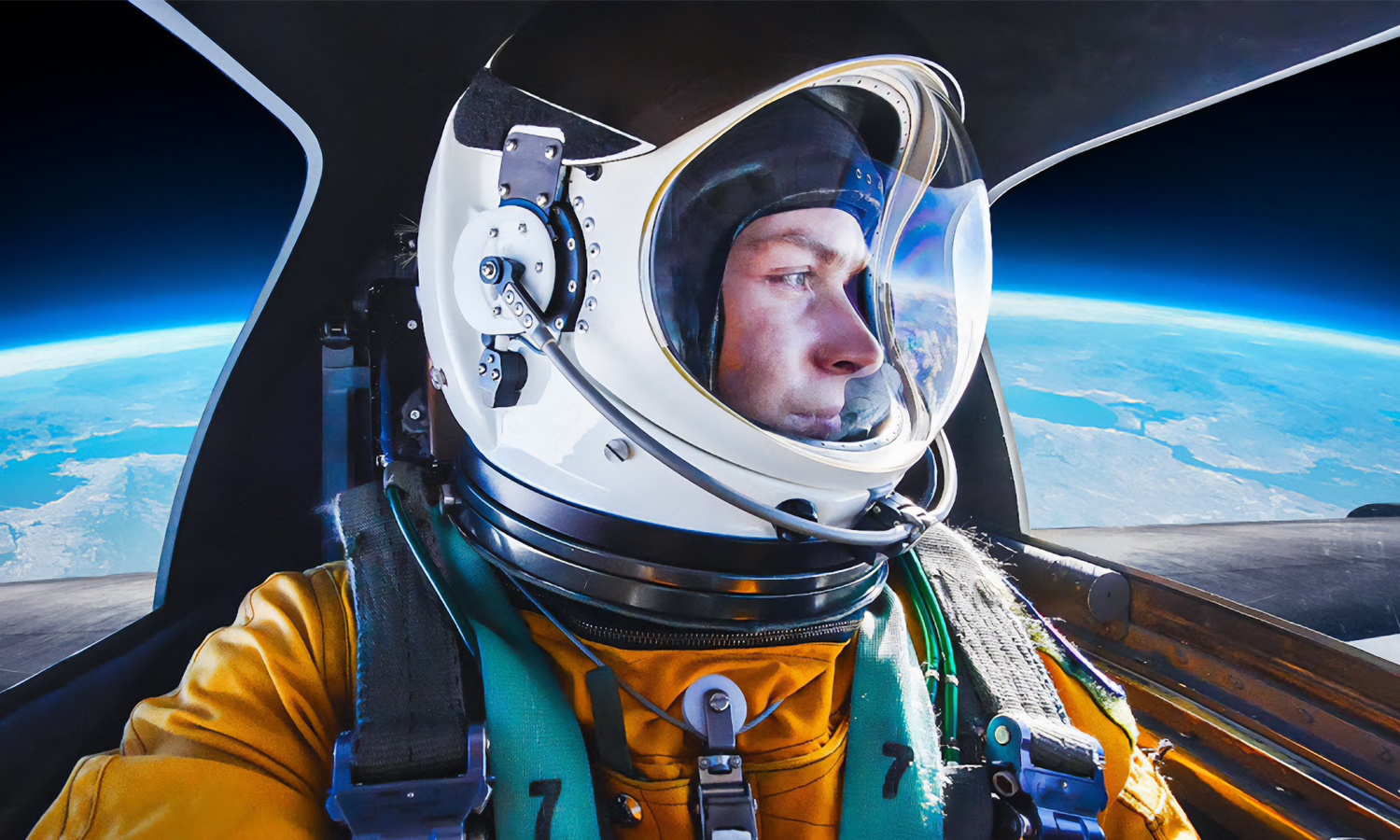
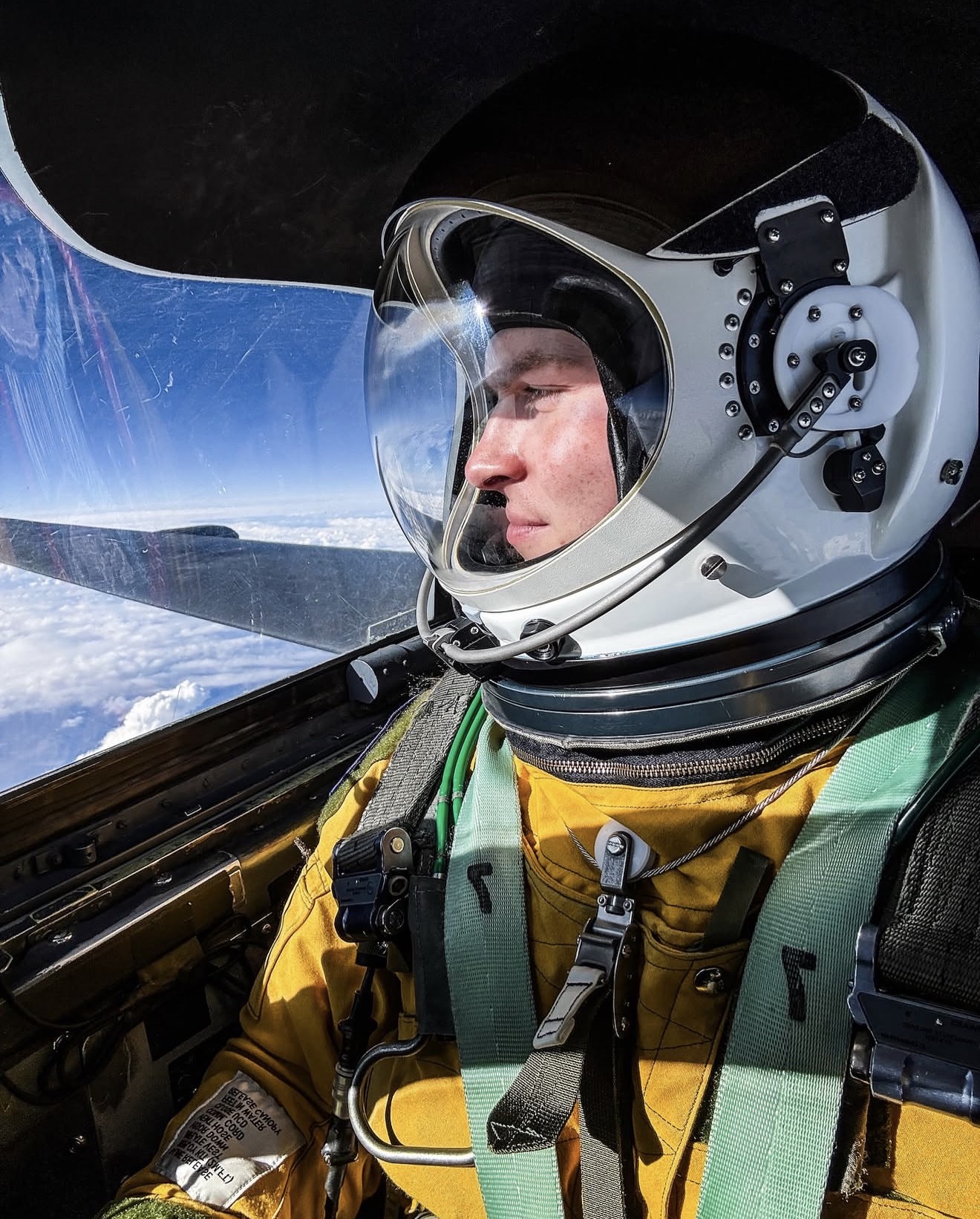
The future U-2 replacement aircraft will be unmanned, marking the end of a uniquely human chapter in reconnaissance aviation. The documentary aimed to honor this legacy as the aircraft approaches retirement from operational service. Sam’s objective was to invite audiences into the cockpit, both literally and figuratively, letting viewers sense the altitude, see inside this top secret aircraft like never before, and connect with the pilots who fly incredible missions every day.
With over 12 million views to date, the U-2 Spy Plane film provides a bridge from one of history's most influential aircraft to a generation that largely encounters history online. Through this video, the U-2's legacy will live long into the future.
The U-2 documentary was brought to life through a deliberate decision to tell a story others had been inclined to shelve, as the aircraft approaches retirement. The future U-2 replacement platform will be unmanned, marking the end of a uniquely human chapter in reconnaissance aviation. Sam Eckholm and the Access Granted team recognized a narrow window to document one of the last human-operated spy planes and the people who flew and sustained it.
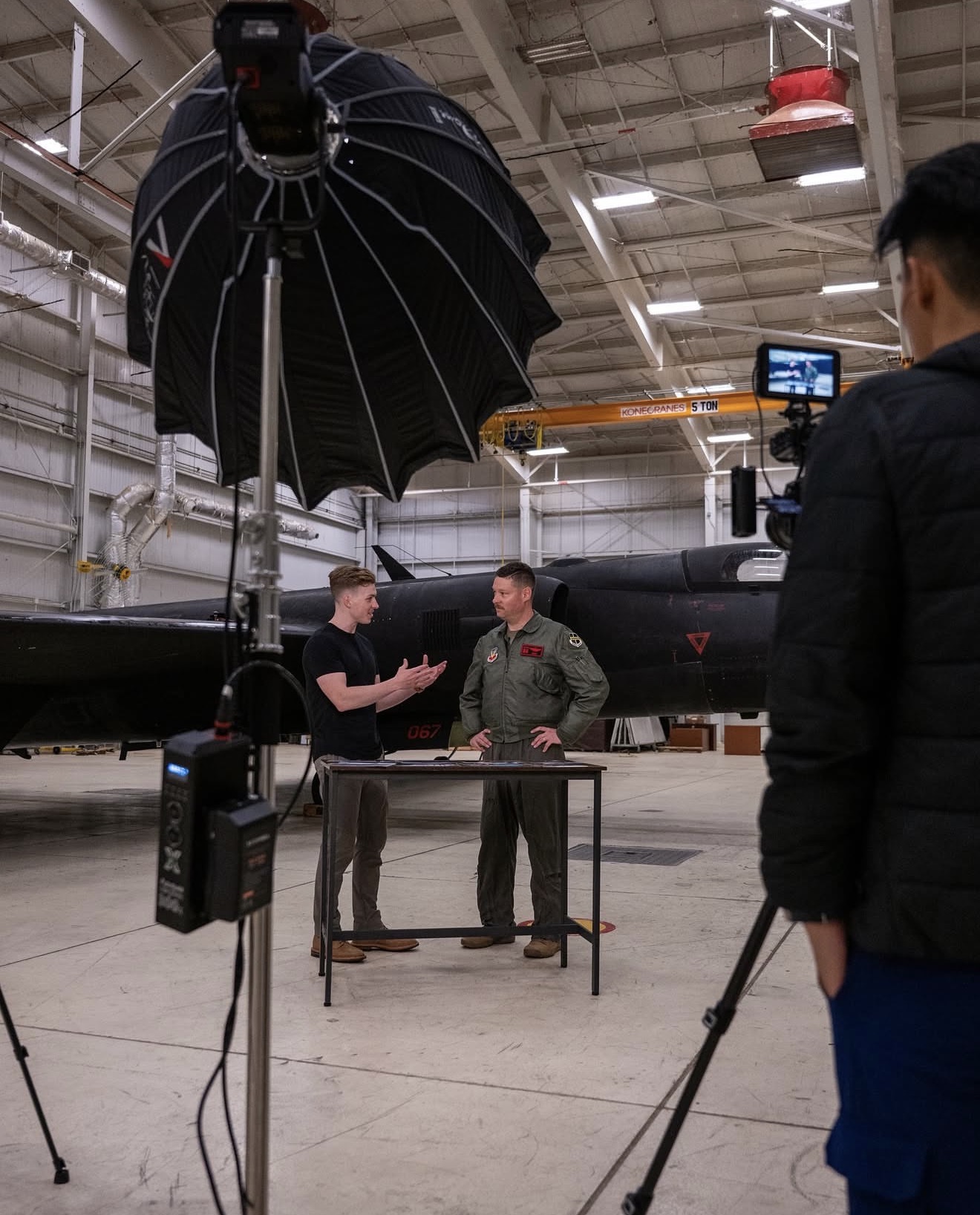
Working closely with the U.S. Air Force, the project required navigating layers of regulatory approval, operational security, and public affairs coordination, particularly because 50+ years later, the U-2 continues to support active, clandestine missions. Access is rarely granted; only a small number of distinguished visitors are ever approved to fly. This project demanded the upmost levels of trust between Sam, the Access Granted team, and the United States Air Force.
Execution posed challenges unlike any conventional documentary. Filming aboard the U-2 required custom camera solutions that could not interfere with aircraft systems, emergency egress, or pilot visibility. Cameras needed remote power sources to withstand long mission durations and extreme environments (temperatures ranging from intense cold to heat) and altitudes more than twice that of commercial flights. Camera mounts and placements were tested and re-tested, with hours spent the night before flight refining configurations under strict security oversight.
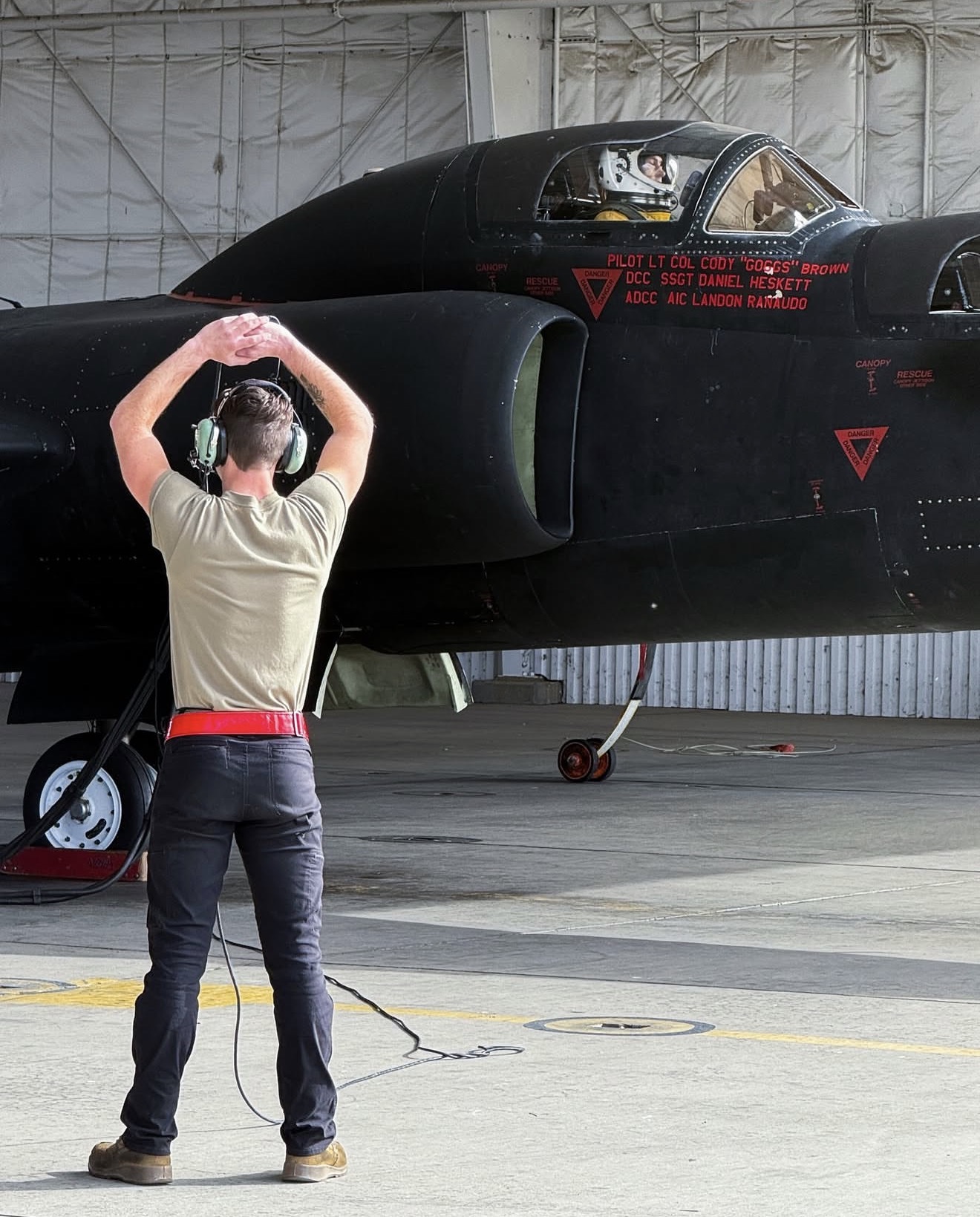
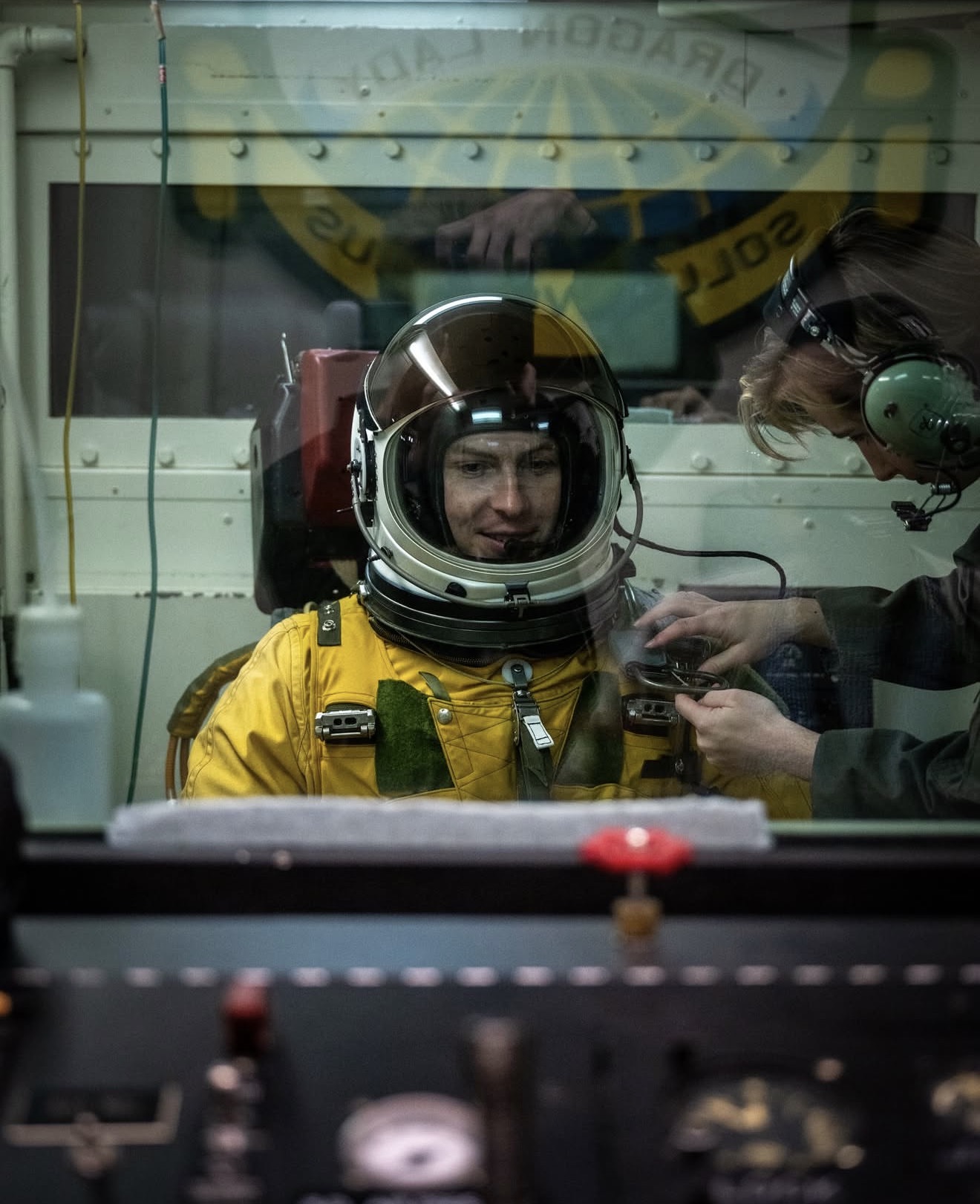
Beyond production complexity, Sam was required to meet the same physical and procedural standards as U-2 pilots. Preparation included two days of specialized training: fitting a full pressure suit, operating in an oxygen chamber, and completing emergency and physiological readiness protocols. Filming while wearing gloves, a helmet, and a pressurized flight suit added another layer of difficulty, requiring precise choreography between script, camera operation, and mission demands. To stay on track and execute a carefully planned script, our team had to get creative. A sheet of filming scenes and talking points was printed and laminated for dexterity in such challenging filming conditions. This allowed Sam to use a physical asset to assist with storytelling at the edge of space, when he had no access to electronic devices.
Access alone didn't make this project unique. The documentary traces the deep lineage of the U-2 from the founding era of the Air Force to its modern role, connecting Cold War history, global policy influence, and present-day service. The result is a cinematic tribute to the aircraft and, more importantly, to the pilots, maintainers, and teams whose work has shaped global understanding for decades.
This documentary preserves a story that may never be told again. It was executed with accuracy and a level of access that reflects years of earned trust.
The U-2 documentary achieved and exceeded its core objective: preserving the most complete, human-centered account of one of the U.S. Air Force’s most consequential missions at the moment it was nearing its end.
To date, the film has generated more than 12 million views on YouTube, making it the highest-viewed video in Access Granted history and the most widely viewed U-2 documentary available online.
More importantly, the documentary succeeded in telling the most comprehensive public story of the U-2: not just its aircraft or technology, but its mission impact, legacy, and the people behind it. This may be the world's last human-piloted reconnaisance aircraft, and its story will now live for generations. Viewers were given unprecedented insight into a platform that shaped global policy, intelligence, and diplomacy, from the Cold War through modern operations, at a moment when that chapter is closing.
The film’s authority and accuracy led to institutional validation, with the story being referenced and featured by industry and defense stakeholders, including U-2 manufacturer Lockheed Martin, which highlighted the documentary on its website as a definitive portrayal of the U-2’s legacy. This uncommon outcome for creator-led media demonstrates how Sam and the Access Granted team are redefining this genre.
Ultimately, the project succeeded because it did what no traditional outlet had done at this scale: it preserved a once-in-history mission through a trusted, modern medium, ensuring the U-2’s legacy will endure for future generations discovering history online.