The Super Bowl is one of the biggest stages in marketing, especially for QSR brands. But Carl’s Jr. decided to take a different route. With TV spot prices hitting $7 million for just 30 seconds, the brand made a bold move: skip the ad altogether and show up where culture was already happening.
This wasn’t about saving money, though; backed by insights from its marketing mix model, Carl’s Jr. saw a smarter path to impact. Instead of fighting for attention during the game, the brand would create its own moment—one that drove app downloads, loyalty signups, and cultural relevance, without spending a dime on traditional broadcast.
Our goal was to turn heads, earn buzz, and bring Carl’s Jr. into the center of the cultural zeitgeist with a strategy built for how people actually consume content today.
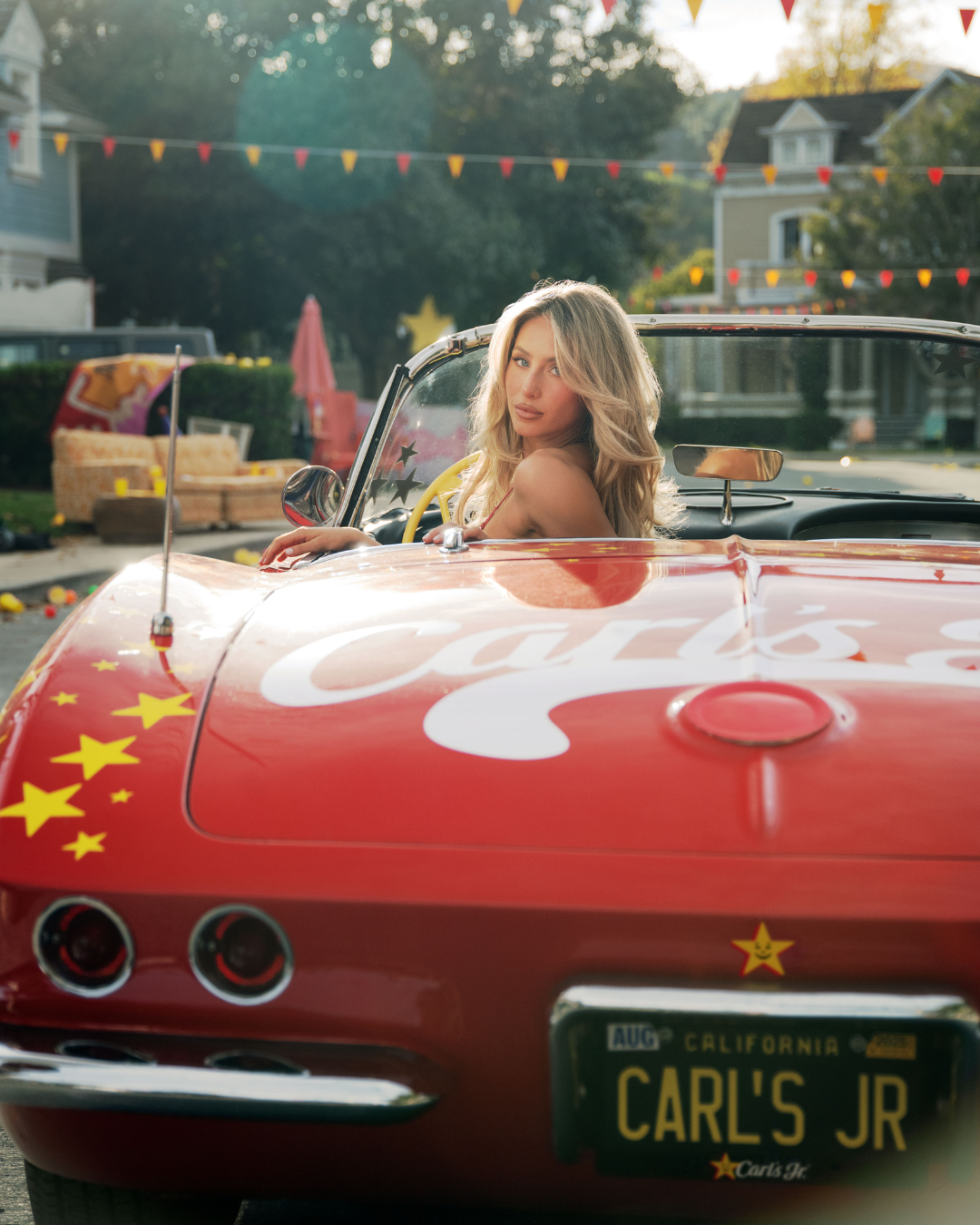
Enter Alix Earle—Gen Z icon, podcast host, and a natural fit for a modern take on Carl’s Jr.’s bold personality. With PMG at the helm, the brand would launch a social-first campaign designed to meet people in their feeds, not interrupt them.
The strategy wasn’t about re-creating the past, but rather reimagining it. The campaign tapped into nostalgia from the brand’s “Burger Girl” legacy, but through a new lens: playful, confident, and unmistakably current. Alix brought the relevance and reach; the creative and media strategy would work together to create noise and drive action.
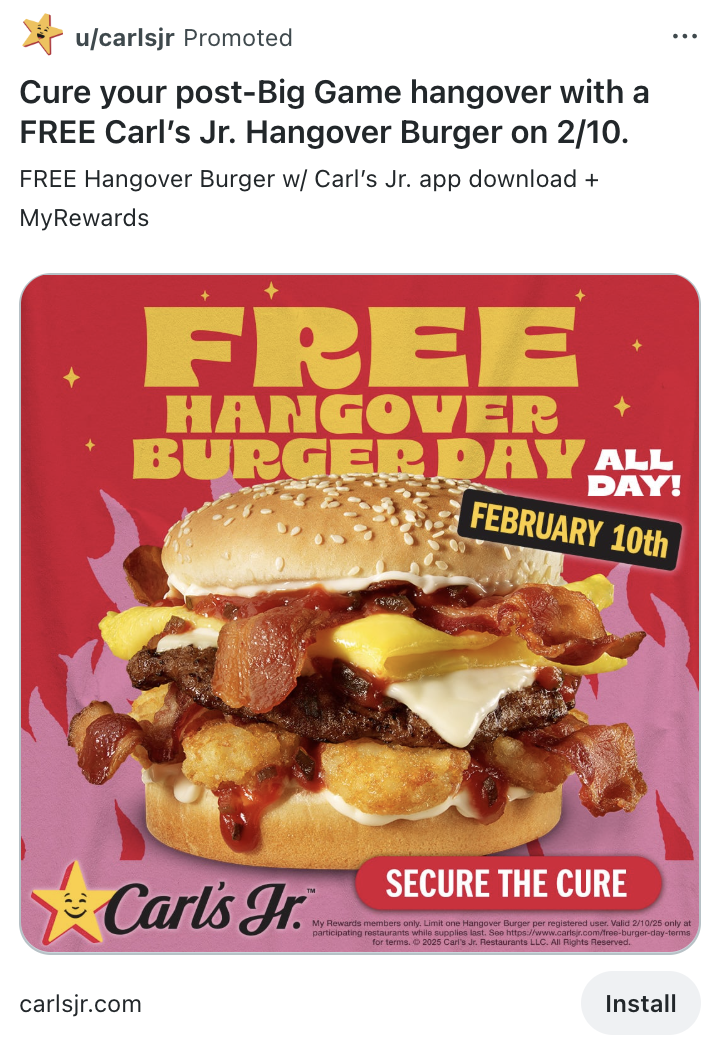
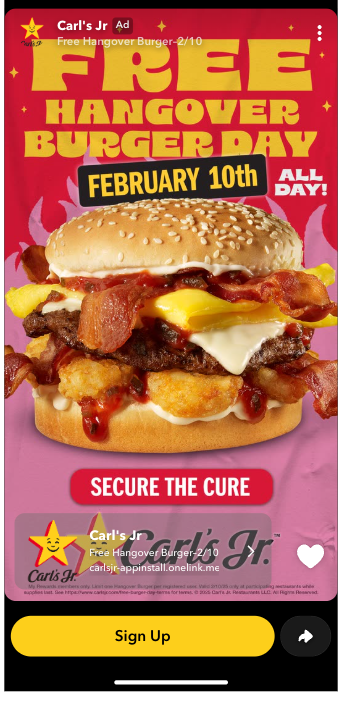
The centerpiece of the experience was Free Burger Day, on February 10. It wasn’t just a promotion, it was the hook that brought the entire campaign together. The moment was everywhere: in your feed, on your screen, in the group chat. You didn’t have to work hard to find it; it found you. We orchestrated the campaign to build momentum in the days leading up to the Super Bowl, peak during game weekend, and convert interest into action with a simple, crave-worthy offer: a free burger.
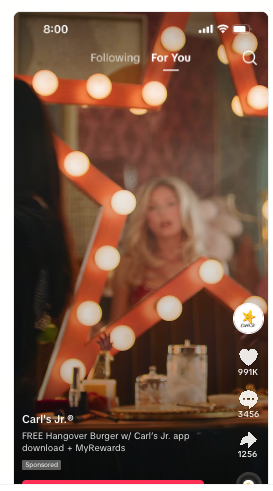
Across Meta, TikTok, YouTube Shorts, and Reddit, Carl’s Jr. showed up in ways that felt native but bold:
The result was a brand experience that felt organic, exciting, and unmistakably Carl’s Jr.—from first impression to burger redemption in just a few taps.
The campaign proved that cultural relevance doesn’t have to come with a Super Bowl price tag. Without buying a second of airtime, we helped Carl’s Jr. break through—and outperform some of the category’s biggest names.
The business results spoke volumes:
The campaign’s success in driving brand lift was just as impressive:
And the cultural buzz was massive. The campaign drove more than 200 million organic impressions and 2.3 million engagements, powered not by ad spend, but by resonance. Media outlets took note. Forbes, Newsweek, WWD, Retail Wire, The New York Post, and Ad Age all covered the campaign, solidifying Carl’s Jr. as one of Super Bowl weekend’s most talked-about brands.