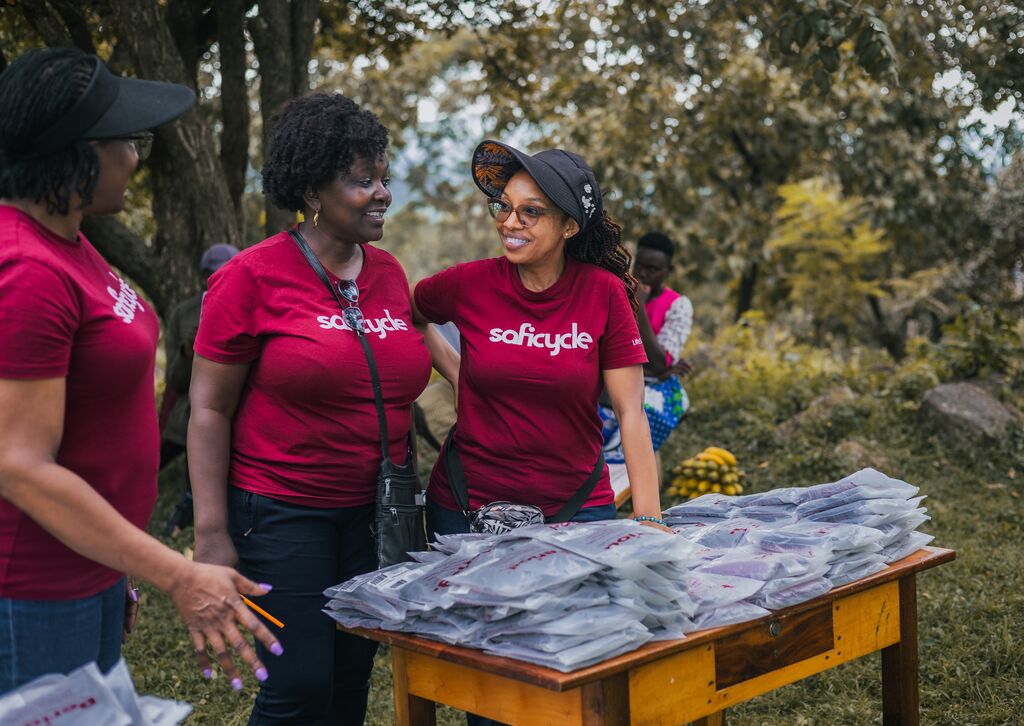
SafiCycle, a program founded by LifeStraw, was launched as a pilot program in 2023 to provide reusable menstrual underwear and comprehensive reproductive health education to young women in Kenya, as well as education for men and boys to break down stigma and promote empathy. The goal is to empower communities with knowledge and resources to manage menstrual hygiene, improve overall health, well-being and quality of life.
In western Kenya, period poverty is a devastating economic and social barrier. Approximately 65% of girls cannot afford basic menstrual hygiene products, frequently resorting to unhygienic alternatives like rags, paper scraps, or sponges, which drastically heighten the risk of reproductive and urinary tract infections. This lack of resources leads to extensive absenteeism; girls lose an average of four school days per month, translating to a staggering 165 learning days lost over a four-year high school career.
In researching the challenges these girls face, an even more distressing issue was uncovered: many of the girls in rural western Kenya rely on sexual partners for products, and up to 10% of 15-year-old girls have engaged in transactional sex just to afford menstrual supplies. This dynamic directly contributes to high teenage pregnancy rates - reaching 40% among Kenyan teens - and spikes in STIs. Furthermore, societal taboos and a severe lack of school infrastructure present major institutional hurdles, with only 32% of rural schools offering a private space for girls to change or manage their periods.
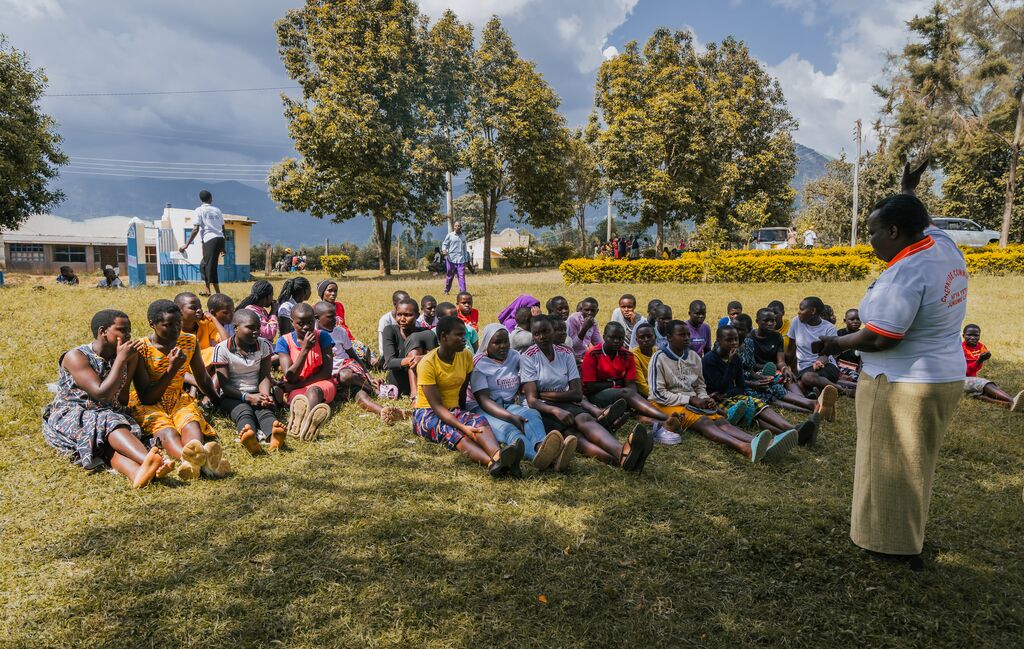
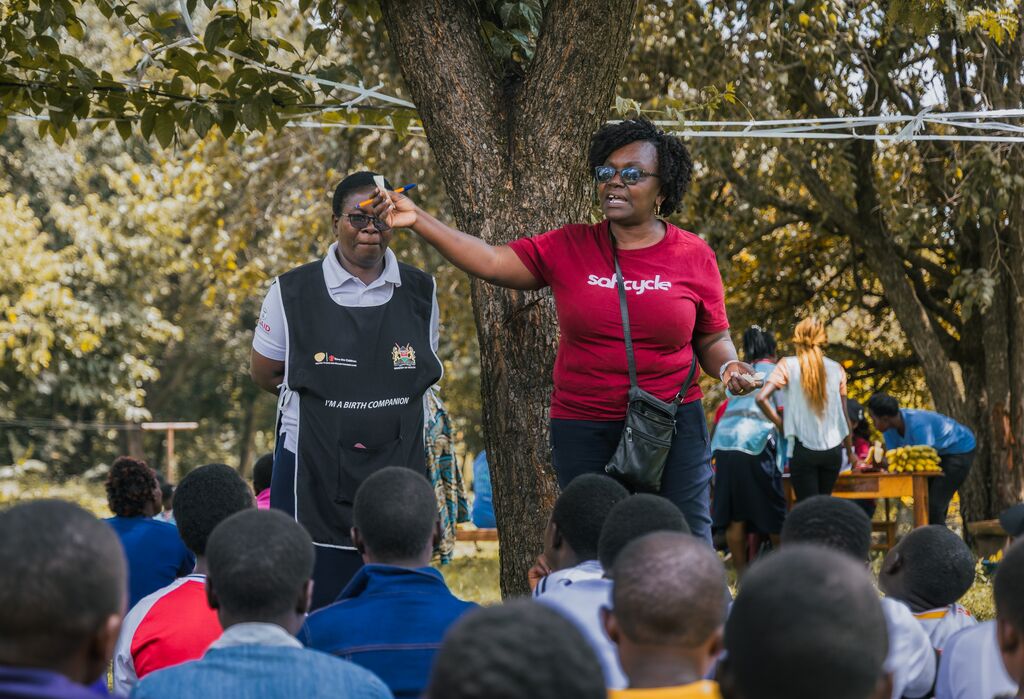
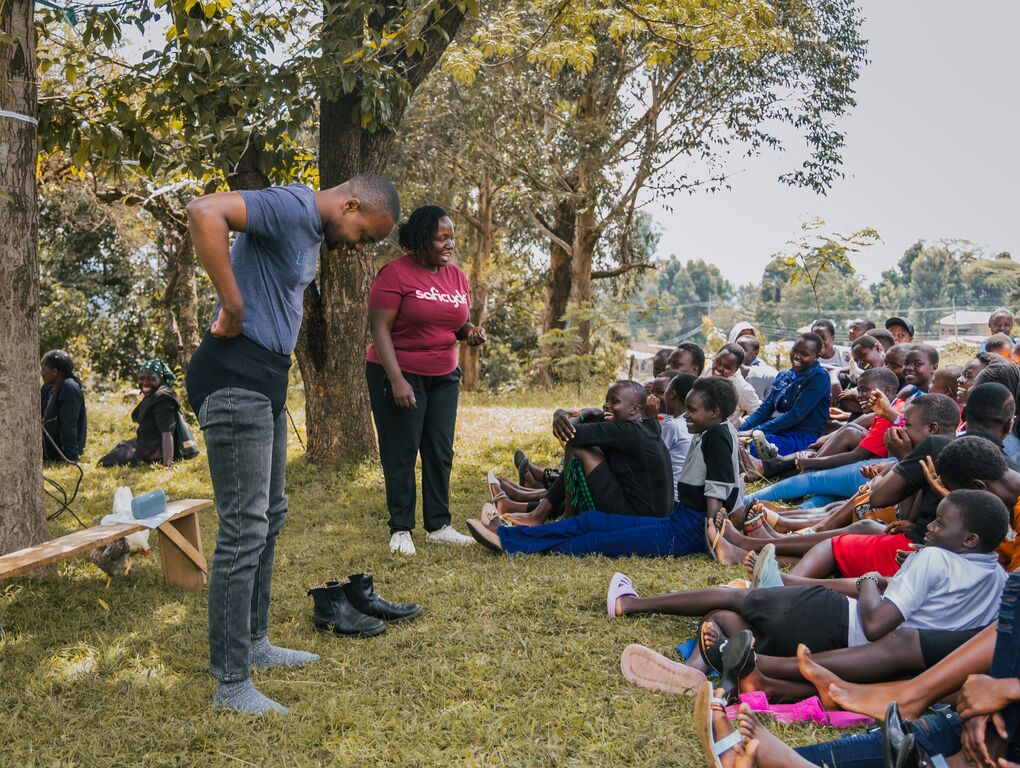
Our pilot execution taught us that simply distributing physical products is insufficient. True change requires dismantling cultural stigma and addressing the environment holistically. We discovered that 50% of girls face total silence regarding menstruation at home, making school-based, supportive educational environments vital. Additionally, we learned that men and boys need as much education as women; involving boys, men, and male faculty members in community sensitization conversations is essential for cultivating empathy and building an inclusive, safe support system for young women.
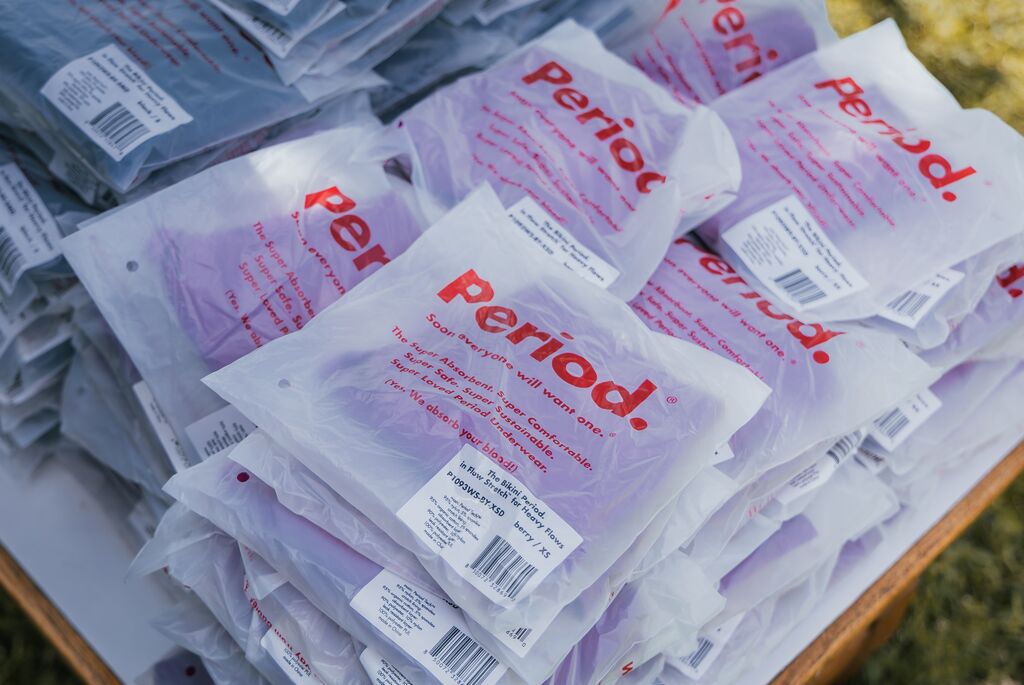
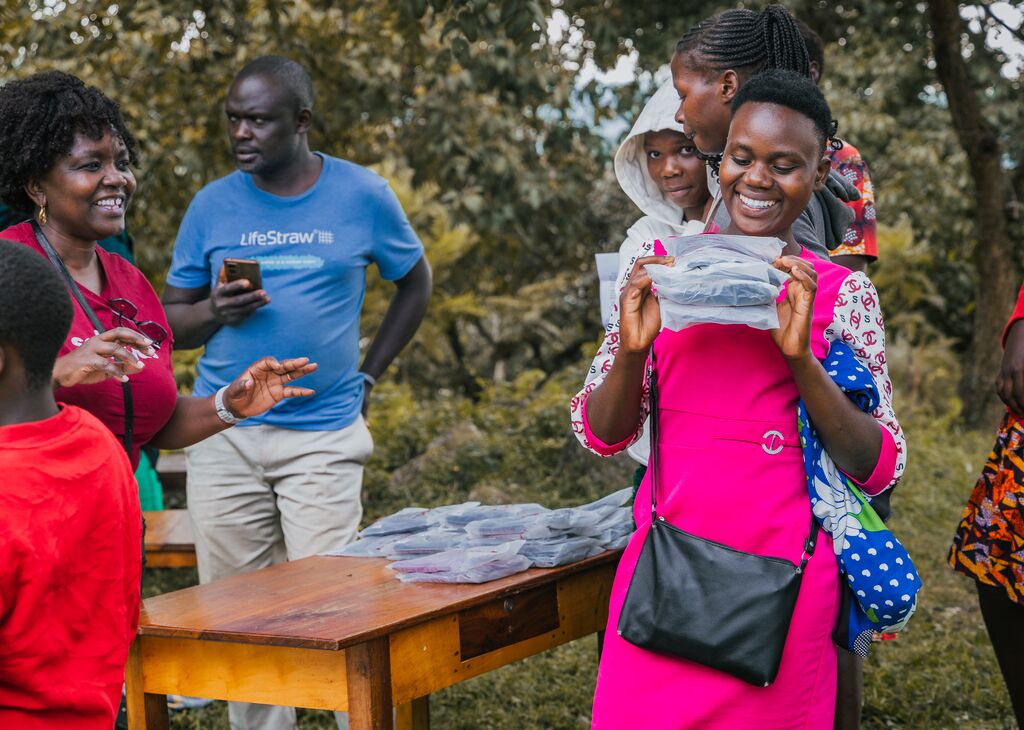
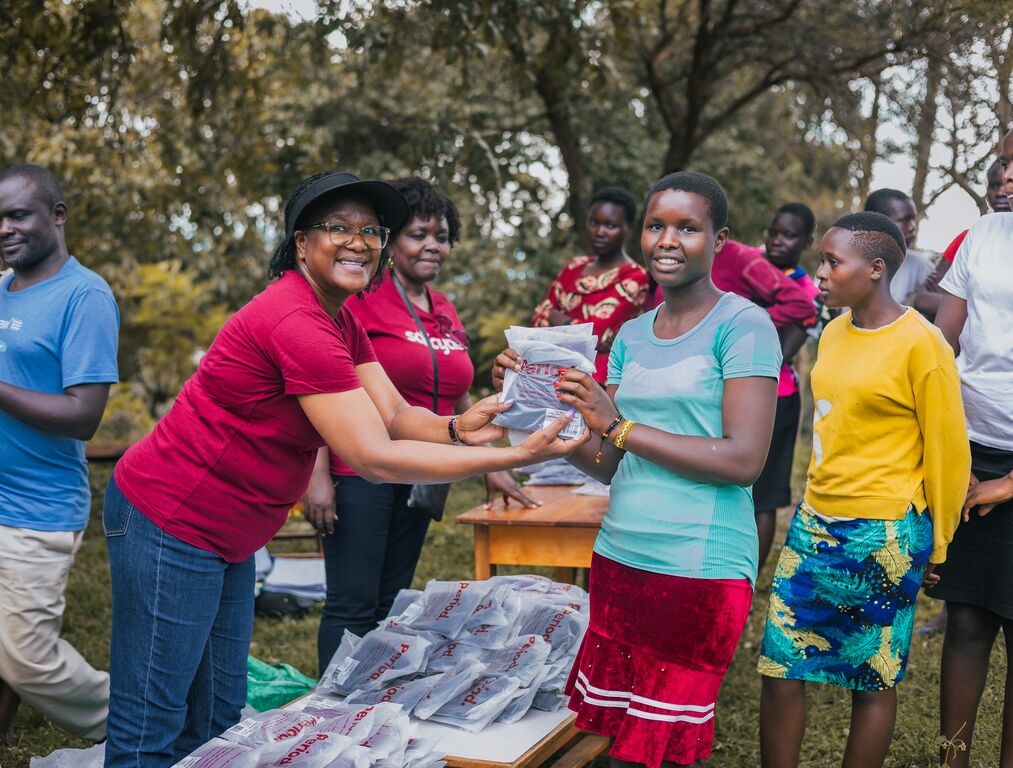
Leveraging the established school-delivery network and full-time local staff of LifeStraw’s safe water infrastructure, we deployed a dual-pronged execution strategy combining supply kits with community education. SafiCycle provides each girl with a comprehensive kit containing reusable menstrual underwear - designed for 12-hour school-day protection and engineered to last up to 10 years with proper care - along with discrete drawstring storage bags and detailed maintenance instructions. We also gave demonstrations in how to wash, dry and care for the underwear.
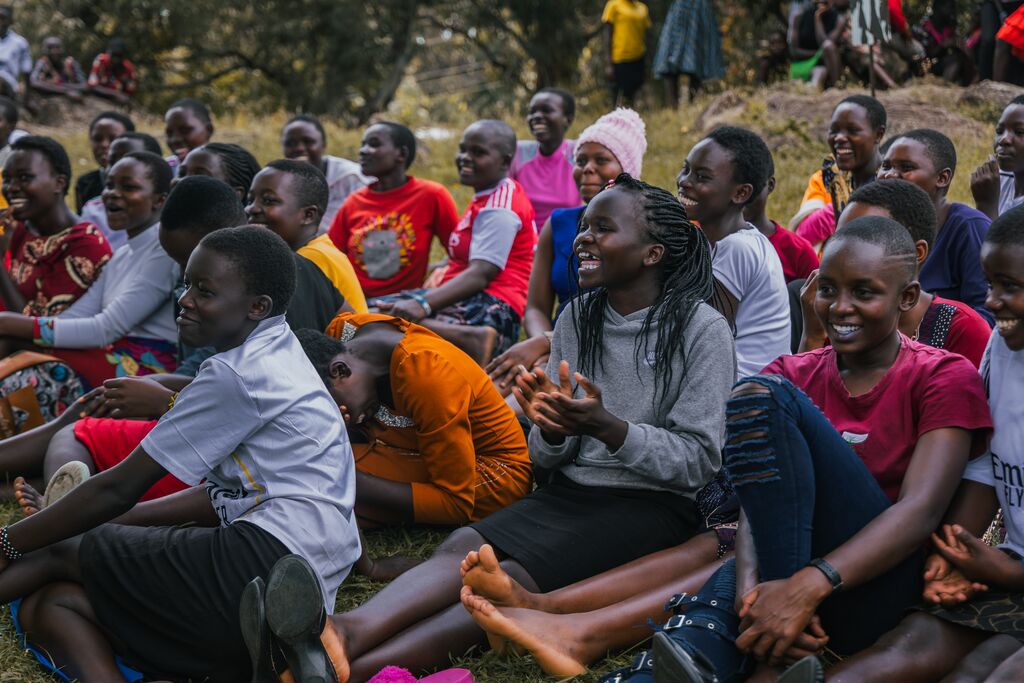
Simultaneously, we collaborate directly with school administrations to create private, dignified spaces for changing, and deliver extensive reproductive health education. Funded through a combination of corporate revenue and direct public giving, SafiCycle successfully distributed 1,756 kits during its initial pilot phase, and an additional 3,000 kits in 2026. Following the pilot we released The Road She Walks, a short documentary chronicling these community transformations, giving voice to a future where a girl's education is never paused by her period.
Menstrual health organizations have struggled with coordination, leading many to duplicate efforts in building logistics, school access, and community trust - rather than building on shared infrastructure, meaning they have to spend massive amounts of resources building logistics, finding schools, and gaining community trust from scratch. SafiCycle has a distinct advantage of being part of the LifeStraw fabric. LifeStraw already has full-time local staff on the ground in western Kenya who have deployed water purifiers across thousands of schools. Because SafiCycle uses these exact same geographic routes, operational systems, and trusted school relationships, the program can scale rapidly and cost-effectively without building a new supply chain from the ground up.
SafiCycle has delivered measurable, community-altering developments in health, dignity, and educational access for young women in western Kenya. Driven by the reality that 65% of girls in the region cannot afford basic menstrual products, LifeStraw launched the initiative to systematically dismantle the barriers of period poverty. The program’s ultimate goal is to scale this model to reach and empower 100,000 girls across Kenya, ensuring that menstruation never stands in the way of an education.
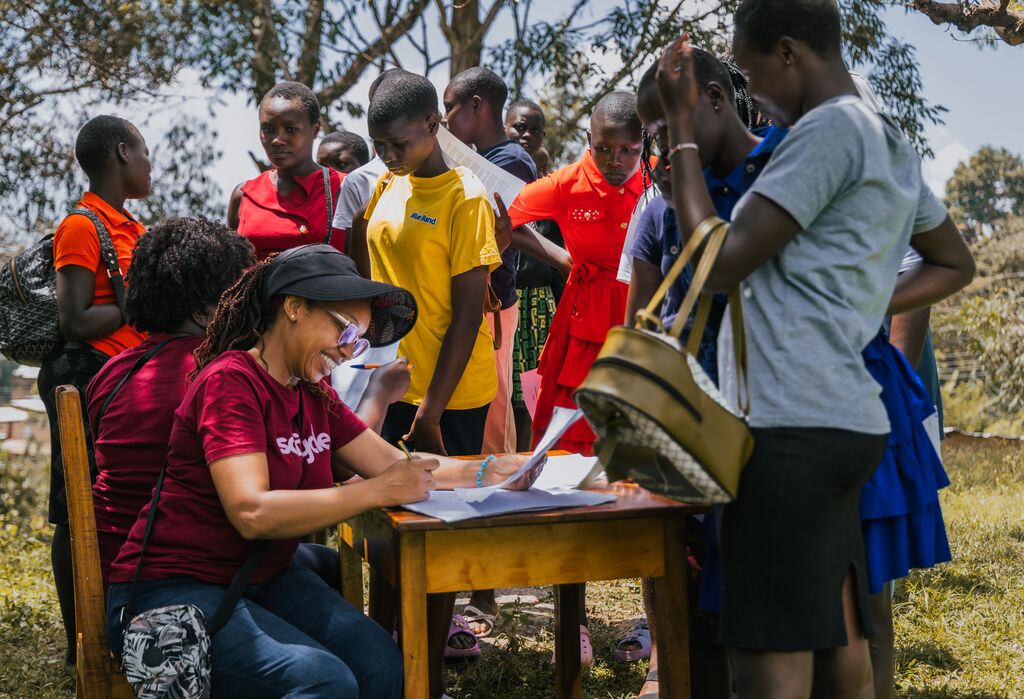
To date, SafiCycle has made substantial progress toward this target, directly impacting thousands of young women by distributing 1,756 comprehensive hygiene kits during its 2023 pilot phase and expanding to an additional 3,000 kits distributed in 2026. The response from the participants has been overwhelmingly positive, with 97% of the girls enrolled in the program reporting increased comfort, heightened confidence, and a significantly easier experience managing their periods.
Beyond the classroom, the holistic combination of reusable period underwear and reproductive health education is driving a profound social shift. In the specific community surrounding the Emusanda Health Center, located in the Butsotso Central ward of Kakamega County, local doctors reported a dramatic drop in teenage pregnancies, plummeting from 170 cases per year down to just 35 cases per year after SafiCycle was introduced.