The financial services category runs on fear. Fear of running out of money. Or of making the wrong decision. For Symetra, a challenger brand in the insurance and financial services category, competing on those terms was a strategic dead end, and a missed opportunity to serve the people the category was supposed to help.
Through three seasons of Plan Well, Play Well, Symetra has built the case for a fundamentally different approach: that financial planning isn't about preparing for the worst, but about earning the freedom to live fully. By replacing anxiety with aspiration and centering retired WNBA superstar Sue Bird in the post-career chapter of her life as the protagonist of her own retirement discovery process, Symetra has worked to change not just what people think of the brand, but how they feel about their own futures. Following the success of season one, seasons 2 and 3 set out to deliver the platform's most ambitious chapter: deepen brand impact among Working-Well-Off adults 35–64, build meaningful equity around trust and well-being, and, in the case of Season 3, capitalize on the cultural energy of the 2026 Winter Olympics.
While most life insurance marketing leans into anxiety and abstraction, Symetra doubled down on joy, confidence, and possibility.
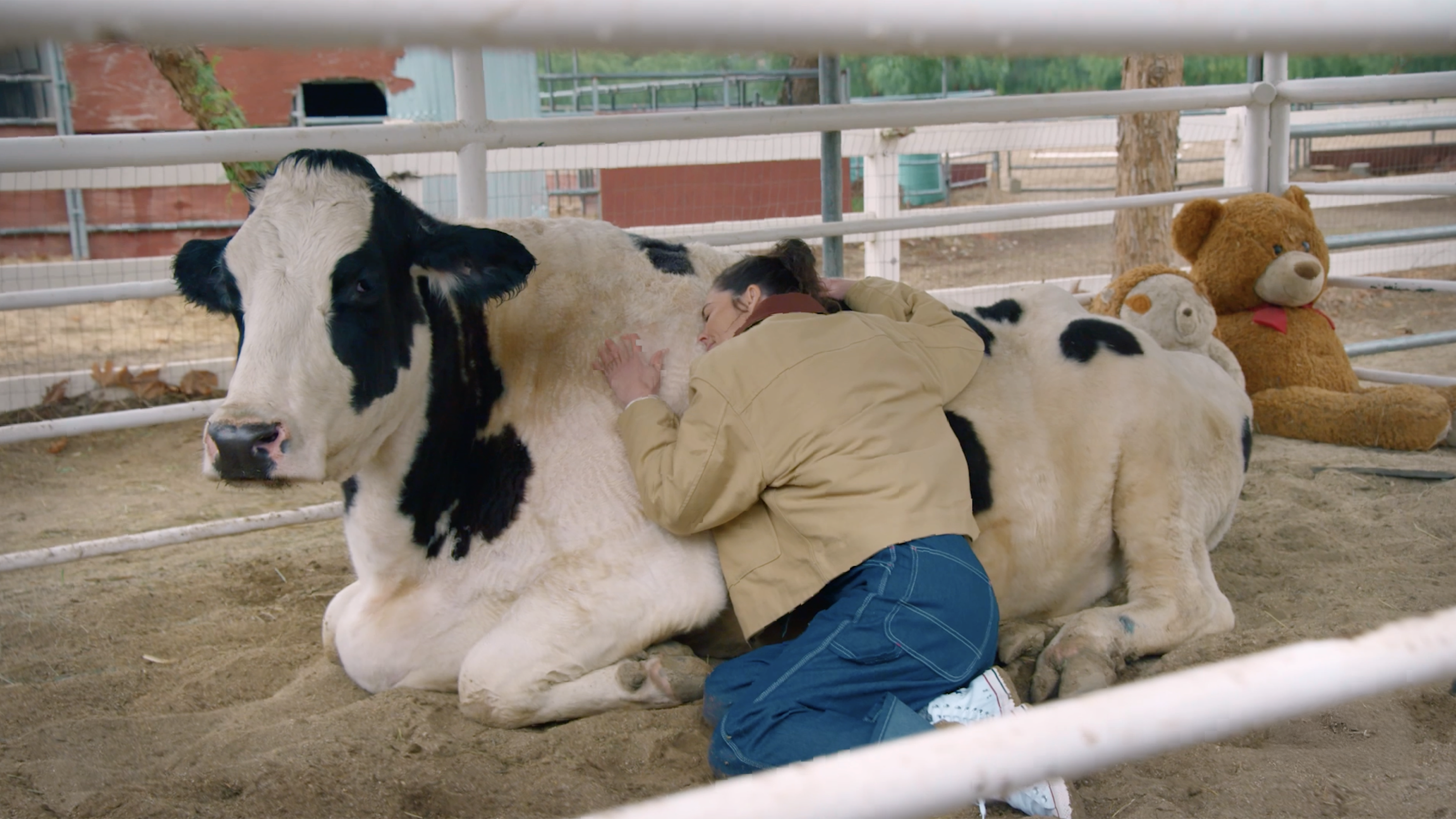
Anchored once again by Sue Bird, Season 2 expanded the platform with two new long-form episodes that showcased Sue's life beyond the court. Each episode followed Sue as she took on a new, unfamiliar challenge—reinforcing the idea that when you plan well, you give yourself permission to explore, grow, and play well at any stage of life.
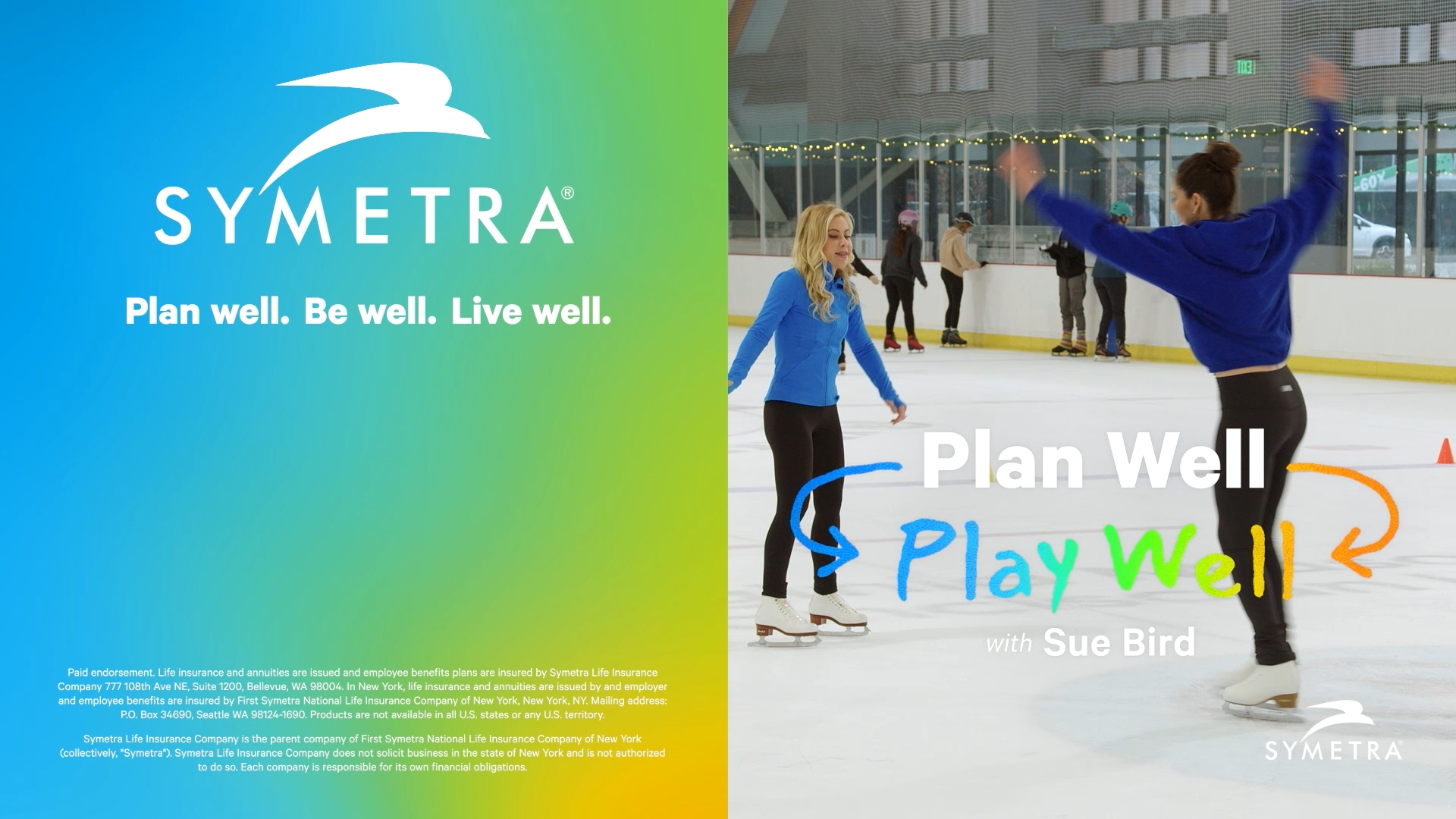
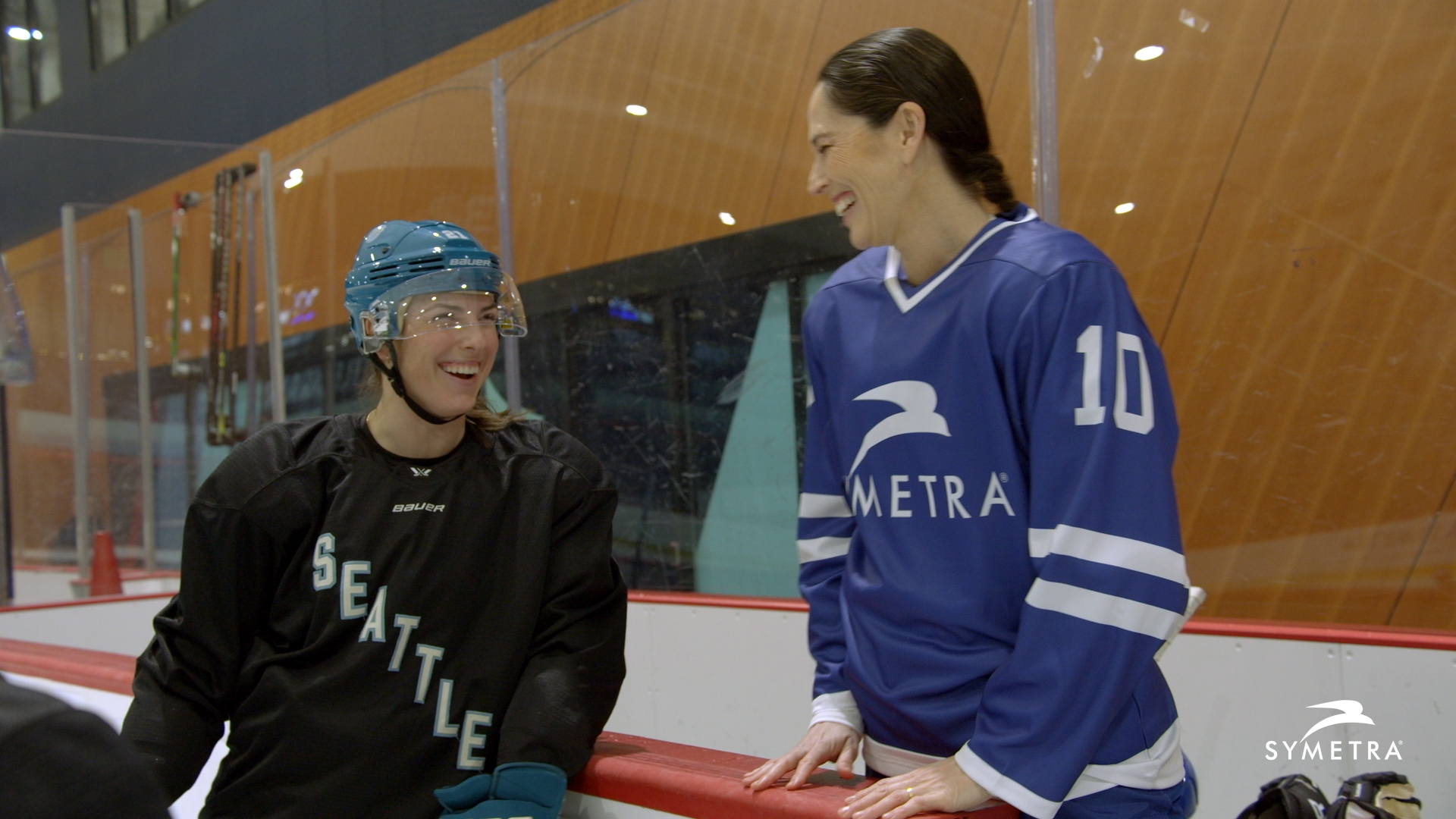
Season 3 built further on that foundation, adding Olympic figure skater Tara Lipinski and hockey star Hilary Knight alongside Sue and timed deliberately to the 2026 Winter Olympics.
Long-form YouTube remained the primary vehicle for brand impact, with three-plus-minute episodes designed to earn attention rather than interrupt it. Around those films, YouTube Shorts, Meta placements, and influencer content worked in sequence—capturing interest, routing audiences toward the full story, and retargeting engaged viewers with product-focused messaging. A dedicated PWPW landing page, tested against a YouTube playlist environment, delivered nearly double the video view rate, confirming that Symetra's content hub had become a genuine destination. The creative challenge was the same one that defined every season: scale the idea without diluting it, and optimize performance without sacrificing the emotional core that made people stay.
Across Seasons 2 and 3, Plan Well, Play Well has delivered 219 million video starts, 3.1 million clicks, and 1.1 million website sessions against roughly $3.7–4 million in combined media investment. Long-form YouTube content alone generated more than 50 million views over the two seasons.
Long Form has consistently carried the weight of brand impact. In Season 3, despite episodes running nearly a minute longer than the prior year, video view rate climbed to 67% — a 10-point year-over-year improvement — while completion rate hit 34.53%, beating the 25% benchmark by 38%. Season 3 also set the platform's brand-lift high point: a +47.9% lift in ad recall against an 8.7% norm and a +28.3% lift in awareness against a 4.8% norm — nearly six times the norm. (Favorability lift is reported inconsistently across the S3 source materials — +12.8% in the primary summary slides versus -9.8%, directional and not statistically significant, in an appendix slide referencing what appears to be the same underlying study — and should be confirmed with CF before being cited externally.) YouTube Shorts delivered click-through rates 900% above benchmark in Season 3, and Meta Shorts beat cost-per-click benchmarks by 27%.
Brand tracking shows the two-season investment compounding into lasting gains rather than one-off spikes. Overall aided awareness grew from 13.3% to 16.9% in the most recent year alone. Among the core WWO audience, awareness climbed from 13.1% to 24.2% — an 85% increase — while consideration jumped from 10.1% to 20.4%, the largest single-year gain in the tracker's history. Looking across the full multi-year arc, WWO consideration scores have doubled and "heard of" scores have risen from 43.3% to 60.0% — new high-water marks for both metrics in the tracker's history.
Plan Well, Play Well has proven that financial services brands can build trust without weaponizing fear. By treating its audience as aspirational rather than anxious, Symetra has created something rare: a financial brand people feel genuinely good about.