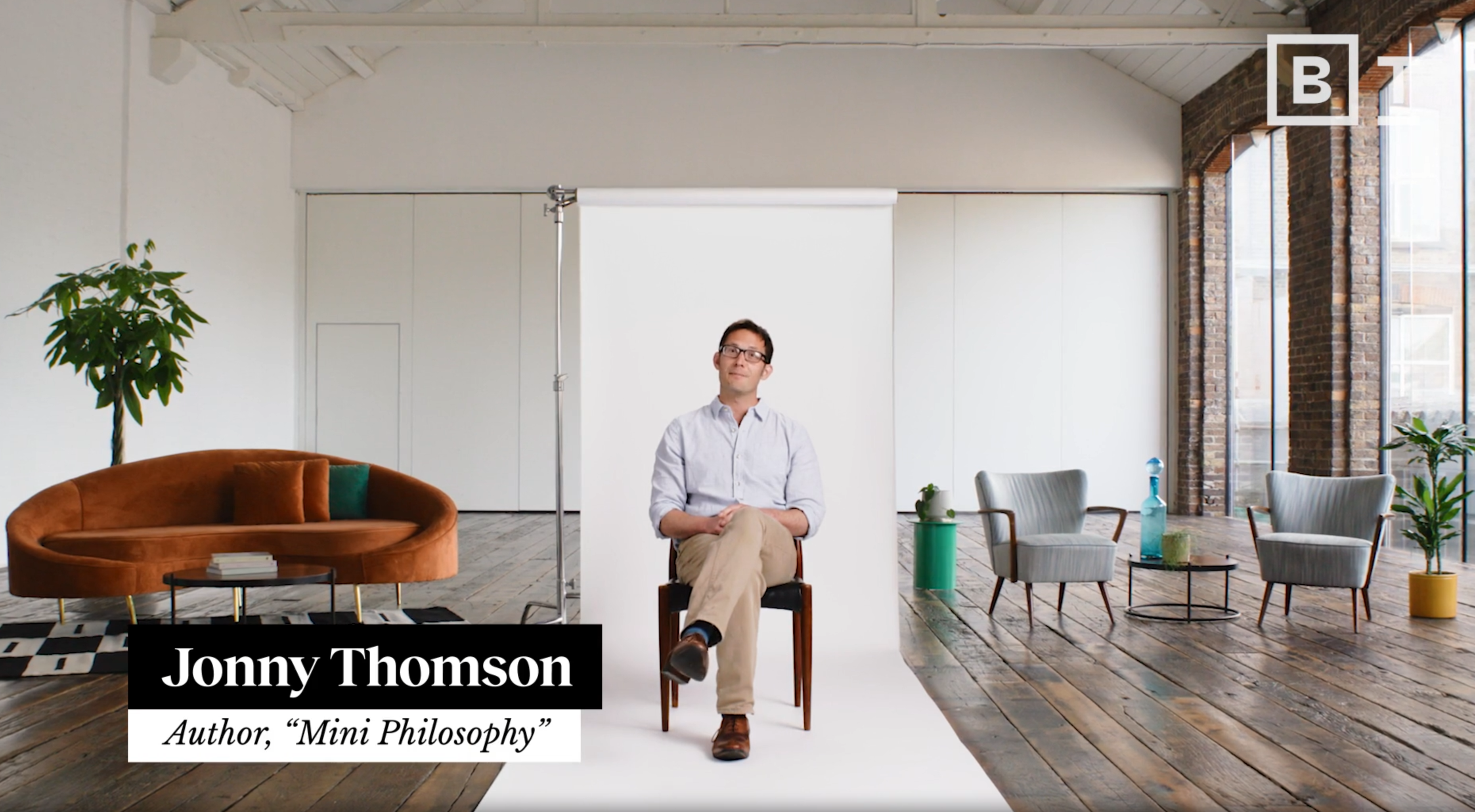
Philosophy is about all of those questions people lie awake worrying about — how to be happy, how to live well, how to treat one another properly. The problem, though, is that philosophers then locked all of their answers behind jargon and university gates. The idea of Mini Philosophy is to open those gates to everyone.
Mini Philosophy takes the greatest wisdom from the greatest thinkers in history and lets people know how it can change their lives. It might be a 90-second video on Stoic anger, how to make hard choices, or why our politics is broken. Each video leaves the viewer with something useful.
I've always wanted to achieve four things. First, to make philosophy genuinely accessible to a mass, non-academic audience — to be the place people meet Lao Tzu or de Beauvoir for the first time. Second, to turn passive scrolling into a daily habit of reflection. Mini Philosophy is a space to slow down and think, away from the noise. Third, to build a cross-platform community and move people up the ladder — from a single reel, to a newsletter, to a lasting relationship with the ideas. Fourth, a milestone set years ago: to reach millions of followers, and reintroduce mature, deep conversations to people all over the world.
Underpinning all of this is one guiding principle: that all of this deep, important wisdom doesn't have to be inaccessible. You can be entertaining without being shallow.
Mini Philosophy began in 2013 as a single Tumblr post and grew, over more than a decade, into a cross-platform project followed by over two million people. There was no campaign and no budget — just a school teacher's belief that good ideas explained well will always find an audience.
It's easy to write plans in hindsight, but I think there have been three branches to my strategy.
First, and at the top, short-form video: the 90-second explainer that has become the project's signature. I explore one idea, one thinker, one concrete example, and one thing you can actually use. My voice is the opposite of what people expect from philosophy: warm, conversational, often self-deprecating, and it's built on everyday examples rather than abstract purple prose. Less like a lecture and more like a friend explaining something across the table.
Second, depth. My Reels are an invitation. They invite people to read further in my newsletter and listen to my interviews with huge names – Marie Kondo, Philip Pullman, Matt Haig, Ryan Holiday, Elif Shafak, Brené Brown, and so on. They encourage people to read my Mini Philosophy column on Big Think – a column named after my social media success, and not vice versa.
The third layer is craft and credibility. Every piece is grounded in primary sources rather than the misattributed quotes that riddle the genre. It's a standard that comes from more than a decade of teaching philosophy and from the discipline of writing a weekly column. Trust is built and earned.
My execution has been a happy mixture of tinkering and effort. I try things and see what works. Performance is studied closely — hundreds of posts analysed to learn which ideas land, how they're framed, and whether the algorithm is carrying them beyond existing followers into new audiences. The best things get amplified, and the flops teach their own lesson.
The hardest challenge was the founding tension of the whole project: how do you make a difficult idea simple without making it wrong? The answer usually comes in attentive editing and the regular use of concrete examples. The second challenge was platform dependence: rented audiences can vanish overnight if an algorithm shifts, and so I have invested heavily in brand building and expansion. Moving into other social media platforms, yes, but mostly owned channels like the newsletter above all. Now, a lot of my relationship with readers belongs to the project, not the platform.
What makes the work unique is that it isn't just a brand or a content mill. Mini Philosophy is a teacher's pedagogy and vocation applied to social media: a single, recognisable authorial voice with real expertise, treating ideas as tools to help us live.
The main goal of teaching philosophy to a mass audience is pretty much achieved. Mini Philosophy is followed by over two million people across platforms, including one million on Instagram. I’m one of the biggest philosophy educators working with shortform videos on social media. Hundreds of people comment on each post, thousands share with their friends, and I can only just about keep up with the DMs I get.
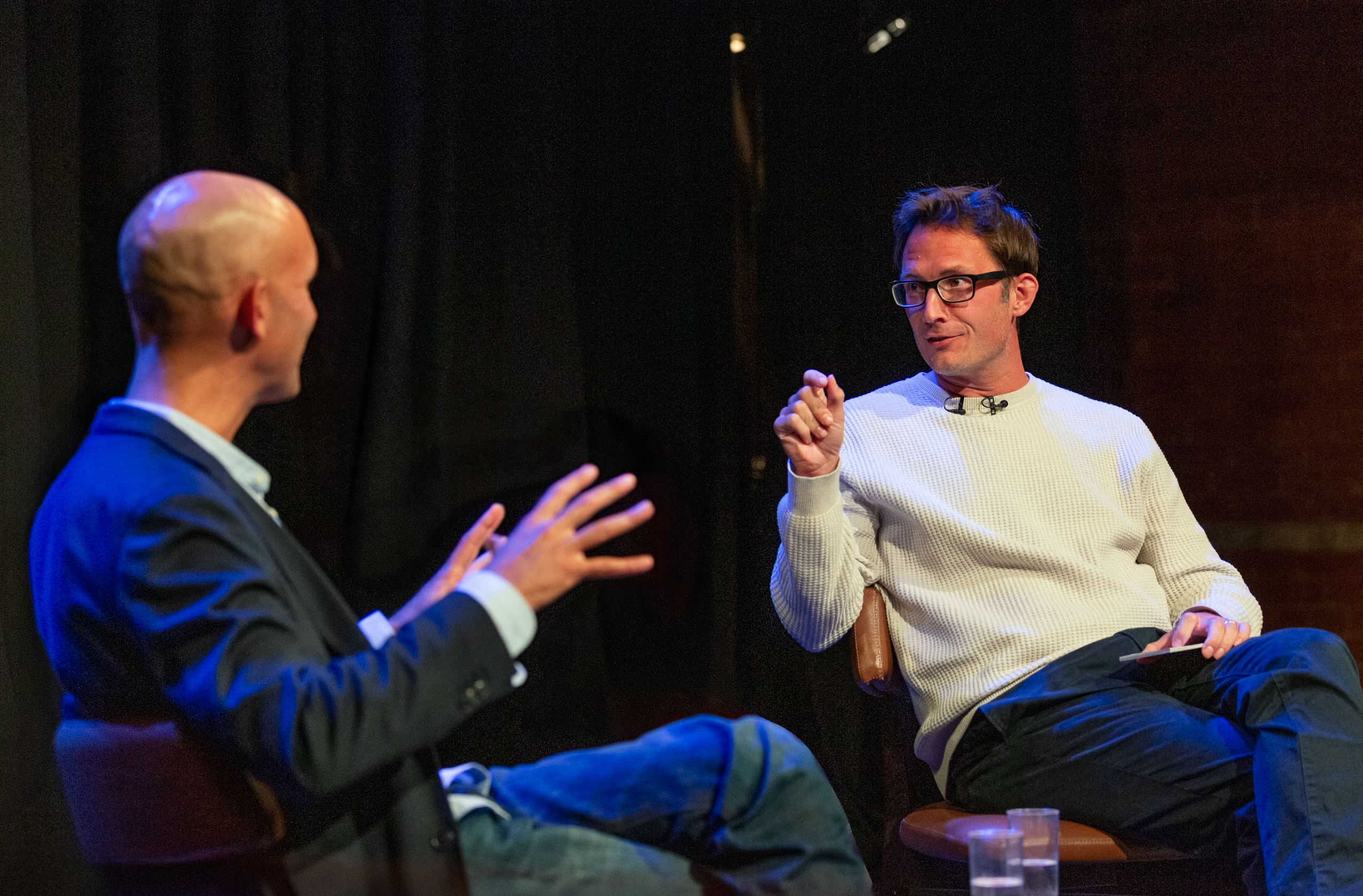
Mini Philosophy has now gone from just Reels to being a brand. I’ve gone well beyond social media. The Mini Philosophy book became an international bestseller, has been translated into 22 languages, and led to two further books. I speak at philosophy festivals, TEDx, and universities around the world. I work with huge brands across the world and have built relationships with thought leaders and celebrities I once considered in a different world entirely.
But the truest measure of success is the original mission. Millions of people who would never open a philosophy textbook now meet Aristotle, de Beauvoir and the Stoics in their feed every week. And they want more. The work set out to prove you can be popular without being shallow. The numbers alone show it has worked, but it’s the community behind them that really makes it all worthwhile.