One idea kept surfacing throughout Advertising Week New York: people want a role in what brands are building.
Creators have built communities with the reach of major media properties. Brands are looking for ways to work with those communities without losing what makes them valuable. Audiences have more opportunities to shape the experiences, conversations and content around them.
Across AWNY, collaboration kept coming up as the connective tissue. The strongest partnerships gave everyone something to contribute, from the creator and brand to the audience in the room.
Everyone wants to build together
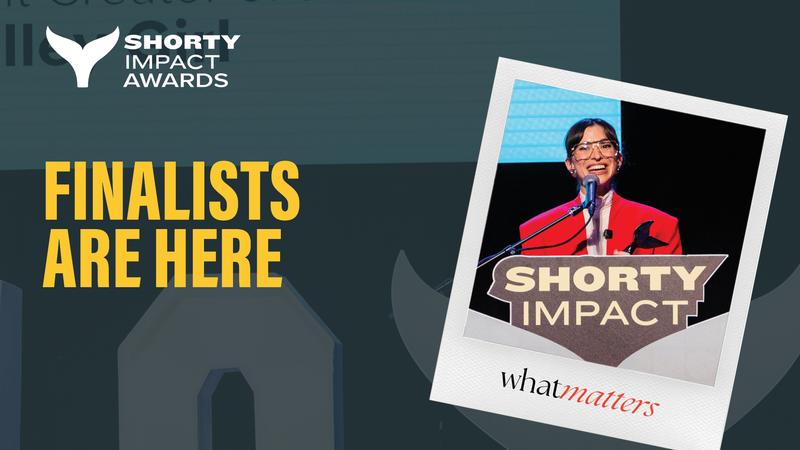
That idea was front and center in the panel “Collab Culture: Why Everyone Wants To Build Together,” featuring Jeff Barrett, Chief Evangelist of the Shorty Awards.
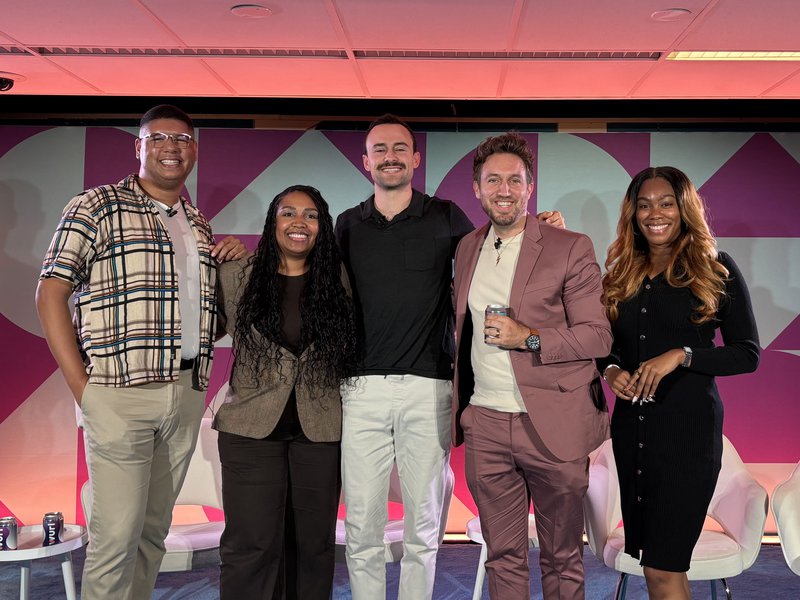
The conversation explored what makes creator and brand partnerships work, starting with a basic tension: creators need to protect the trust they have built with their audiences, while brands need partnerships that can deliver real value.
Trust came up repeatedly. So did audience fit, authenticity and the importance of understanding what each side brings to the relationship.
For creators, that means being selective about the brands they work with and thinking about whether a partnership actually gives their audience something useful. For brands, it means understanding the creator, their community and what makes their voice credible before getting into deliverables.
The conversation also touched on the growing role of B2B creators. Many are building audiences while continuing to work full time, giving them a different kind of authority when they speak about their industry. Their professional experience, expertise and firsthand use of products can make their recommendations more credible.
There was also a broader point about where these partnerships can go. As brands get more comfortable working with creators, partnerships have the potential to move beyond one-off campaigns and become something that can develop over time.
The room became part of the collaboration
Dhar Mann’s AWNY activation made the idea of participation especially tangible.
His goal for the week was ambitious: create relationships at AWNY that could lead to $100 million in new creator-brand partnerships. On Thursday, that translated into seven challenges, seven keys and a treasure chest, with creators, brand leaders and audience members solving problems together.
Nick Cannon, Christina Milian and other creators joined brand leaders including NFL’s Tim Ellis, Wendy’s Tariq Hassan, Blizzard Entertainment’s Monica Austin, and more.
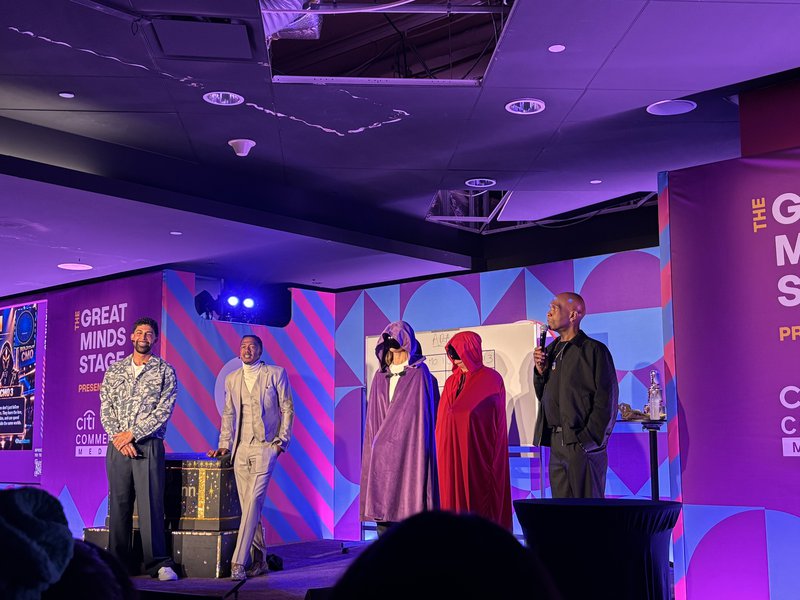
The challenges ranged from answering questions about customers and brands to drawing ideas for ads and selling products. There was a competitive element, but the bigger takeaway was how quickly the format moved people from watching to doing.
The audience volunteered. Creators worked alongside brand executives. People had to respond in real time.
It was a useful demonstration of what happens when people have a role in the experience rather than simply sitting back and consuming it. For brands working with creators, that can mean giving communities more opportunities to shape, participate in and spread the work.
Context is part of the creative
Another AWNY conversation focused on attention and the role context plays in making it meaningful.
A piece of creative can have a completely different job depending on where it appears, who is seeing it and what is happening around it. Treating attention as one universal metric can flatten those differences.
For marketers, that puts more emphasis on understanding where people are, what they are doing and what matters to them before deciding how and where the work should appear.
People want something to join
The emphasis on participation extended beyond creator partnerships.
Several AWNY sessions explored the growing value of live experiences, from pop-ups and dinners on the court or field to invite-only communities built around brands. A strong experience gives people a reason to show up, then gives them something worth talking about once they leave.
That can create a natural connection between physical and digital experiences. People share what happened. Creators build content around it. Brands extend the moment across their channels.
High-touch community programs work in a similar way. Bringing people closer to a brand and giving them enough access and ownership can turn an audience into an active part of the brand's story.
Collaboration needs room to grow
AI was everywhere at AWNY, but some of the more interesting conversations were about what happens as the technology becomes commonplace.
There was a recurring push to move beyond using AI simply to work faster. If AI makes it easier to produce more content, marketers have to make sharper decisions about what deserves attention and what gives people a reason to participate.
That puts more weight on the relationships around the work.
Creators bring their communities, expertise and point of view. Brands bring resources, products and problems worth solving. Audiences bring context, trust and participation.
The opportunity is in giving those groups enough room to influence each other.
That may have been one of the clearest takeaways from AWNY 2026. As creator partnerships become more established and AI makes production easier, collaboration becomes more valuable, not less.
People want to contribute. The brands that make room for that participation have more to work with.