The driving idea behind this film was to show how AI at the edge can move healthcare from reactive care to proactive prevention, while preserving dignity, privacy, and human connection.
ElephasCare’s story offered a powerful narrative: falls remain one of the leading causes of injury and death among seniors, yet traditional monitoring technologies are outdated and often intrusive. By combining radar-based sensing, real-time AI analytics, and edge computing, ElephasCare set out to predict and prevent incidents before they happen. Lenovo partnered with ElephasCare to bring this vision to life, deploying Lenovo ThinkEdge servers powered by AMD EPYC™ processors to deliver the performance, efficiency, and scalability required for real-time AI workloads at the edge.
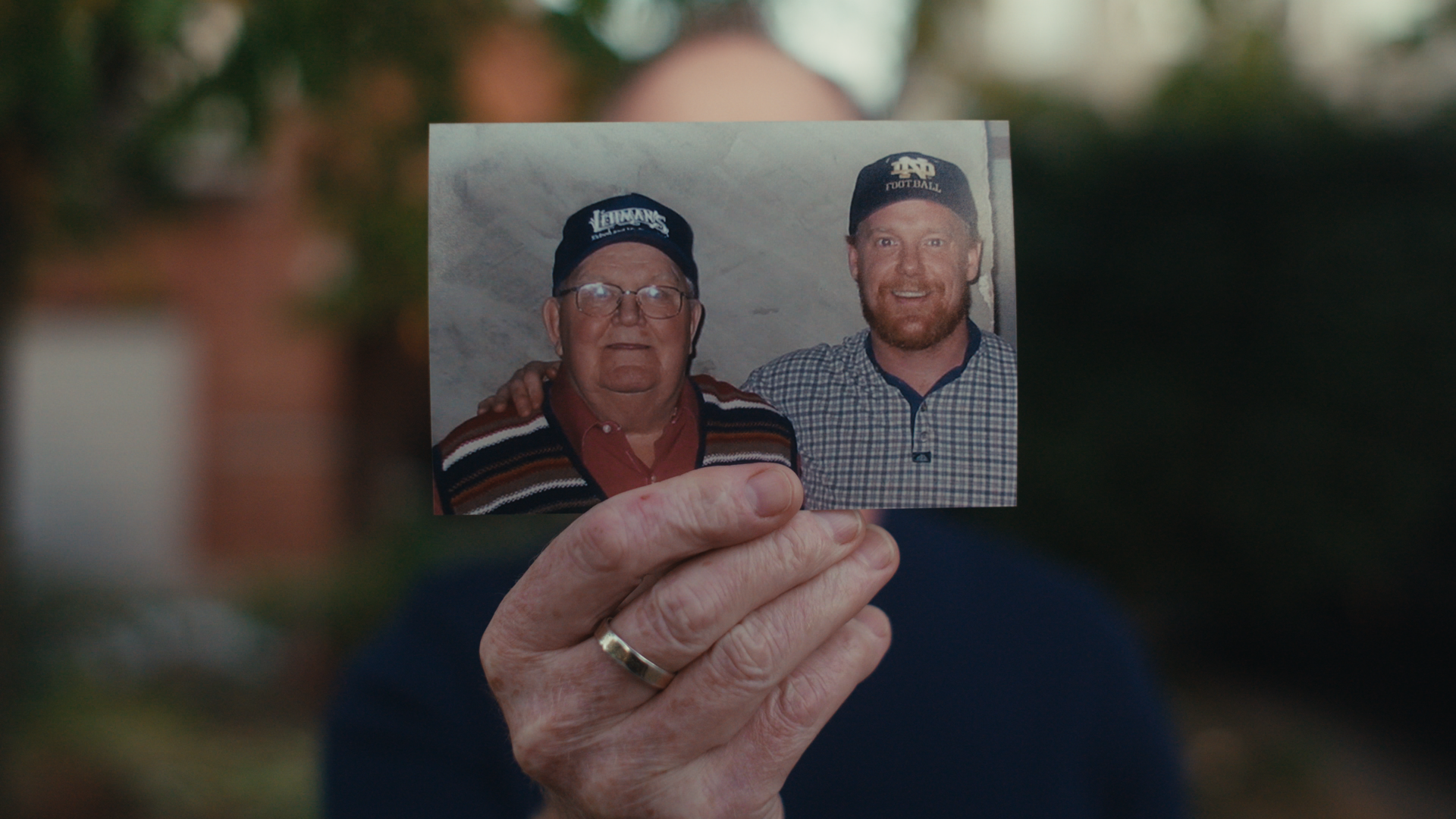
Our goal was not simply to explain technology, but to humanize it. The film connects personal experience, clinical insight, and technological innovation into a single narrative that demonstrates how privacy-preserving AI can transform long-term care. By letting founders, clinicians, and caregivers tell the story, the film reframes AI as a tool for compassion, not surveillance.
Strategically, the objectives were the following:
Position Lenovo and AMD as critical enablers of next-generation healthcare AI.
Showcase ElephasCare as a breakthrough model for edge-based, privacy-first monitoring.
Create an emotionally resonant asset that could educate, inspire, and differentiate Lenovo’s AI portfolio in healthcare.
Ultimately, the film illustrates a broader truth: when AI, edge computing, and human purpose converge, technology does not just optimize systems, it saves lives.
Our objective was to transform ElephasCare’s breakthrough in healthcare AI into a story that felt both human and credible, while demonstrating how Lenovo and AMD enabled the solution to scale in real-world care environments.
Plan of action
We started by defining the core challenge: falls and delayed intervention are among the most serious risks facing seniors in long-term care, compounded by staffing shortages and outdated monitoring tools. We worked closely with ElephasCare to understand its privacy-preserving radar-based platform and aligned three priorities: technical enablement, narrative clarity, and proof of impact.
Lenovo’s AI Center of Excellence partnered with ElephasCare to optimize its AI models for deployment at the edge on Lenovo ThinkEdge SE455 V3 servers powered by AMD EPYC processors. This architecture enabled real-time processing of hundreds of sensor feeds with high performance, efficiency, and scalability.
Execution and key features
We brought the project to life through a fusion of engineering collaboration and cinematic storytelling. Key elements included:
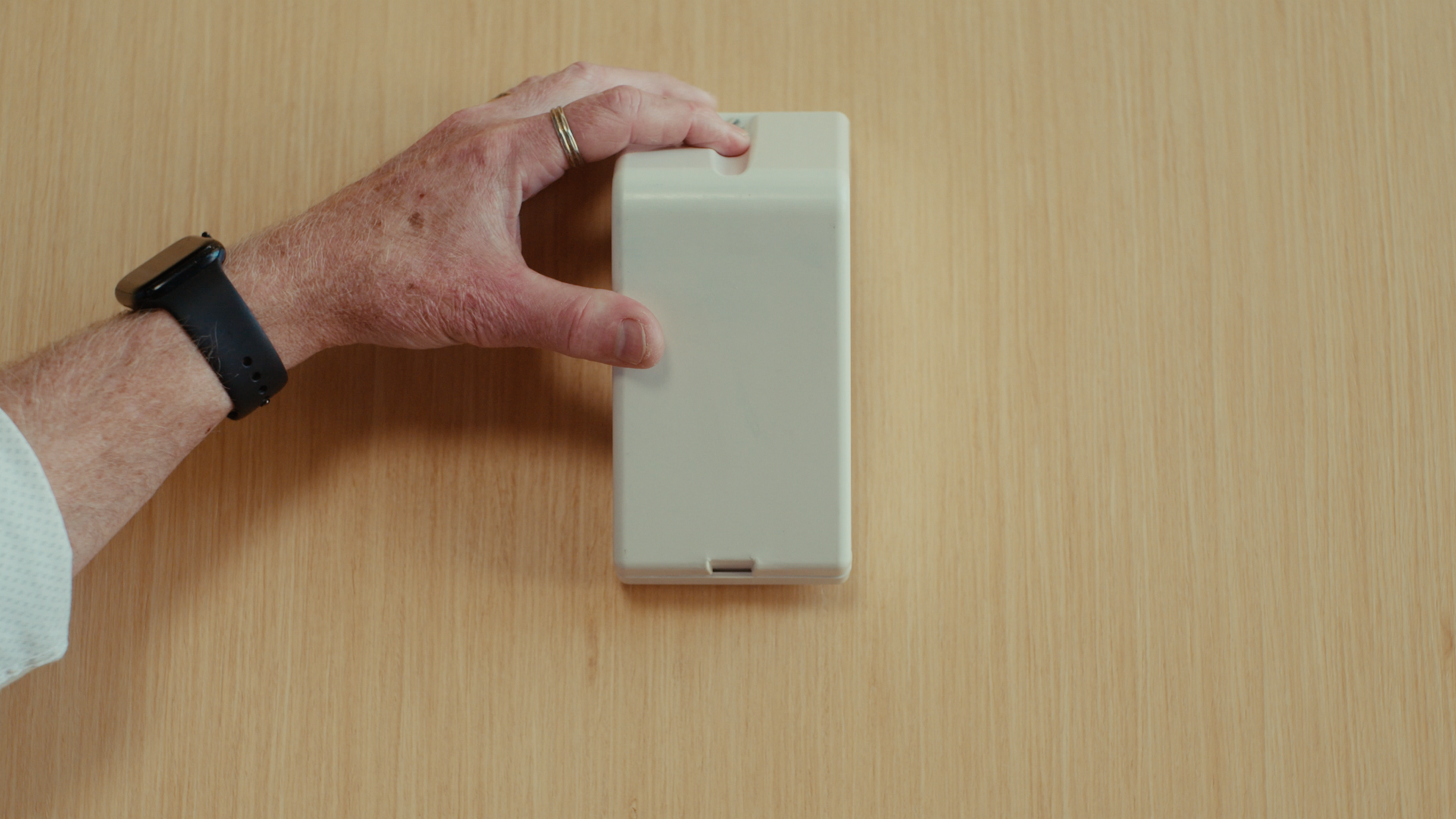
Edge AI processing that preserves privacy, analyzing data locally without cameras or wearables.
High-performance infrastructure powered by Lenovo and AMD, delivering low latency and energy efficiency.
A narrative structure that connects personal stories, clinical insight, and technical innovation.
Modular content design that made the story adaptable across healthcare, technology, and brand audiences.
Challenges and differentiation
The primary challenge was translating complex AI and edge computing concepts into a story that resonated beyond technical audiences. We addressed this by anchoring the narrative in human experience, using technology as proof rather than the headline.
Another challenge was balancing performance with ethics. By highlighting ElephasCare’s non-visual monitoring and Lenovo and AMD edge capabilities, we showed that advanced AI can be both powerful and respectful of dignity.
What makes this work unique
This project is unique because it connects deep technology with deep empathy. Instead of showcasing AI as an abstract innovation, it shows how Lenovo, AMD, and ElephasCare turned edge computing into a tool for preventing harm and improving care. It offers a new model for B2B storytelling, where engineering excellence and human impact converge in a single, compelling narrative.
The ElephasCare film achieved its core objective: showing how privacy-preserving AI at the edge, powered by Lenovo and AMD, can shift elder care from reactive response to proactive prevention.
By translating complex technology into a human story, the film made the impact of edge AI tangible. It highlighted how Lenovo ThinkEdge servers powered by AMD EPYC processors enable real-time processing of hundreds of sensor streams, delivering the performance and efficiency required to detect risk early and alert caregivers instantly.
Beyond technology, the film strengthened the Lenovo and AMD positioning as innovation partners in healthcare, not just infrastructure providers. It has been used across digital channels, executive storytelling, and partner communications, functioning as a compelling customer proof point and vision for responsible AI in care.
We consider this project a success because it reframed how AI in healthcare is understood. Instead of focusing on specifications, it demonstrated real-world impact, ethical innovation, and human value. By uniting Lenovo, AMD, and ElephasCare in a single narrative, the film created a distinctive and scalable model for communicating the true potential of AI in healthcare.