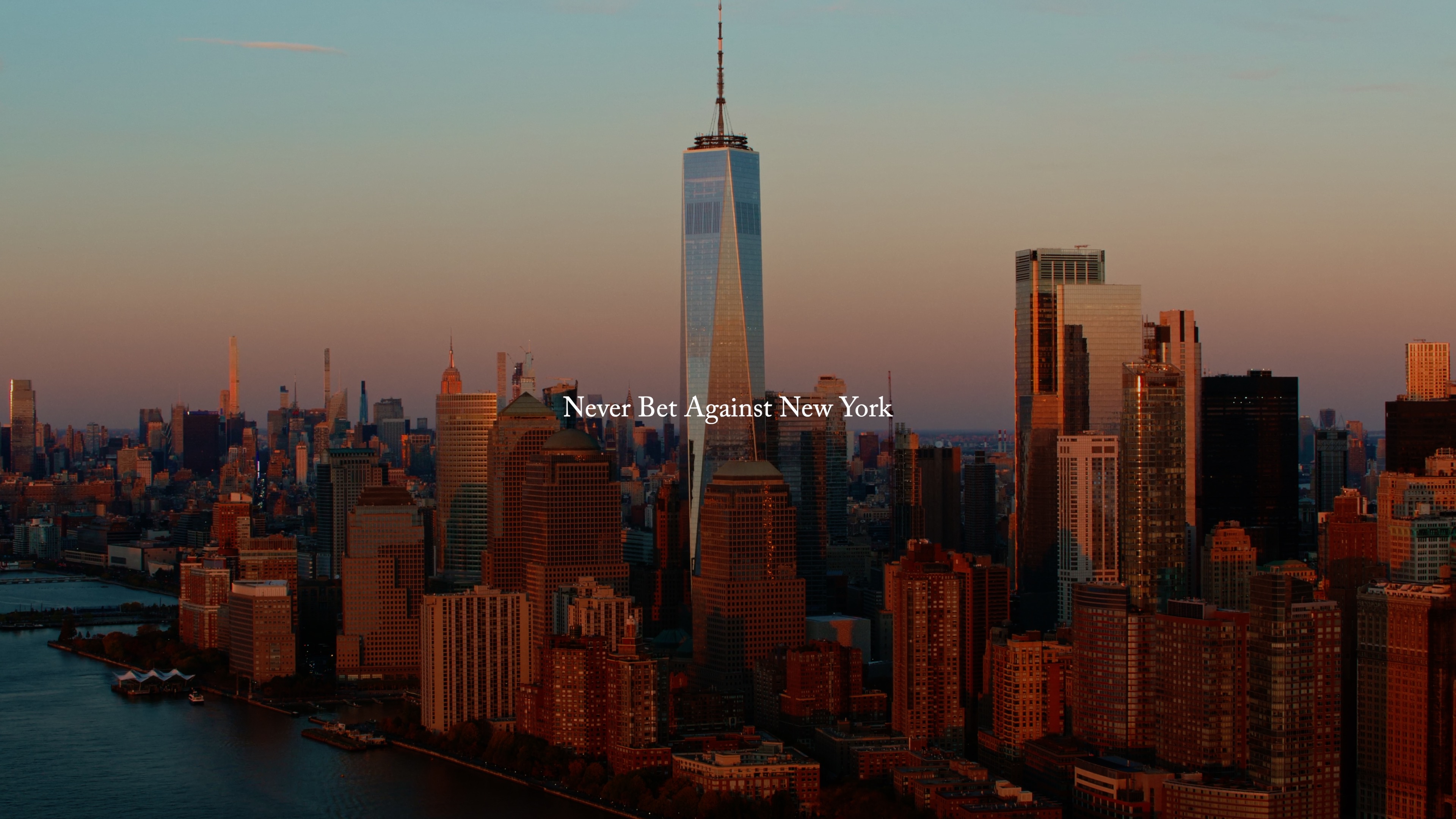
Lower Manhattan has changed dramatically over the past 25 years. Despite the rebuilt World Trade Center campus, a growing residential population, and new cultural institutions, many Americans still associate the neighborhood primarily with the events of September 11th rather than with what it has become.
Never Bet Against New York was built to address that knowledge gap. The goal was to show a national audience how far Lower Manhattan has come, thanks to efforts by Silverstein Properties and neighborhood partners to redevelop the World Trade Center site. The 25th anniversary of 9/11 created a natural opening to meet people at a moment of reflection and point them toward the neighborhood's present and future.
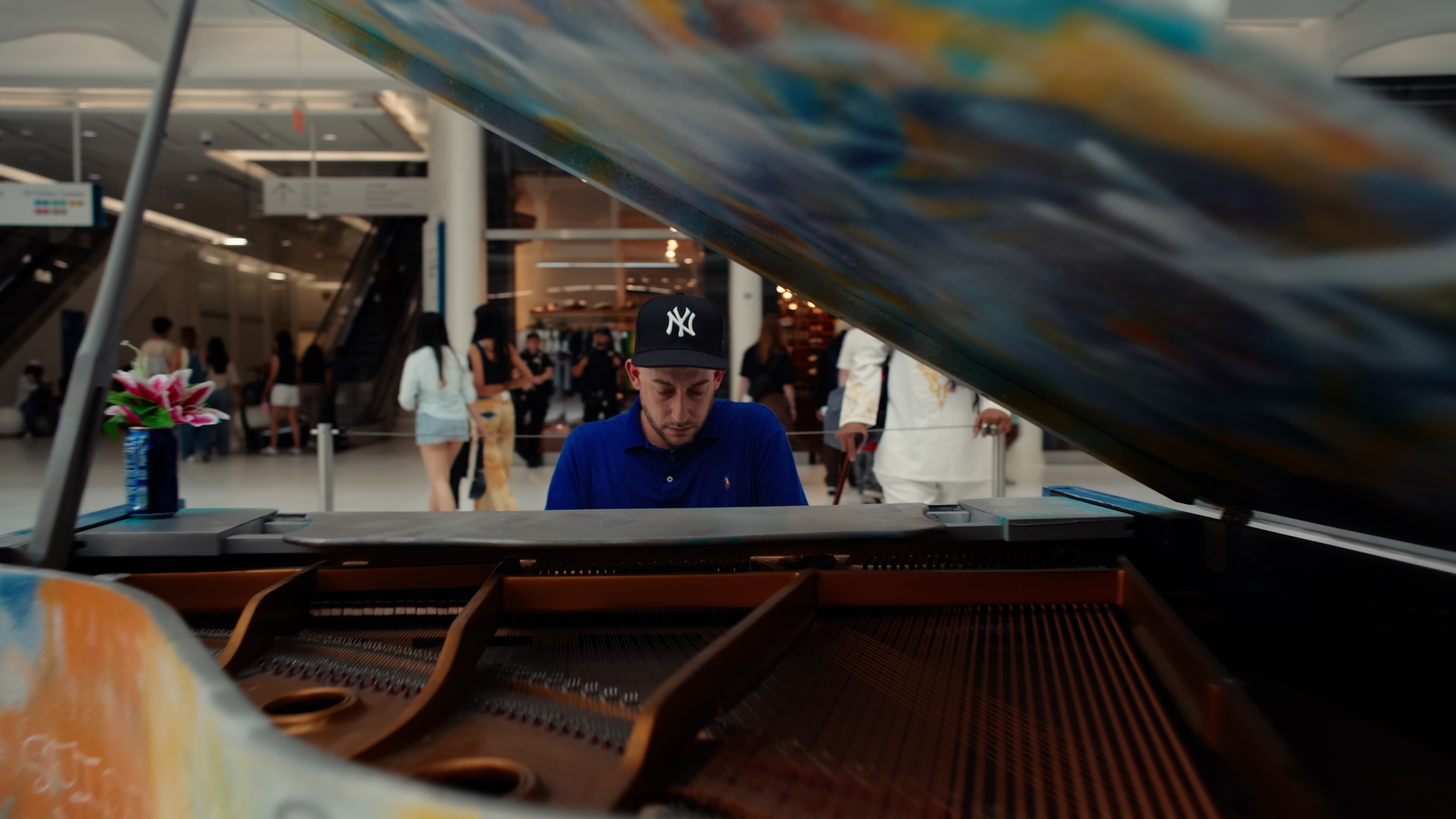
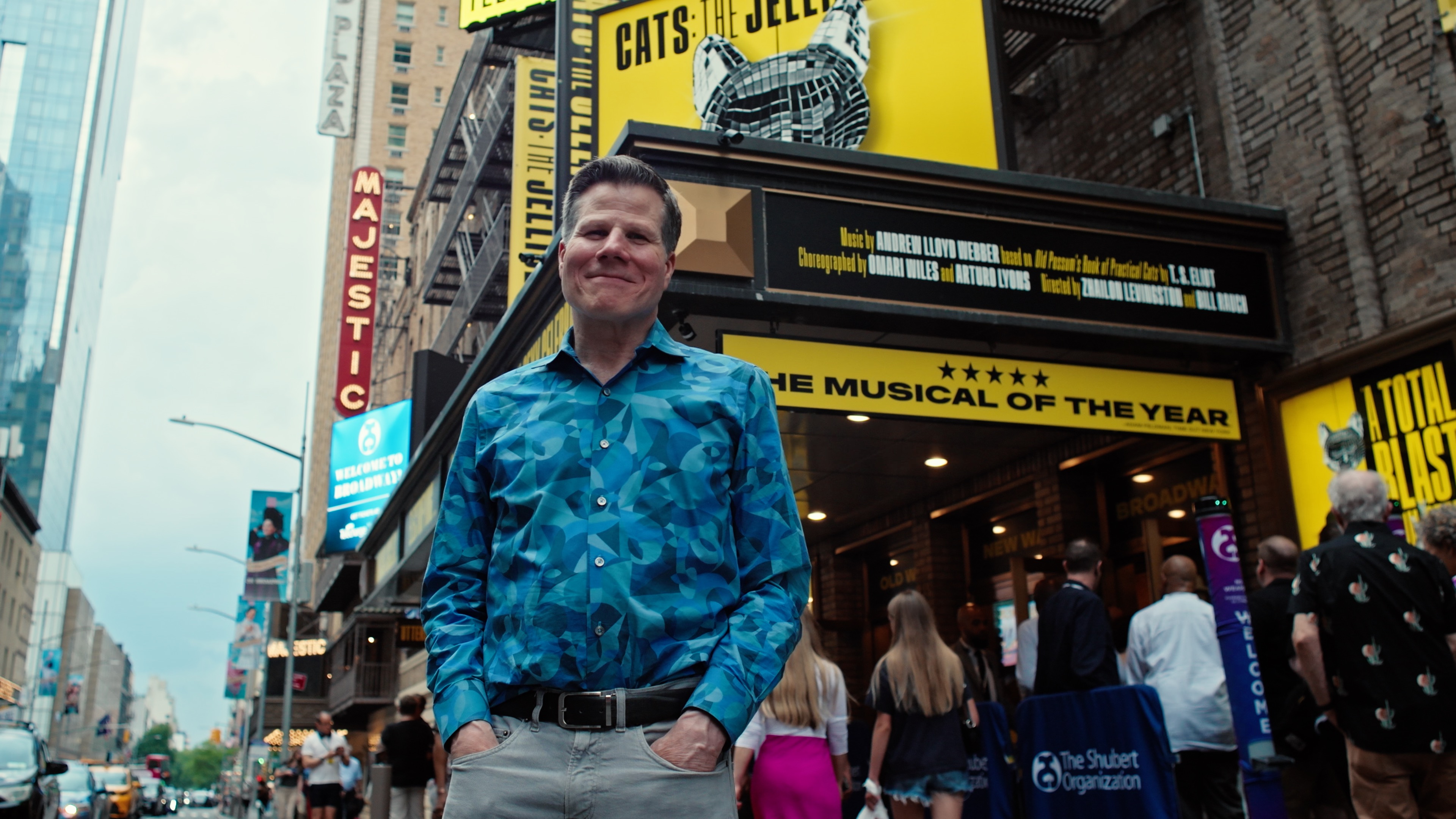
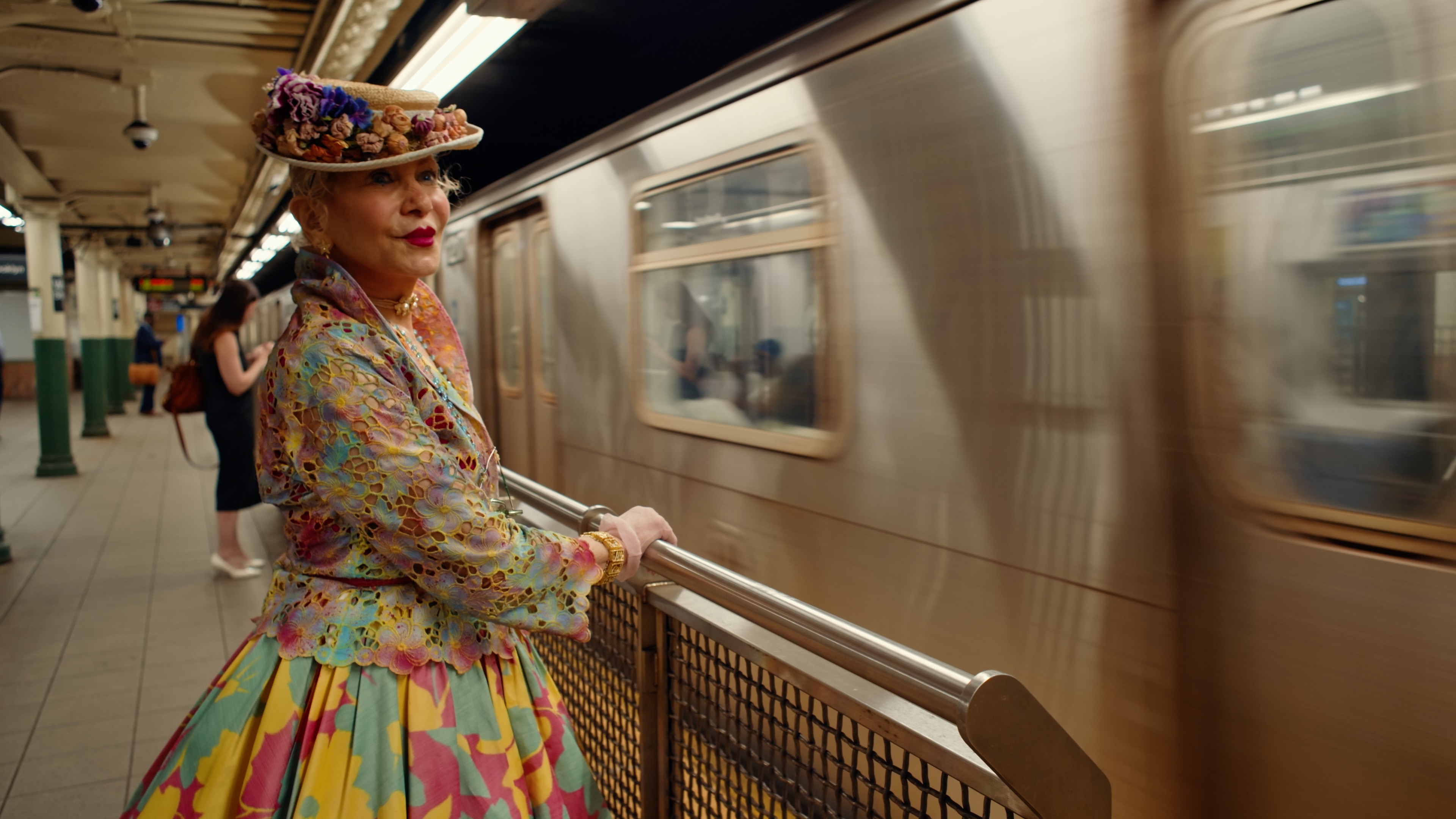
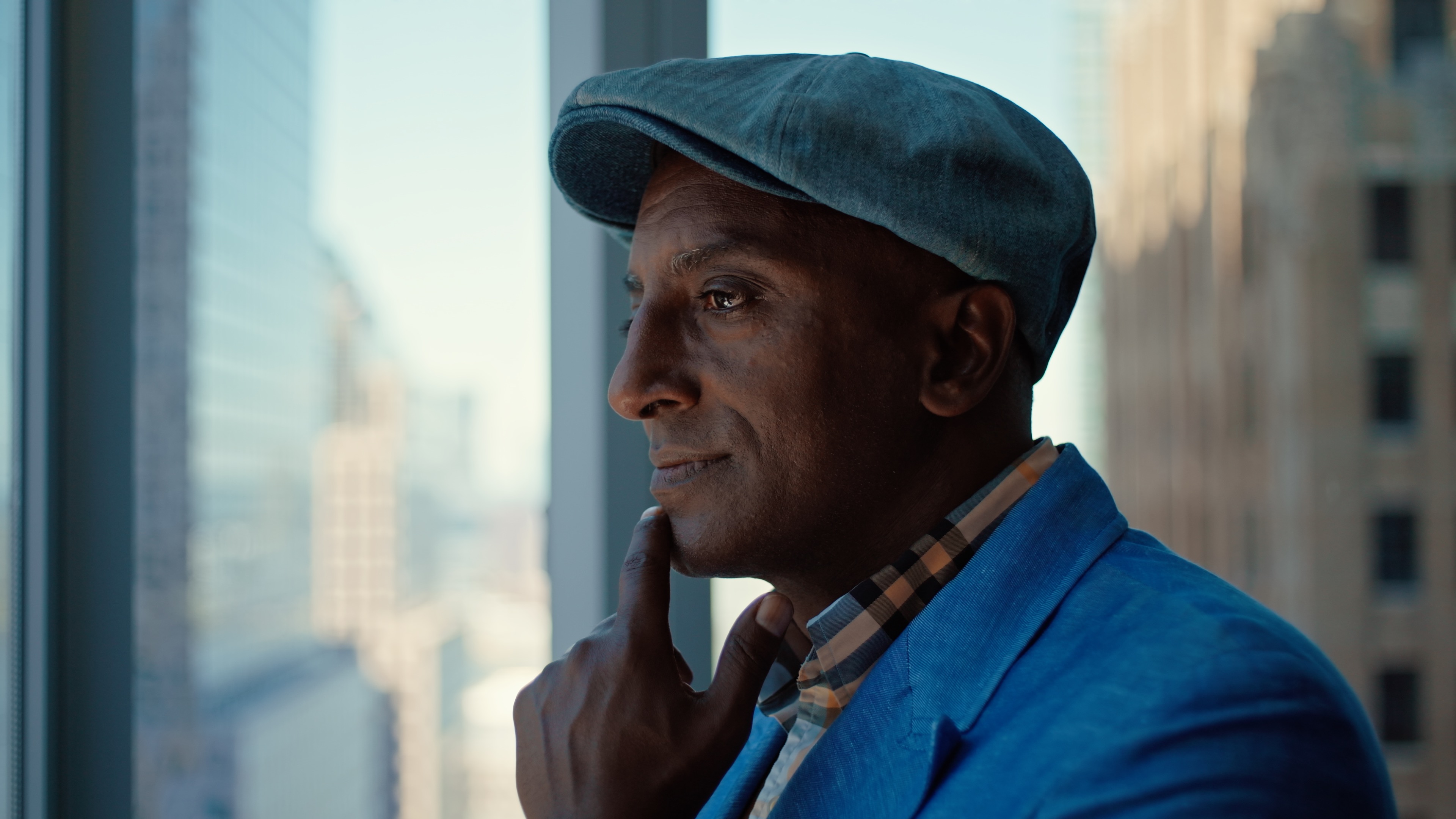
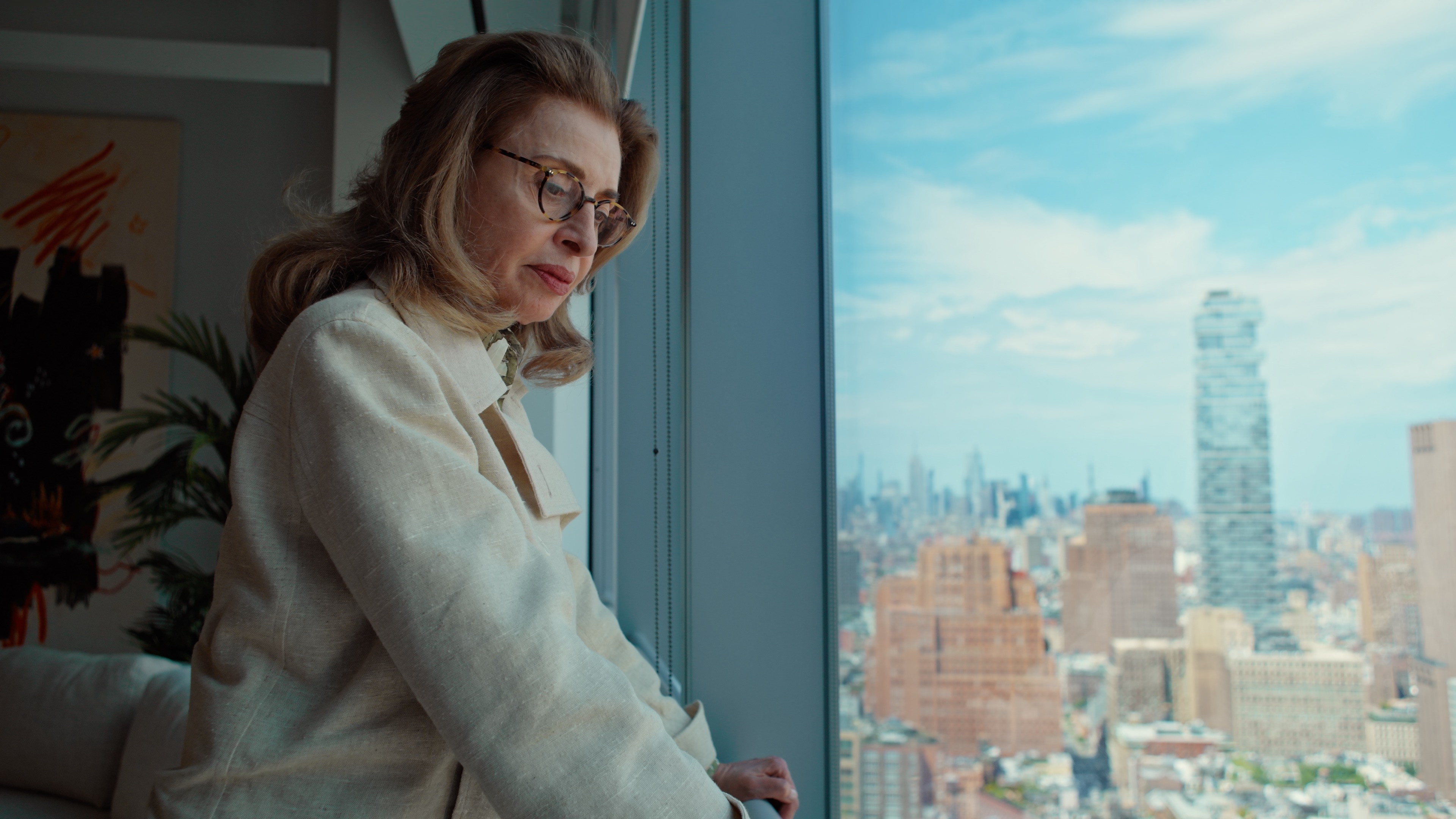
We believed that statistics don't change how people feel about a place. Stories do. Rather than a traditional marketing campaign, the team developed a short-form documentary series built around the people who live and work in Lower Manhattan today.
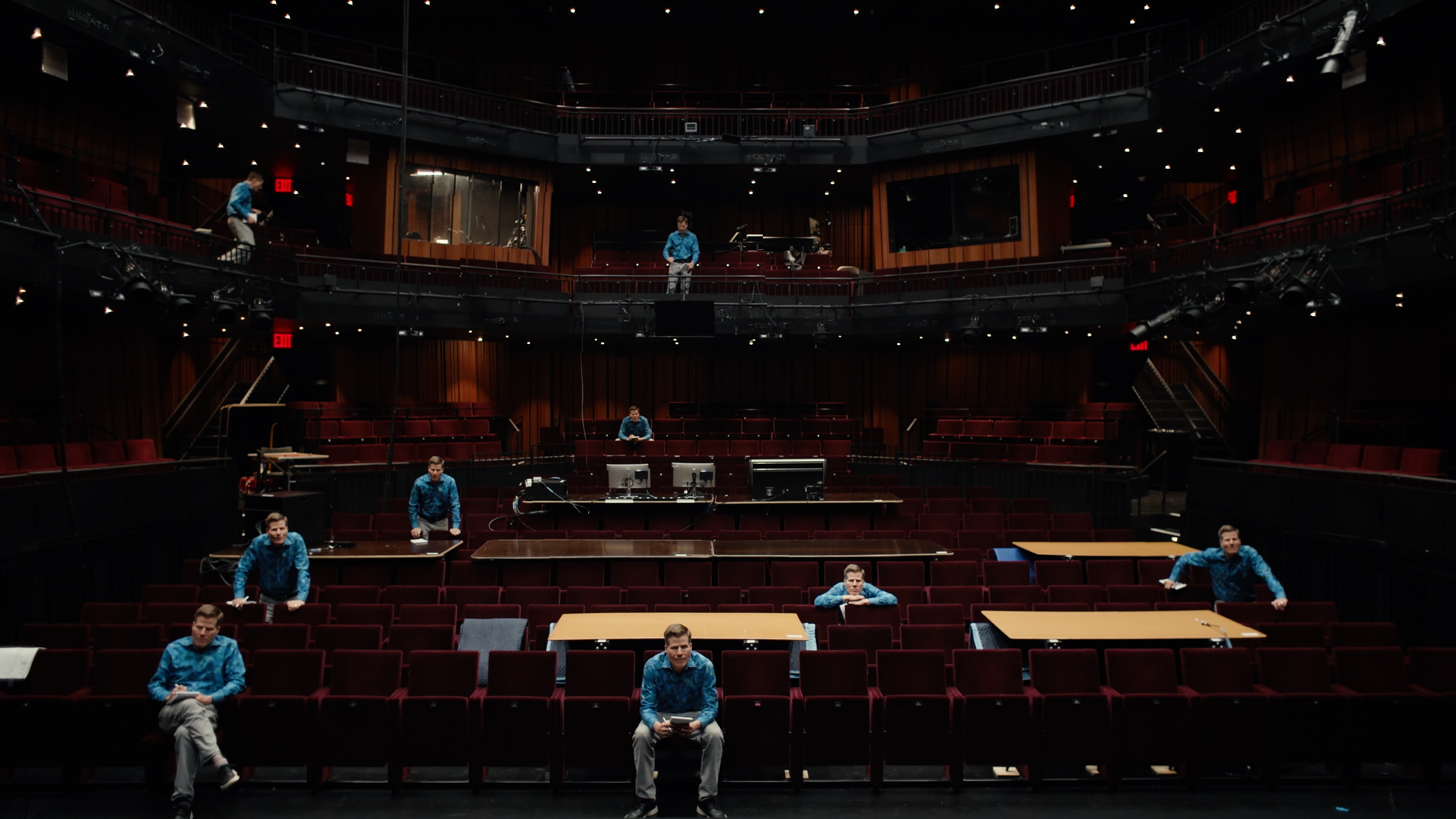
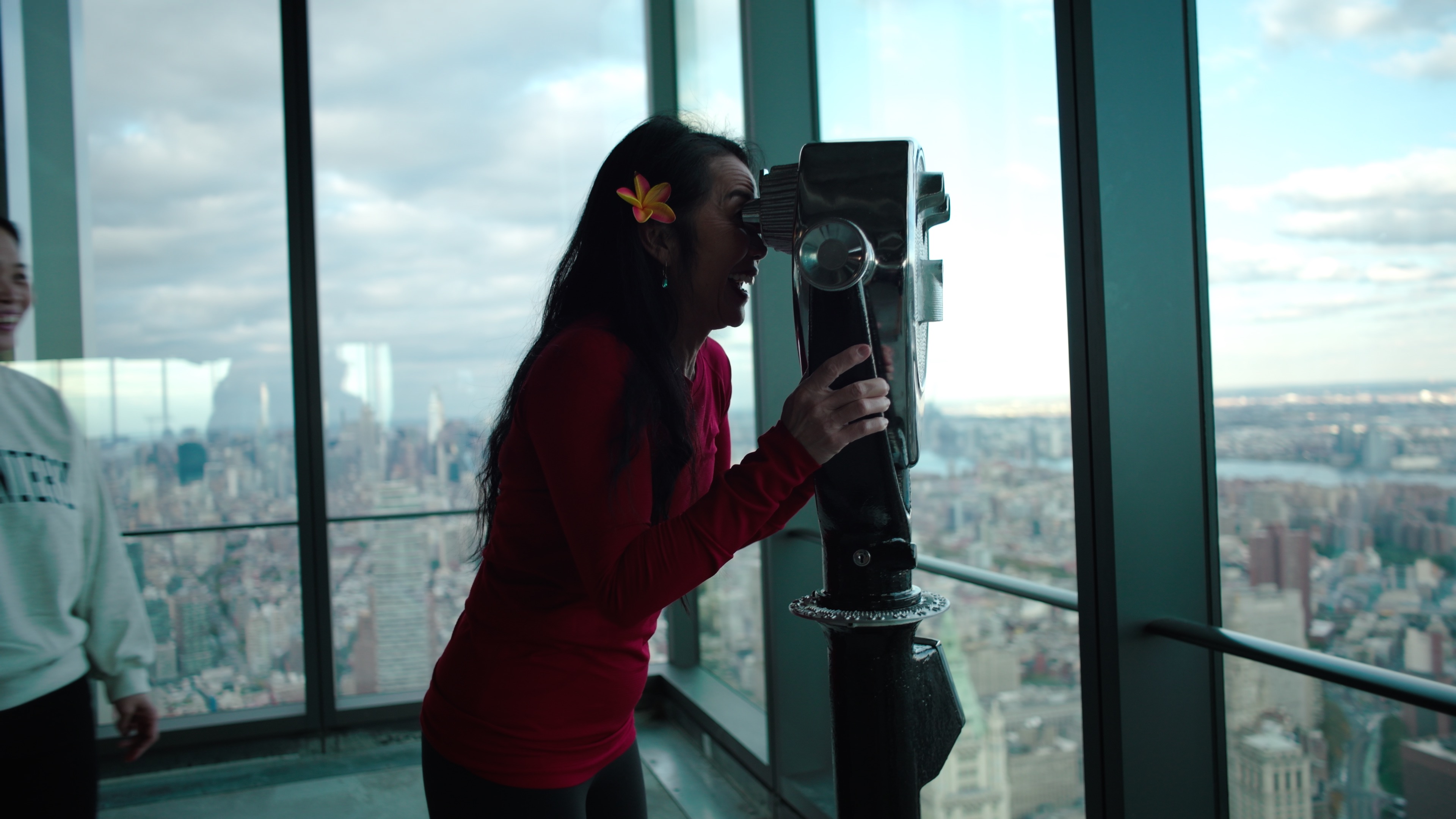
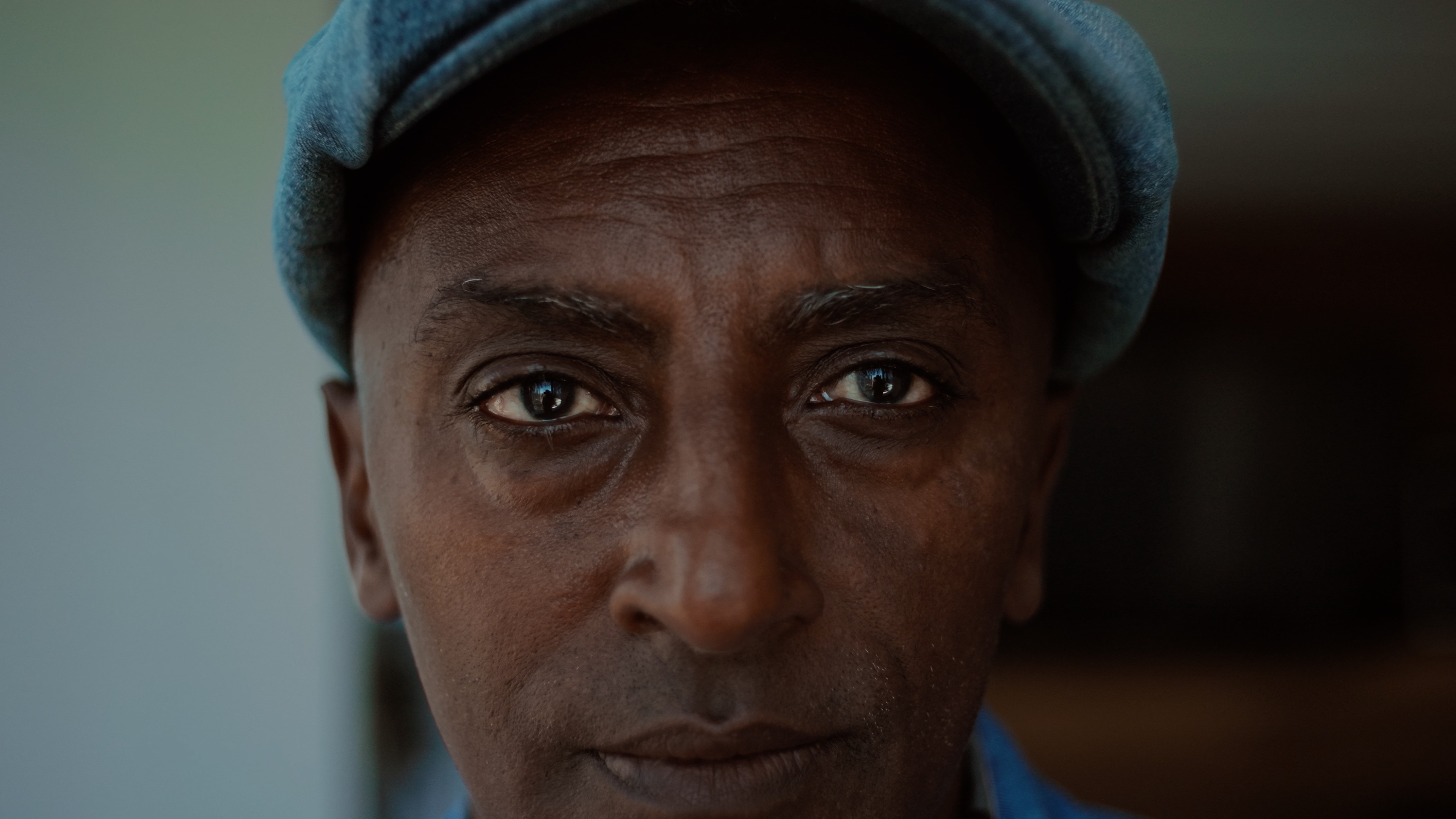
Inspired by developer Larry Silverstein's well-known declaration about New York's resilience, Never Bet Against New York follows business owners, artists, residents, and community leaders talking about what they love about the neighborhood, how they've watched it change over two decades, and what they're doing to shape its future.
The 25th anniversary gave the series a clear editorial hook and a reason for media partners to pay attention. The team pitched the series as a legitimate piece of journalism tied to a national moment and secured Oprah Daily as the exclusive distribution partner for its 9/11 anniversary coverage.
The team handled production end-to-end, filming across Lower Manhattan with a cross-section of New Yorkers whose stories, taken together, reflect how much the neighborhood has changed. The tone was documentary-style, conversational and unscripted, designed to work in both a premium editorial setting and on social media.
Oprah Daily ran the series as its flagship 9/11 anniversary content, reaching its more than 4.5 million monthly readers. The series also ran across social media platforms in parallel.
The series generated more than 1.2 million views across social media. Sentiment analysis showed 45% of responses were actively positive toward Lower Manhattan and the World Trade Center neighborhood, with another 54% neutral. Negative sentiment was minimal.
The campaign did what it set out to do: it put Lower Manhattan's story in front of a national audience at a moment when people were already paying attention, and it left most of them with a better impression of the neighborhood than they came in with. Using real people and a trusted editorial partner turned what could have been a marketing piece into something audiences actually wanted to watch.