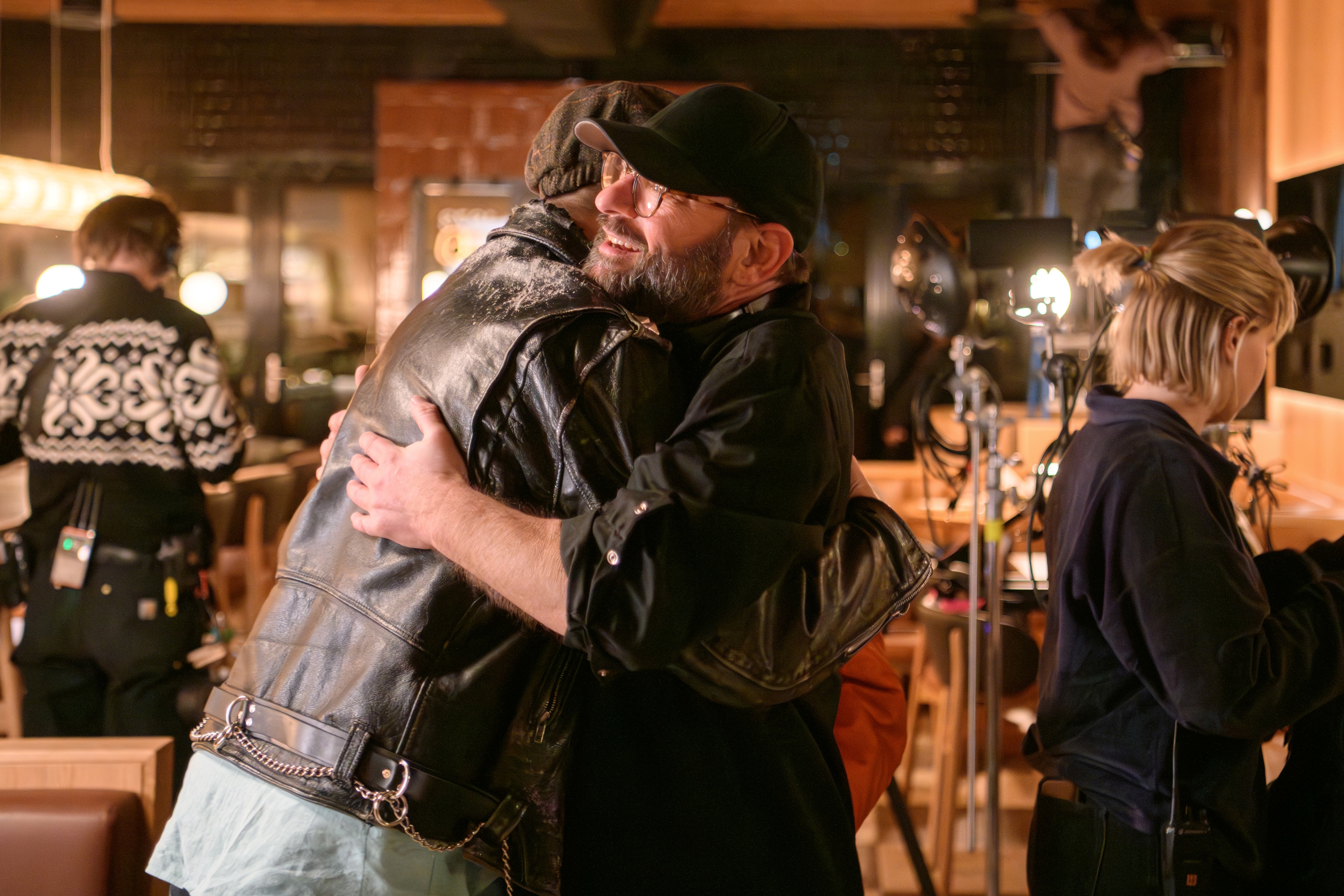
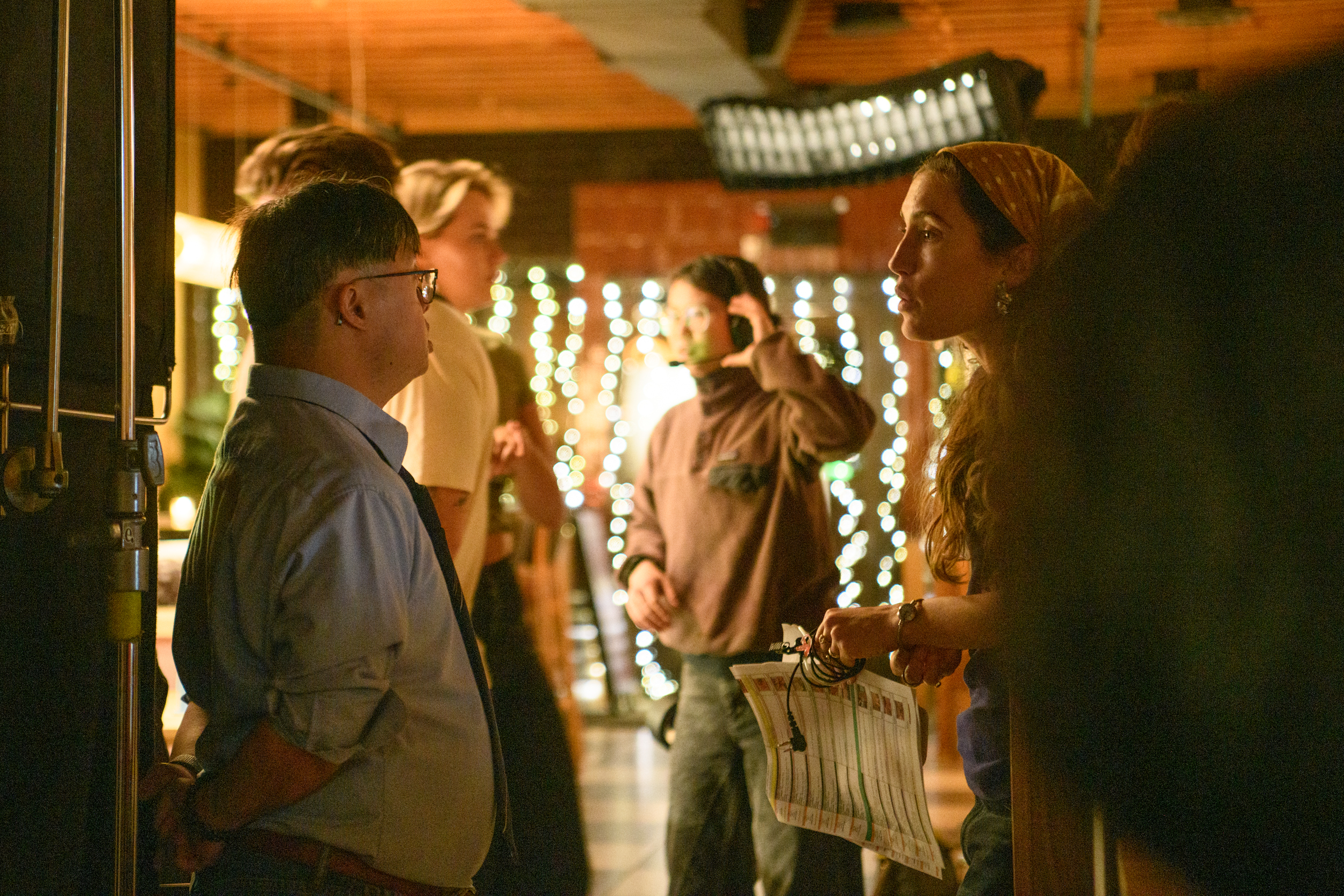
90 seconds of pure joy.
And not a single note of sad piano music.
What started it all was very much a local problem.
When the Developmental Disabilities Association (DDA) encountered fierce neighborhood opposition to their plan to open a Day Program for individuals with intellectual or developmental disabilities, they got an ugly reminder of what the people they help support so often still face. Fear. Misconceptions. Ignorance.
Here in Canada, like in many places, public attitudes toward people with developmental disabilities have improved and their civil rights have been enshrined in law. But they still face hurdles, be it ordering a meal at a restaurant or being considered for a job.
The DDA decided to produce a PSA that would do more than just help solve a local problem. It would help move the needle toward a more understanding, more inclusive world.
The objective was ambitious: create a spot that would resonate with a broad audience AND get it seen by significant numbers of people (1 million +) whose attitudes toward individuals with developmental disabilities may need to be challenged. Get them to see people with developmental disabilities as people first, as deserving of respect as anybody is.
To end the fear and ignorance.
To overcome the misconceptions.
To see the person, not the label.
The concept was developed in-house, in close collaboration with people with developmental disabilities.
As it evolved, certain values became clear: the spot had to be playful, it had to be unexpected, it had to have emotional peaks & valleys, it had to celebrate individuality and yet also be representative of the diversity of the population it was advocating for, and it had to be relatable to a broad, potentially unsympathetic audience.
Focusing on what real people really like not only made it broadly relatable, it also allowed for individuality to shine.
Focusing the scenario on a “micro-aggression” by a waiter spoke to a common experience and made the waiter more sympathetic than if the inciting incident was overtly hateful or truly aggressive. This allowed the waiter to have a mini-arc, ultimately modeling the recognition the spot is encouraging audiences to make themselves.
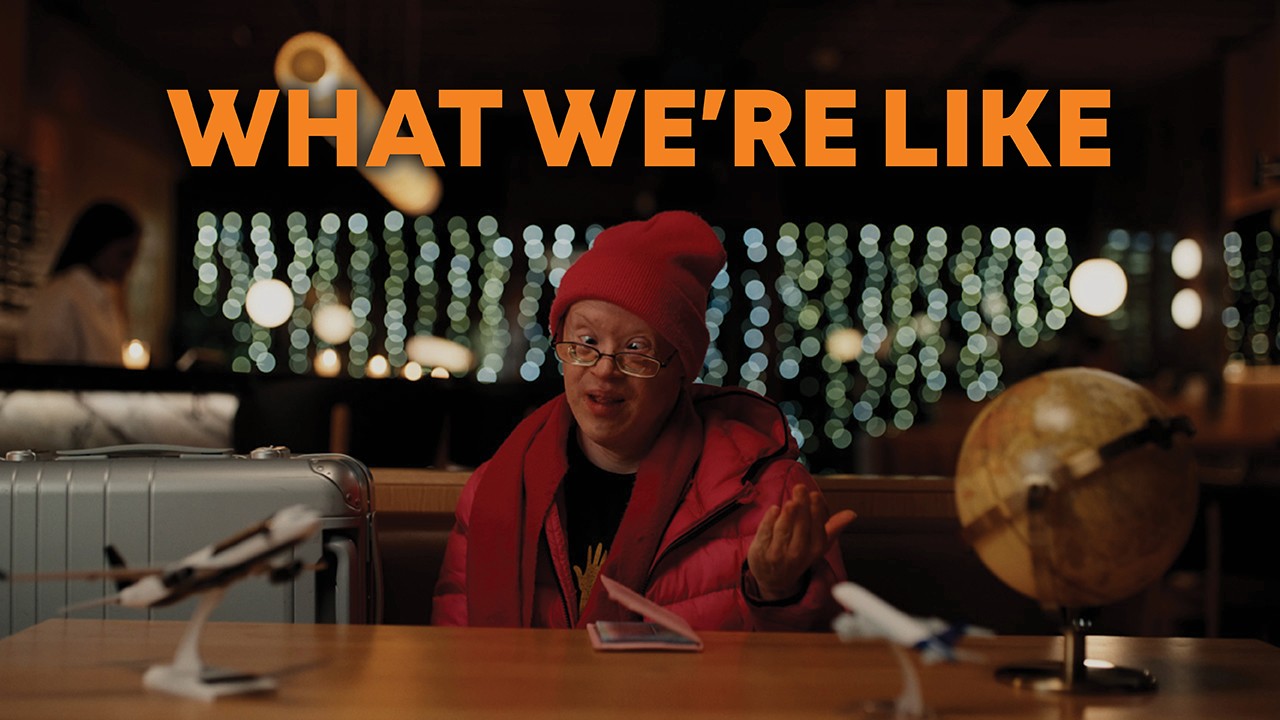
A dominant simple lock-off shot not only visually amplified the unexpected, it allowed real people who may have struggled with hitting a mark or responding to complex camera moves to participate, helping maintain the diversity of the “cast”.
From the onset, we knew that the message would live or die based on its authenticity and humanity. Real people sharing what they really like.
But how do you cast a spot populated by a diverse, and rather large, number of real people who all have developmental disabilities?
Casting was also done in-house, with wide community outreach and countless in-person auditions, meeting people and finding out what they are passionate about.
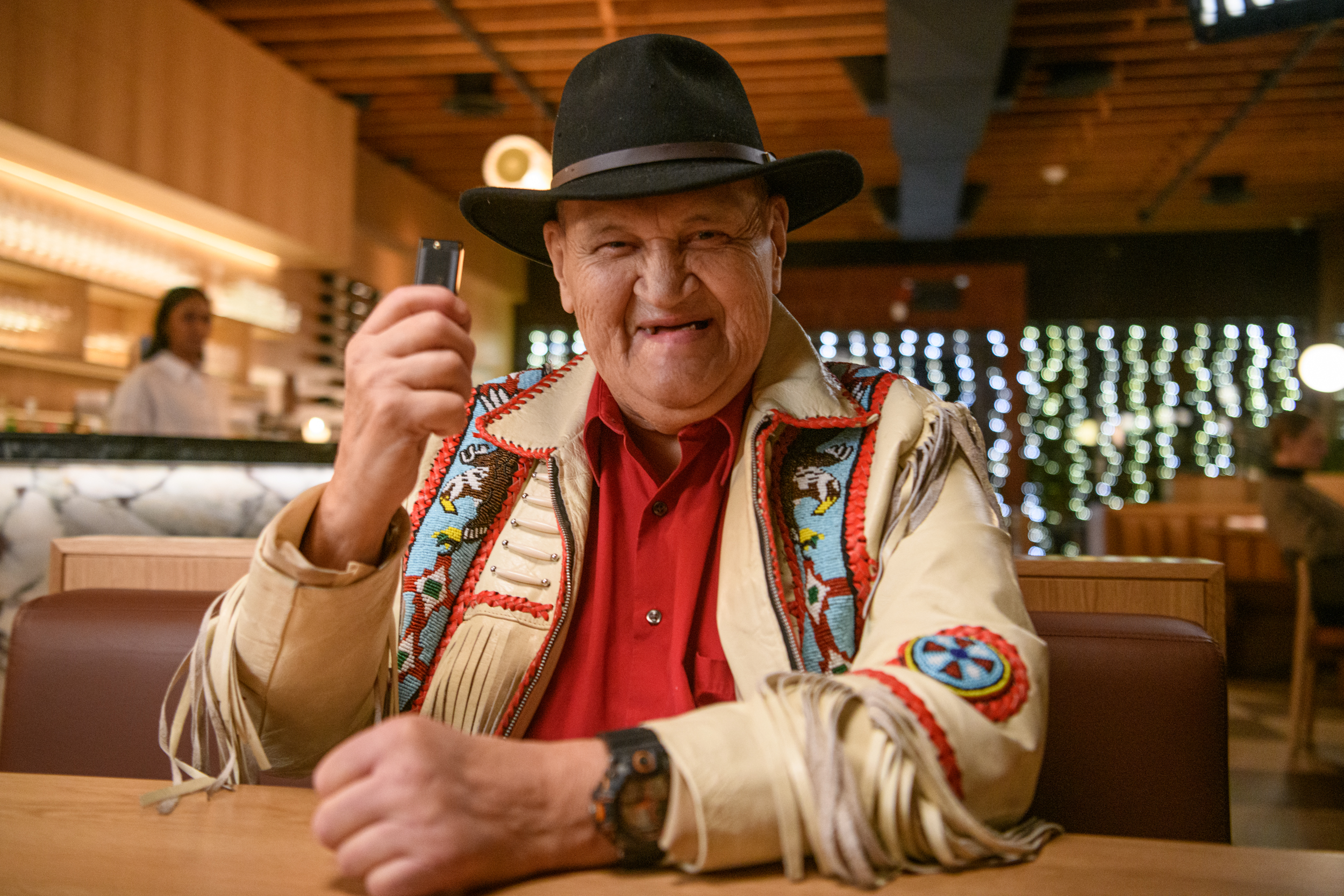
The approach was extremely collaborative, and the final cast each have “likes” that are as unique – and relatable – as they are.
The final script was based on what the cast actually like.
Armed with a tiny budget, the DDA reached out to the local advertising industry, and the response was overwhelming.
A hot young production company loved the creative and brought a lot to the table to make the spot possible, despite the budget. A rental house just kept adding things from the DP’s wish list to the pile because “they’re not going out on another rental that day anyway”. The enthusiasm was contagious. Everybody got paid, but everybody went the extra mile to help create something special.
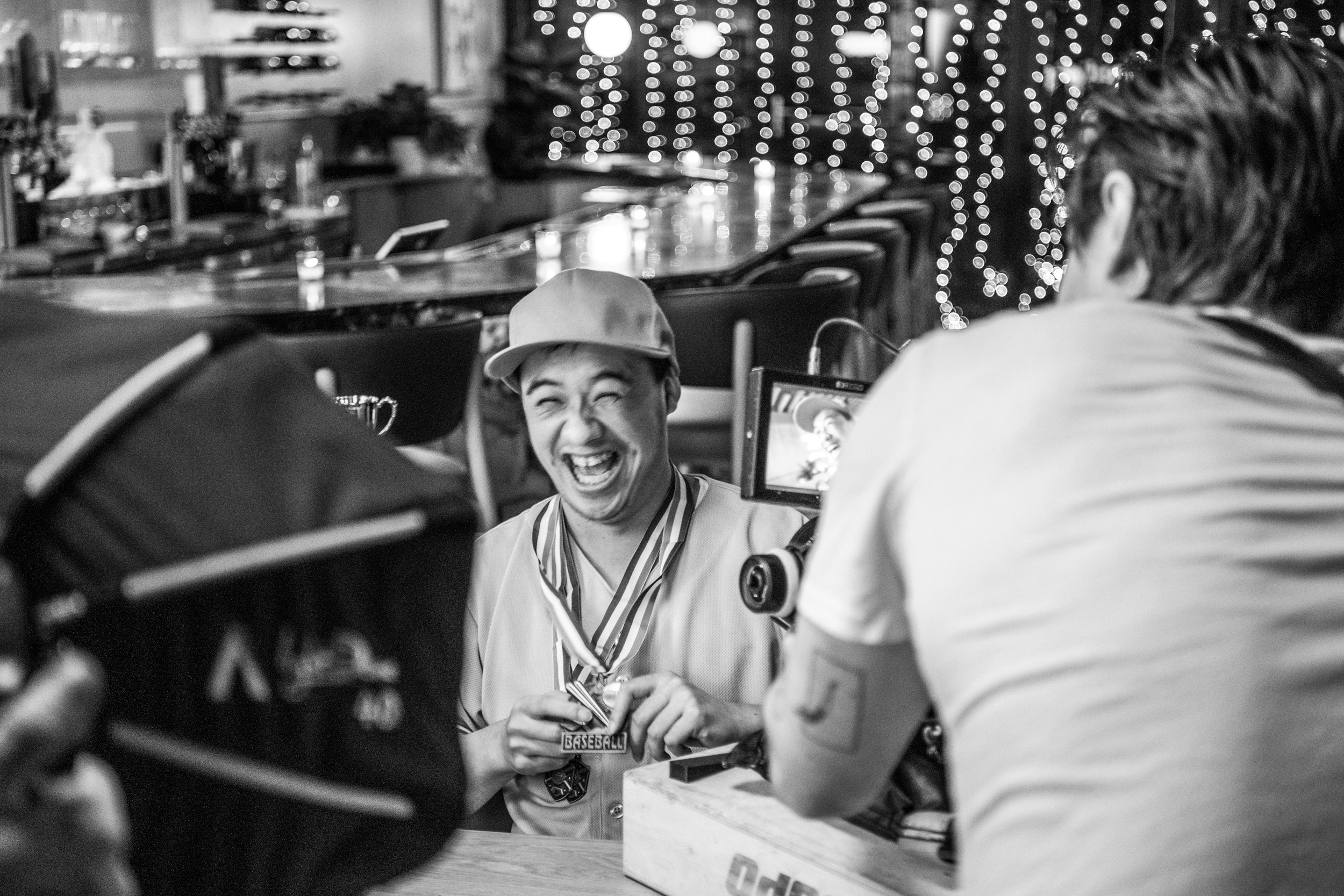
For the shoot, individualized support strategies were designed for each “star” in consultation with themselves, their support workers and /or their families, to ensure that their experience on set would be stress free and positive.
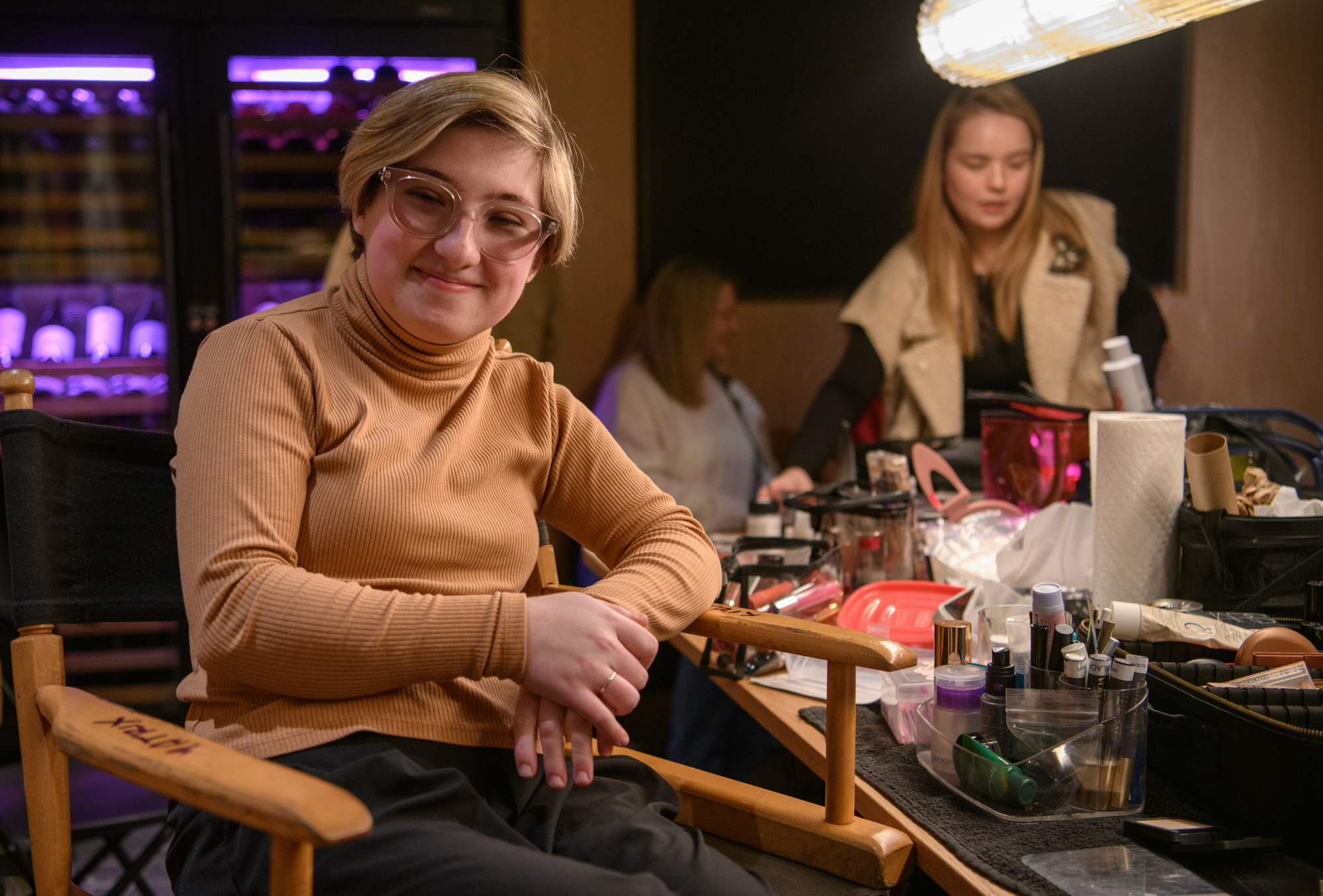
There were no raised voices or open radios on location. Nothing was done, be it applying make-up or giving a gentle direction, without first consulting the “star” to keep it all comfortable and collaborative.
Given the DDA’s limited funds, the on-line campaign for the finished spot was designed to fuel grassroots uptake rather than depending on paid “boosting”.
Promoting the spot initially focused on getting it seen and shared by like-minded individuals and organizations, starting locally and growing outward from there. Countless emails & messages were sent and phone calls made.
The strategy was to get the message embraced organically and go viral so that it eventually spread beyond the “echo chamber” of those already sympathetic to the message and penetrated the real target – a broader audience of people with attitudes that may need to be challenged.
To help build & maintain momentum, a drip campaign featuring portraits and bios of the individuals featured in the spot ran concurrently, and a micro budget for very selective boosting enhanced the overall organic approach.
A 30 second version was also done and played on local television.
The strategy worked.
So far, the spot has had over 2.7 million views on-line across all platforms, with impressive retention and engagement metrics.
Instagram alone has had over 300,000 likes, almost 20,000 reposts and hundreds & hundreds of comments (across several posts).
It is clear from analysing the metrics that the PSA has travelled well beyond those already sympathetic to its message.
A comment asking what the best way to approach someone who you suspect may have developmental disabilities is a lovely example of asking for guidance to overcome one’s ignorance.
Fan favorites within niche on-line communities have emerged.
Dusty the DJ is beloved by those in the DJ & electronic music on-line spaces.
Noah, who likes being queer, has resonated in the Queer community.
Elliott, who likes looking sharp, has struck a chord with fashionistas who love his style.
Virtually every “star” has found their fans, and most fan comments aren’t about disabilities. They’re about the individual. They’re a reflection of seeing the person, not the label.
The initial goal of the campaign has been surpassed.
Extrapolating from the qualitative metrics, there’s more than a million people who didn’t watch the spot because they had a pre-existing interest in disability rights or were already sympathetic to the message.
More than a million people who watched for other reasons, and in doing so had their ideas about people with disabilities challenged.
More than a million people who saw the person, not the label.
And that DDA Day Program proposal that started it all? The one that faced fierce neighborhood opposition?
Their next effort succeeded, and it recently opened.
The neighbors have been friendly & welcoming.