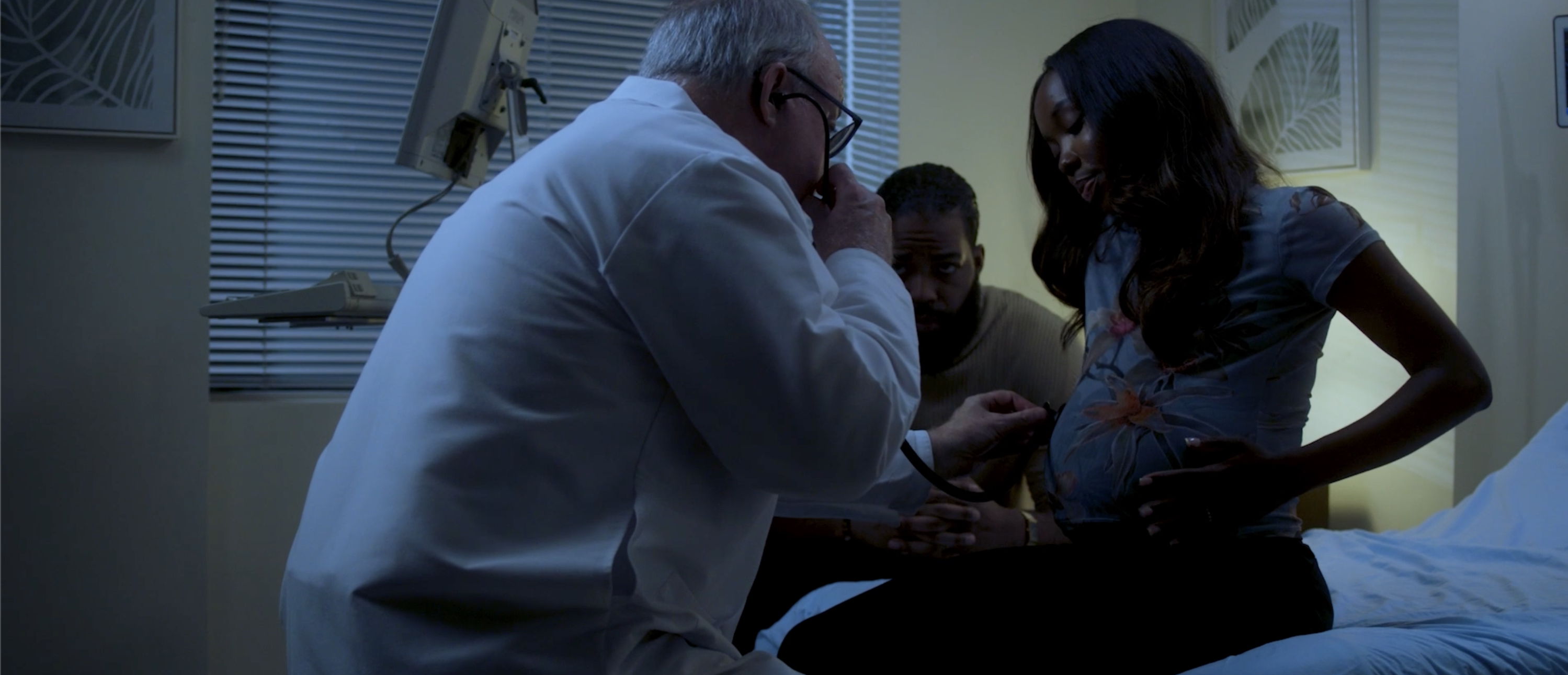
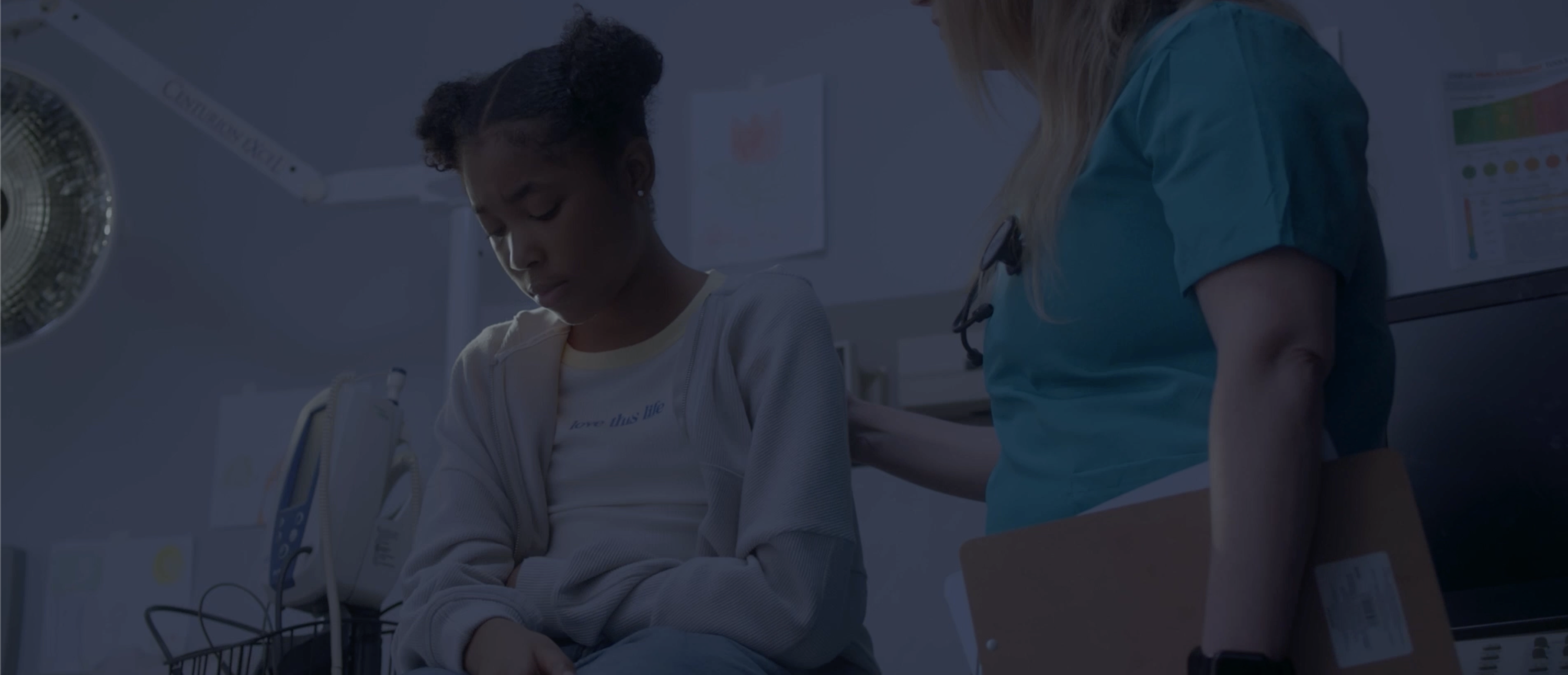
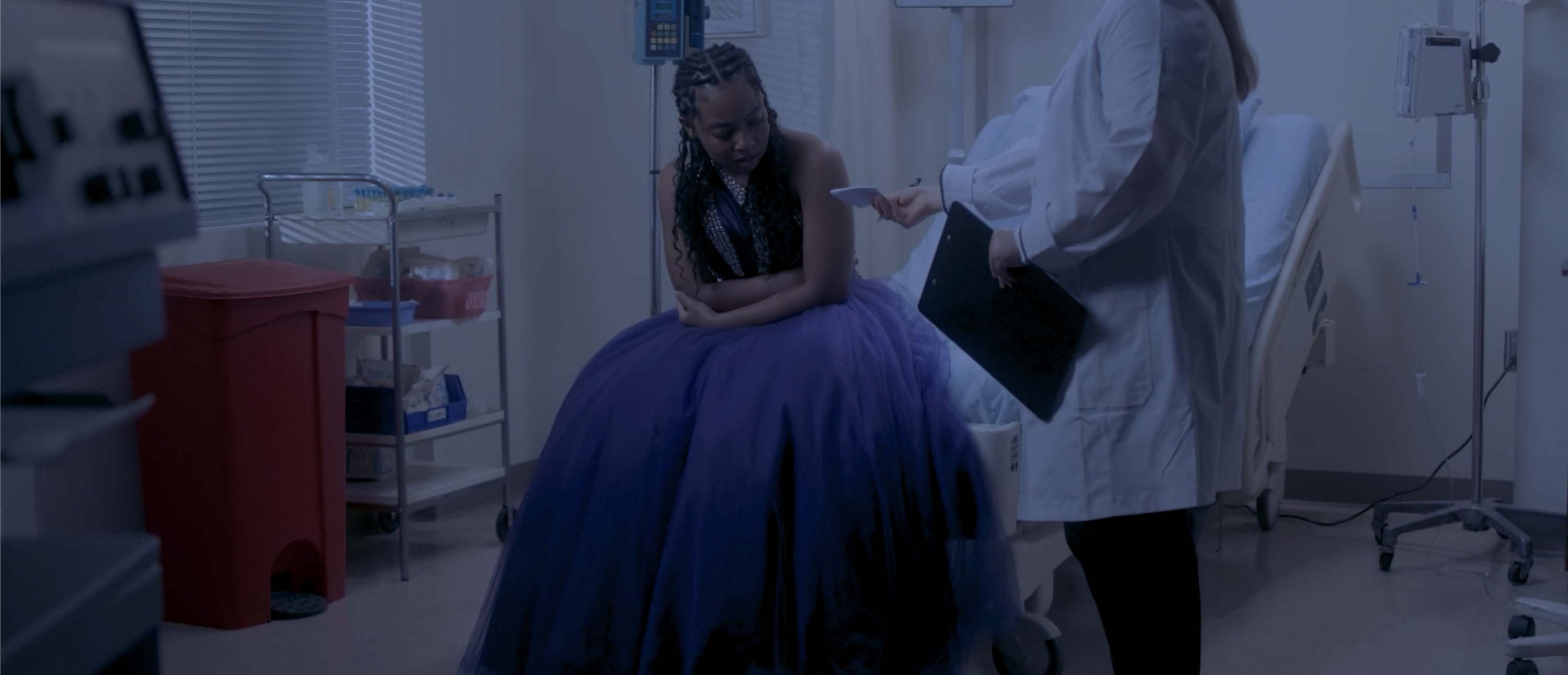
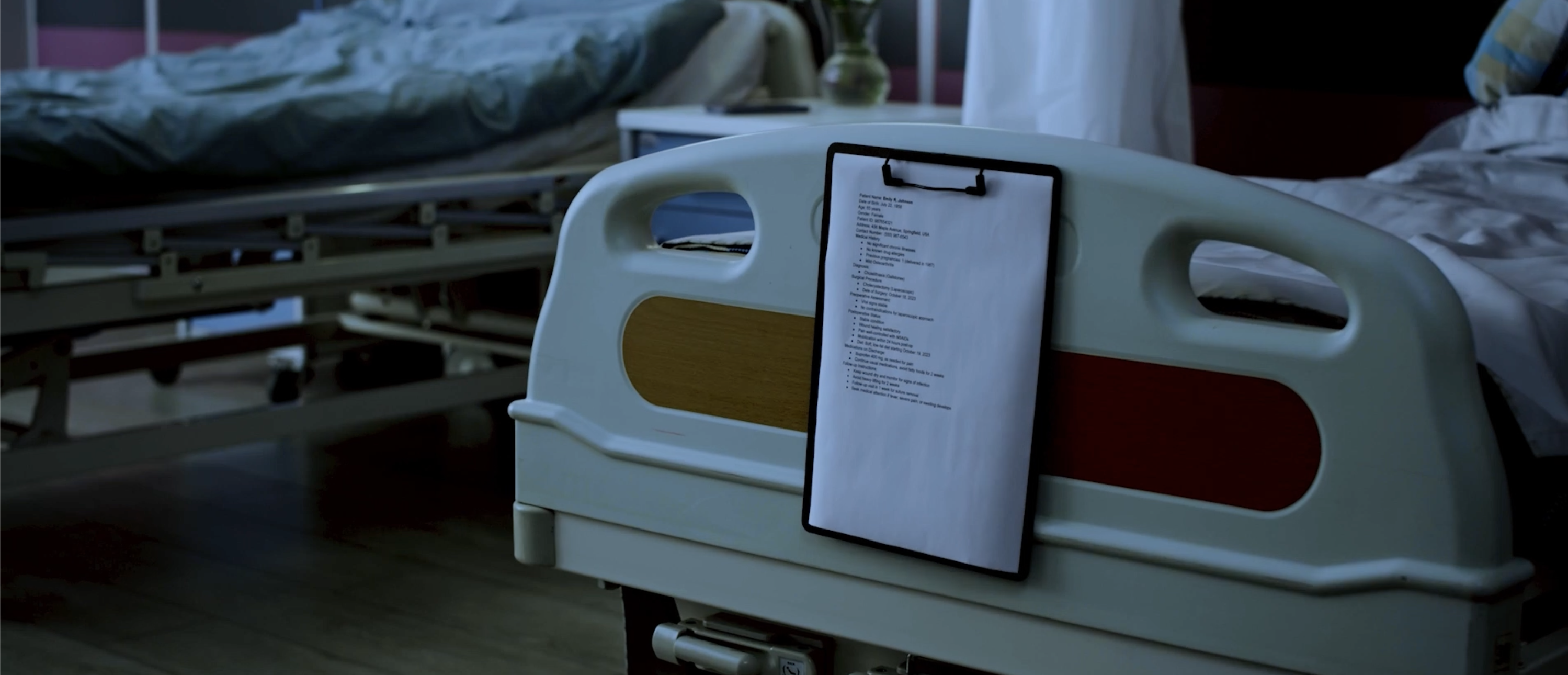
The Visit grew directly out of what Black Girl Vitamins has always stood for: making sure Black women's health concerns are taken seriously and met with real support, not brushed aside. BGV's 2025 State of Black Women's Health survey found that 1 in 2 Black women say their health concerns have been dismissed by a medical professional, and we paired that finding with the public data already out there on Black maternal mortality and health disparities. The film was built to carry that data into a specific, honest conversation about medical bias, Black maternal health, and what it actually looks like when a Black woman isn't believed.
The film follows four Black women at different stages of life, each navigating a healthcare system that dismisses her pain, her symptoms, and her concerns. The objective was to show how those dismissals compound over a lifetime, and that compounding is a direct driver of the health inequities Black women face, including maternal mortality.
We released The Visit during Black Maternal Mental Health Week to meet a conversation that was already happening with something concrete. Beyond sparking dialogue, the goals were to reinforce BGV's standing as a trusted resource on Black women's health, back that up with real data and real partnerships rather than just messaging, and build something lasting instead of a single news cycle. The Visit was designed as the first in a broader series of conversation-led initiatives from BGV, with the Mamatoto Village collaboration built into the release from the start.
This film started with something we heard, not something we invented. In listening sessions with our own customers, the same story kept surfacing in different voices: a symptom dismissed, a concern minimized, a diagnosis delayed until it became an emergency. Once you hear that pattern enough times, you can't unhear it, and BGV knew it had to be told.
We knew the release date before we knew the final cut. Black Maternal Health Week was the moment this film needed to exist in, and that timeline shaped nearly every decision after it. BGV partnered with Jade Pierre and Pierre Studios from the page up, building the script, the four-woman structure, and the tone the film needed to carry.
The four-woman structure came directly from what we'd heard. One story can be dismissed as one bad doctor or one unlucky day. Four women, four ages, told side by side, show what our customers had already told us: this is a pattern, not an exception. The direction leaned into restraint, letting moments of being unheard sit on screen instead of explaining them, because the women this was made for don't need the dismissal spelled out. They've lived it.
On the press side, we worked with Flowers Communications Group to get the film in front of the right people at the right moment. That effort earned BGV its first dedicated feature through ForbesWomen, plus coverage from ESSENCE, BlackDoctor.org, Blex Media, and KMOJ —
coverage that carried our intended narrative around medical dismissal and positioned BGV beyond its products.
For amplification, we chose creators with a real connection to BGV or a track record of speaking on healthcare disparities, over anyone chasing follower count alone. The credibility of the messenger was part of the message.
The hardest part was staying true to what we'd heard in those sessions instead of softening it for a broader audience. It would have been easier to add narration, statistics on screen, more of a case being made. Instead we let the moments speak, trusting that the women who needed to see themselves in this film wouldn't need it explained to them.
The numbers back up what we set out to do. The Visit secured 11 editorial placements for an estimated 48.5M potential impressions, including BGV's first dedicated feature through ForbesWomen, plus coverage from ESSENCE, BlackDoctor.org, Blex Media, and KMOJ. Press release distribution added 196 syndicated pickups reaching a reported 49.3M potential audience. Coverage consistently carried our intended narrative and reinforced BGV as a credible, trusted voice in Black women's health.
But the numbers we're proudest of live in the comments. One viewer wrote, "I was that girl in prom!" Another said simply, "I feel so seen." A woman who works in patient advocacy shared her own history of medical dismissal in detail and wrote, "I cried watching The Visit... Not because the stories were unfamiliar. Because I know them. I have lived them." These weren't people reacting to a brand campaign. They were recognizing their own lives on screen — which was the entire point of telling four stories instead of one.
In its first 24 hours, the launch Reel pulled 14.7K views and 272 engagements, outperforming BGV's own Reel benchmark. Within the first launch week, campaign content overall generated 85K video views, 53.7K measured reach, and 1.6K engagements across 20 posts, and YouTube data shows The Visit significantly outperforming BGV's other long-form content this year. The creators we brought in — people already connected to BGV or vocal about these disparities — drove nearly 7K story views, 200+ interactions, and 60+ link clicks.
Beyond the numbers, we're seeing something we didn't fully expect this early: film festival interest and requests from colleges and institutions to host their own screenings and discussions. That's audiences turning into community, and it's showing up in the comments too — women telling each other to switch doctors, get second opinions, stop accepting care that isn't good enough.
The work isn't done. Our partnership with Mamatoto Village is just getting started, and this film was never meant to end with a press cycle — it's a demand. We're asking the industry, and ourselves, to sit with the discomfort of what these four women go through, and to give Black women the visit they deserve.