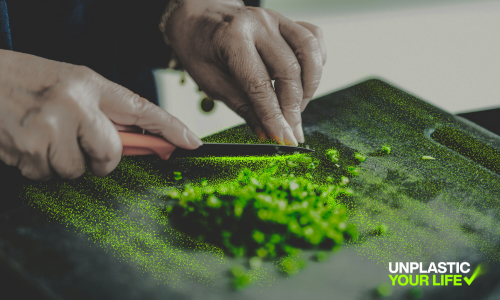
Plastic isn't just an environmental crisis — it's in our brains, our blood, and our unborn children, driving rising chronic illness and threatening fertility for millions of hopeful couples. Netflix's documentary The Plastic Detox exposes this hidden health emergency, following six couples as they strip plastic from their homes in an emotional, solution-driven story that turns a global issue into a personal wake-up call.
The Oceanic Preservation Society's Unplastic Your Life campaign builds on the film's release to raise awareness and drive action, aiming to:
Increase public awareness of the health consequences of routine plastic exposure
Promote safe, accessible alternatives for everyday household items
As a part of this campaign, OPS partnered with Conspirators (a leading creators for impact agency) to bring plastic health awareness directly to target audiences online. Together, these teams developed a unique strategy for inspiring authentic creator content about The Plastic Detox and the Unplastic Your Life campaign. We sought to partner with creators who cared deeply about uncovering the impacts of toxins on our lives; to make this issue personal – fertility, wellness, food, and family health – and to provide followers with simple, effective steps to reduce plastic and chemical exposure.
Instead of simply sending the film screener and a brief to creators as expected, Conspirators wanted creators to have real-world experience with a plastic detox. The Plastic Detox works because six real couples test their homes and their bodies, then change both. We built our creator relationships the same way. Prior to recording their videos, each creator received an Exposure Test Kit from Million Marker and a 1:1 consultation with a scientist to help them understand their results. Creators weren't relaying our talking points; they were reacting to their own results, exactly as the film's participants do.
Six content creators joined the campaign, cast for their storytelling prowess and personal connection rather than climate credentials:
We gave creators a concept, not a script. Working with each one, Conspirators found the angle that connected the film to their own audience – solution-driven, relatable, true to their voice, whether that meant humor or heart. The only ask: make it personal, and give followers real steps to cut their plastic exposure.
We set guardrails instead of talking points: disclose properly, skip the medical advice, don't shame brands or consumers, and lead with empowerment over fear. Expert support and an FAQ meant no creator had to guess on the science.
Each creator posted 1-2 videos with story reshares pointing to Unplastic Your Life (home of The Plastic Playbook, room-by-room guides, and vetted product picks). A ManyChat mechanic let followers DM for the toolkit, so the ask lived right in the comments.
None of this ran in isolation. It was one piece of a coordinated push – hundreds of NGOs, brands, and advisors promoting the film alongside top-tier press – so anyone who saw the story once saw it again from someone they trust.
The participating creators published 11 videos across Instagram, TikTok, YouTube, and Facebook (23 total posts) resulting in 13.1 million views and 492,000 engagements – with high engagement storytelling tied to personal health. 131,000 of those engagements were saves or shares: the behaviors that matter for a campaign asking people to change what's in their homes.
The program delivered a blended cost-per-view of $0.01 inclusive of agency fees, against category benchmarks of $0.06 to $0.34. For a nonprofit impact budget, that is the difference between a launch-week push and a repeatable model. And our breakout, Itay Shechter, drew 12 million views and produced the second most-viewed YouTube Short of his career.
Audiences did not stop at awareness, they actively sought solutions. Campaign-wide, creators drove 225,000+ visits and 4,000+ downloads of The Plastic Playbook in one month.
Against our own objectives: creators who care deeply about the impacts of toxins on our lives made this issue personal and gave followers simple, effective steps to reduce their exposure at home.