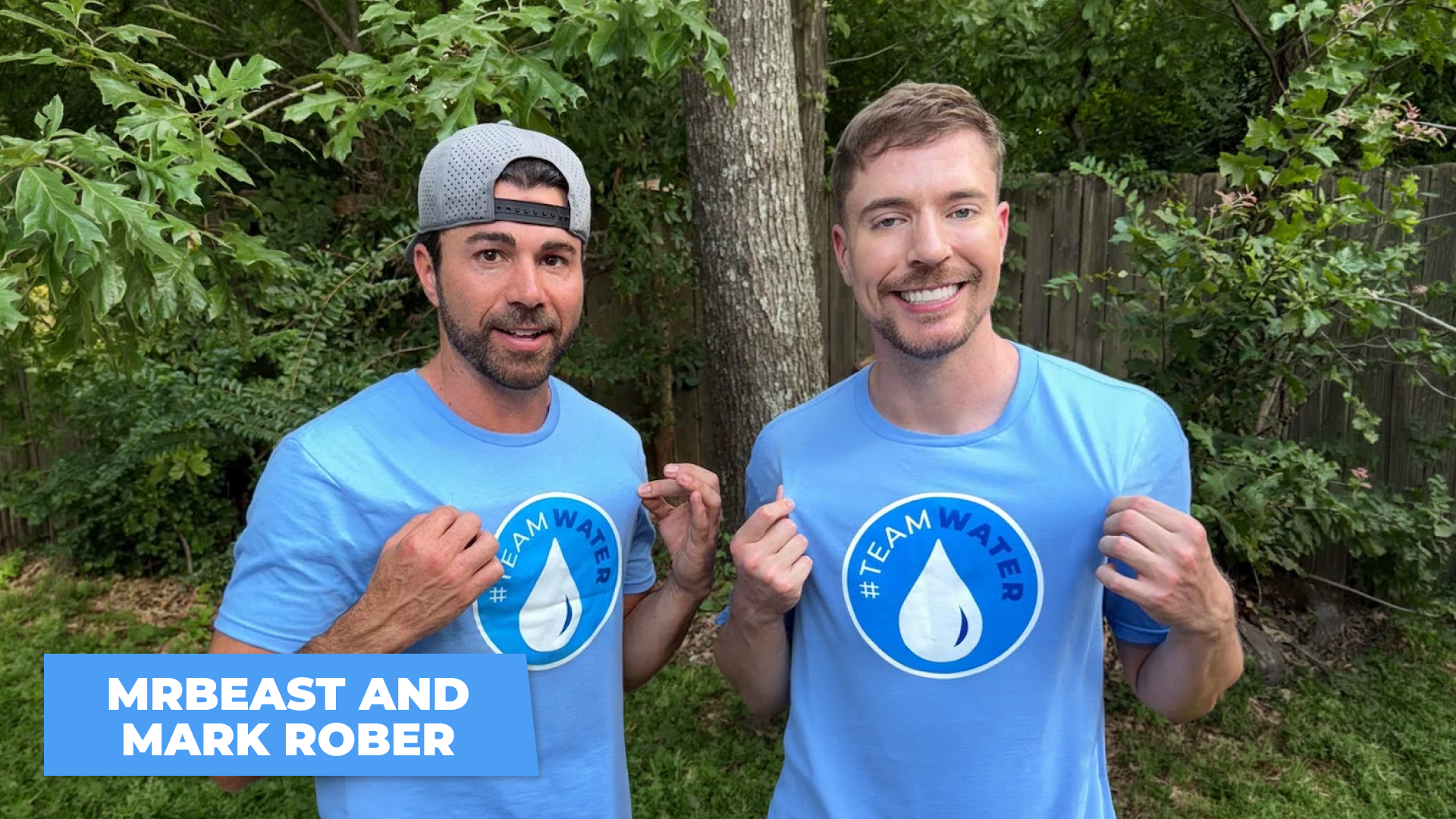
The global water crisis affects more than two billion people, yet remains largely invisible to the younger audiences most capable of amplifying social movements online. When MrBeast and Mark Rober launched #TeamWater in August 2025 with the goal of raising $40 million to bring clean water to two million people, the campaign quickly spread across YouTube and social media. But one of the world's largest audiences remained largely untouched: gamers.
The challenge wasn't awareness, it was relevance.
Fortnite players weren't going to leave the games they loved to participate in a creator-led fundraising campaign. To reach them, the campaign itself needed to become part of gameplay.
PowerUP, Meta4 Interactive's Native Playable Experience (NPX) platform, was engaged to solve this problem by fundamentally rethinking how causes can exist inside games. Rather than interrupting gameplay with advertising or asking players to visit a branded destination, PowerUP transforms brands and causes into native gameplay mechanics that creators can seamlessly integrate into the games millions of players already choose to play.
Our objectives were to:
Success would be measured not simply through impressions, but through voluntary player participation: gameplay interactions, hours played, water droplets collected, user-generated content, earned media value, and overall campaign reach.
PowerUP was built around a simple belief: players don't want advertising inside games, they want better gameplay.
Traditional marketing interrupts experiences. PowerUP reverses that model by transforming brands and causes into mechanics players voluntarily interact with while playing. Instead of asking millions of players to discover a campaign, the campaign becomes part of the games they are already playing.
For #TeamWater, this meant creating a scalable, playable media framework rather than a single branded experience.
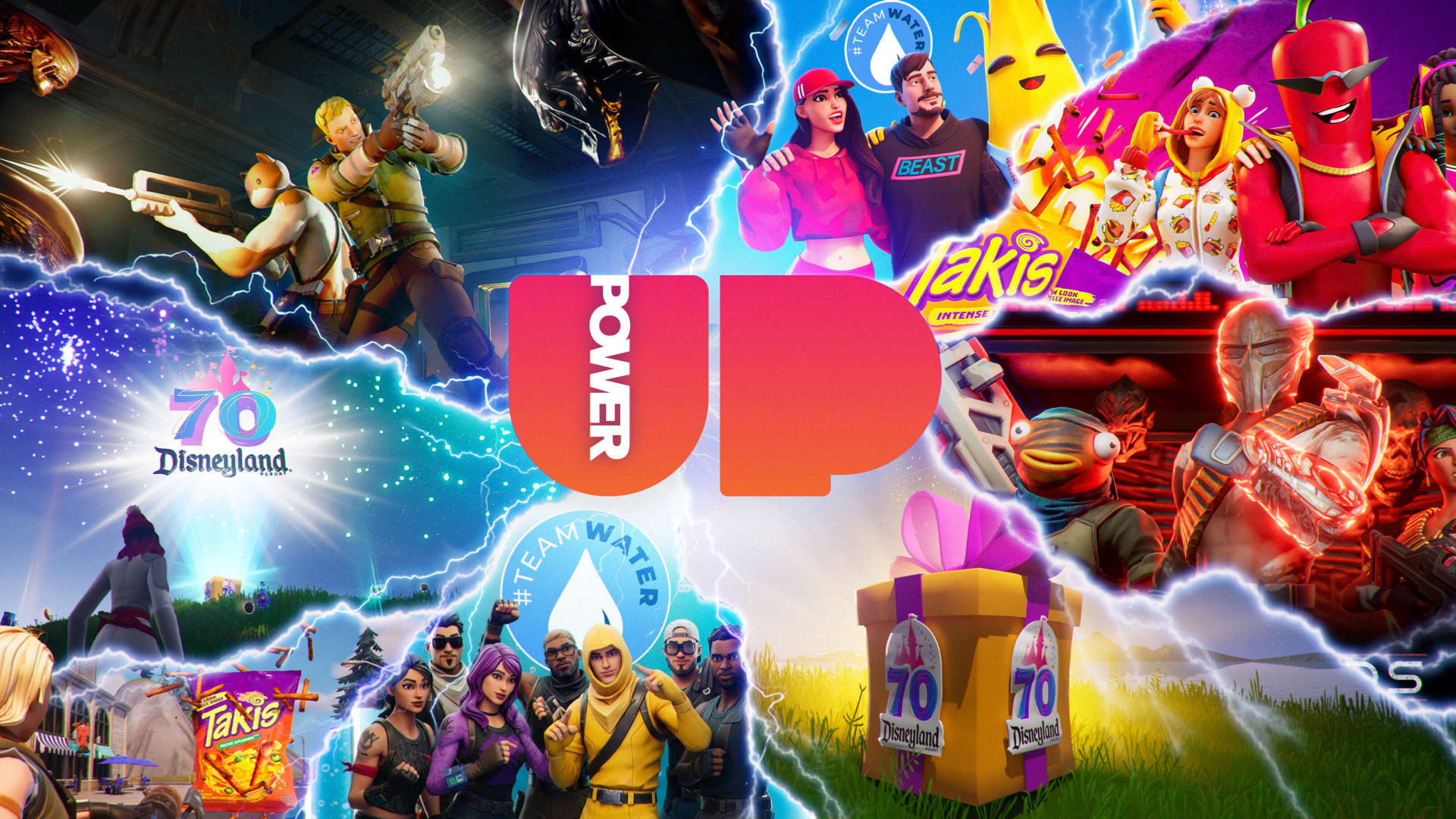
Working independently within Unreal Editor for Fortnite (UEFN), without sponsorship from Epic Games, PowerUP developed a modular toolkit that could be rapidly deployed across creator-built islands while preserving each creator's unique gameplay experience. More than twenty of Fortnite's leading creators adopted the technology, allowing the campaign to reach millions of players without requiring them to leave their favourite games.
The platform consisted of three integrated gameplay systems.
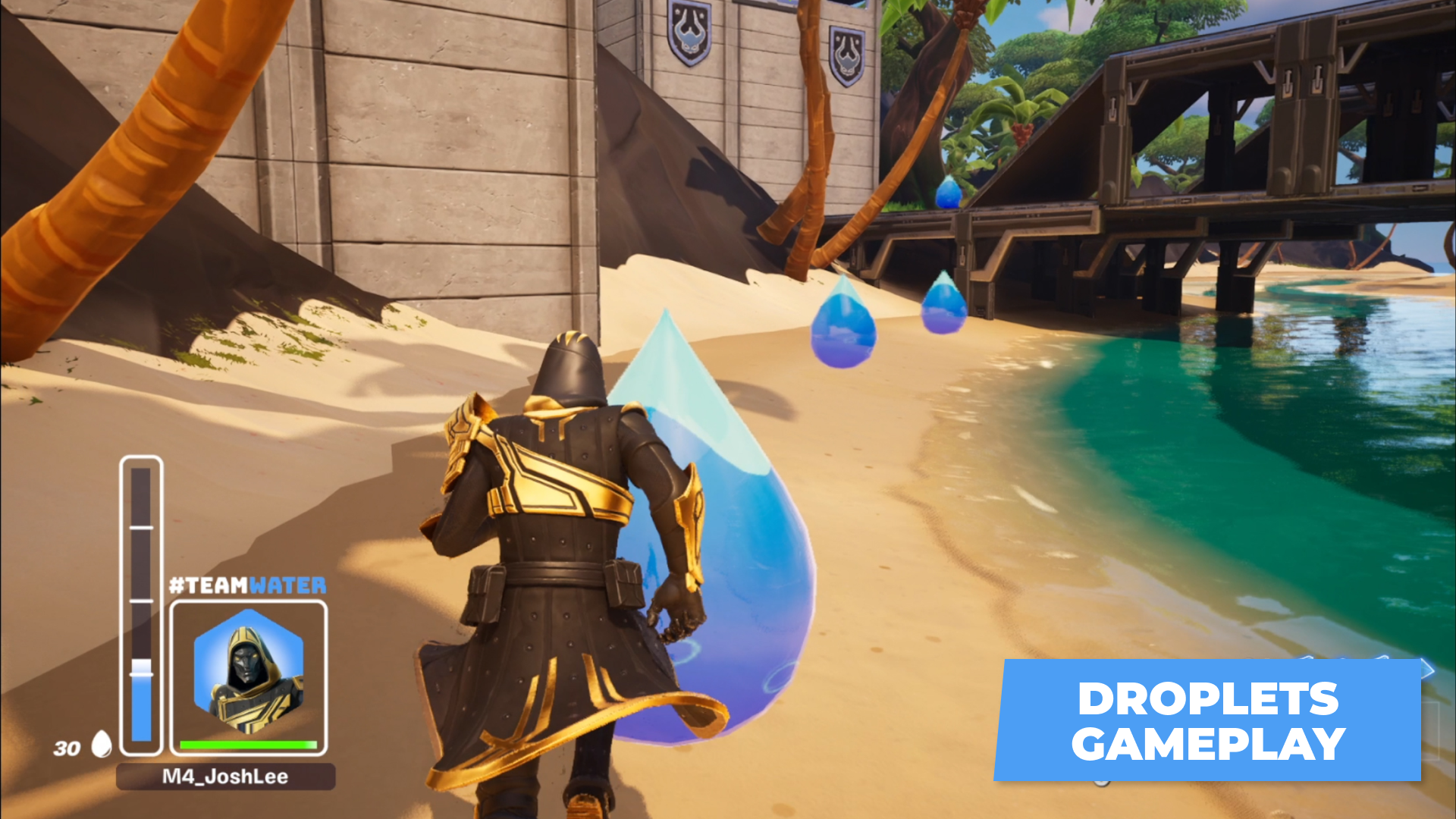
Water Gauge PowerUP
PowerUP reimagined Fortnite's familiar shield mechanic as a water collection system. Players collected glowing water droplets throughout gameplay to replenish health while unlocking rewards at 25%, 50%, 75% and 100% completion. Every drop reinforced the campaign's core message: clean water sustains life.
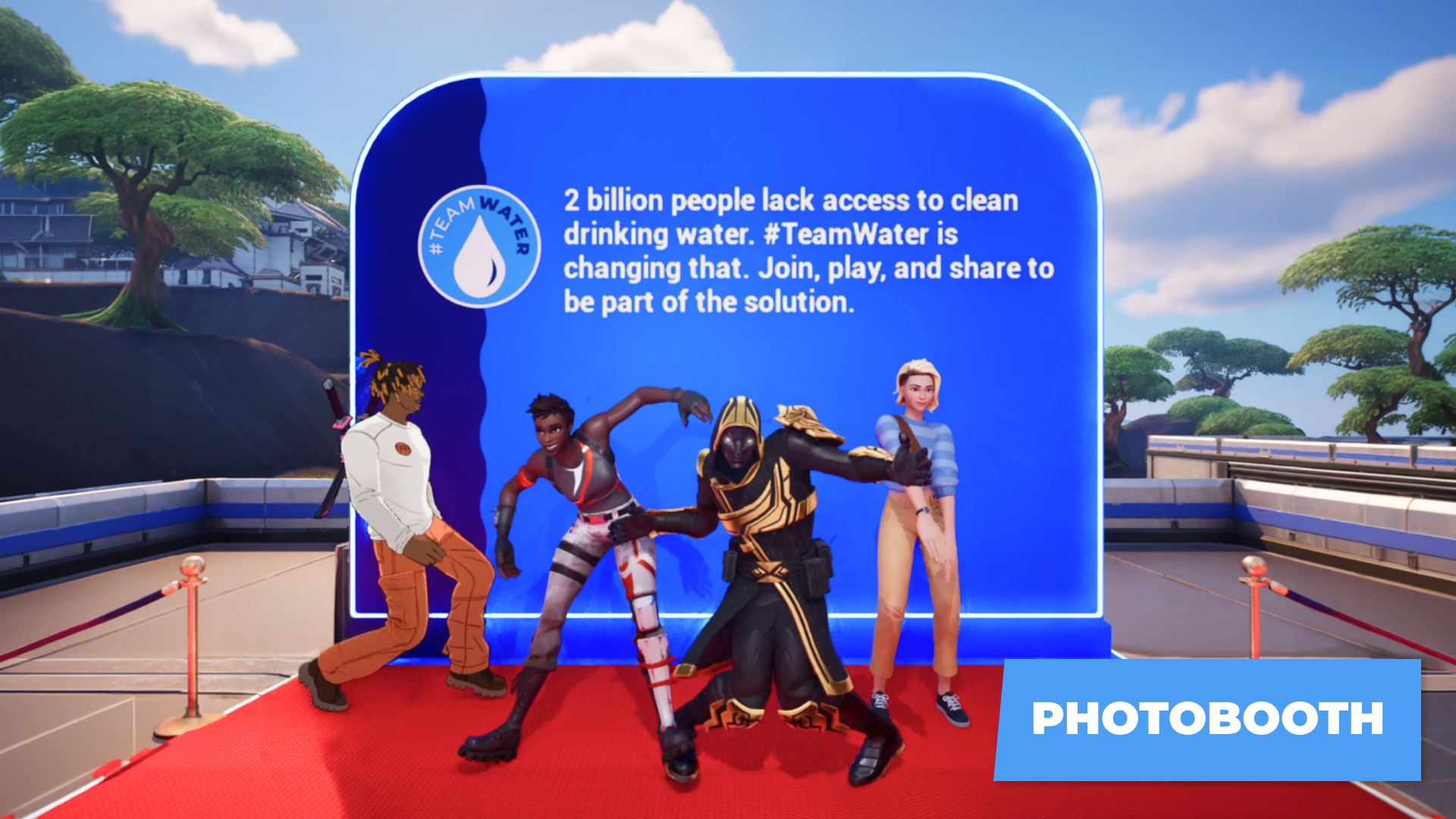
#TeamWater Photobooth
Interactive selfie stations allowed players to capture branded in-game photos and voluntarily share their support across social media, extending the campaign beyond Fortnite through authentic user-generated content.
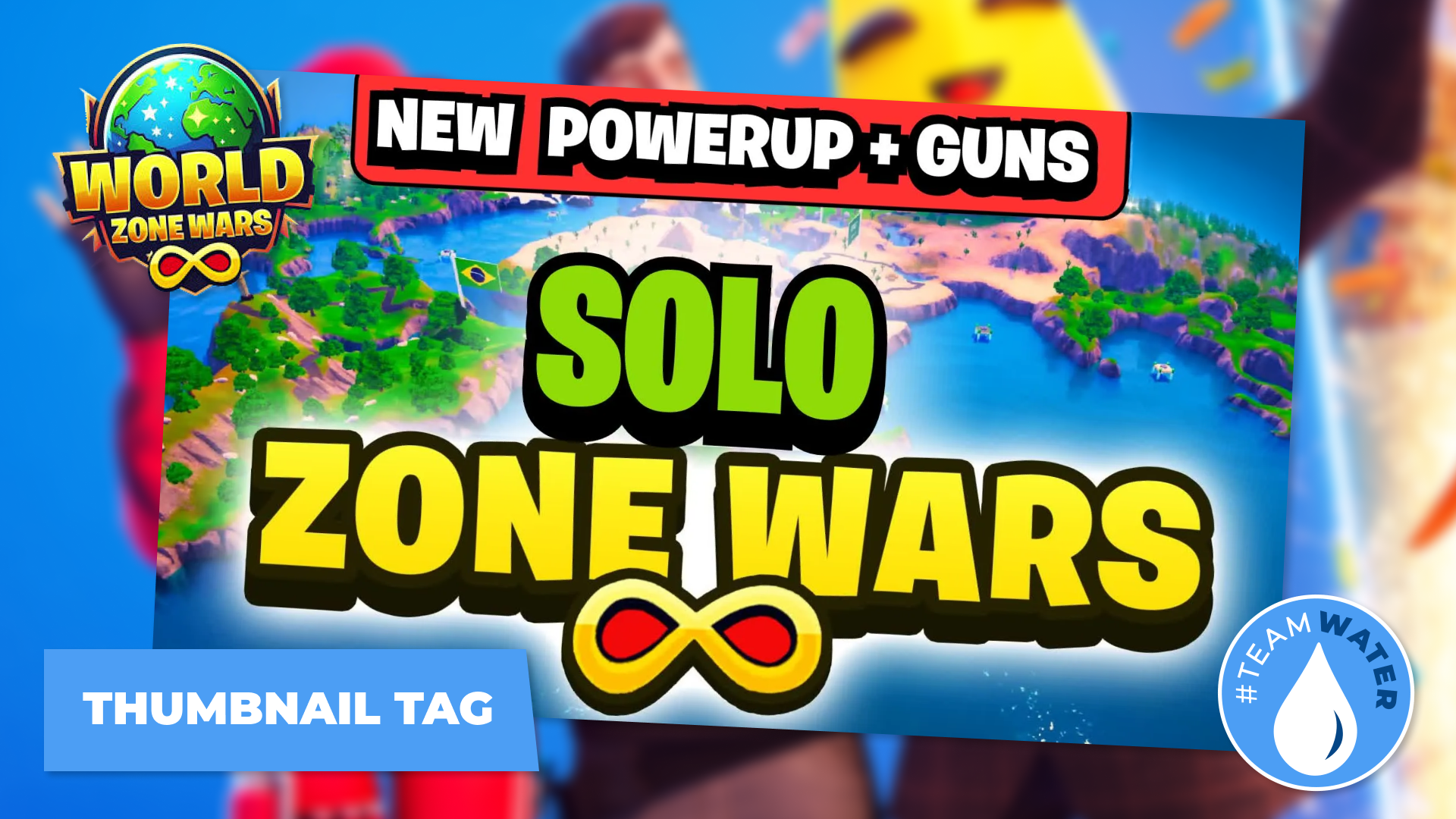
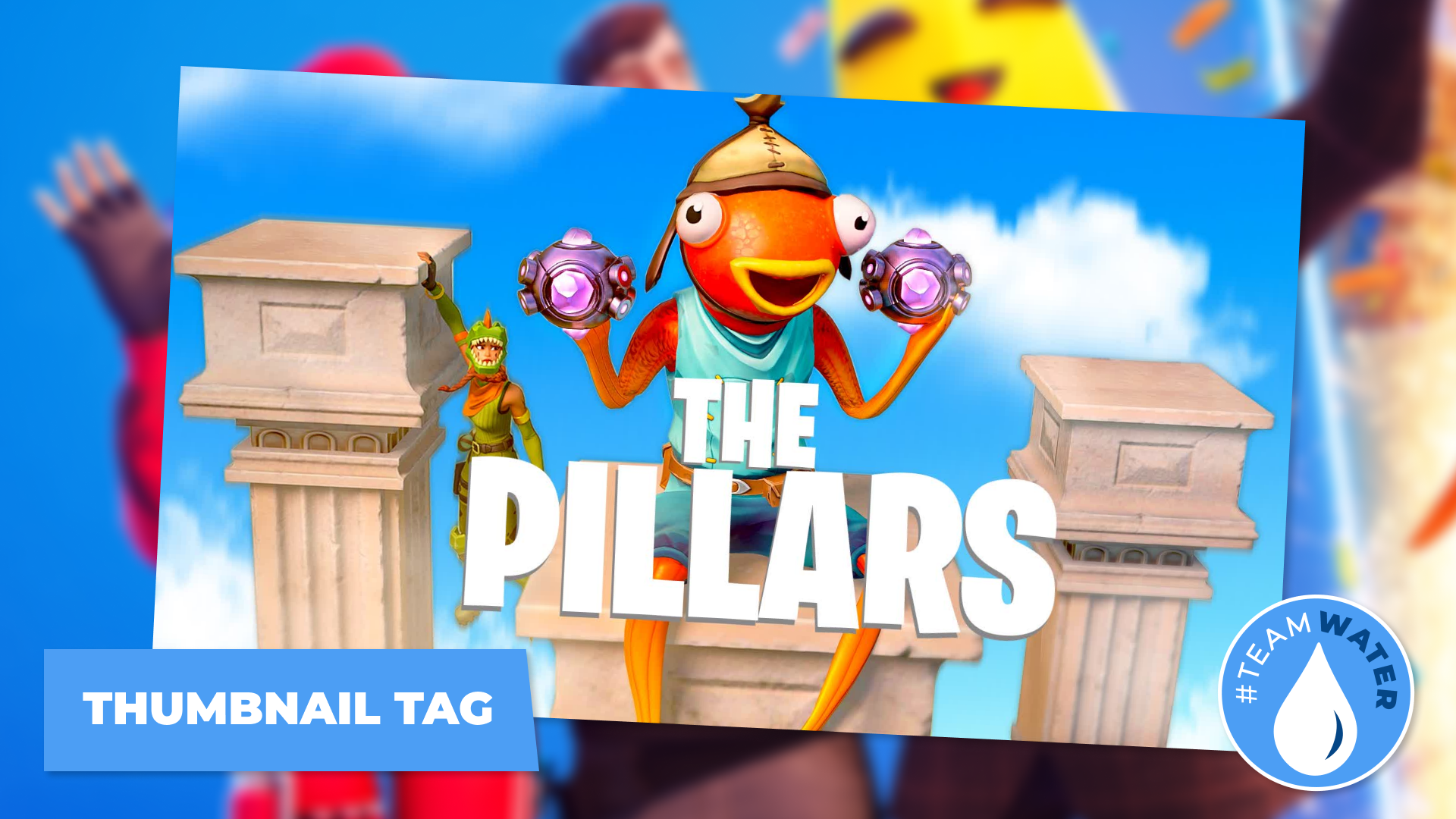
Campaign Visibility Layer
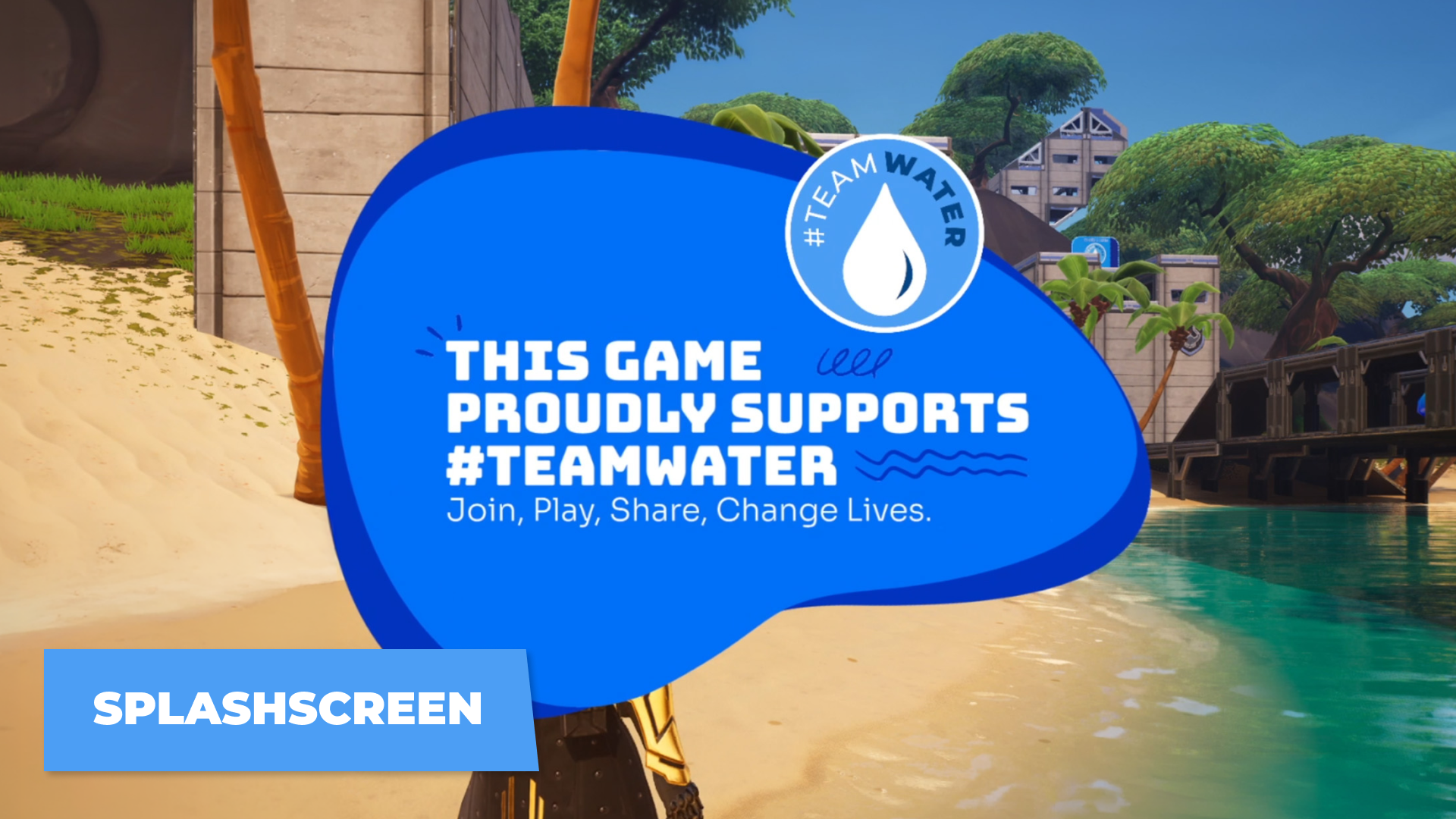
Custom splash screens and creator island thumbnail tags ensured every participating experience communicated the campaign before gameplay even began creating immediate recognition while remaining native to the Fortnite ecosystem.
The greatest challenge wasn't technical, it was behavioural.
Fortnite prohibits external fundraising links and traditional calls-to-action inside experiences. Rather than treating this as a limitation, PowerUP redesigned participation itself. Players didn't donate because they clicked an advertisement; they participated because the campaign became meaningful gameplay.
Equally challenging was deploying the experience across more than twenty independent creator ecosystems within a compressed campaign timeline. The modular architecture enabled rapid implementation while allowing every creator to preserve the identity of their own game.
Rather than building one destination experience, PowerUP transformed an entire creator ecosystem into a unified movement, demonstrating a scalable new model for how brands and nonprofits can reach gaming audiences through participation instead of interruption.
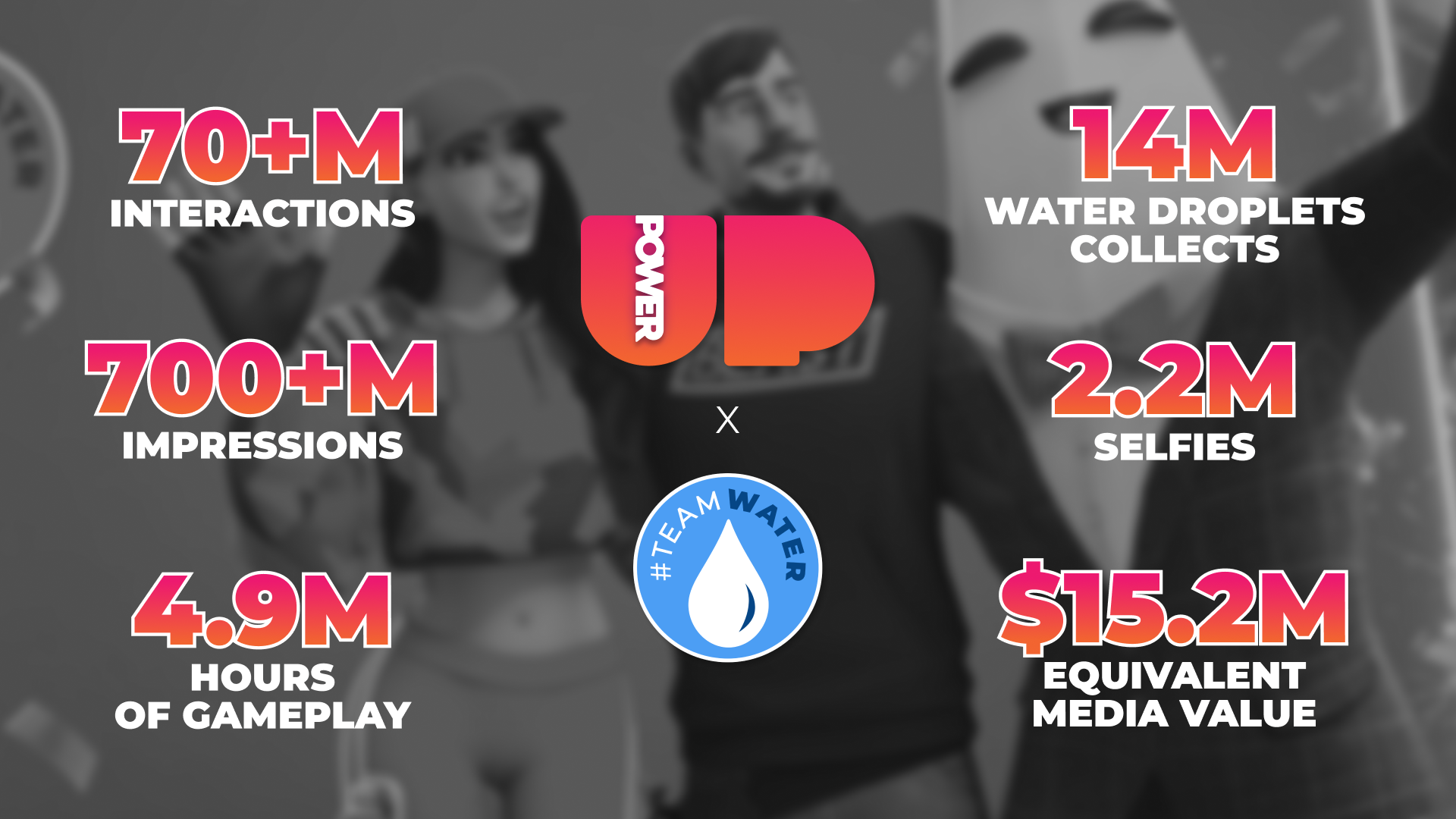
The #TeamWater Fortnite PowerUP exceeded every objective established at the campaign's outset. Across 31 days and 20+ maps, the activation generated 70 million total interactions, 700 million impressions, and 4.9 million hours of gameplay.
Beyond the scale of the numbers, the campaign successfully transformed awareness within the gaming community into participation. The 14 million water droplets collected represented 14 million voluntary in-game interactions with mechanics designed to reinforce the real-world value of clean water. Rather than passively viewing a message, players actively engaged with the campaign through repeated actions tied directly to its mission.
The 2.2 million photobooth selfies reflected millions of players choosing to publicly associate themselves with the #TeamWater movement, extending the campaign into social feeds worldwide through organic, user-generated content.
The $15.2 million in equivalent media value achieved without Epic sponsorship, further demonstrated that gaming can be a powerful platform for humanitarian impact. Rather than interrupting, the #teamwater PowerUP transformed participation into advocacy. By engaging millions of gamers, developers, and influencers with a global issue through the simple act of meaningful play, we established a new model for how nonprofits can reach younger audiences at scale within the world's largest gaming communities.
The #TeamWater PowerUP was one component of the broader #TeamWater initiative, which mobilized more than 10,000 creators and influencers across 144 countries and raised $41 million to bring clean water to approximately two million people worldwide. This wider campaign was recognized as PR Week’s 2026 Global Influencer Campaign of the Year.