The big challenge we face today is that play is being squeezed out of childhood in mordern world.
Research shows that 62% of children today are less likely to play outside than their baby-boomer grandparents, while 1 in 5 children say they have no safe space to play. This is due to a number of factors, including urbanization, climate change, pollution, smartphone upbringing and an unprecedented culture of ‘safetysim’ in parents globally.
For International Day of Play 2026, UNICEF wanted to move parents and caregivers beyond simply knowing that play is important. The objective was:
The idea driving Open to Play was: make play feel less like an abstract child-rights message and more like something joyful, achievable and culturally relevant in everyday life.
To do that, UNICEF strategically partnered with six creators across Italy, India, Kenya, Canada, Mexico and Brazil, each using their own creative language, audience understanding and cultural context to interpret the same challenge.
The campaign was designed around a simple behaviour journey:
1. Feel 2. Try 3. Share 4. Advocate.
We wanted parents to first recognize the joy and value of play, open their homes and communities to more play ideas, share those ideas with others, and ultimately care more about protecting safe spaces for children in their homes and communities.
We strategically chose a creator-led model because the challenge required more than awareness: it required trust, cultural relevance, participation and access to audiences beyond UNICEF’s own channel.
That choice was based on how social behaviour is changing. Deloitte found that 83% of consumers see the influencers or creators they follow as trusted sources of information, while TikTok’s 2025 trend report argues that brands increasingly need to work with creators and communities to build culturally relevant content rather than simply broadcast messages.
For International Day of Play, that mattered enormously.
Play is universal, but the way people remember it, joke about it, practice it and experience it culturally is not. Creators allowed UNICEF to enter new audiences through voices they already knew, using formats and cultural references that already felt familiar rather than asking audiences to adapt to institutional communication.
So Open to Play was designed creator-first.
Creator selection
For a truly global feel, we selected six creators across Italy, India, Kenya, Canada, Mexico and Brazil, deliberately spanning Europe, Asia, Africa, North America and Latin America. These were also highly active social markets: India alone had 491 million social media user identities in early 2025, Brazil had 141 million Instagram users, and TikTok’s adult reach stood at 85.4 million in Mexico and 15.1 million in Kenya.
Selection was based not on follower count alone, but on creative fit, audience fit, cultural relevance, values alignment and the distinct role each creator could play.
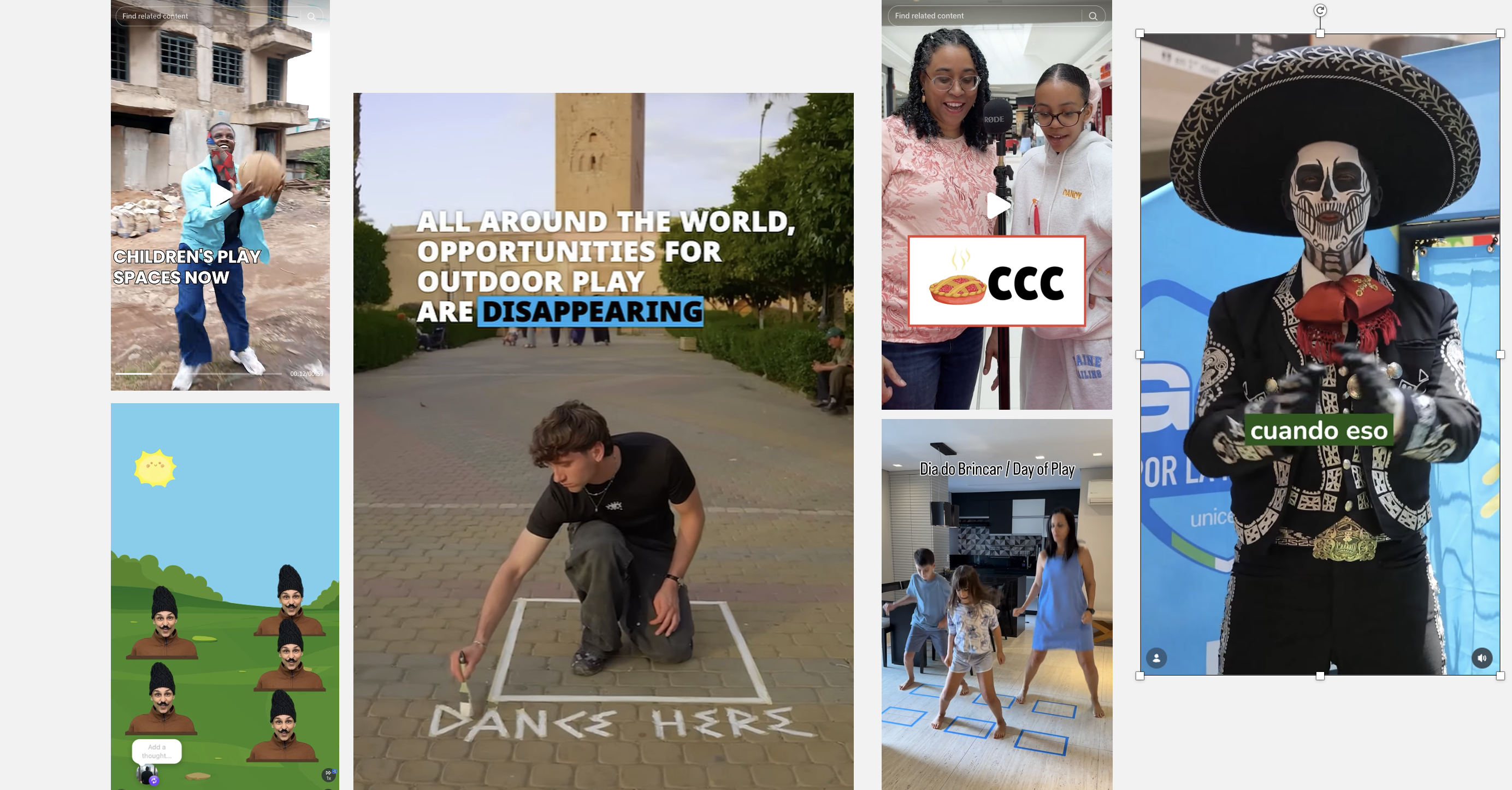
We went with Greg Goya(Italy), Avneesha Delulu(India), Crazy kennar(Kenya), The Ezz Show(Canada), Atividades para Brincar(Brazil) and Soyelcharromexican (Mexico)
We intentionally combined programme-native creators, such as Atividades para Brincar, whose content already centered on practical play;
family-aligned creators, such as The Ezz Show;
and strategic outliers, including artist Greg Goya, comedian Crazy Kennar and character creator Avneesha Delulu, who could take the issue into new creative and audience spaces.
Each received the same challenge: How can we open more of everyday life to play?
UNICEF established the purpose, child-rights message and safeguarding guardrails. The creators owned the storytelling.
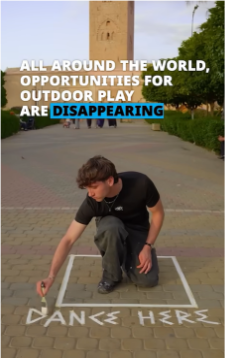
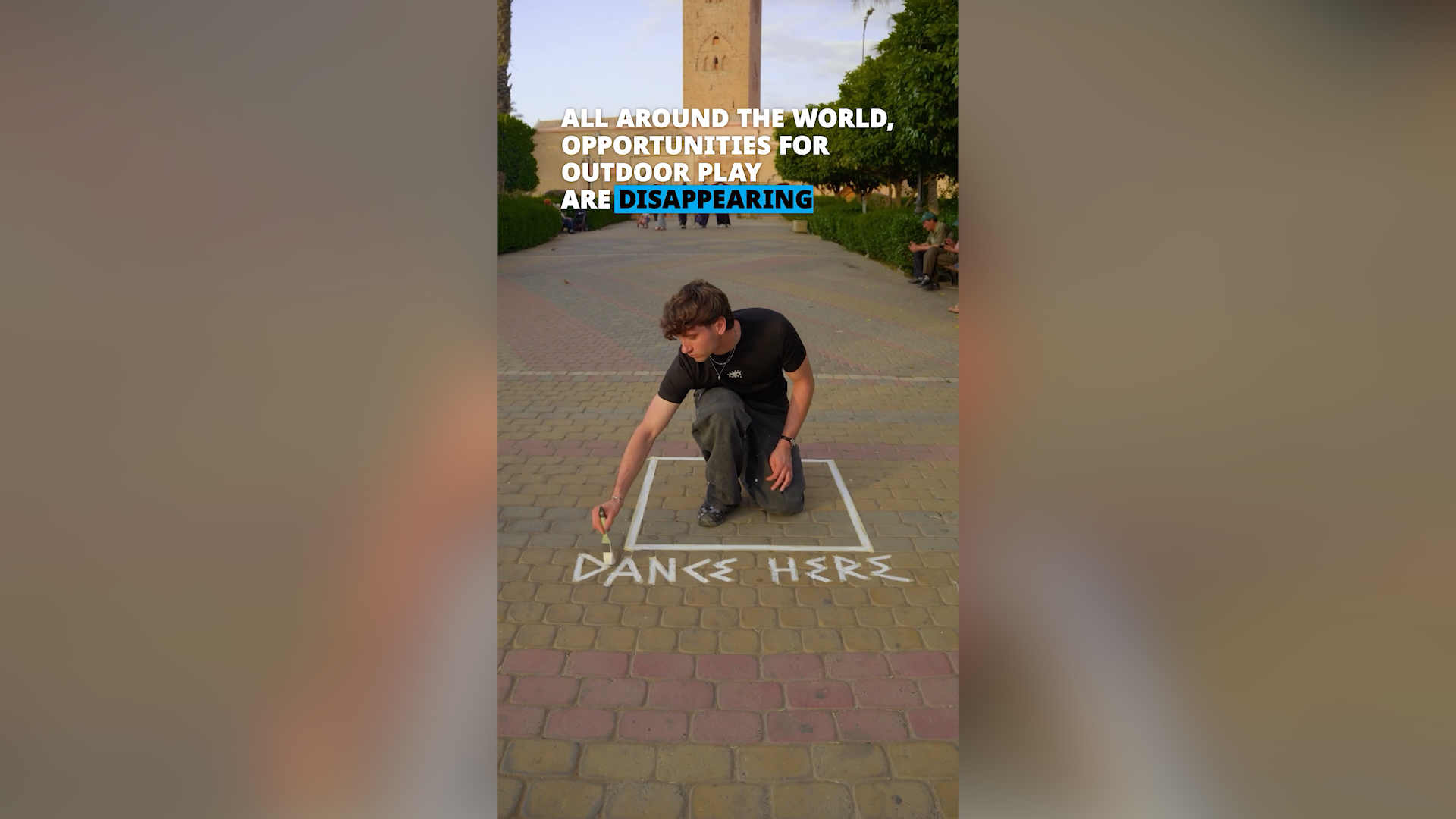
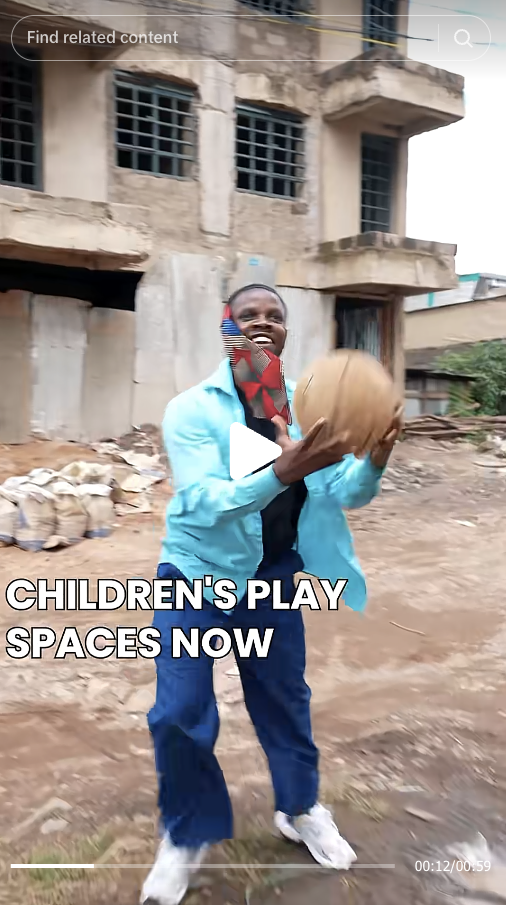
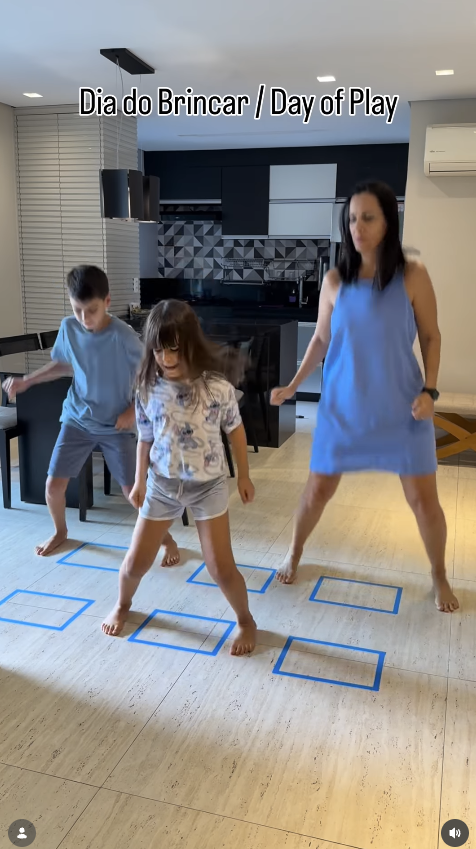
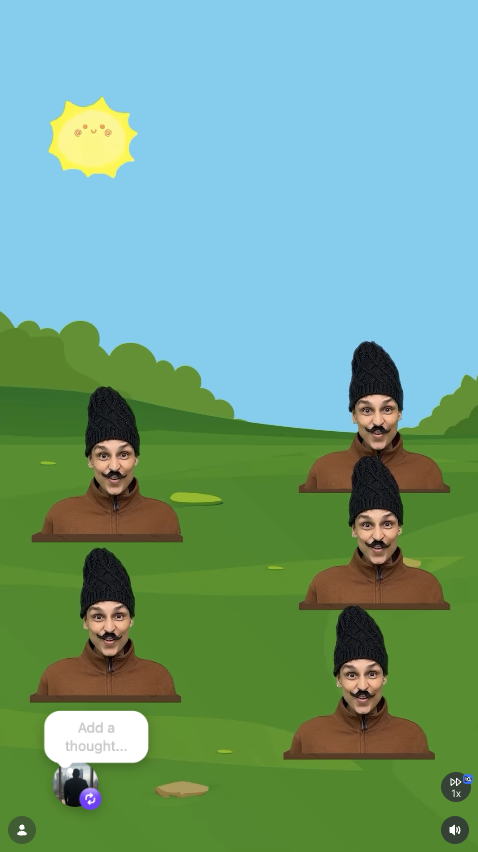
That produced six distinct but connected executions: Greg turned city streets into invitations to play; Avneesha used nostalgic Indian humour; Crazy Kennar used physical comedy and escalating absurdity to dramatize the disappearance of spaces for play; Ezz show made audiences solve cognitive play quizzes; El Charro brought Mexican cultural personality into a UNICEF activation; and Atividades para Brincar demonstrated simple games families could recreate immediately.
The six contents designed were around 3 behaviours natural to short-form social media:
Low explanation + high visual comprehension, participatory storytelling and Info-tainment.
Key Challenge
The key challenge was reconciling institutional approval processes with creator workflows. We responded by separating genuine non-negotiables such as child safeguarding and factual accuracy from subjective creative preference, protecting the creator voice while retaining UNICEF standards.
Distribution
Our distribution approach was to use Creator channels as primary reach and UNICEF Global and country/regional channels for amplification and authority with a timeline of June 11 to promote International Day of Play 2026.
Open to Play met its objectives by moving beyond awareness and giving families content they could feel, try, share and advocate around.
The six creators demonstrated the behaviours the campaign set out to inspire: turning streets, homes, public spaces, memories, puzzles and ordinary family moments into opportunities for play. Organic social comments showed parents and caregivers remembering their own childhood play, tagging other families, discussing activities they wanted to try and reflecting on the need for safer spaces for children to play.
The campaign also expanded UNICEF beyond its owned audiences, carrying the important play message through trusted voices, familiar cultural references and creator-native formats across six countries and five regions.
The campaign did not simply tell people that play matters; it made play visible, relatable and actionable in everyday life.