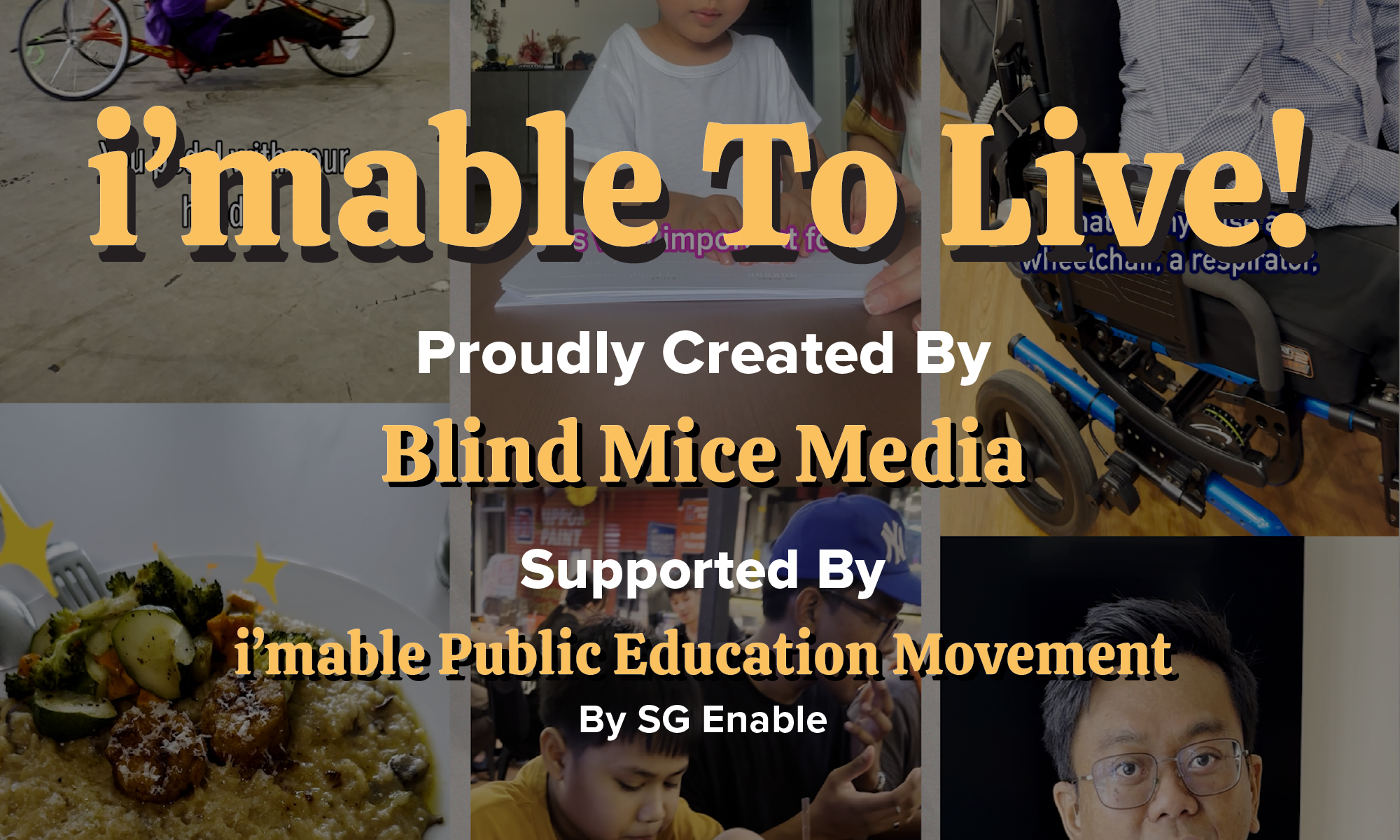
The “i’mable To Live” campaign is a disability awareness social media campaign built around two key objectives: creating a safe space for conversations around disability, and bridging the gap between disabled and non-disabled communities. Through relatable and honest content, the campaign aimed to promote understanding, inclusion, and representation while reminding audiences that disability is not only about struggle.
Disability is often represented through the lens of pity or inspiration. While the struggles faced by persons with disabilities are real, these narratives rarely reflect the everyday experiences, humour, friendships, relationships, and personalities within the community. Many people were curious about disability but avoided conversations out of fear of saying the wrong thing.
To address this gap, the campaign focused on authentic storytelling through the voices of real people. Instead of working with established influencers, “i’mable To Live” brought together seven persons with disabilities and caregivers, most of whom had little to no social media presence or online following. This gave them a platform to openly share their lived experiences while advocating for the disability community in their own voice.
Plan of Action:
The public education campaign “i’mable To Live!” was created as a disability-led social media initiative in collaboration with seven persons with disabilities and caregivers with little to no social media presence. The goal was to shift disability narratives away from stereotypes and toward authentic, lived experiences, educating the public about what life is truly like living with a disability.
We intentionally designed the campaign to be co-created, ensuring each micro-influencer was an active storytellers rather than subjects. A large ideation process was conducted, generating over 120 content ideas based on real-life experiences and challenges.
Short-form video was the medium of choice as it presented the highest amount of potential engagement, and opportunities for personal storytelling.
Execution:
From the 120+ ideas, we carefully selected 42 short-form video concepts for production. Selection was guided by two principles: (1) Relatability to a general audience, and (2) Personal relevance and significance to each participant’s lived experience. The production team worked closely with each participant to shape how their stories were told.
Key Features of the Campaign:
Challenges Faced and How We Overcome Them:
Overwhelming volume of ideas:
With over 120 ideas generated collaboratively, it was challenging to identify the focus of the campaign. We overcame this by filtering based on impact and relatability while ensuring each participant’s voice was still represented.
Balancing representation and sensitivity:
Every disability experience is unique. We worked closely with each participant to ensure their stories were represented accurately and respectfully.
Diverse comfort levels:
Each participant had different levels of comfort in sharing their stories. We adjusted filming styles and pacing to suit individual needs.
What Makes This Work Unique
This project was Singapore’s first disability-led micro influencer campaign to showcase real lived experiences.
We also made a deliberate effort to avoid the common pitfalls of public education content about disability–being overly optimistic, focusing on pity and/or inspiration, and being highly cautious to avoid offending audiences.
Instead, we “broke the rules”–embracing difficult topics, acknowledging the real challenges persons with disabilities faced, yet balancing it out with comedy facilitated by each profile’s unique sense of humour.
We acknowledge to audiences that disability, much like everyday life for all of us, can have both its hardships and funny moments. This deliberate effort bridges awareness and connection by making disability conversations feel natural, relatable, and human. Instead of grim, pitiable, and abnormal.
The campaign achieved its intended goals of raising awareness and shifting perceptions around disability. The campaign’s impact was marked by the survey conducted for PEST viewing.
Reach: Over 20 million impressions, demonstrating strong engagement and widespread visibility across audiences. This level of reach reflects not only interest in the content, but also the relevance of disability narratives.
Survey Responses: A post-campaign survey showed overwhelmingly positive reception.
100% of respondents agreed or strongly agreed that the content motivated them to encourage people around them (e.g. family and friends) to be more inclusive.
100% agreed or strongly agreed that the content helped them recognise that persons with disabilities have abilities, can contribute to society, and are able to have a good quality of life.
92.3% agreed or strongly agreed that persons with disabilities are able to work if given the right opportunities and support, with the remaining 7.7% responding neutrally.
These results indicate a strong receptiveness to the core messaging, particularly around the capability, contribution, and inclusion in everyday society of persons with disabilities.