Nearly half of U.S. adults have high blood pressure, yet about three in four adults with hypertension do not have it under control. The challenge isn’t simply awareness: many people know they have hypertension but don’t understand what “control” means, underestimate the damage happening without symptoms or struggle to prioritize treatment amid the demands of everyday life.
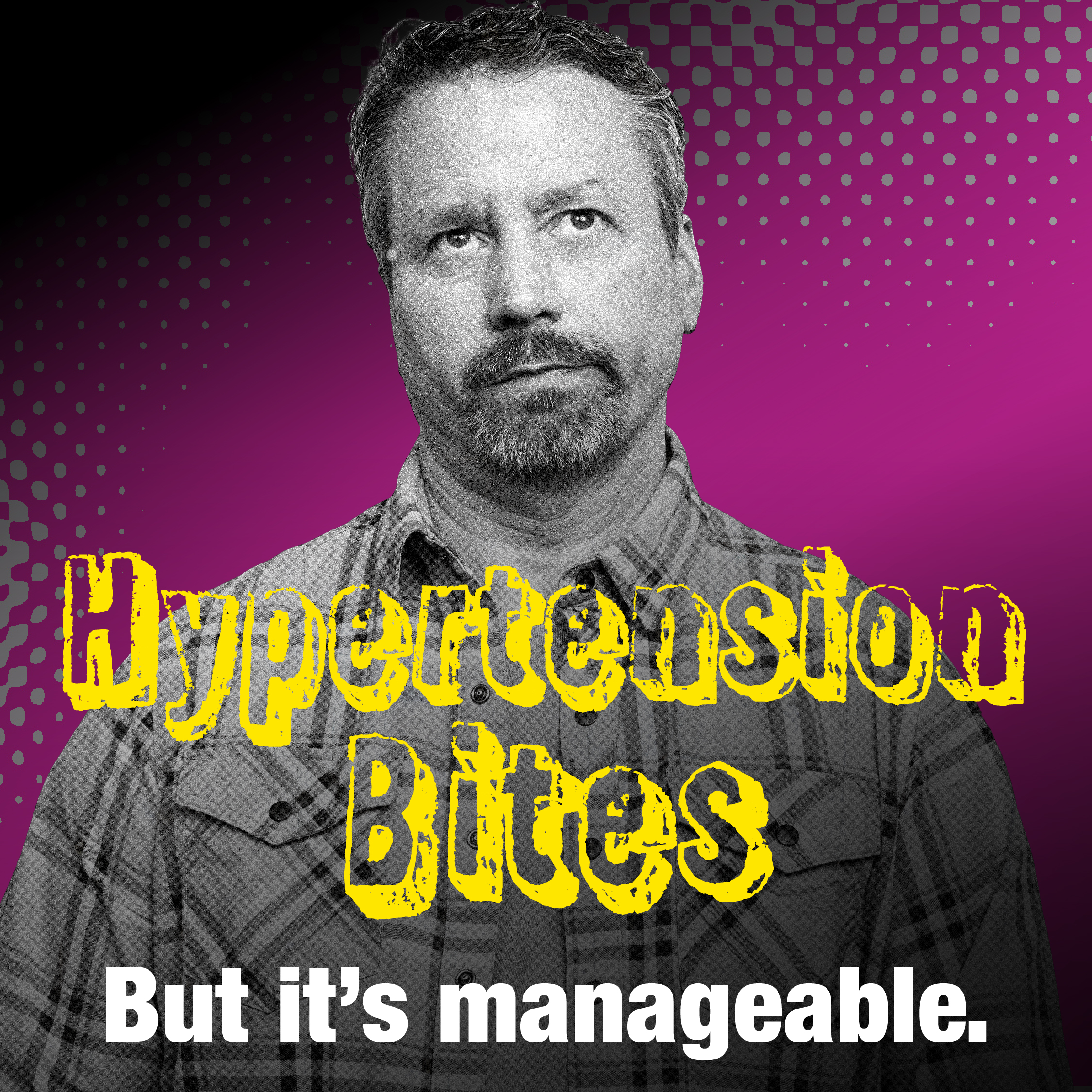
Hypertension Bites, a national public health campaign created by The CDC Foundation and the Hypertension Control Alliance, set out to turn that awareness-action gap into an opportunity for behavior change. Our objective was to empower adults living with uncontrolled hypertension – particularly ages 35–54 – to understand their risk, know and track their numbers, and work with a health care professional to create a personalized blood pressure control plan.
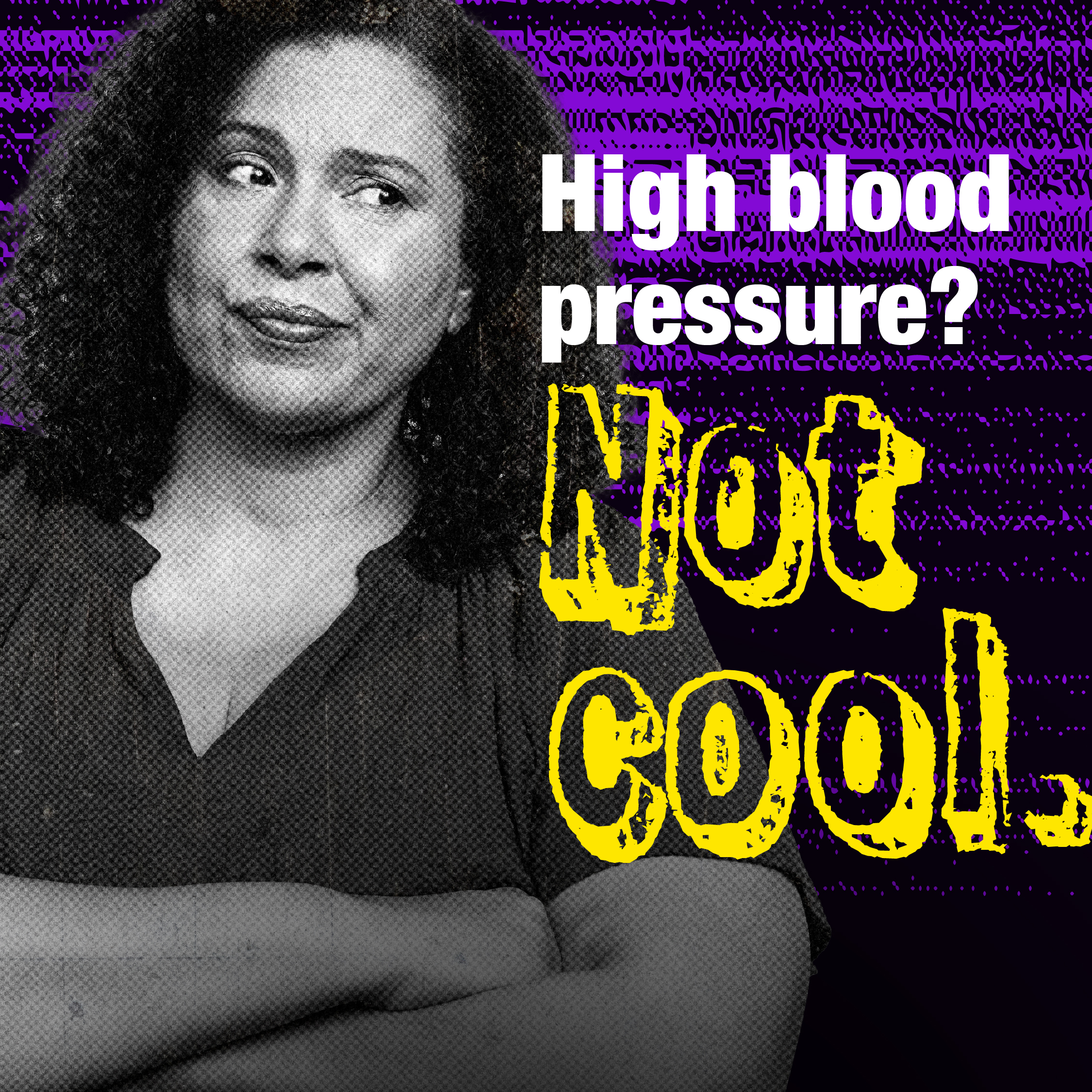
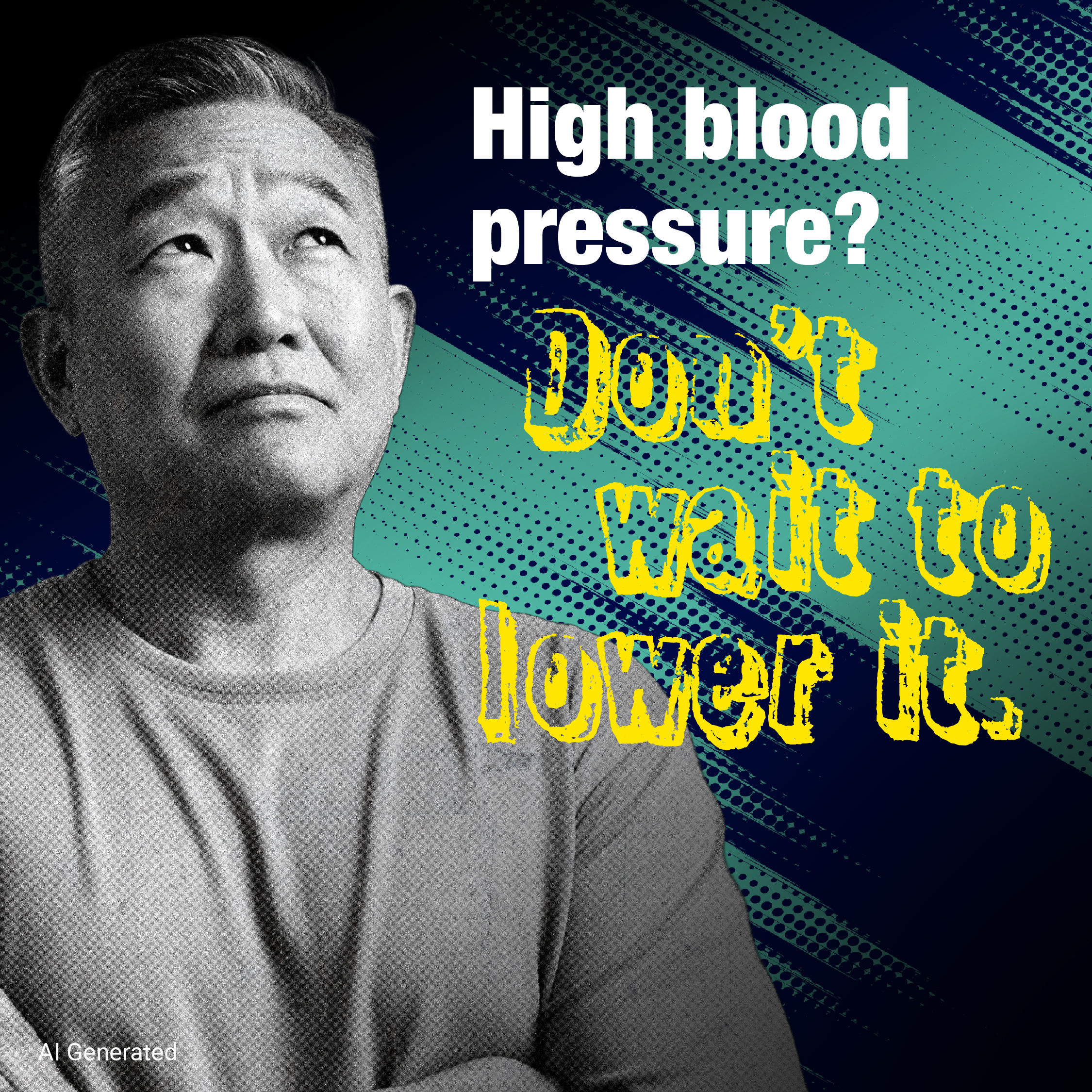
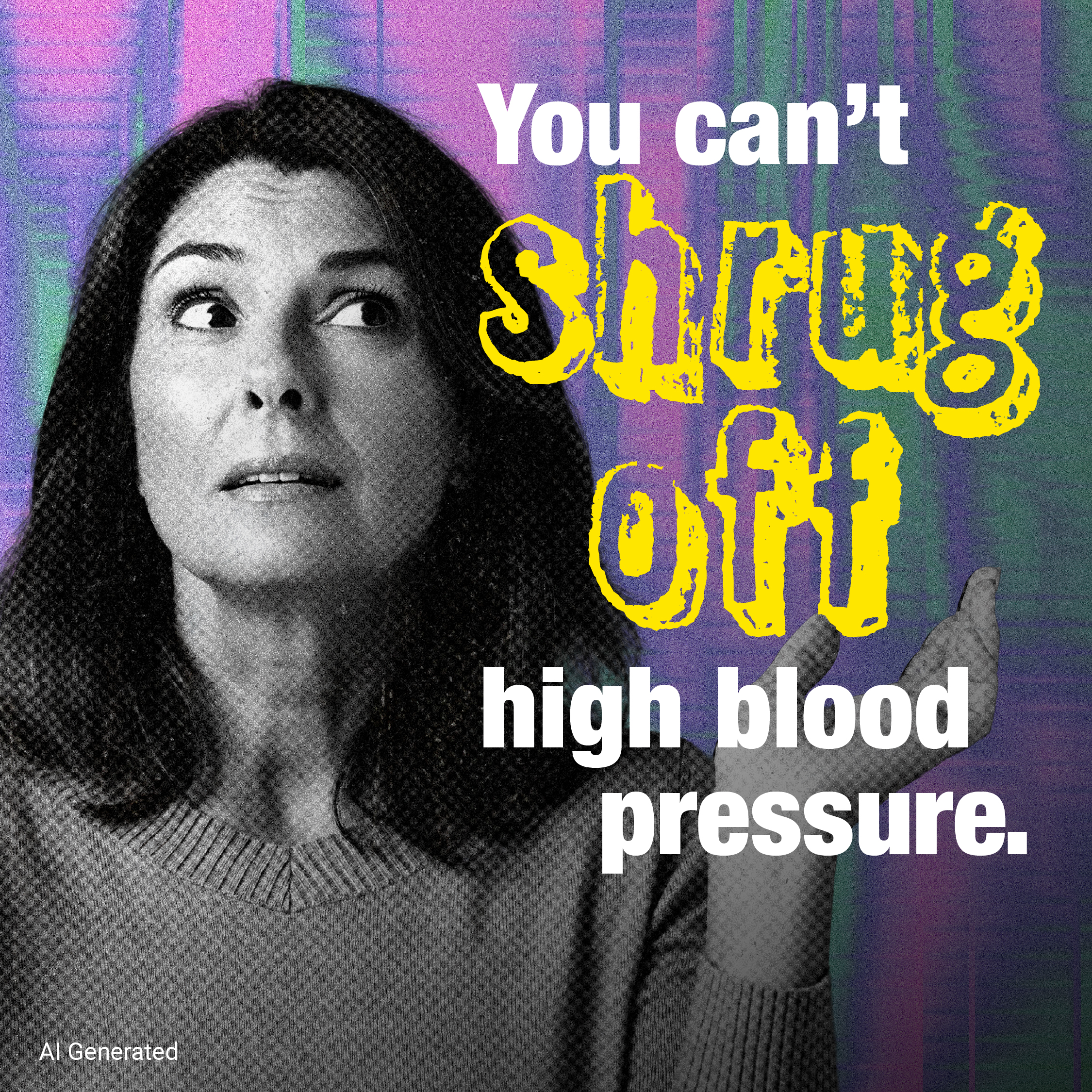
The idea came directly from an audience truth: Gen X and older Millennials have perfected the art of the shrug. Their resilience and ability to “not sweat the small stuff” helps them manage careers, families, caregiving and stress, but can become dangerous when applied to a symptomless condition quietly damaging their health. So, we turned a generational superpower on its head: there’s plenty in life you can shrug off. Hypertension isn’t one of them.
Paid media was designed to transform that culturally resonant wake-up call into action: first building awareness and engagement, then retargeting interested audiences and driving them toward tools and resources to help make a control plan.
We built paid media as a journey, not a megaphone.
Research showed our audience was digitally active but frequently overwhelmed by hypertension management. Instead of relying on clinical imagery and institutional health language, Hypertension Bites borrowed from the bold visual culture and irreverent attitude of the 1990s—expressive typography, saturated graphics, collage-inspired design and the familiar Gen X “whatever” shrug—to make a serious public health message feel culturally relevant rather than judgmental.
Before launch, we tested the work with 386 adults with diagnosed but uncontrolled hypertension. The campaign name resonated with 79%; social assets were rated attention-grabbing by up to 81%; and the video storyboard scored 79% for attention, 80% for motivation and urgency, and 82% for response efficacy. Critically, 95% said the control-plan message increased confidence that making a plan with a health care professional could help them control their blood pressure. Those insights shaped the creative and messaging audiences encountered in market.
Our paid strategy then moved people deliberately through the funnel. Meta, YouTube, programmatic display/CTV, search and Reddit created complementary touchpoints across awareness, consideration and action. We prioritized adults 35–54 nationally with emphasis in Atlanta, Chicago and Southern Louisiana, using prospecting to introduce the campaign and retargeting to reconnect with people who had already engaged. Creator content from patients, lifestyle voices and health care professionals was amplified through paid social, giving the same core message multiple authentic entry points.
A USA TODAY partnership extended the strategy into trusted branded content. The interactive feature, “Why you can’t just shrug off uncontrolled high blood pressure,” translated campaign messaging into approachable education and offered multiple pathways to continue learning on the campaign site. Promotional media and paid social amplified the experience to adults 35–54.
The biggest executional challenge came from Google’s healthcare advertising restrictions, which significantly limited search delivery. Rather than allow one channel to constrain performance, the team revised copy, diversified delivery and dynamically reallocated remaining investment toward stronger-performing Meta and display tactics. We also continuously optimized based on behavior: retargeting consistently outperformed prospecting; short-form video emerged as the strongest Meta creative; and static display outperformed animated units.
That adaptability made paid media more than distribution. It became a learning system, using every interaction to make the next one more relevant, efficient and actionable.
Hypertension Bites proved paid media could do more than generate impressions for a public health campaign—it could turn an easy-to-ignore “silent” condition into content people actively engaged with and acted on.
The USA TODAY partnership generated 8.7M+ impressions against a 7.8M goal and 99,265 branded-content page views—nearly 3X benchmark. The interactive experience attracted 50,090 unique visitors and 1,055 outbound link clicks, while social amplification generated 1.1M impressions versus a 537K goal and more than 60,000 engagements.
More importantly, exposure changed perceptions. Nielsen’s brand study found statistically significant lifts in Hypertension Bites familiarity (+9 percentage points), affinity (+15 points) and recommendation intent (+15 points). Fifty-five percent recalled the initiative when prompted; 88% rated the content highly, 86% intended to view similar content and 80% intended to share it.
Paid and creator channels converted attention into action. Across two waves for awareness and retargeting, paid media delivered 9.9M+ impressions, 1.3M+ engagements, 1.3M+ video views, and 182K+ link clicks. Creator content added 152K organic impressions and 4.6K engagements, a 3.73% organic engagement rate and more than 6x the 0.6% ER goal.
Meta led performance with a 2.41% CTR, 9.29% engagement rate and 89,176 link clicks; retargeting consistently outperformed prospecting, demonstrating the value of sustained, multi-touch engagement.
For a campaign confronting a disease people literally cannot feel, success meant making hypertension impossible to shrug off—and giving audiences somewhere meaningful to go next. Through June, the website achieved 258K+ views across 213K+ visitors, 600 resource downloads, and ~250 individualized control plans completed.