SeedLabs, the impact and environmental research program of microbiome science company Seed, was founded on the principle of One Health: the recognition that human and environmental health are deeply interconnected.
That belief led to a provocative question: could microbes hold untapped solutions to some of the planet’s most urgent environmental challenges?
Since 2023, SeedLabs has partnered with The Two Frontiers Project (2FP), a nonprofit research organization, to explore that possibility. At the heart of the collaboration is a shared belief that microbes—nature’s original engineers—represent an overlooked frontier for climate innovation. In particular, the team studies ‘extreme’ microbes that have evolved survival mechanisms to flourish in some of Earth’s harshest environments—from volcanic vents to polar ecosystems. Because these areas mirror environmental conditions the planet may increasingly face, including rising temperatures and greater acidification of oceans and soils, these organisms and their adaptations could unlock new approaches to carbon sequestration, ecosystem restoration, and the conversion of greenhouse gases into valuable resources.
In 2025, the partnership set out to advance three goals: discover microbes with climate-relevant traits; expand understanding of how microbial communities can support ecosystem resilience; and build open scientific resources that accelerate future research and collaboration.
The year’s most ambitious expression of that mission took the team to Shikinejima, a volcanic island off the coast of Japan, in search of microbes capable of sequestering carbon and helping corals withstand ocean acidification—testing the idea that some of the answers to the climate crisis may already exist in nature.
The strategy behind the initiative began months before the team set foot on Shikinejima. Researchers across multiple countries coordinated local partnerships, sampling plans, contingency protocols, and the specialized equipment required to conduct microbiological research on a remote volcanic island, including pipettes, sterile-processing supplies, dry ice, and liquid nitrogen. Researchers from the University of Palermo and the University of Tsukuba joined SeedLabs and 2FP in the effort, alongside Shikine Fisheries, whose knowledge of the island’s coastline helped guide access and sampling.
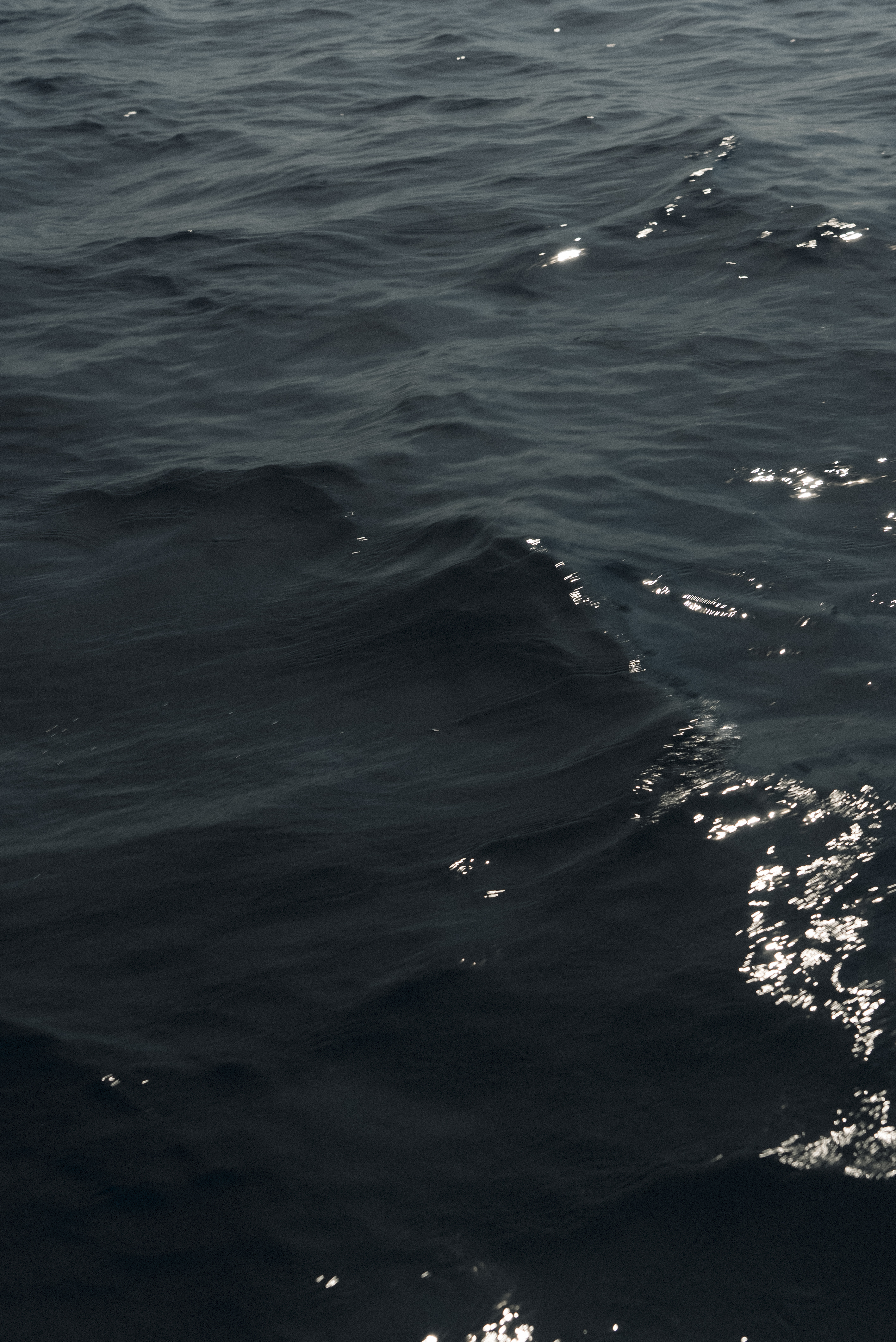
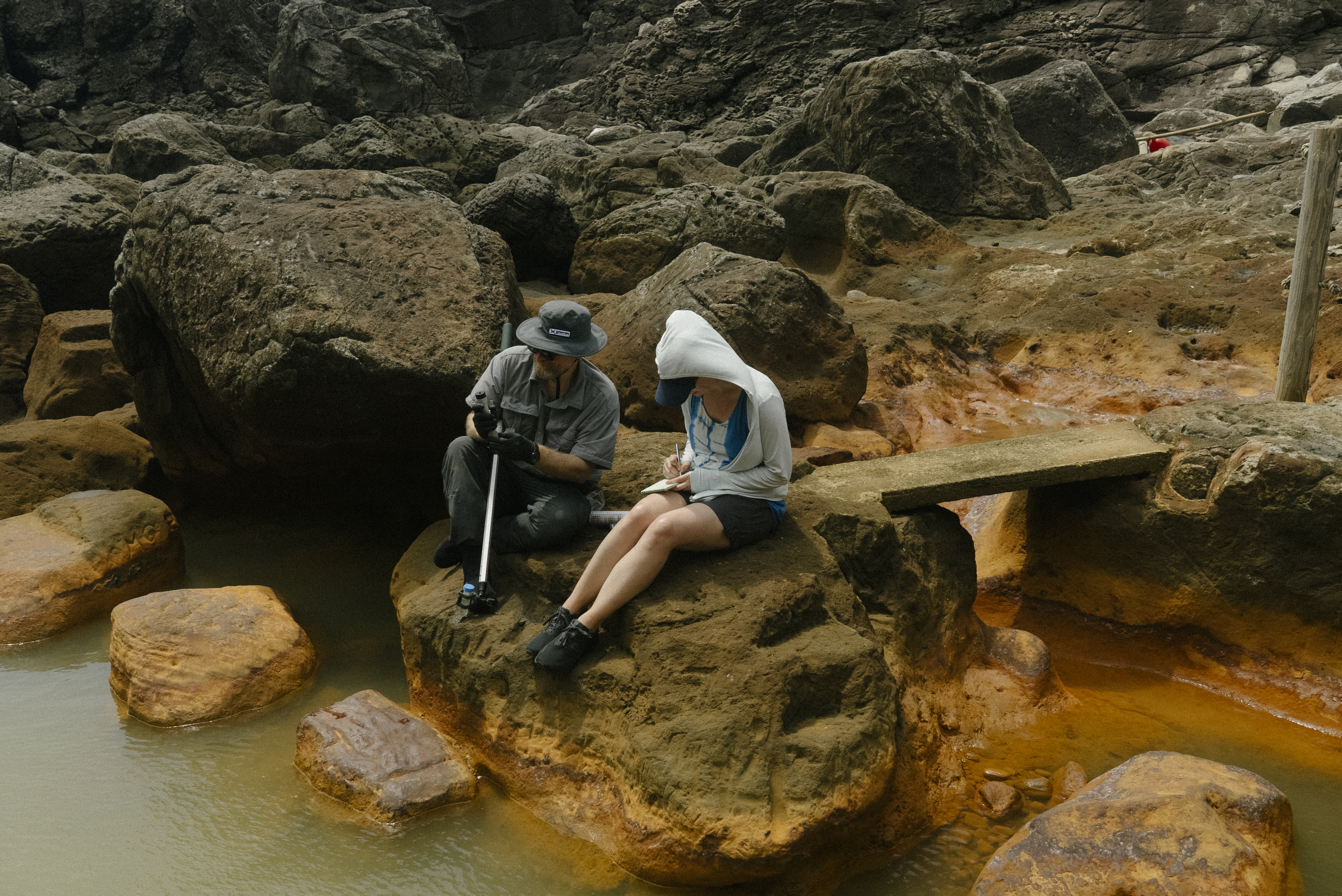
The location itself was central to the scientific rationale. Shikinejima’s CO₂ seeps, acidified waters, volcanic fields, and ancient terrestrial hot springs create a rare natural laboratory for studying life adapted to extreme conditions. Across the island, the researchers could observe how microbial communities respond to distinct levels and types of environmental stress—from bubbling underwater CO₂ seeps to iron-rich hot springs that flow directly into the ocean.
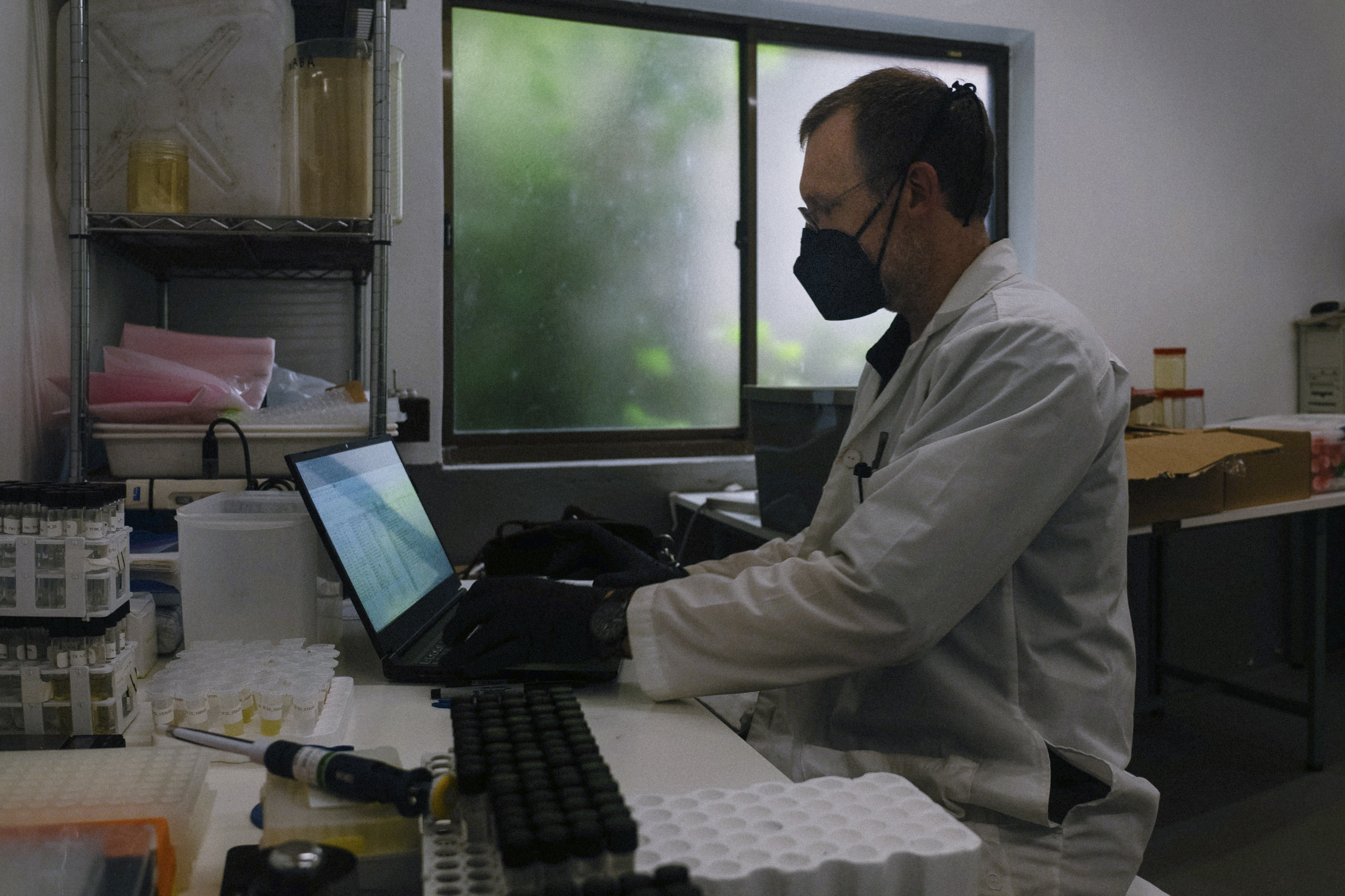
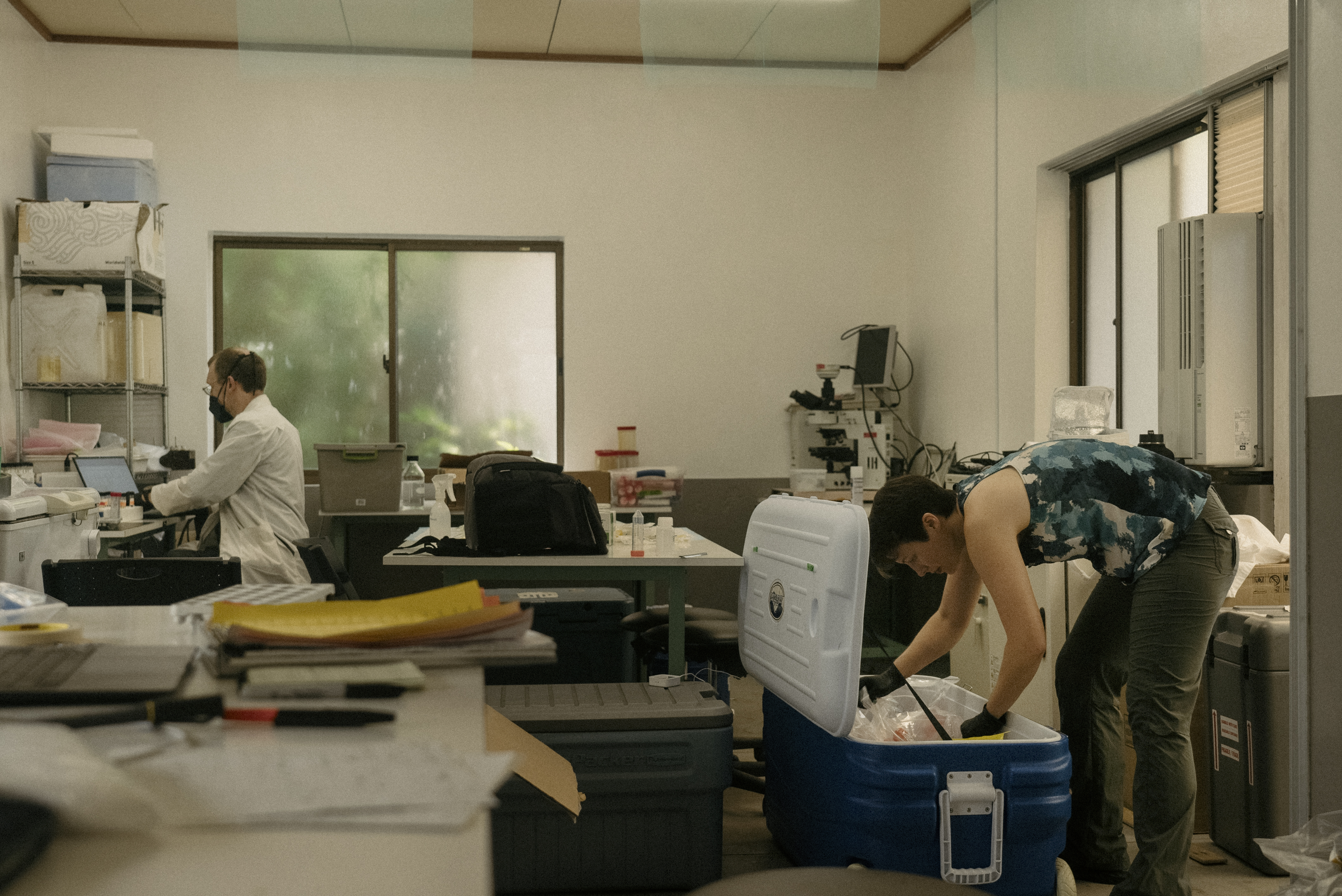
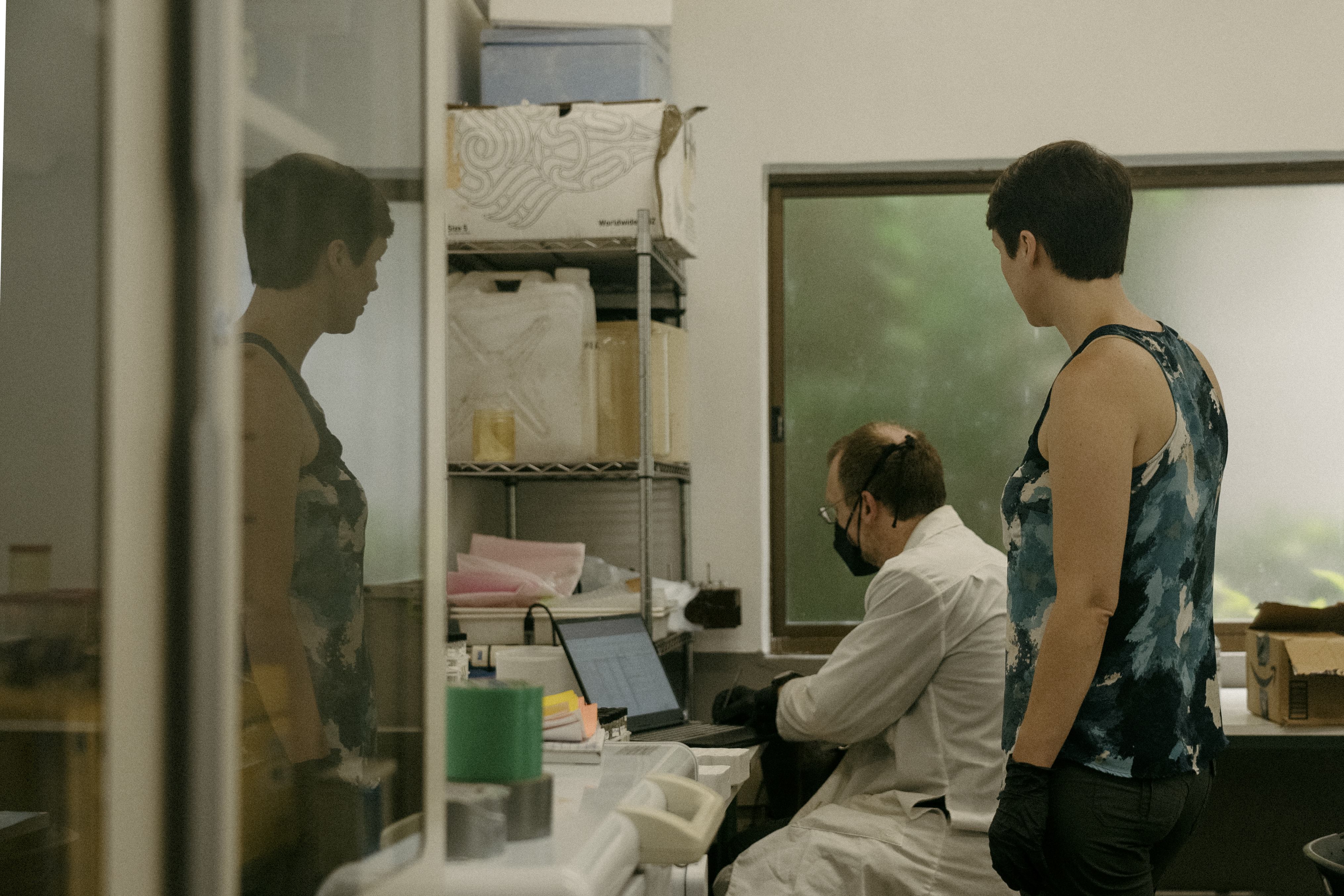
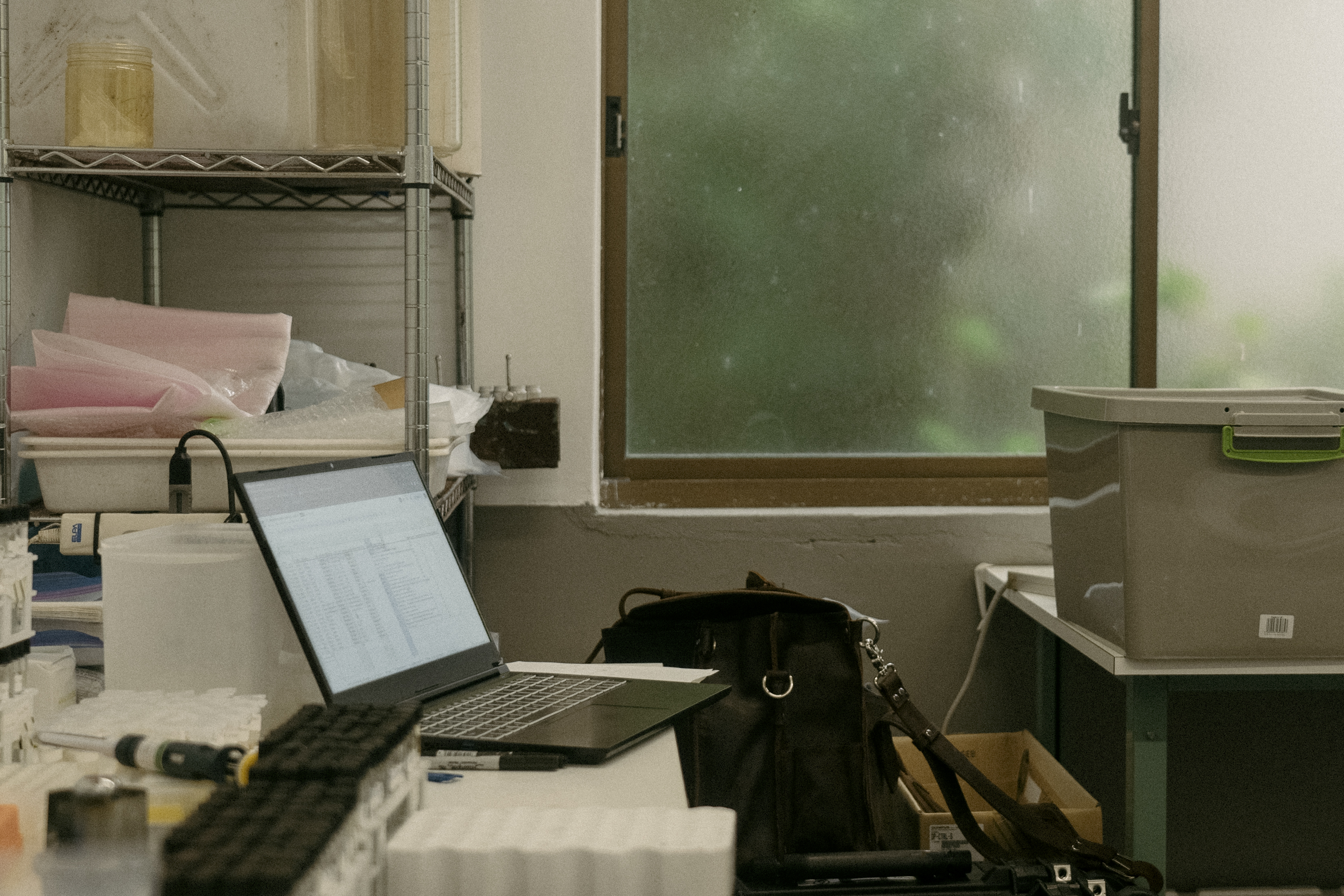
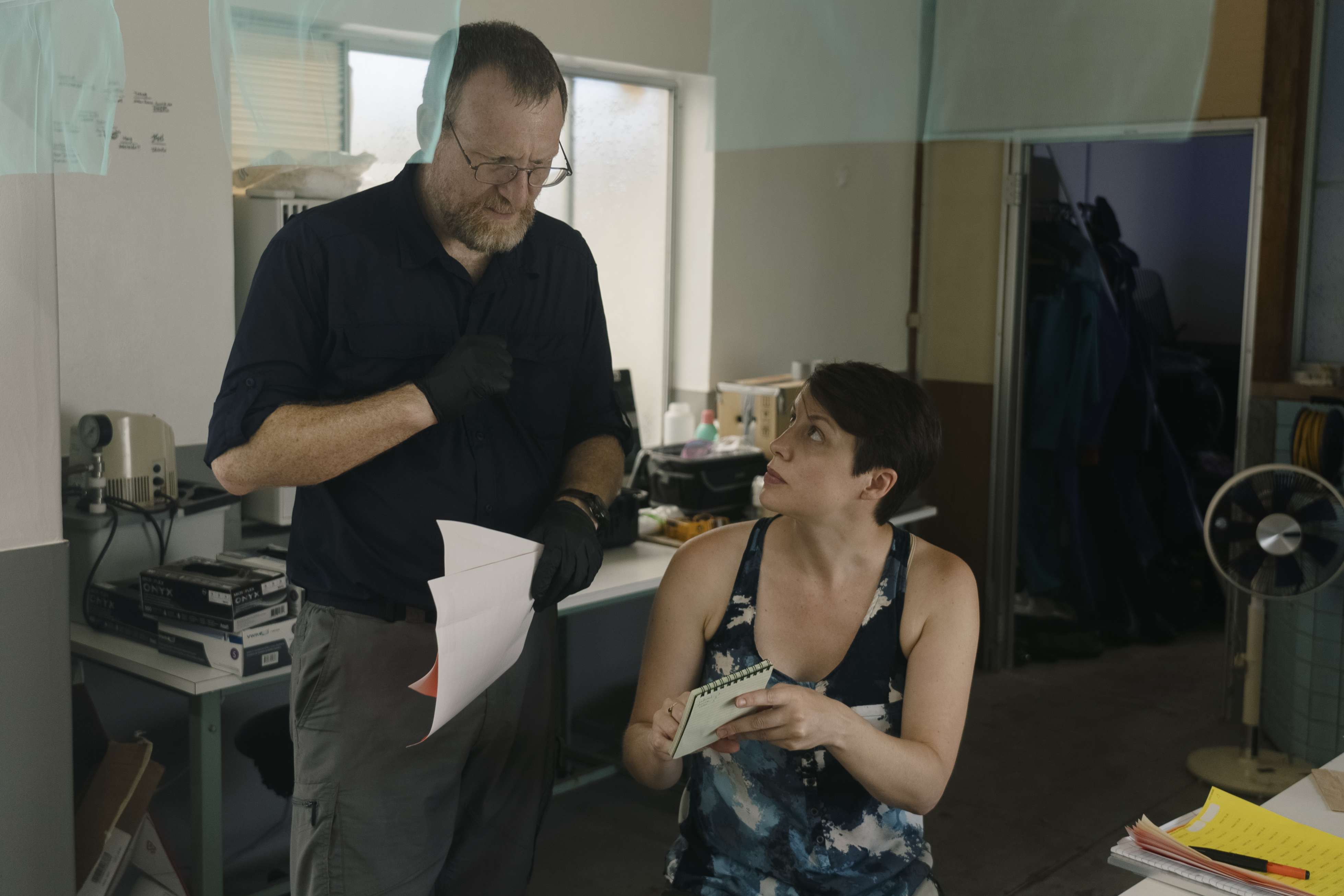
The primary challenge was bringing research-grade microbiology to an island without a research-grade laboratory. A local field station space that was a former fish-processing facility had to be cleaned, bleached, and rebuilt into a functioning laboratory before scientific work could begin. Extreme heat, humidity, and unstable WiFi complicated sequencing experiments, while two typhoons bookended the expedition and a megaquake warning issued the day before departure added further uncertainty.
To make advanced research possible under these conditions, the team deployed 2FP’s open-source modular toolkit, a portable system that equips scientists to perform high-tech microbiological research in remote environments. Critically, the toolkit enabled the team to process and cultivate samples and perform genomic sequencing on-site, rather than limiting the expedition to collecting samples for later analysis. The result was the first-ever genomic sequencing conducted on Shikinejima, bringing advanced laboratory capabilities directly into the environment being studied.
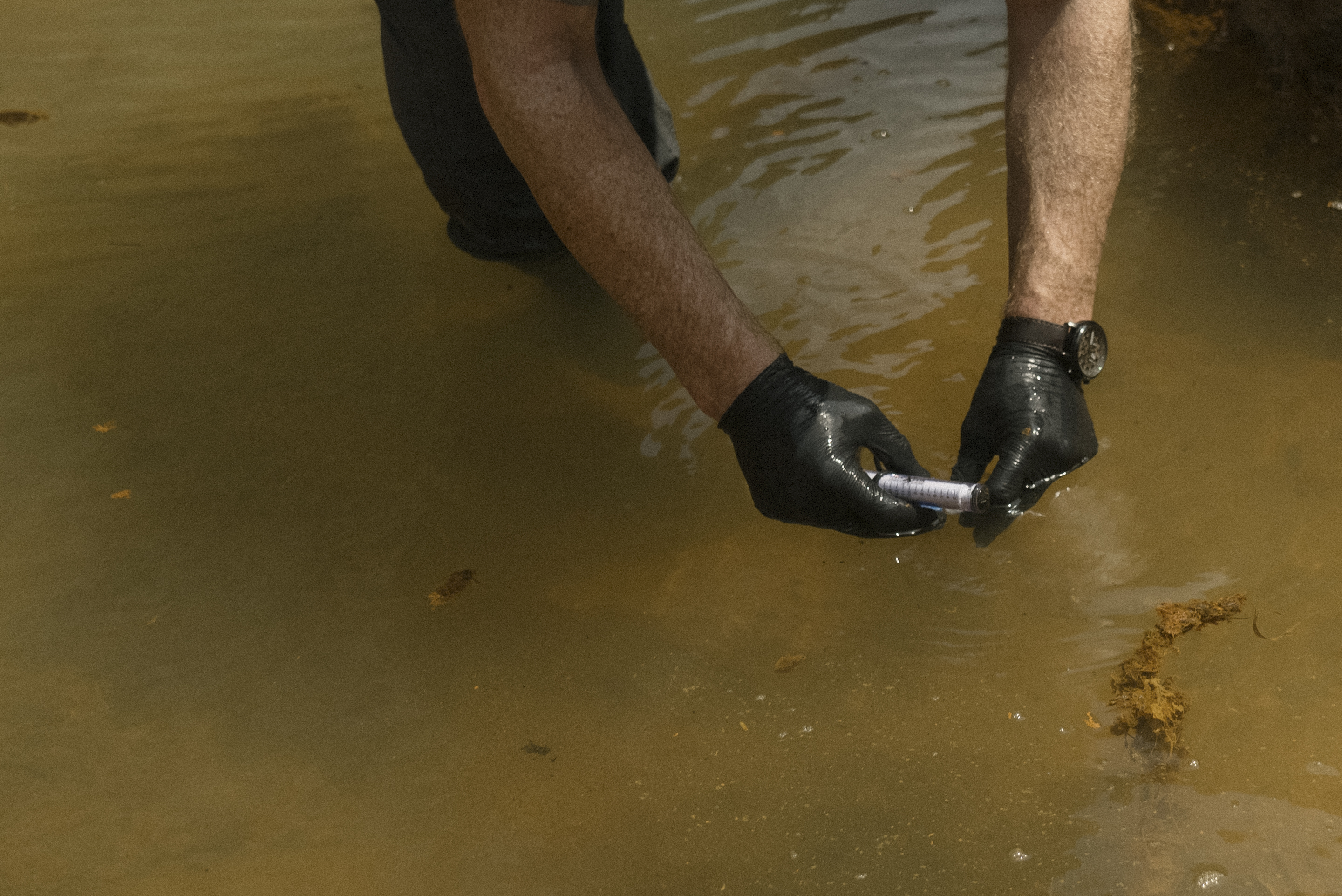
Across several sampling runs, the team collected more than 160 samples of coral, water, sediments, and microbial biomass, and cultivated coral-associated microbiomes for further study.
While Shikinejima was the partnership’s most ambitious expedition of the year, it was part of a broader multi-pronged strategy to explore microbial solutions across environmental systems. Through Project ReefLink, SeedLabs and 2FP leveraged ordinary aquariums as living laboratories, with community scientists contributing 100+ coral and water samples spanning 20+ species to support coral microbiome research. A separate expedition off the coast of Italy searched for methane-oxidizing microbes capable of consuming greenhouse gas before it reaches the atmosphere; the team is now analyzing those samples for climate-relevant potential. And through The Resilient Soils Project, the team began exploring whether soil microbes could help address “forever chemicals” such as PFAS, with sample collection now underway.
Together, these efforts demonstrate the SeedLabs x 2FP partnership model: combine frontier field research, community science, and open collaboration to study microbes in environments under intense ecological pressure, then translate those discoveries into new possibilities for climate mitigation and ecosystem resilience.
SeedLabs and 2FP’s 2025 work delivered against their core objectives: discovering microbes with climate-relevant potential, advancing understanding of ecosystem resilience, and building shared scientific resources to accelerate future research.
In Shikinejima, early analysis identified 46 microbial consortia with traits potentially linked to coral colonization and resilience to ocean acidification. These findings could pave the way for microbial innovations that help protect coral reefs and strengthen coastal resilience, with additional samples now being analyzed for potential applications in carbon capture and beyond.
The expedition also expanded the scientific foundation available for future discovery. More than 160 samples across coral, water, sediments, and microbial biomass will contribute to 2FP’s open-source ‘living database’—a growing biorepository of thousands of environmental and biological samples designed to accelerate discovery and enable global collaboration.
Project ReefLink further expanded that work through community science, generating a biobank of 100+ coral and water samples from 20+ species—including diseased and stressed corals—to support ongoing research into coral health.
These results build on evidence generated earlier in the SeedLabs x 2FP partnership. On the team’s first expedition to Vulcano, Italy, researchers discovered a novel cyanobacterium named UTEX 3222 (Cyanobacterium aponinum var. vulcano)—nicknamed “Chonkus” for its large size—that consumes CO₂ with remarkable efficiency. Published in Applied and Environmental Microbiology, the findings reinforced the promise of microbes to address some of the greatest challenges presented by climate change.
Together, these discoveries are expanding the map of what microbial life can do—and how it could help protect ecosystems in a rapidly changing climate.