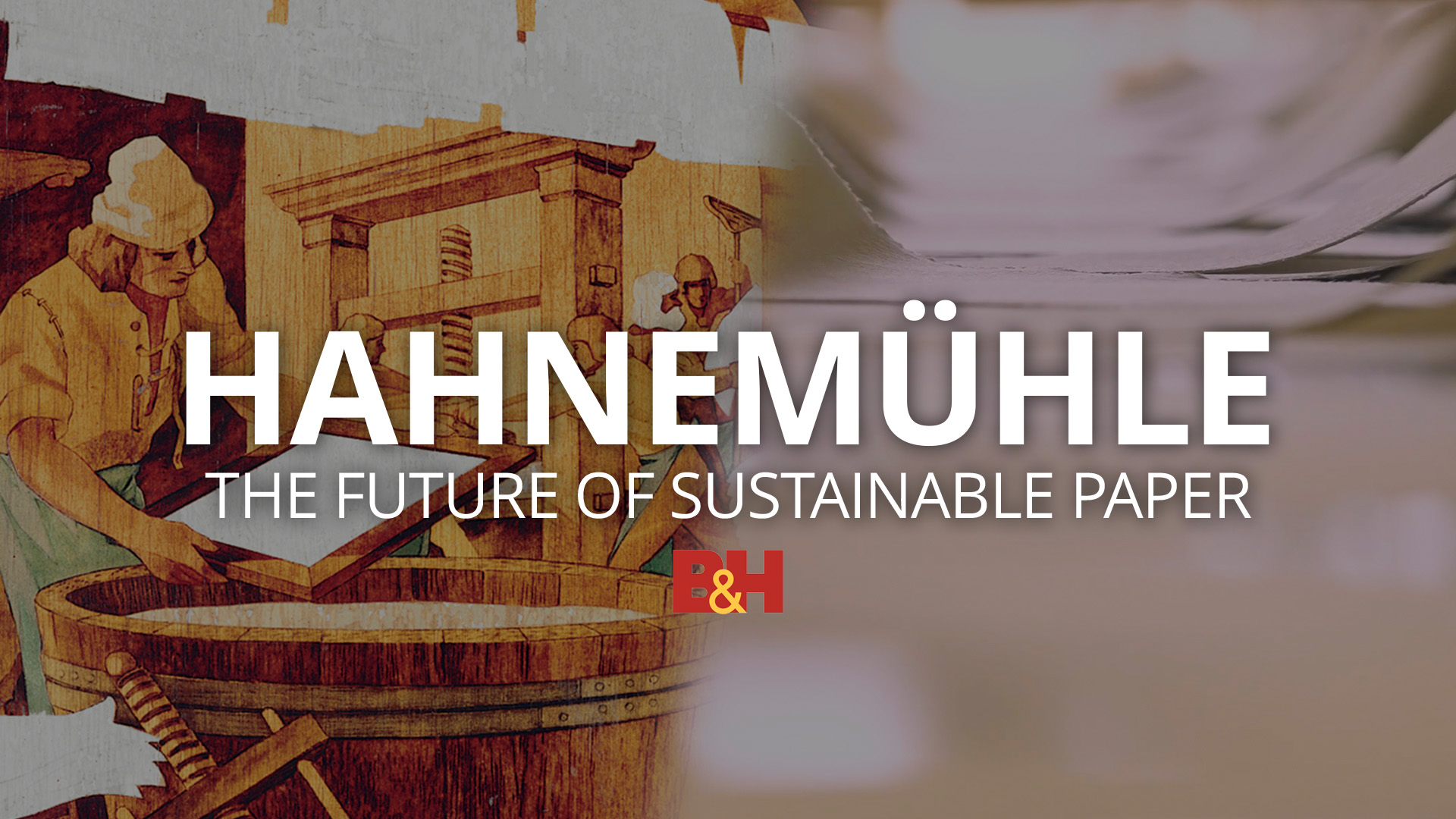
Our objective for this project was to tell a story of craftsmanship, one that connects to personal roots and centers sustainability within a centuries-old business. We wanted to show how a 400-year-old company is, in many ways, the very definition of sustainability, not as a modern marketing term, but as a practice woven into the DNA of how the mill has operated since 1584. Beyond the company itself, we wanted to invite viewers to become curious about their own roots, how craftsmanship and a connection to the land can create a deep sense of identity and belonging, whether that's tied to a trade, a place, or a family history.
Our goals were twofold. First, we set out to document the specific, tangible processes that have allowed this business to endure: the materials, the techniques, and the people carrying them forward today. Second, we wanted to use that story as a lens for a larger, more urgent question. In a world increasingly shaped by private equity consolidation and rising concern over data centers' water usage, visiting a factory in its fifth century of sustainable operation, one that still fosters a real community in central Germany, felt like an antidote to feeling grim about the current state of industrialization. We wanted viewers to leave not just informed about paper making, but hopeful that longevity, sustainability, and community aren't mutually exclusive with running a successful business.
We went into the journey to Germany not knowing exactly how much access and information we would receive from the company during the tour. Having only a vague idea of what to expect on the ground, we created a flexible script that included the story arc and main idea, without being too rigid. Our intention was to arrive well prepared while leaving room for a story to unfold in front of us. The main challenge here was that visiting a paper factory, even one with so much history, can be rather bland and uninteresting on its own, so weaving in a personal narrative relevant to the historical timeline and location of the factory became a driving factor in keeping the audience engaged with what is, at its core, a simple yet fascinating process of making the world's most beloved paper.
Our schedule included a factory tour as well as an interview with the CEO. We arrived equipped with questions that would help guide the narrative, but left room to explore secondary storylines. We quickly discovered how strongly the CEO, as well as the employees, felt about the sustainability aspect of paper production. Initially, this was not our main focus when we developed the plan, but we felt moved by the passion within the team about their innovations within the industry. We decided that sustainability, specifically the respect for the element of water, should be the center of the story.
Lotta's personal connection to this area of Germany, and her journey to New York City as an artist, became the emotional engine of the story. Though we knew beforehand what kind of imagery we wanted to include, when you visit someone's real home, you never truly know what to expect. This uncertainty is part of why we kept our production footprint as lean as possible. Our team in the field consisted of only two people: Lotta as the on camera host and guide for this story, and Jorge Sandoval as producer and cinematographer. Lotta and Jorge have worked together on many creative projects, both involved in pre and post production to ensure a cohesive vision from start to finish. Keeping the crew small also allowed us to move through the mill and the surrounding town naturally, without disrupting the authenticity of the moments we were there to capture.
Back in New York City, we reflected on our experience and what we had learned, and distilled it into a voiceover track to guide the viewer through Lotta's journey. Our hope was that viewers would not only gain a new appreciation for the ancient craft of papermaking, but would also feel moved and connected to their own origin story, and to how their roots have shaped who they are today.
When we first told our team we were headed to Germany for a project about a paper factory, we were met with harsh indifference. How could this be a topic worth the effort and expense of producing a film on the other side of the Atlantic? A paper mill, however old, did not sound like the stuff of compelling storytelling.
Yet once it was published, we received overwhelming feedback that it was an unexpectedly emotional watch. People shared their own personal experiences with Lotta, connecting to her story of revisiting a hometown with newfound appreciation for its crafts and traditions. This response confirmed exactly what we had set out to achieve. Our objective from the start was never really about paper. It was about using one company's five centuries of craftsmanship and sustainable practice as a mirror for the viewer's own roots, identity, and sense of belonging.
The emotional reaction validated our belief that a story about slowing down, honoring tradition, and centering sustainability could resonate deeply in a moment when so much feels uncertain, industrialized, and disconnected from place. Viewers did not just walk away with a new appreciation for papermaking. Many told us it prompted them to think about their own hometowns, their own families' trades, and the traditions they had perhaps taken for granted. In that sense, the reception did more than validate the film. It proved that craftsmanship and connection to one's roots are universal enough to move an audience that, at first glance, never expected to be moved.