Missouri ranks 40th in the nation for women's health and reproductive care, according to the Commonwealth Fund, a ranking shaped by persistent challenges, including widespread health misinformation, high maternal mortality rates, and contraceptive inequity. Cost is another major barrier: some birth control methods are thousands of dollars, putting them out of reach for many patients and straining clinics that serve uninsured patients. Many Missourians already travel hours to reach a clinic, and if that clinic can't offer same-day placement or doesn't stock every method, they may have to make the trip all over again.
Beacon Reproductive Health Network partnered with health centers across Missouri to expand contraceptive access at the point of care, providing clinical mentoring, quality improvement support, and provider training that helped health centers offer a full range of contraception at no cost, same-day.
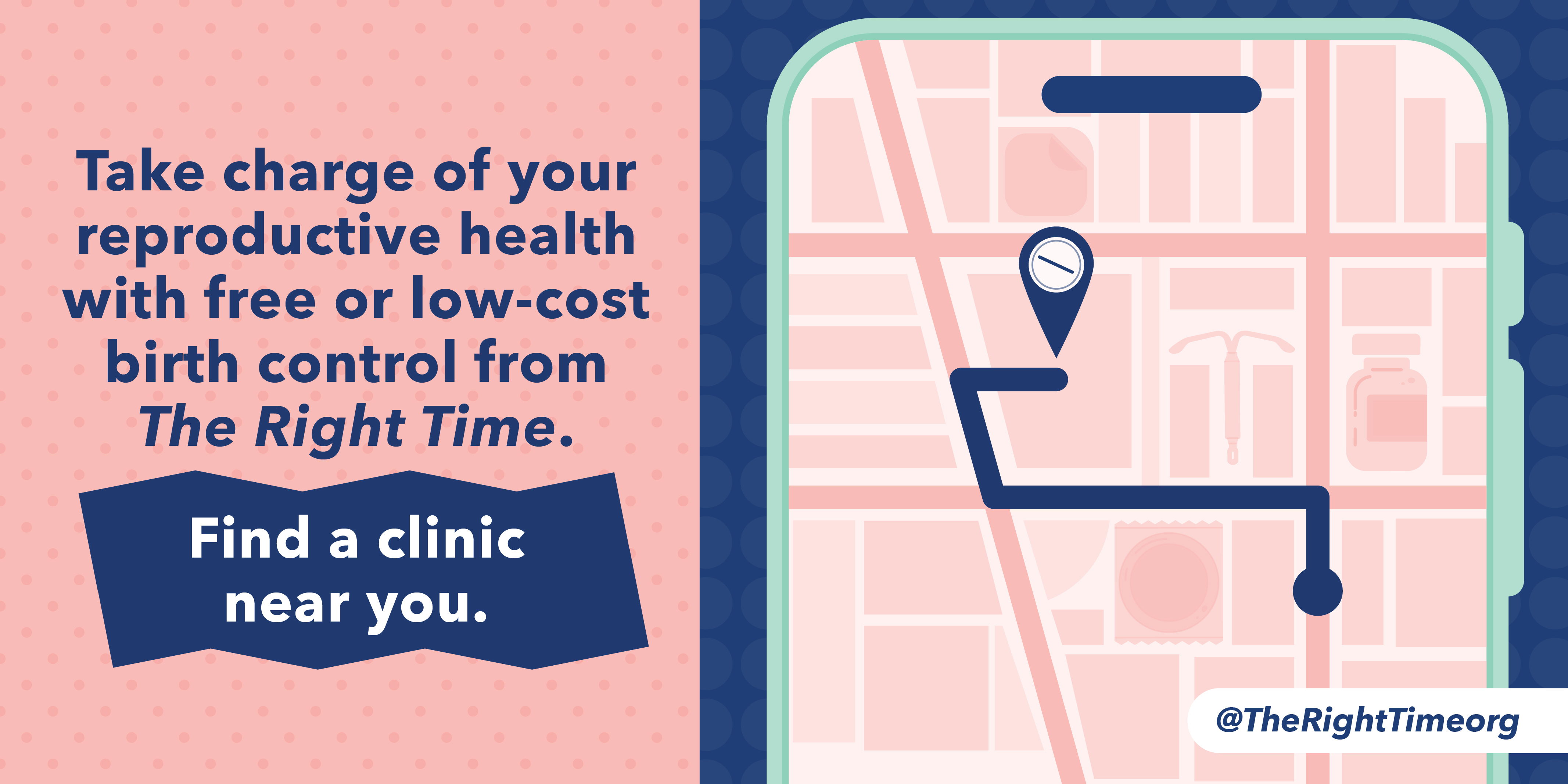
The Right Time's (TRT) communications campaign was created to work alongside that effort, connecting people with trusted providers, increasing knowledge of contraceptive options, and helping Missourians navigate directly to participating health centers offering same-day care at no cost.
To reach people wherever they were seeking information, TRT combined paid media, influencers, public education, earned media, digital tools, and community outreach into a coordinated strategy, directing audiences toward trusted resources like the Health Center Locator and Method Explorer.
Our challenge during the award period was not simply increasing awareness, but making it easier for Missourians to move from seeking information to accessing care.
This initiative is funded by Missouri Foundation for Health.
TRT’s campaign didn't work because of any single tactic. It worked because communications, care delivery, and workforce capacity were built as one system, by design. Every communications decision was developed in partnership with healthcare providers, researchers, evaluators, funders, and agency partners. Audience research, clinical expertise, and evaluation findings continuously shaped our approach, allowing communications to address real barriers rather than assumed ones. Communications guided patients to health centers that had the capacity to provide them with high-quality care.
That capacity didn't build itself. Through continuous quality improvement, clinical mentoring, and provider support, TRT helped build a more skilled, confident, and responsive health center workforce.
Over the course of the initiative, health centers across the network increased the contraceptive methods available onsite and methods available same-day.
The communications campaign responded directly to partner input to support service delivery. For example, after health centers requested Spanish-language patient education materials, we translated our most-requested resources. That responsiveness extended into the exam room: health centers distributed 15,450 printed patient materials (brochures, one-pagers, and palm cards), putting trusted information directly in patients' hands during the visit. In a survey of health center partners, 100% described patients as receptive, and 90% rated the consumer brochure effective at educating patients.
We reduced friction in the digital experience by redesigning our Google Search strategy around audience intent and embedding a Method Comparison Tool and Mini Health Center Finder throughout the website. We also introduced Digital Out-of-Home (DOOH) advertising in gas stations, convenience stores, rideshares, gyms, and bars across Missouri, paired with a text-based clinic locator for anyone without a smartphone able to load the website. To broaden representation of why people choose contraception, we partnered with four lifestyle influencers, including Abigail Porter, who has a national following but spoke directly to Missourians who are child-free by choice, and to those who support that choice.
Patients directed to a health center relied on support delivered by partners the campaign never worked with directly, but whose efforts its promise depended on. The campaign succeeded because every pathway to care ended somewhere prepared to receive the patient: a promise that could only be kept because communications, clinical delivery, and workforce development were partners in the same effort, not parallel ones.
We measured success through digital reach, high-quality contraceptive information, and patients seen at TRT health centers offering full-range, same-day care.
TRT's DOOH campaign delivered 597,974 impressions across 2,445 digital screens in 410 communities, contributing to a 147% increase in direct website visits during the campaign. Influencer partnerships grew brand awareness, expanded reach, and built trust with new audiences. Our partnership with lifestyle creator Abigail Porter generated 288,100 cross-platform views, 22,597 engagements, and a 16.3% engagement rate. Influencer campaigns drove 12,388 new users to the website, a 22% increase in new visitors over the same period last year.
During the award period, Health Center Searches increased 97% year over year; website users increased 25%; website visits grew 20%; and key contraceptive method pages saw gains, including the pill, patch, shot, ring, IUD and implant, among others.
Across the health centers, 95,613 unique patients have received contraceptive care since the initiative began. An estimated 85% of patients who received an IUD or implant got it the same day they requested it. Among patients seen between October 2025 and March 2026, those using no method of contraception fell from 9.5% to 5.1%.
The partnership also produced change beyond any single metric, including Missouri's newly signed annual supply provision, allowing patients to receive a year's supply of birth control at once beginning January 1, 2027.
If there's one thing to take from this partnership, it's this: accessible birth control changes lives, and no single partner could have made it accessible alone.