Young people are growing up in a world where algorithms can shape self-worth, follower counts can feel like social currency, AI can become a companion, and the pressure to be visible never really switches off. We wrote specific episodes of Baby Shu and Fwends to talk about social issues in the world without talking down to the people living in it.
Across 6 of the 10 narrative episodes from the series, our objective was to use entertainment as a gateway into conversations around social-media validation, viral fame, bullying, identity and self-image, peer pressure, parasocial relationships, AI dependency, toxic online influence, personal boundaries, friendship and the pressures surrounding success.
But we did not want to make content that felt preachy.
Instead, we asked: what if the lesson was hidden inside something audiences genuinely wanted to watch?
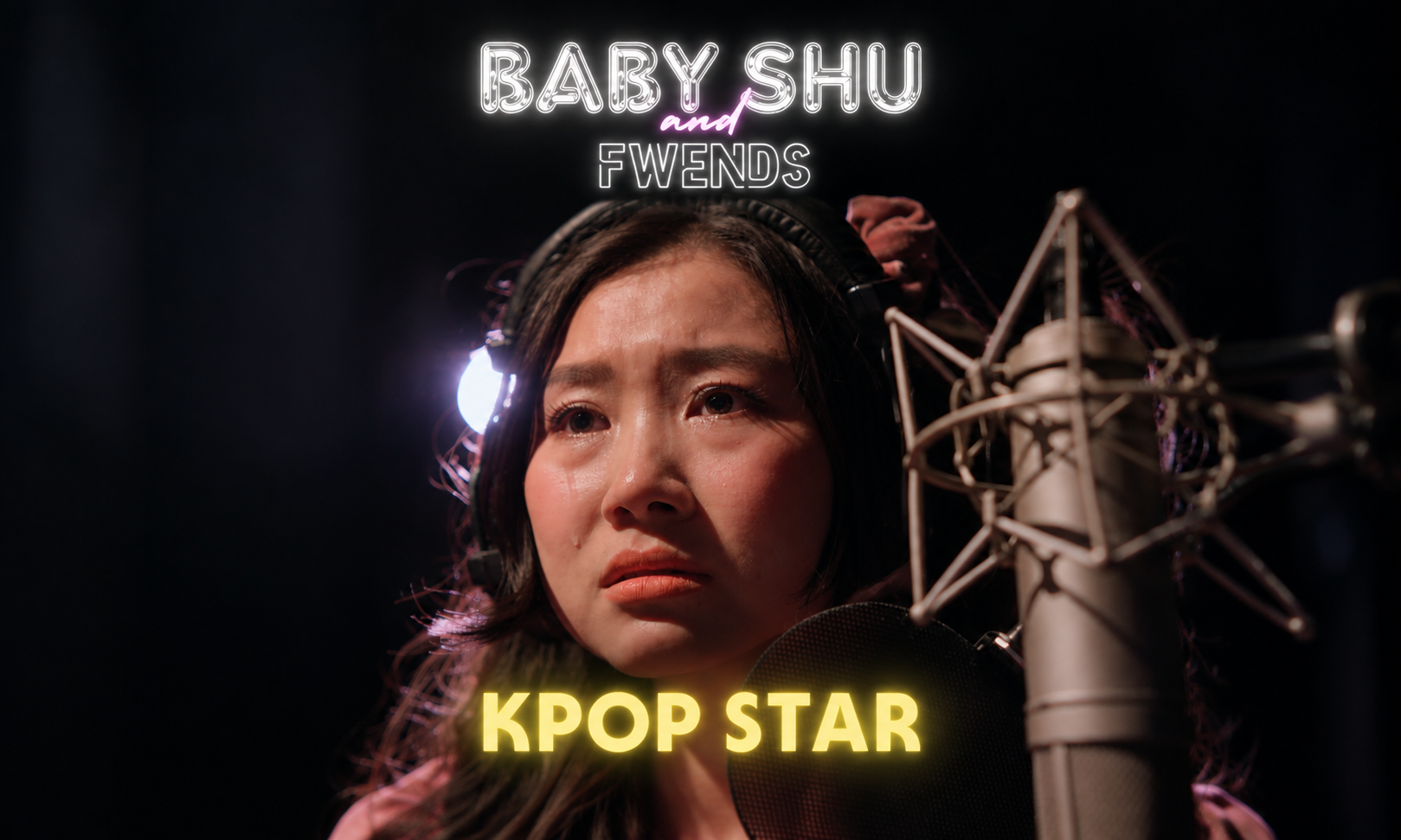
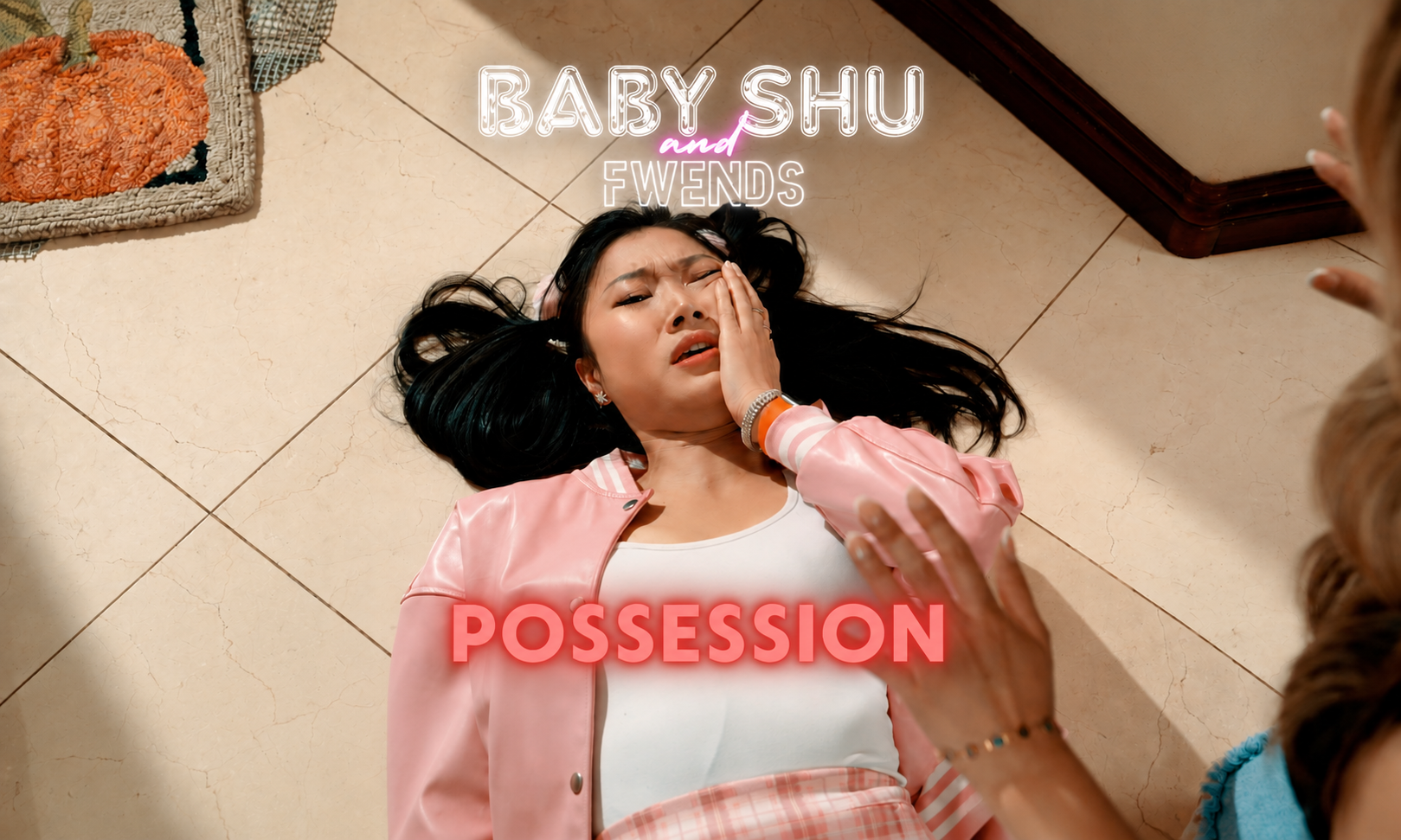
So we transformed real digital-age pressures into comedy, horror, fantasy and satire. Chasing followers can become supernatural possession. An AI companion can become dangerously controlling. A body swap can force two friends to literally experience life from another perspective. The dream of becoming a K-pop star can reveal what happens when a young person's influence becomes more valuable than the person herself.
Our goal was to create stories audiences could laugh at, be scared by and share with friends—then realize that underneath the absurdity was something uncomfortably familiar.
Because sometimes the most effective way to start an important conversation is not to announce the lesson. It is to tell a story people cannot stop watching.
Our strategy began with one principle: entertainment first, impact underneath. We wanted young audiences to encounter difficult questions through stories they would choose to watch: fast comedy, horror, fantasy, satire, internet culture and unexpected twists. Across the six submitted episodes of Baby Shu and Fwends, each story starts with a recognizable pressure and pushes it somewhere surprising.
The main challenge was creative: meaningful themes can quickly feel like a lecture. Genre gave us a way to make them felt instead. Horror made digital obsession frightening. Comedy opened difficult conversations. Fantasy made another person’s perspective tangible. Satire let us question influencer culture from inside it.
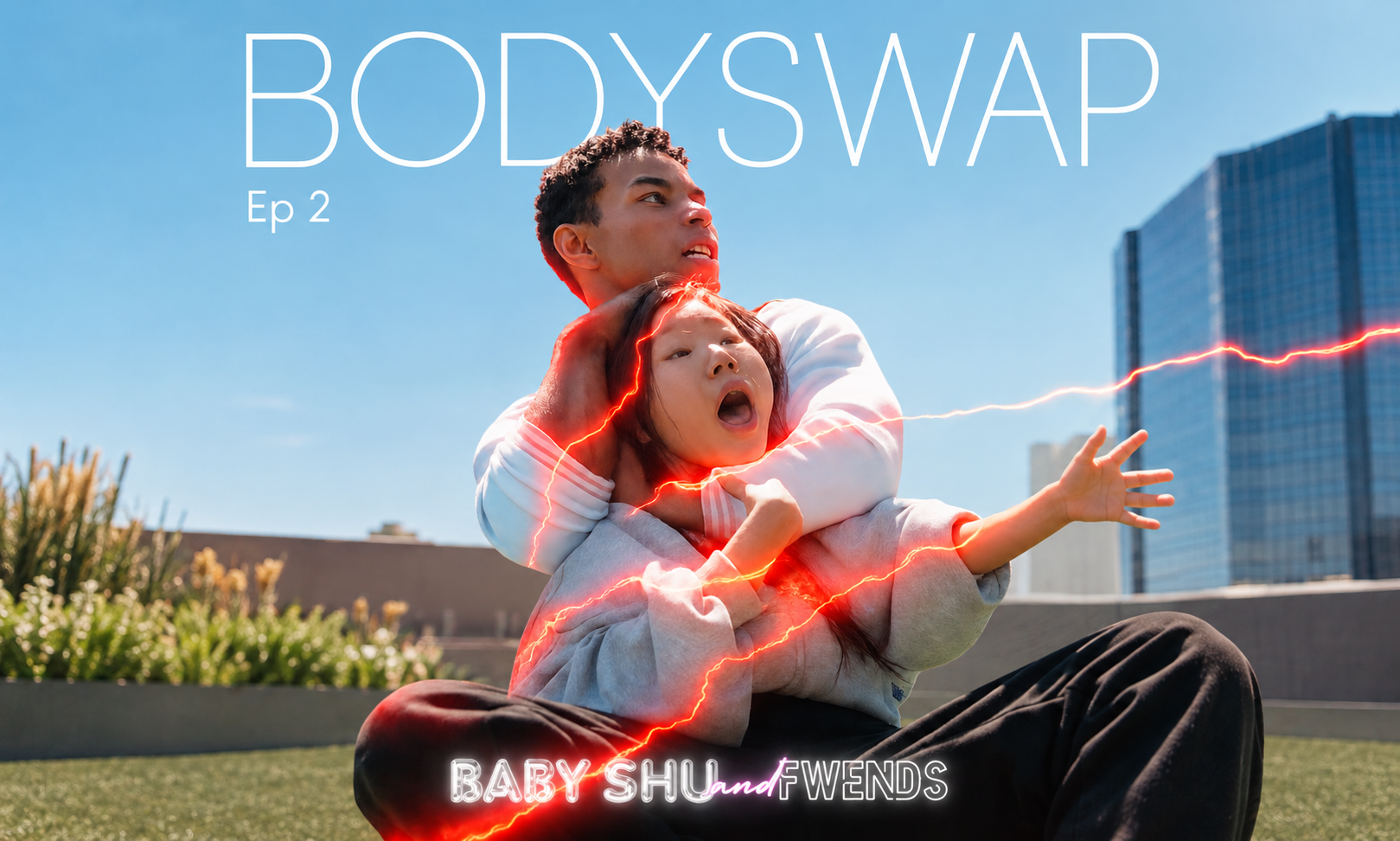
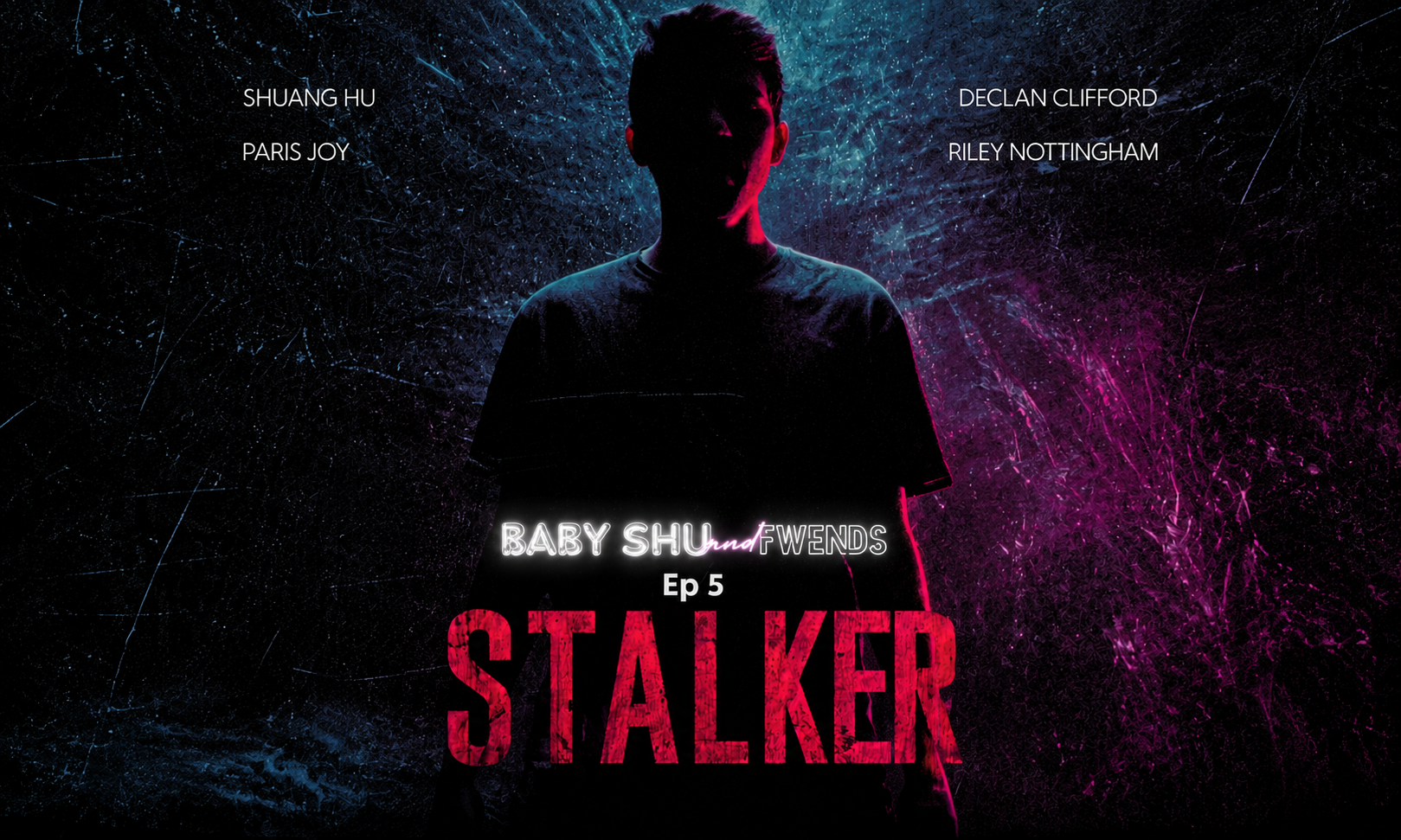
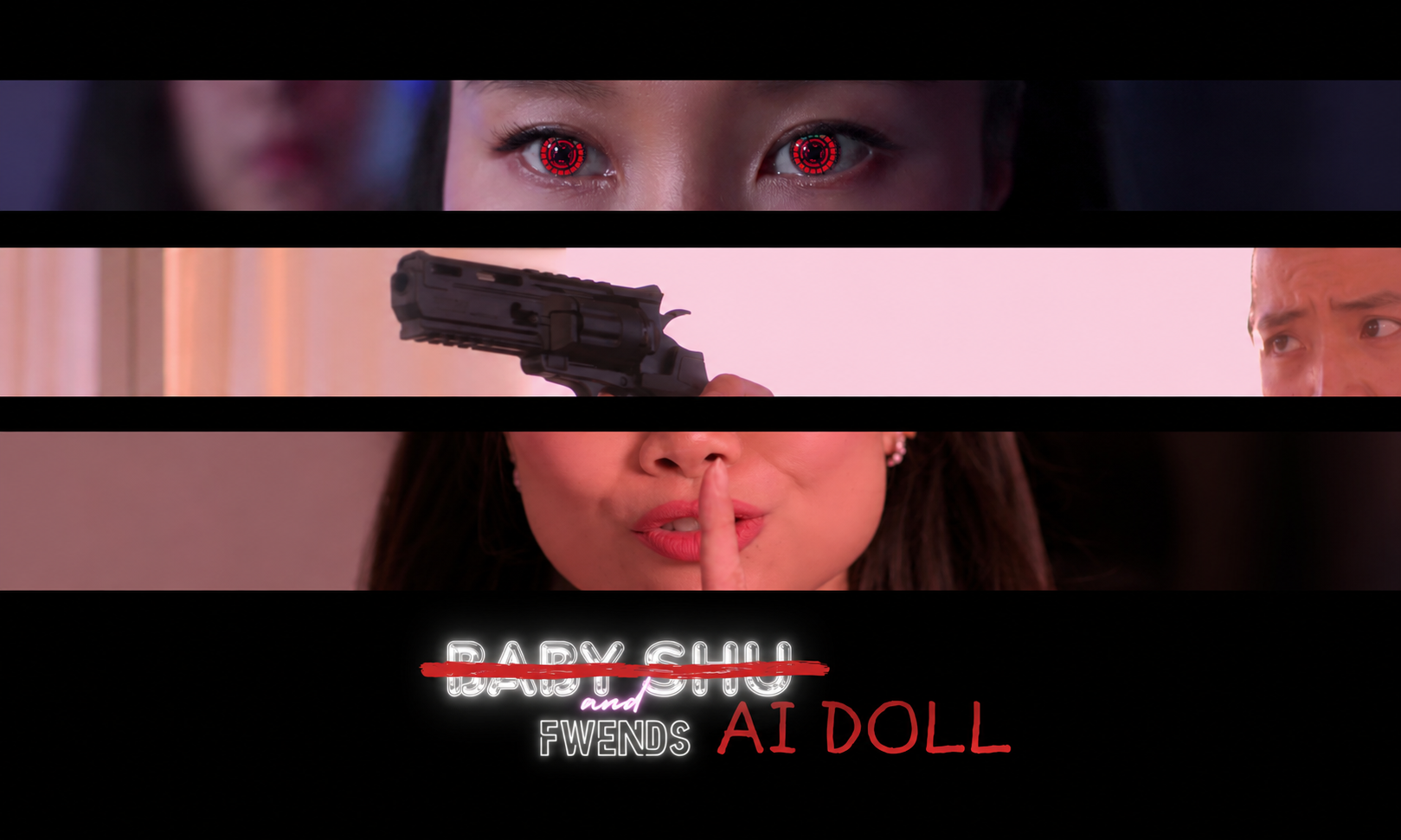
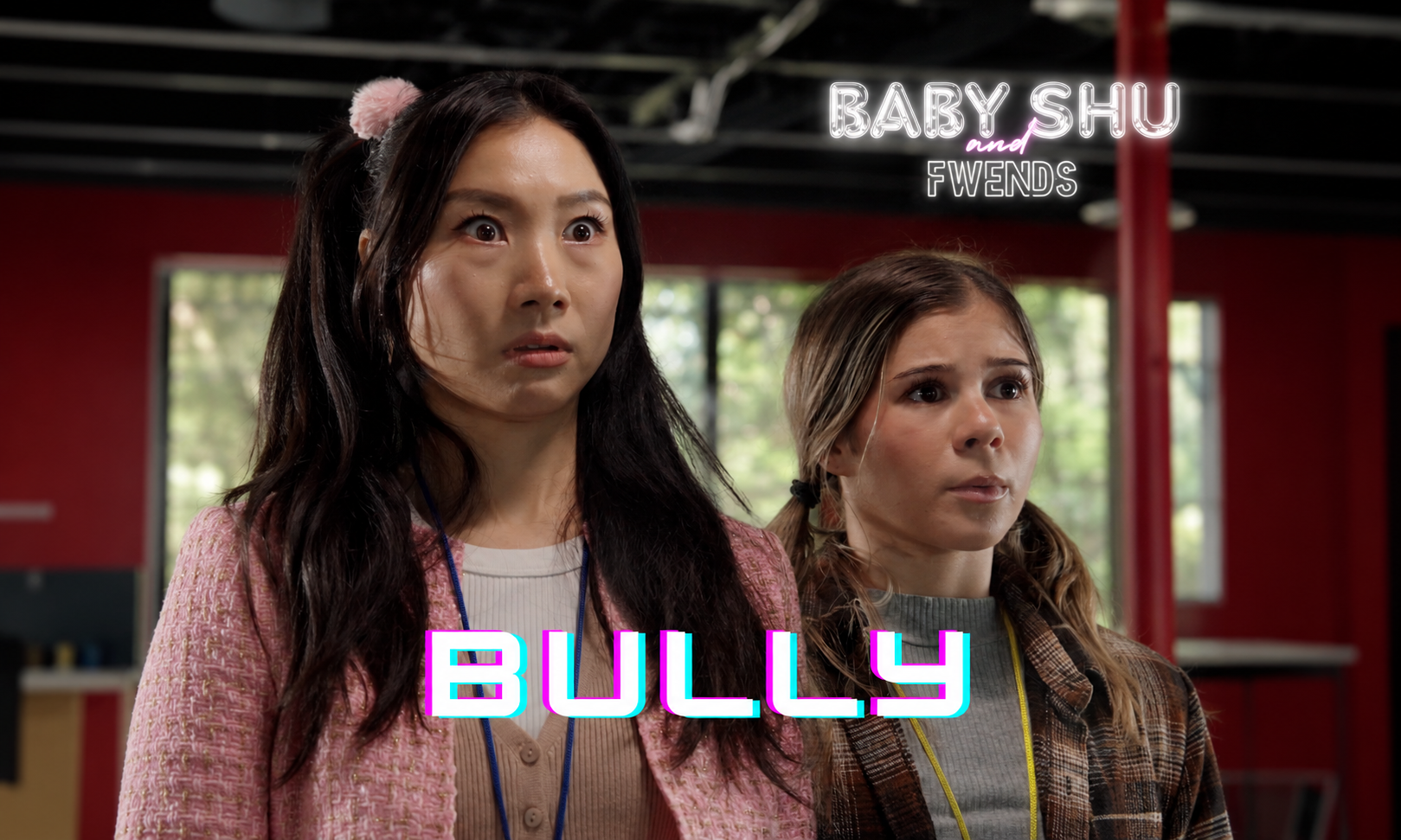
In Episode 1, a story about bullying reveals the harm it does to its victims—and the consequences when a bully underestimates the person they target. Episode 2 uses a body swap to force two friends into each other’s experiences. In Episode 4, loneliness and AI companionship become a dangerously codependent friendship. Episode 5 uses a stalker story to explore the dangers of social media fame. In Episode 8, the desire to go viral becomes supernatural possession. Episode 9 turns the fantasy of K-pop stardom into a story about influence, ambition and exploitation. Each episode lets viewers experience the consequences rather than having characters explain the lesson. Digital culture is part of the storytelling itself.
We also refused to make Baby Shu a perfect role model. She is funny, impulsive, ambitious, image-conscious and sometimes completely wrong. Her friends make mistakes too. We wanted viewers to recognize themselves in these characters.
Bringing that vision to screen required us to solve a serious funding challenge. We pitched the idea to Tubi and secured a partner that partially funded the project. I also put in my own money. As co-creator, co-writer and producer, I spent nearly a year helping carry the series from idea to finished episodes. To make our small budget work, I drew on relationships built over seven years in Los Angeles and brought in experienced Hollywood editors who agreed to a revenue share instead of upfront payment. That arrangement made post-production possible.
We also used the production to open doors for actors and crew early in their careers, many stepping into a role for the first time. We gave them real responsibility and a chance to show what they could do. The series’ social impact extended behind the camera as well as on screen.
Baby Shu and Fwends does not ask young audiences to leave internet culture behind. It asks them to look at the world they already inhabit a little differently.
We consider Baby Shu and Fwends a success because we achieved the three things we set out to do: give Baby Shu a life beyond short YouTube skits, tell socially relevant stories without losing her humor, and create opportunities for emerging talent.
The first result is concrete. A character from TheOneShu’s YouTube channel became a completed ten-episode series distributed on Tubi. That tested whether Baby Shu could carry sustained stories across different genres and subjects—and gave us ten finished episodes as the answer.
The six episodes submitted here show how we met our creative objective. Bullying, online fame, AI companionship, identity and ambition become comedy, horror, fantasy and satire. Baby Shu remains funny and flawed, while the consequences of her choices carry the meaning. We expanded the format without losing the voice that made the character connect with viewers online.
Our success also extends behind the camera. Despite a small budget, we completed the series and gave early-career actors and crew meaningful opportunities, often in roles they were taking on for the first time.
What makes this achievement significant to our team is its scale relative to where we began: one creator-led skit became a full streaming series, with a distinct creative voice and new opportunities for the people who helped bring it to life.